Cappuccino, Mocha and Latte: Differences and Golden Ratio Guide

Introduction: When making coffee at home, many people confuse the differences between cappuccino, mocha and latte, especially when it comes to the ideal ratio of milk to coffee. This article explains in detail the characteristic differences among these three classic coffee drinks, from espresso extraction parameters to milk pairing techniques, providing a precise ratio range of 1:2 to 1:8, along with practical advice for beans of different roast levels, to help you easily craft a balanced, professional-grade coffee.
When coffee enthusiasts make drinks at home, milk-based coffees often top the list, and latte, with its silky, rich character, is the first choice for most people. But many beginners report that their homemade lattes always fall short of café offerings—either too bitter or overwhelmed by milk flavor. In fact, once you master the core ratios and basic techniques, recreating a professional taste is not difficult.
A glance at any menu shows that cappuccino, mocha and Caffè Latte all contain espresso and milk, yet the three present completely different flavor layers. A freshly made cappuccino is topped with a dense milk foam about 2-3cm thick, resembling a mushroom cap; on the first sip, the velvety foam brings a cloud-like lightness, and the coffee's bitterness contrasts sharply with the milky aroma. Mocha, on the other hand, builds on latte with chocolate sauce or cocoa powder, making the sweetness and aroma more prominent—ideal for those who prefer sweet flavors. The core of latte is "balance"—a moderate amount of milk softens the sharpness of the espresso, preserving the coffee's depth while adding a velvety smooth texture.
Three key factors determine a latte's flavor: bean quality, espresso extraction parameters, and milk ratio. Quality beans must meet two conditions: freshly roasted (ideally 7-21 days from the roast date) and properly stored (kept away from light, sealed and moisture-proof). During extraction, the dose-to-yield ratio and grind size directly affect the concentration and aroma release of the coffee liquid—this is the core step in building the flavor base.
If using medium-dark roasted beans (such as common espresso blends), their flavor profile typically shows caramel sweetness, nutty notes and moderate acidity. A dose-to-yield ratio of 1:2 is recommended (for example, 20g of coffee grounds extracting 40g of espresso, or 18g of grounds for 36g of liquid weight), with extraction time controlled at 25-30 seconds, keeping the flow steady without channeling or splashing. The espresso obtained with these parameters is more concentrated, with focused aroma and balanced bitterness and sweetness, effectively supporting the overall structure of a latte. For medium roasted beans (such as single-origin beans highlighting citrus or floral notes), refine the grind to extend extraction time to 30-35 seconds (still keeping the 1:2 ratio) to draw out richer fruity and floral aromas. Note that extremely light roasted beans (such as Ethiopian natural Yirgacheffe) have fragile cell walls and are prone to over-extraction, so they are not recommended for traditional latte preparation.

The ratio of milk to coffee directly determines the drink's taste profile.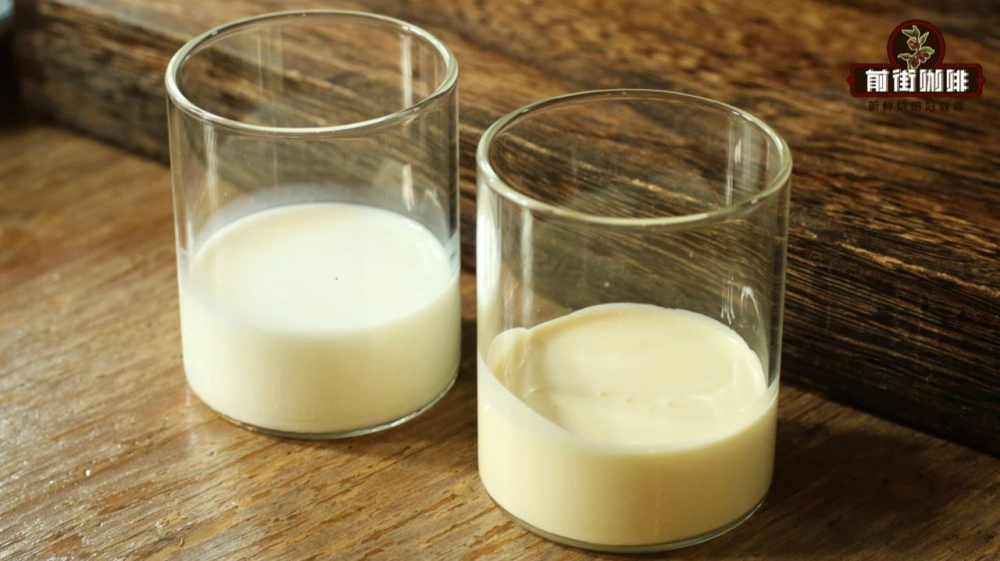 In general, the common latte ratio is 1:4 to 1:8 (espresso:milk), but the specific figure should be adjusted flexibly according to the beans' roast level and serving temperature. If using dark roasted beans (prominent roast notes, stronger bitterness), increase the milk proportion to 1:7 to 1:8 to neutralize the sharpness—for example, a hot latte can use 18g of grounds to extract 36g of espresso, paired with 288g of hot milk; for iced latte, the low temperature buffers the flavor, so the ratio can drop to 1:7 (e.g., 40g espresso + 280g iced milk).
 Medium-dark roasted beans (mainly nutty/chocolate notes) suit a 1:5 to 1:6 ratio, highlighting the milk aroma while preserving the coffee's rich base; fruity-floral medium roasted beans (such as a berry-toned SOE) require reducing milk to about 1:4, strengthening the coffee's fresh acidity and aroma layers by using less milk.

In practice, also pay attention to milk foam handling: for hot latte, use a steam wand at medium-low power to steam the milk to 55-65°C, with foam about 1cm thick, fine-textured and free of large bubbles; iced latte needs no foam—simply pour in chilled fresh milk. The standard cappuccino formula is 1/3 espresso + 1/3 steamed milk + 1/3 thick milk foam (total liquid about 90-120ml), optionally topped with a little cinnamon or cocoa powder; mocha requires adding 15-20g of chocolate sauce or melted dark chocolate on top of the latte base, stirred to create a unique sweet-bitter blend.