SOE Espresso Explained: Yirgacheffe SOE Flavor and Brewing Parameters
Introduction: SOE stands for Single Origin Espresso, which has become a popular choice in the specialty coffee field in recent years. Compared to traditional espresso blends, SOE can more vividly showcase the terroir characteristics of a specific origin. This article provides an in-depth analysis of the core concepts of SOE coffee, with a focus on the characteristics of SOE coffee beans from the Yirgacheffe region of Ethiopia, covering flavor layers, recommended extraction parameters, and common flavor expressions. It also explores the relationship between roast level and machine pressure from a professional perspective, helping coffee enthusiasts build a systematic understanding of SOE.
Against the backdrop of upgrading specialty coffee consumption, Single Origin Espresso (SOE) has gradually moved from the professional field into the public eye. Unlike traditional Italian espresso blends, SOE insists on using coffee beans from the same origin, variety, and processing method to make espresso. This approach more fully preserves the regional terroir characteristics.
What is SOE coffee?
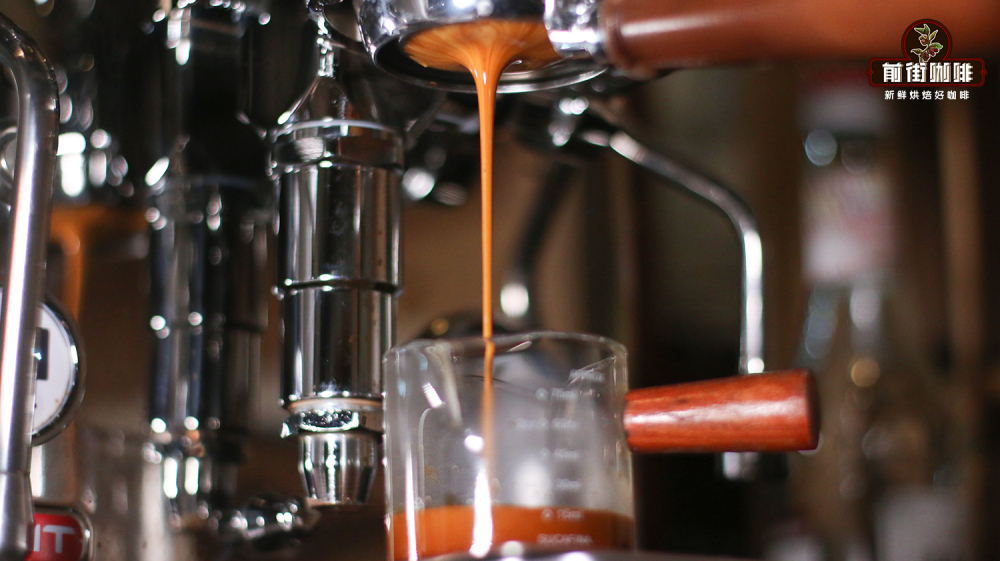
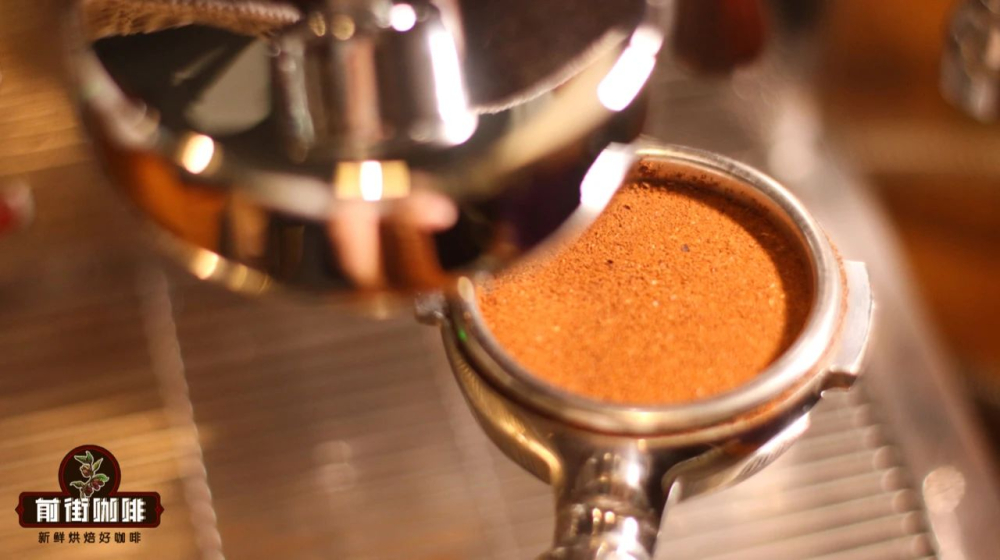
SOE stands for Single Origin Espresso, translated into Chinese as single origin espresso. Although this type of coffee uses raw materials from a single origin, it does not necessarily mean it is equivalent to specialty coffee—only when beans with distinct flavor characteristics are selected can a representative, high-quality SOE be produced. Because espresso machines extract under high pressure of 9-10 atmospheres, the flavor compounds in coffee beans are significantly amplified, which makes SOE more able to highlight unique flavors compared to pour-over coffee, but it may also expose defects.
Taking coffee beans from the Yirgacheffe region of Ethiopia as an example, their signature citrus acidity and berry notes present a stronger impact in SOE form; while beans with herbal notes such as Indonesian Mandheling may amplify herbal flavors and processing defects. It is particularly important to note that roast level, grind size, and extraction parameters all directly affect the final flavor expression, which is also an important reason why professional coffee shops usually need repeated debugging to determine an SOE recipe.
Common presentations of SOE
Modern coffee shops commonly use SOE as a base, pairing it with different proportions of milk to develop diverse beverages. The addition of milk can effectively neutralize some sharp flavors; for example, a latte made with Yirgacheffe SOE can retain citrus acidity while adding a creamy mouthfeel. However, the flavor stability of SOE is difficult to control and is significantly affected by the year's climate—for example, coffee beans from high-altitude origins may show slight differences in sweet-sour balance each year due to changes in rainfall, and SOE is far more sensitive to these changes than conventional blends.
Key differences between SOE and regular single-origin beans
Although technically any pour-over-grade single-origin bean can be used to make espresso, a true SOE needs to meet specific conditions. A high-quality SOE should have three core characteristics: first, a clearly identifiable flavor identity, such as the citrus notes of Yirgacheffe or the nutty chocolate notes of Brazilian beans; second, a moderate roasting curve—too dark a roast will mask origin characteristics, while too light may cause sharp acidity under high-pressure extraction; finally, stable quality control—professional roasters design separate roasting profiles for SOE, and their development time often differs significantly from that for pour-over use.
Flavor analysis of Yirgacheffe SOE
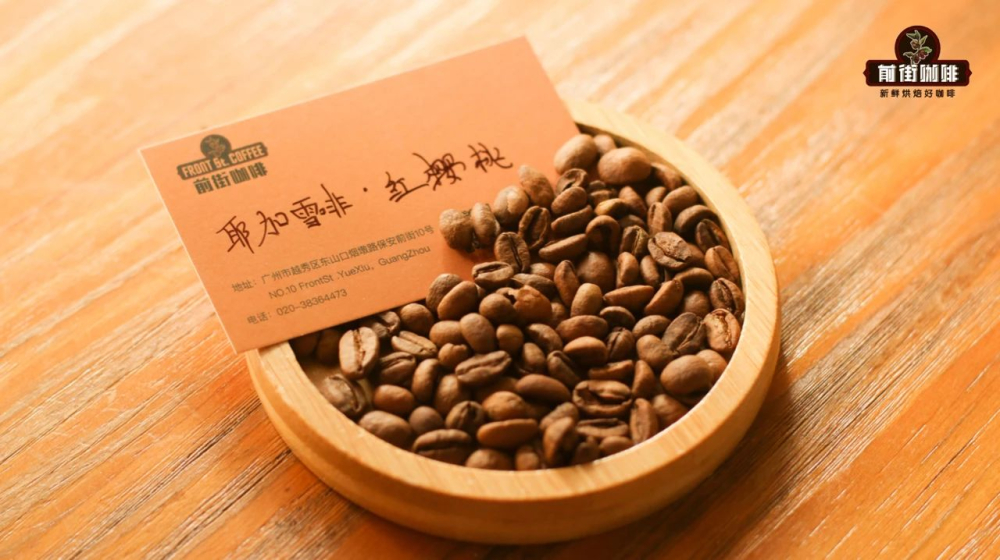
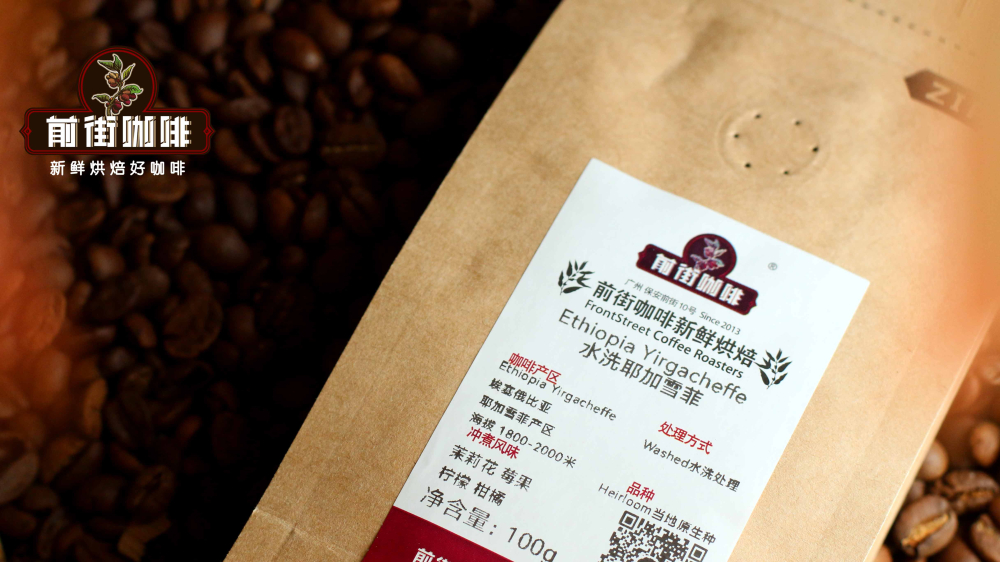
SOE coffee beans from the Yirgacheffe region of Ethiopia are a typical example. The altitude in this area generally exceeds 2000 meters, with large day-night temperature differences, producing coffee beans with bright acidity and rich floral and fruity aromas. Taking the naturally processed Red Cherry variety as an example, the green beans already show obvious berry and fermented wine aromas; after medium roasting, during espresso extraction they release citrus acidity (pH approximately 5.2-5.5), strawberry jam sweetness, and a unique fermented wine aroma layer.
Recommended professional parameters:
• Grind size: medium-fine (similar to fine granulated sugar)
• Dose: 18-20 grams (double espresso standard)
• Yield: 36-40 milliliters
• Extraction time: 25-30 seconds
• Water temperature: 90-93°C
This configuration should present a bright citrus top note, berry sweetness in the middle, and a slight fermented wine aroma in the finish, with an overall body that is medium-light but layered.
Avoiding common flavor defects
When making SOE, special attention should be paid to three common problems: first, under-extraction causing sharp acidity (often due to too coarse a grind or too short a time), manifested as a prickly sensation on the tongue and lack of sweetness; second, over-extraction causing burnt bitterness (mostly due to excessive pressure or too long a time), resulting in a dry finish; third, roasting defects bringing smoky or woody flavors, usually related to improper control of development time during roasting. It is recommended to optimize parameters through staged extraction tests (e.g., first perform a 15-second pre-infusion to observe flow rate).
Origin characteristics suitable for making SOE
Not all origins' coffee beans are suitable for making SOE. High-altitude growing regions (such as Ethiopia, Kenya, and Colombia) have large day-night temperature differences, and coffee beans often accumulate more flavor compounds, able to withstand the test of high-pressure extraction. Among them, Yirgacheffe and Sidamo in Ethiopia, as well as the Geisha region of Panama, have naturally distinct floral and fruity notes and have become mainstream choices in the global SOE market. Low-altitude commercial beans or dark-roasted beans are generally not recommended for SOE production due to their thin flavor layers.
Mastering the essence of SOE production is essentially a comprehensive understanding of coffee origin terroir, roasting chemistry, and extraction physics. By systematically adjusting variable parameters, every coffee enthusiast can find the perfect balance point that suits their personal taste preferences.