SOE Espresso Beginner's Guide: Flavor Differences vs. Blends and Buying Tips
Introduction: SOE (single origin espresso) has become a hot topic in specialty coffee in recent years. Compared with traditional Italian-style blend beans, how does SOE present unique flavors through coffee beans from a single origin? This article explains the definition of SOE, the core differences from blends, and provides a flavor profile comparison and extraction parameter optimization suggestions to help you choose the coffee bean type that suits your taste preferences.
With the development of specialty coffee culture, single origin espresso (SOE) has gradually entered the public eye. This espresso made from coffee beans of a single origin has attracted attention for its distinct regional flavor characteristics. But is SOE necessarily better than blends? How is its uniqueness expressed? Through comparative analysis, you will more clearly understand the essential differences between the two.
What is SOE?
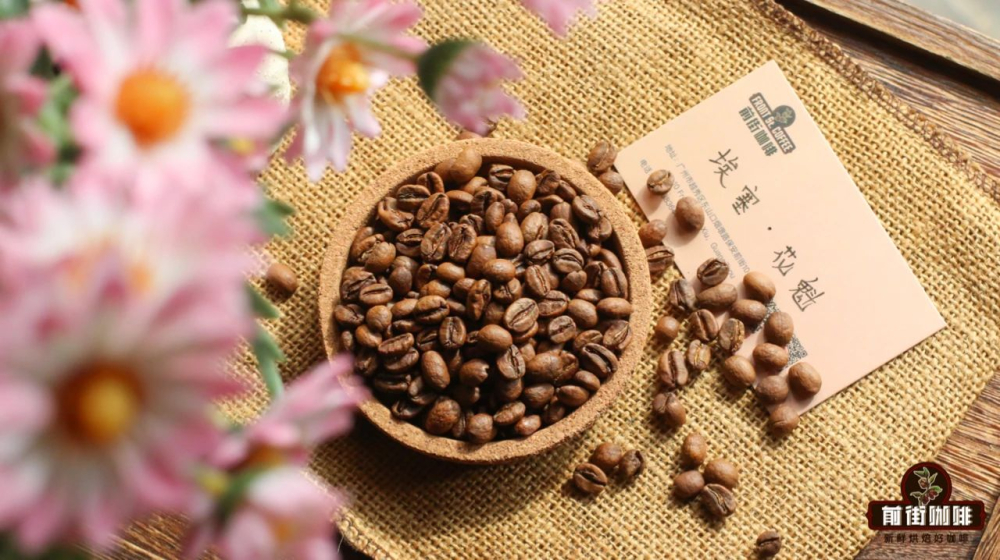
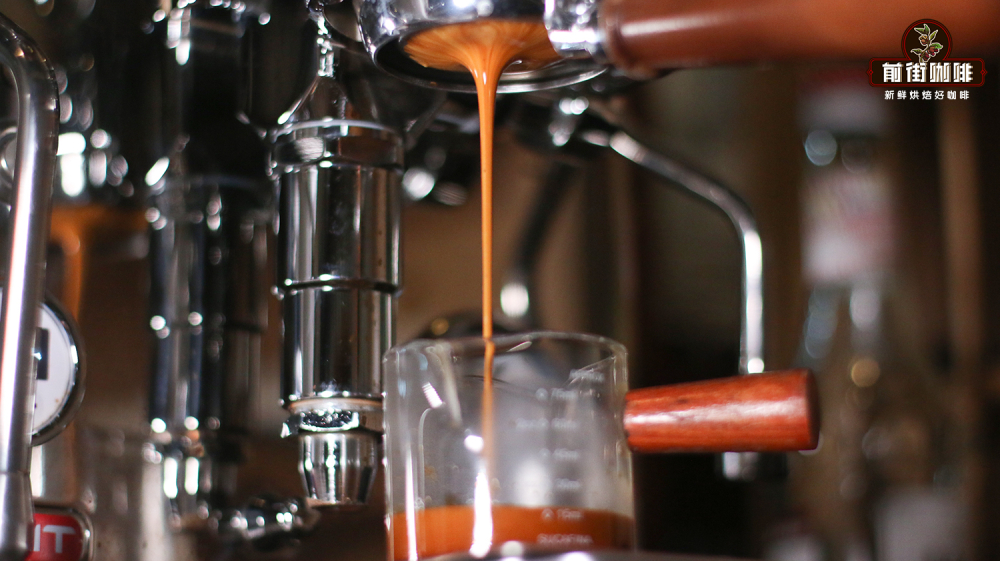
SOE stands for Single Origin Espresso, referring to espresso made from coffee beans of a single origin. Although these beans are not necessarily all specialty grade, if you choose origins with distinct flavor characteristics (such as the citrus notes of Ethiopia or the berry notes of Kenya), under high-pressure extraction at 9-10 atmospheres, their aromatic compounds are released more efficiently than with pour-over, and the flavor expression is often more concentrated and intense.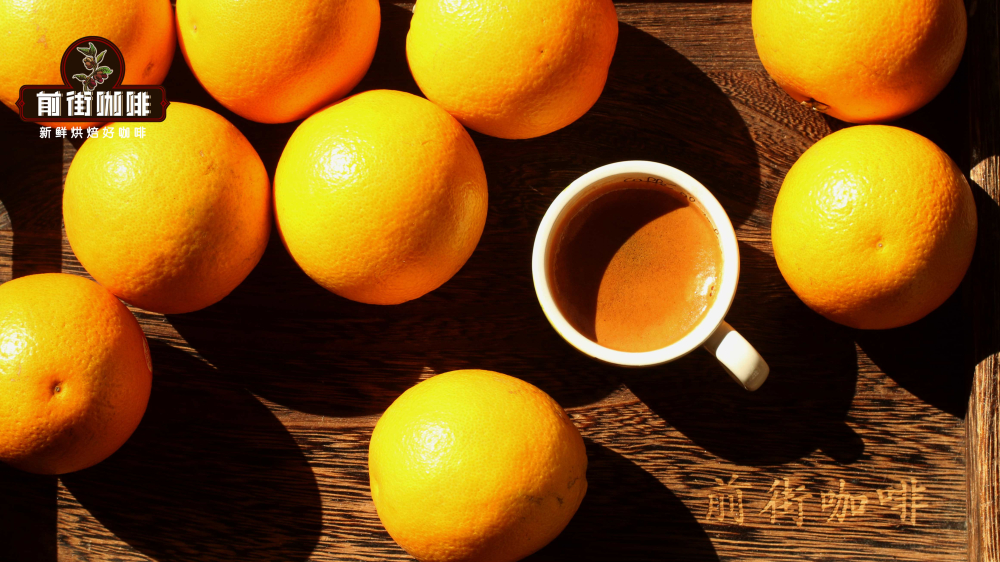
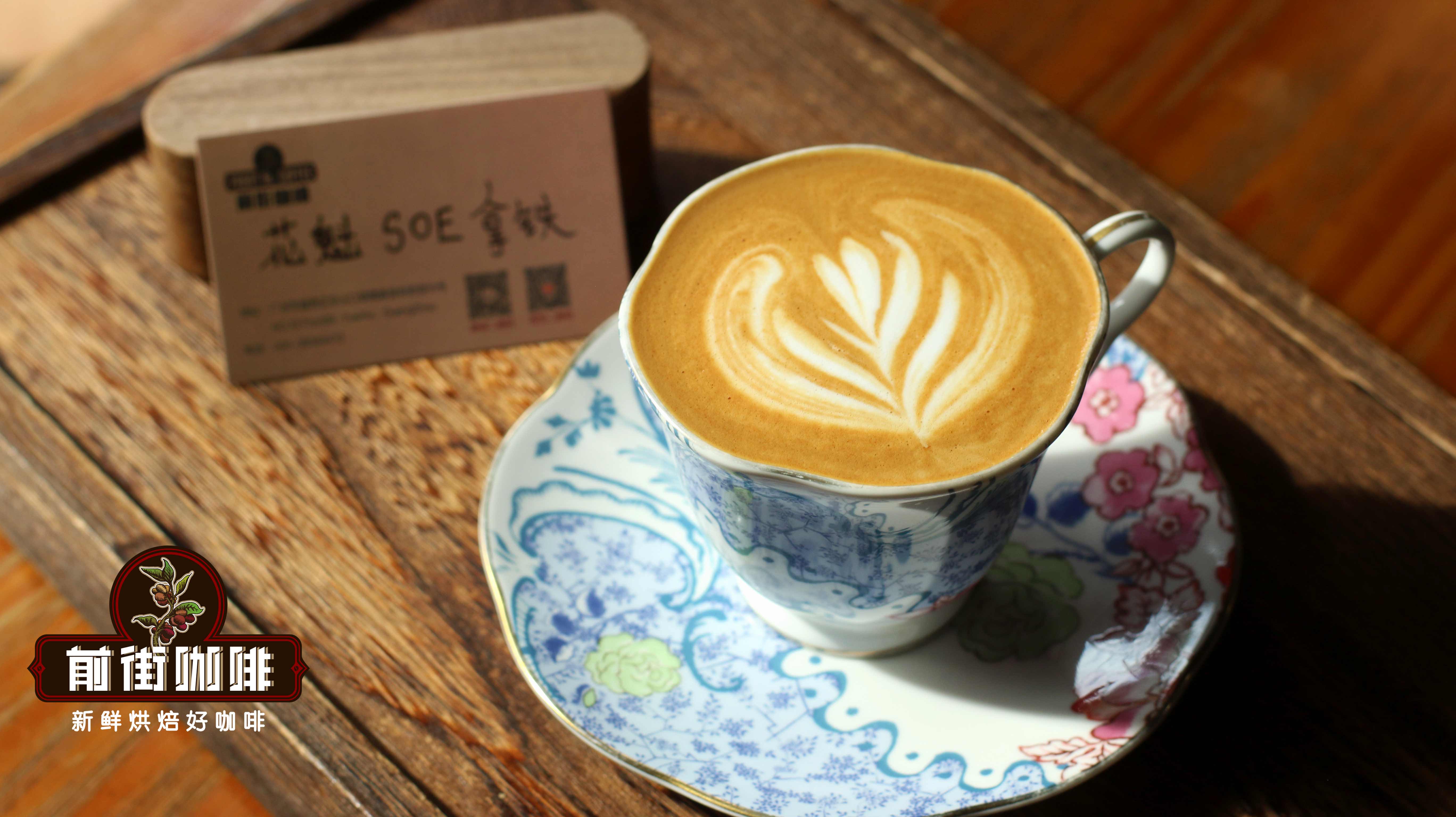
However, the characteristics of a single origin are both an advantage and a challenge.An overly prominent flavor dimension (such as excessive acidity or a single fruit note) may disrupt overall balance, so parameters such as roast level and grind size need more precise adjustment. For example, in 2023 an international chain launched a Huakui series SOE, using market education to let consumers directly experience the difference between single origin beans and conventional blends.
Core differences between SOE and Italian-style blends
Blends usually mix 2-5 coffee beans from different origins, achieving acidity-bitterness balance and flavor stability through complementarity, and are especially suitable for making basic Americanos or lattes. Common blending strategies include: using Brazilian beans to provide a full-bodied base, pairing with Ethiopian beans to add floral and fruity notes, and then using Colombian beans to balance the mouthfeel.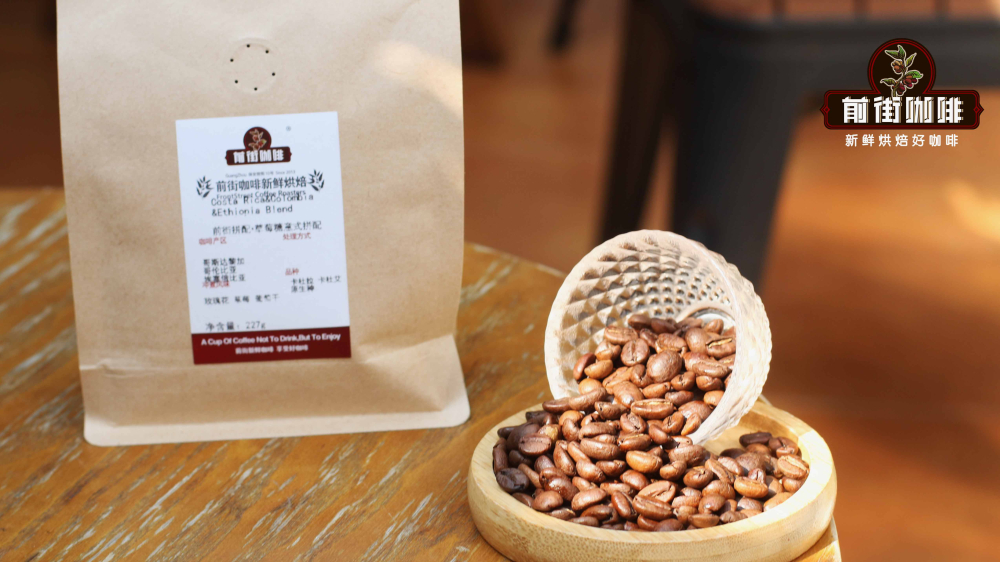
SOE, on the other hand, pursues the ultimate expression of origin flavor. For example, choosing sun-dried Yirgacheffe can present bright citric acidity and blueberry sweetness in espresso; or using Kenya AA grade beans to highlight blackcurrant-like vivid acidity and a red wine finish. But such beans have strict requirements for the roasting curve—a light roast easily leads to sharp, unbalanced acidity, while a dark roast masks the original flavor. The ideal roast level is usually between medium-light and medium.
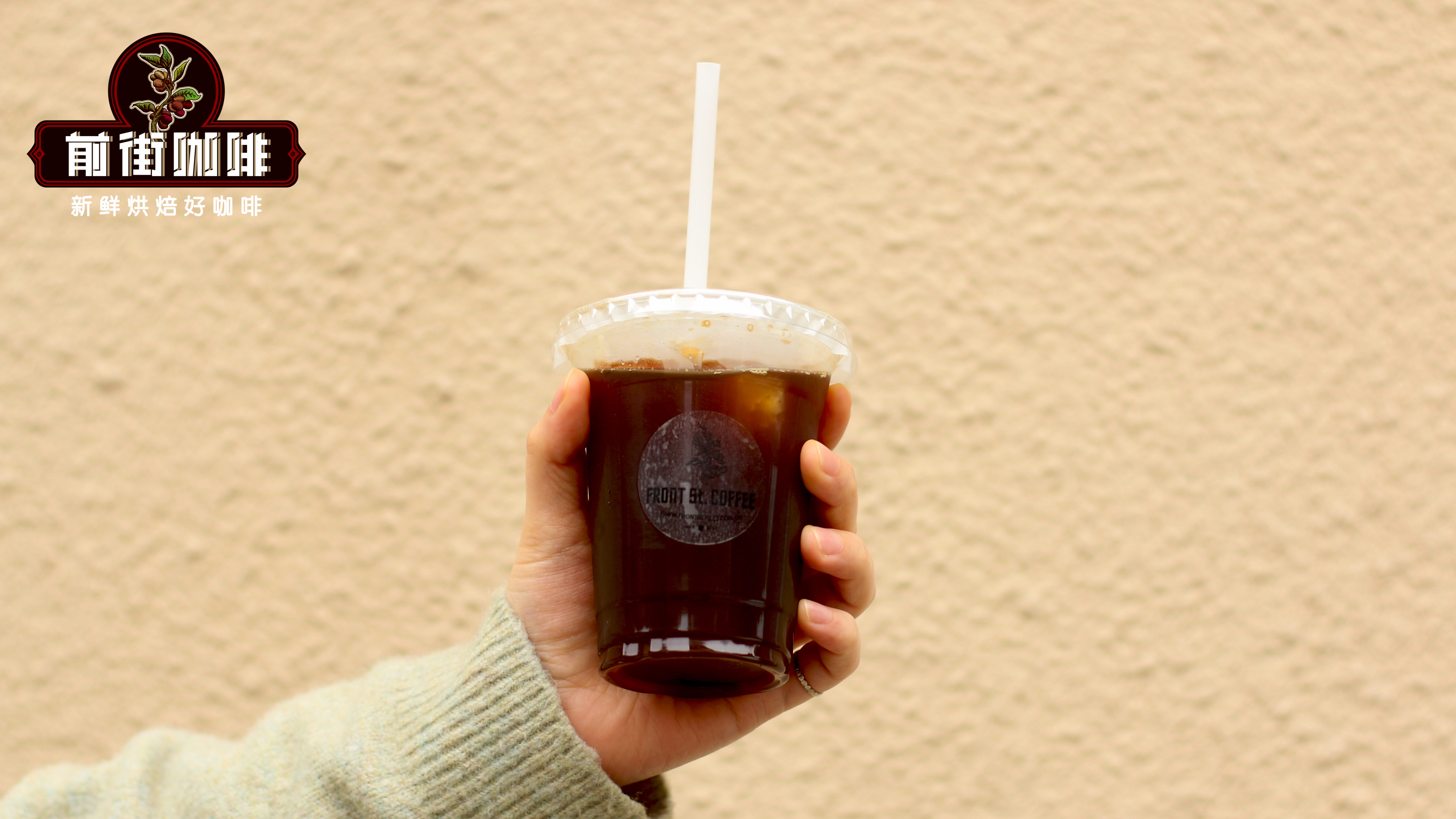 It is worth noting that SOE is not simply equivalent to "making espresso with pour-over beans." Although technically feasible, the roasting parameters of pour-over beans (such as a longer development time) are often not suitable for a high-pressure extraction environment. Professional roasters design two curves for the same bean: medium-light roast for pour-over/cold brew, and medium roast specifically for espresso machines.
Recommended mainstream SOE flavor types
• Fresh fruity type: Suitable for sun-dried beans grown at 1700-2200 meters, such as the Red Cherry variety from Ethiopia's Aletaland estate. Typical flavors include citrus, berries, and fermented aroma. The acidity is bright, but pay attention to extraction time (22-25 seconds recommended)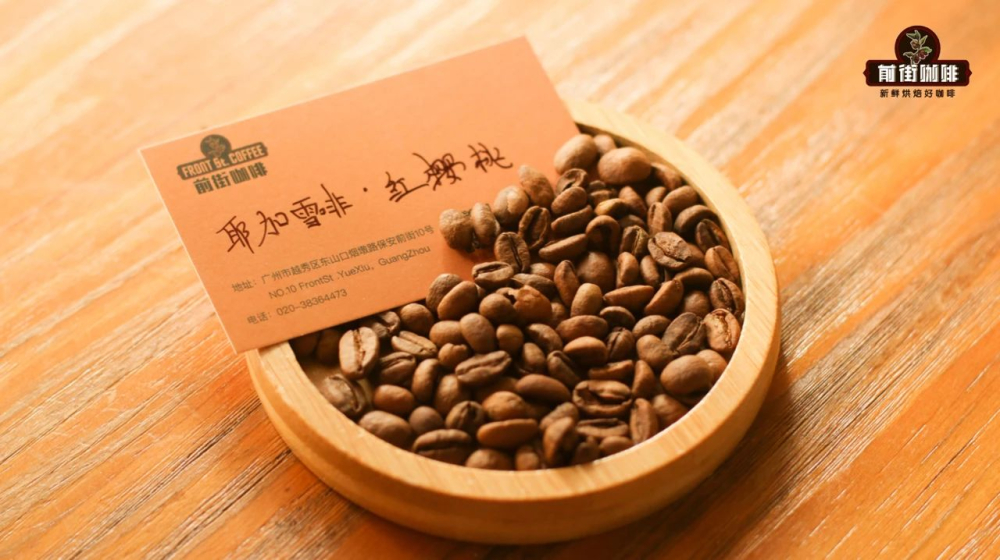
• Rich fruity-honey type: Central American double anaerobic processed beans (such as varieties grown at 1700 meters in the Huilan region) often carry grape and passion fruit notes, suitable for making iced SOE or pairing with a small amount of oat milk
• Balanced nutty type: Medium-dark roasted beans from Brazil's Cerrado region, although not suitable for making SOE alone, can serve as a blend base to enhance body
Key extraction parameters and common problems
Because SOE's origin flavor compounds are mostly concentrated in the shallow cell walls, the following optimization plan is recommended:
• Grind size: 0.5-1 notch finer than conventional blend beans (for example, a Pegasus 900N is recommended to be set to #3F)
• Dose-to-yield ratio: 1:1.8 to 1:2.0 (espresso volume about 30-35ml)
• Pre-infusion: At 92°C water temperature, first inject 30ml of water to wet the grounds, wait 5 seconds, then continue extraction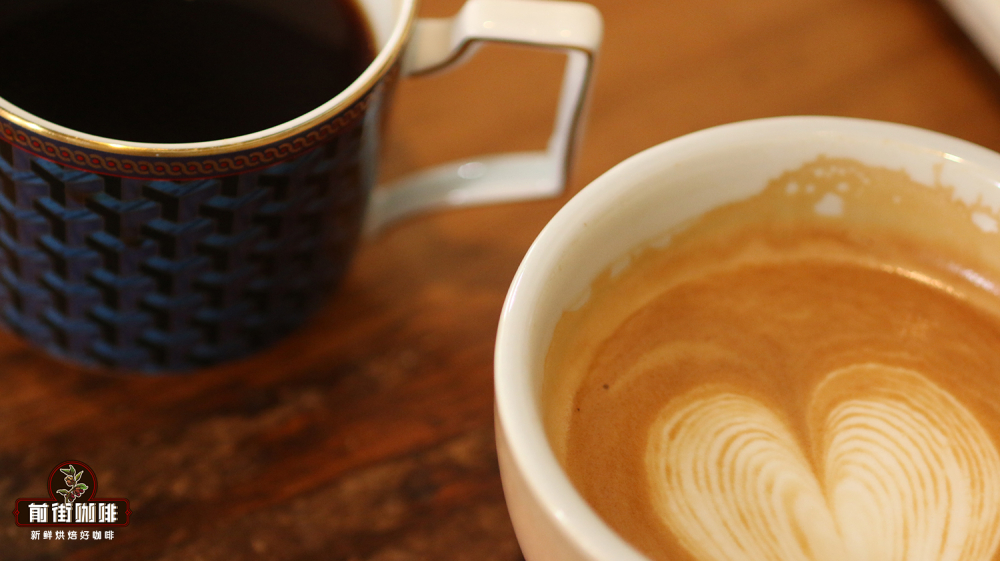
Common misconceptions include:
1. Directly using the roasting curve of pour-over beans (easily leads to under-extraction)
2. Using too fine a grind causing channeling (check whether the crema shows a tiger-stripe pattern)
3. Improper milk ratio (for SOE lattes, a coffee-to-milk ratio of 1:3 to 1:4 is recommended)