Semi-Dry vs Honey Process Coffee Beans: Flavor And Brewing Guide

Introduction: Semi-dry and honey processing are two closely watched specialty coffee processing methods. They sit between traditional natural and washed processing, yet they can present entirely different layers of flavor. This article analyzes the core differences between these two techniques in depth, from the proportion of pectin retained to drying duration and ultimately the final flavor expression, to help you choose based on your taste preferences, and provides professional brewing parameter references.
Semi-dry processing, as a transitional approach between washed and natural, is often subdivided into two major branches: pulped natural and honey processing. Although both begin by removing the outer skin of the coffee cherry, they skip the washing stage's tank fermentation and clean-water rinsing, and instead go directly into the sun-drying process. This key difference creates a sharp contrast in their flavor directions—the former is closer to the intensity of traditional natural coffee, while the latter derives rich layers of sweetness from the degree of pectin retention.
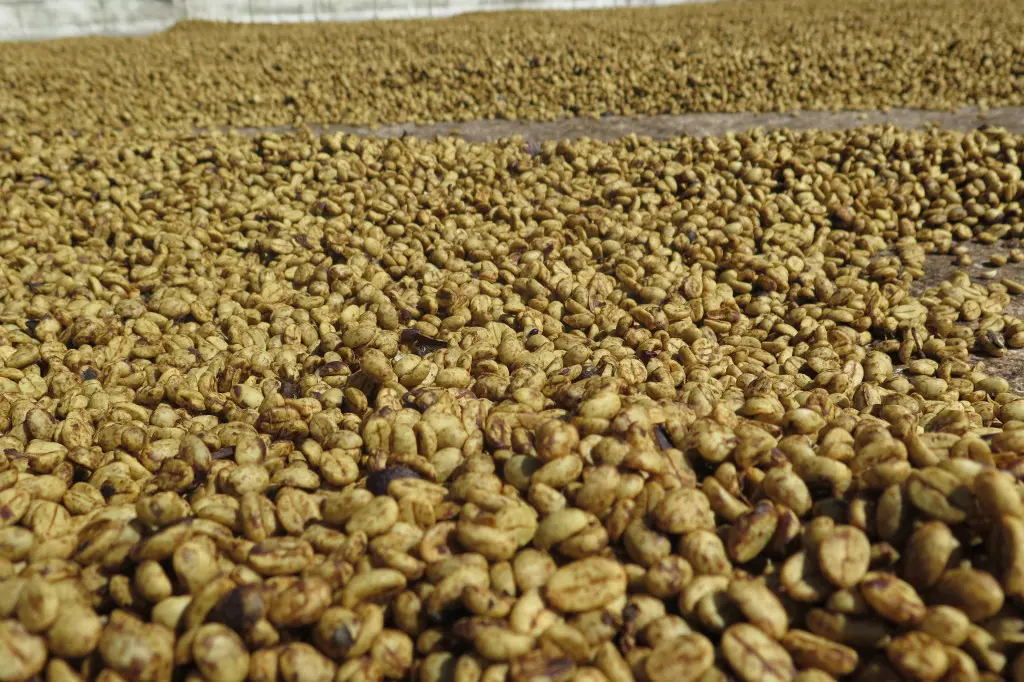
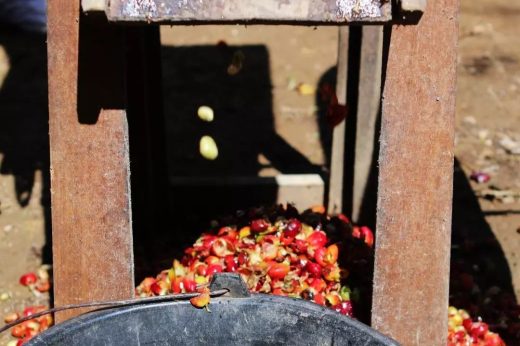
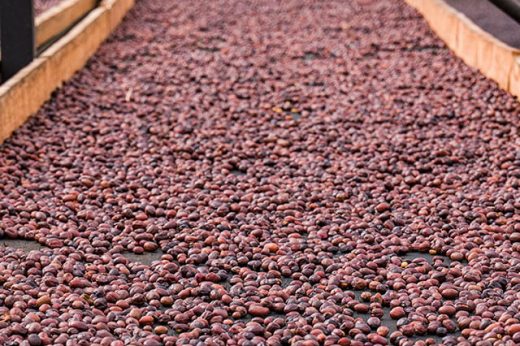
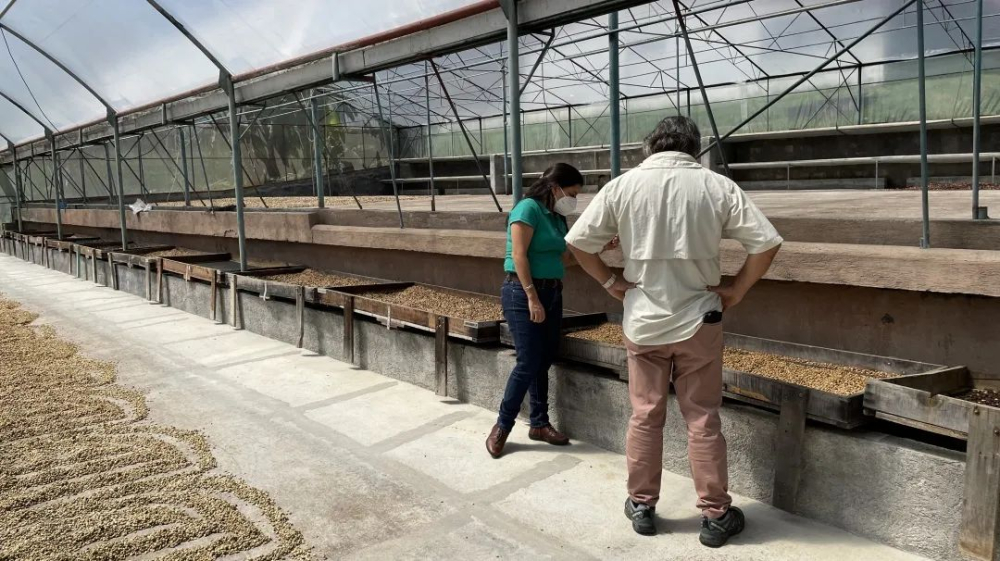
The standard semi-dry process begins with flotation screening: after removing unripe fruit by flotation, the outer skin and pulp are stripped off by a pulper, leaving only the viscous pectin layer wrapping the coffee beans. The mucilage-covered fruit is then spread out in the sun to dry, and hulling takes place once the moisture content drops to 10.5%-12%. The whole process saves about 60% of the water used in washed processing, and because it eliminates the need to maintain fermentation tanks, it significantly lowers production costs. It is worth noting that this method was widely used in Brazil in its early days, and its simplified operational characteristics made it a preferred option for large-scale commercial processing.
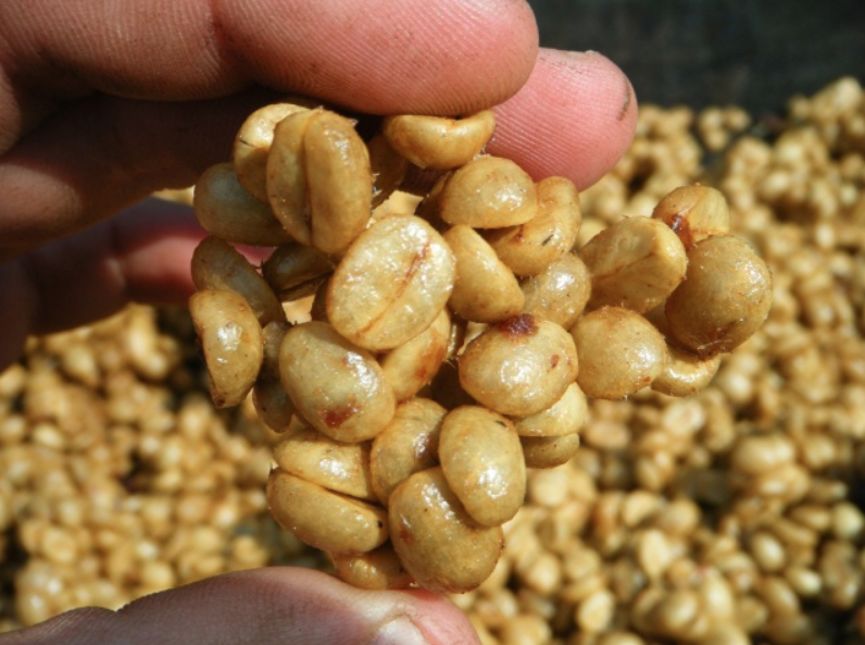
This technique has three practical advantages: first, flotation and secondary screening ensure uniform fruit ripeness, laying the foundation for stable coffee flavor; second, the shortened drying cycle (usually 10-15 days) improves overall production efficiency; finally, partial retention of the pectin layer preserves the full-bodied character of natural coffee while avoiding the defective flavors produced by over-fermentation. Typical semi-dry coffees often show a nutty base with a caramel finish, soft acidity and noticeable sweetness.
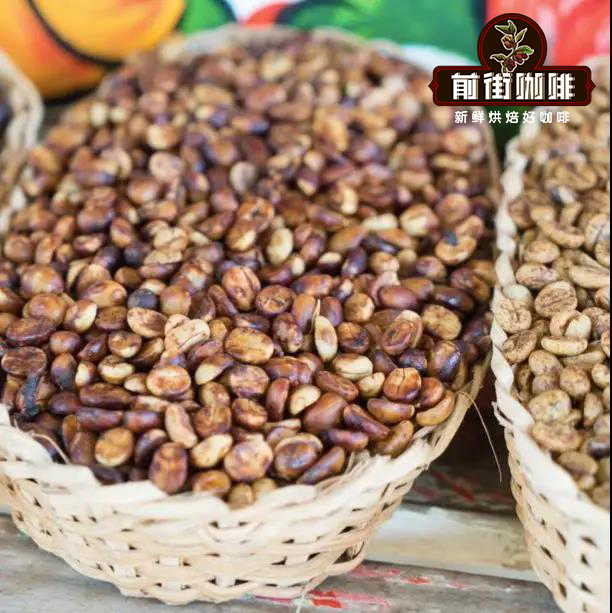
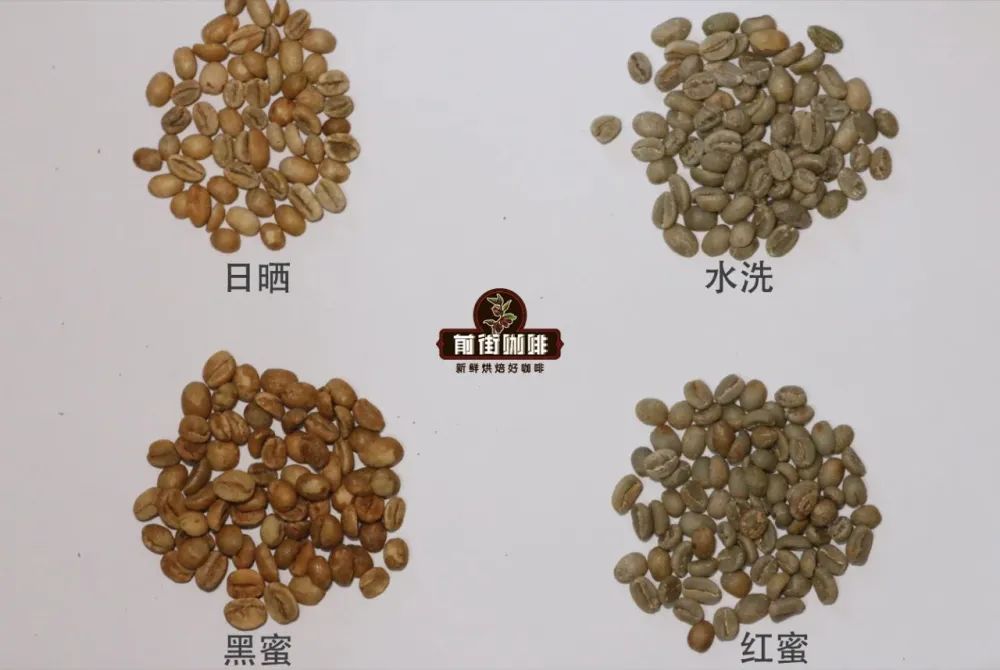
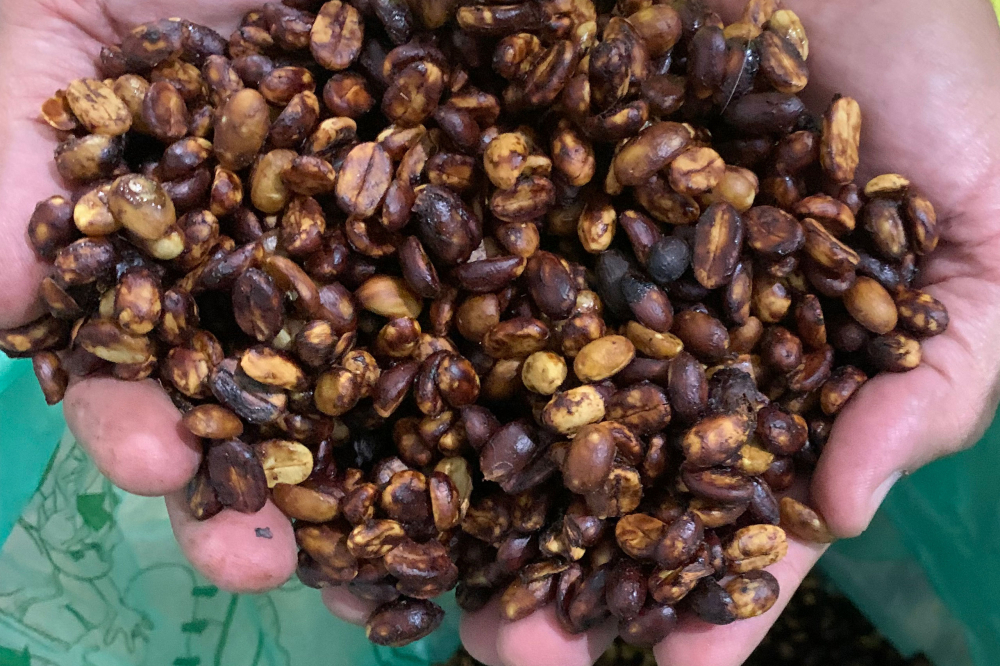
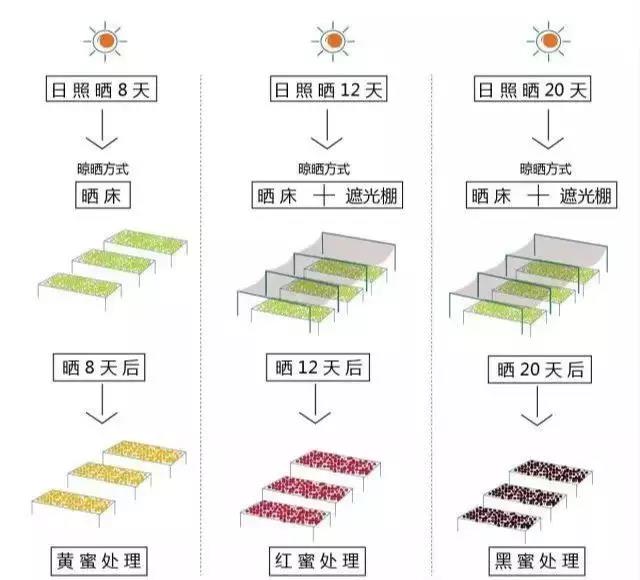
Honey processing originated as an agronomic innovation in Costa Rica and is essentially a refined improvement on semi-dry technique. Its core variable is the precise control of how much pectin is retained—producers directly shape the final flavor profile by adjusting the pectin retention ratio (yellow honey 60%/red honey 75%/black honey nearly 100%) and the sun-drying environmental parameters. For example, black honey processing requires drying in complete darkness for as long as 25 days or more, creating deep caramel sweetness and rich fruit notes; while yellow honey, due to short exposure to strong sunlight (7-10 days), presents brighter citrus notes.

The grading system directly reflects processing differences: yellow honey beans, due to rapid drying (single-layer exposure), have fresh acidity and suit people who prefer a crisp mouthfeel; red honey extends drying under shade to 18-22 days, balancing sweetness and complexity; black honey uses thick layered piles and low-light conditions to cultivate a chocolate-like rich texture, but requires more than 30% extra labor cost. This grading mechanism both meets diverse market demands and reflects producers' trade-offs between quality and economic benefit.
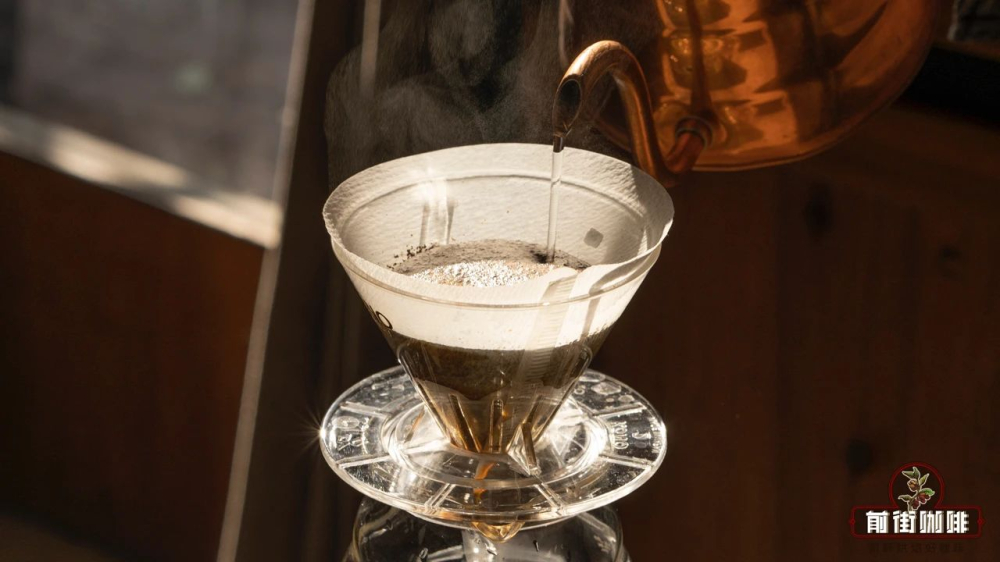
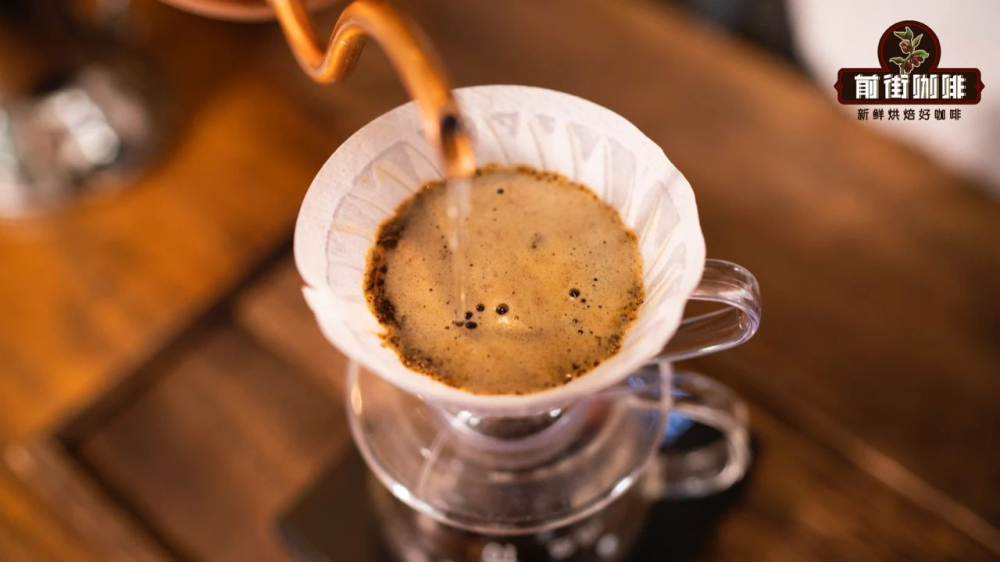
For actual brewing, semi-dry coffee is best suited to a medium-dark roast level to bring out nutty and chocolate base notes, paired with a water temperature of 88-89°C to avoid over-extraction that produces woody off-flavors. In terms of dripper choice, immersion-capable devices such as the Kono can effectively slow the flow rate; combined with a medium-coarse grind (70-75% passing through a No. 20 sieve) and a 1:15 coffee-to-water ratio, this fully releases the full-bodied mouthfeel. A staged pouring strategy (first 30 g bloom, then progressive pours of 95 g + 100 g) helps ensure even extraction.
Honey-processed coffee is better suited to showcasing floral and fruity notes: Geisha varieties after honey processing often give off a complex aroma of cherry and oolong tea, and at this point the extraction temperature should be raised to 90°C and switched to a fine grind (80% passing through a No. 20 sieve). In terms of pouring technique, shorten the interval between pours after blooming (first 30 g, then continuous pours of 95 g + 100 g), with total time controlled at around 1 minute 50 seconds, which can strengthen the bright citrus and stone-fruit flavor layers. Whichever processing method you choose, stable water quality (TDS 150-200 ppm recommended) and freshly roasted coffee beans (7-21 days after roasting) are the key prerequisites for flavor expression.
Consumers should note when buying: honey-processed beans often have visible pectin residue on the surface (especially obvious with black honey), so storage should avoid damp environments to prevent mold. Semi-dry beans, because they are thoroughly dried, have a relatively longer shelf life but need protection against excessive oxidation. Professional roasters recommend that the best flavor period for semi-dry beans is 10-14 days after roasting, while honey-processed beans can be extended to 14-21 days, during which flavor development is most active.
From the perspective of process evolution, honey processing can be seen as the crystallization of coffee farmers' wisdom—by minimizing equipment modifications (only needing to adjust the parameters of the mucilage remover), it achieves both quality and efficiency gains. Semi-dry processing, meanwhile, thanks to its adaptability to industrialization, continues to provide a reliable solution for large-scale production. Understanding these differences not only helps coffee enthusiasts make precise choices based on personal taste preferences, but also provides a practical basis for further exploring how processing methods shape flavor.
Whether you seek the rich fullness of semi-dry or favor the layered complexity of honey processing, the key is matching the right brewing plan. Remember: stable parameter control (water temperature, grind size, time) and fresh coffee beans are always the cornerstone of presenting the flavors of a quality processing method.
The next time you buy coffee beans, take a look at the processing method noted on the packaging—those details about pectin retention ratios and drying times are the first key to unlocking the flavor code.
From the sun-drying yards of Brazil to the shade frames of Costa Rica, every processing technique carries the crystallization of regional characteristics and agronomic innovation. Through the analysis in this article, we hope you can more confidently find your ideal cup between the warm richness of semi-dry and the bright fruitiness of honey processing.