From Green Bean to Cup: The Full Coffee Process and Roasted vs. Raw Bean Guide
Introduction: Understanding the full process of coffee from cultivation to brewing not only improves your tasting ability but also helps you choose beans that suit your flavor preferences. This article explains the key stages of green coffee processing, roasting, grinding, and brewing, compares the core differences between raw and roasted beans, and provides practical parameter references. Whether you are a beginner or looking to optimize your home brewing setup, you can gain a professional-level knowledge upgrade from it.
In modern coffee culture, the journey from an unremarkable green bean to an aromatic cup is a series of closely linked, finely tuned processes. This transformation involves not only agricultural harvesting but also precise control of roasting curves and extraction parameters—understanding these stages is the key to unlocking coffee's diverse flavors.
[From Fruit to Green Bean: Processing Determines the Base Flavor] Coffee cherries reach their best harvest period when they turn bright red, and their fleshy part has a fresh sweetness similar to melon. After the pulp is removed, the green beans are processed through three main methods: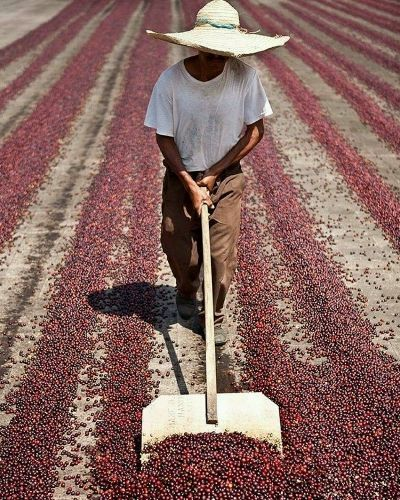 The natural process dries the whole fruit directly in the sun (usually 10-20 days), giving a berry-like fermented character but tending to leave earthy notes; the washed process first removes the pulp, then ferments and washes, producing beans with bright acidity and high cleanliness; hybrid methods (such as honey processing) fall between the two, balancing sweetness and body by retaining part of the mucilage layer.
[Roasting Chemistry: Temperature and Time Shape the Flavor Spectrum] Green beans have a moisture content of about 11%-13%, and during roasting, Maillard reactions and caramelization occur inside.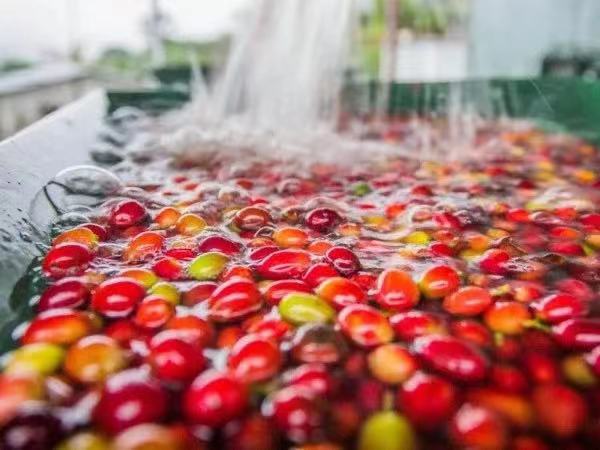 Light roast (before the dense stage of first crack) retains more floral and fruity acidity and original flavor; medium roast (mid first crack) balances acidity and bitterness and develops caramel and nutty notes; dark roast (after second crack) produces chocolatey bitterness and a heavy body. Professional advice for home roasters: record the rate of rise for each batch (recommended 5-8°C per minute) and the time to yellowing (usually 5-7 minutes).
[Grind Adaptation: Key Parameters for Matching Equipment] Grind size should be adjusted according to the brewing method: a French press suits coarse sugar-like particles (800-1000μm), pour-over recommends medium-fine (400-600μm), and espresso machines require flour-level fineness (200-300μm).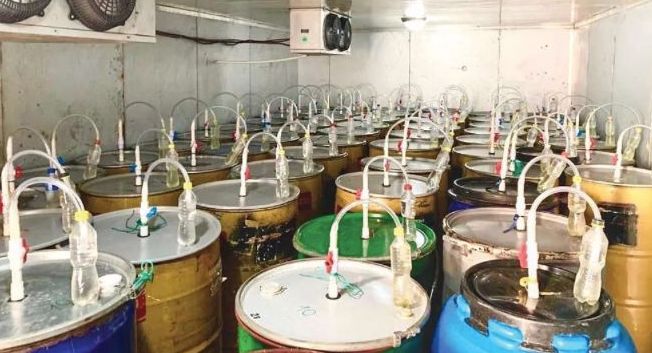 Note that carbon dioxide release from freshly roasted beans (7-21 days after roasting) affects extraction; it is recommended to store them in one-way valve packaging after the resting period.
[The Art of Brewing: Mastering the Golden Extraction Range] The ideal extraction yield should fall in the 18%-22% range, with a coffee-to-water ratio of 1:15 to 1:18. For pour-over, a pouring speed of 2-3 milliliters per second is recommended, with water temperature controlled at 90-96°C (use higher temperatures for light roasts and slightly lower for dark roasts). Common mistakes include unstable water flow causing channeling, or insufficient pre-infusion leading to uneven extraction.
[Essential Differences Between Raw and Roasted Beans] Unroasted green beans are grass-green to blue-green, hard in texture, and almost odorless;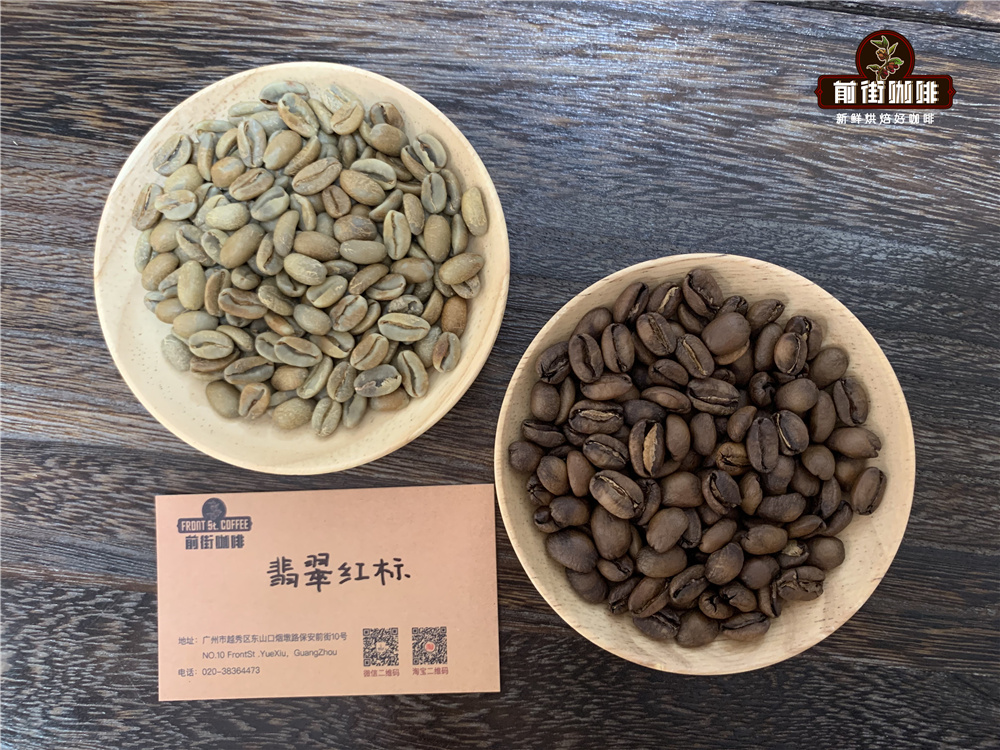 after high-temperature roasting, the beans expand to more than 1.5 times their original volume, become oily on the surface, and give off a rich nutty/caramel aroma. Important note: green beans cannot be ground and brewed directly; their hard fibrous structure will cause serious wear to machines and cannot release effective flavor compounds.


