Blends vs. SOE for Americano: A Beginner's Bean Guide and Extraction Parameters
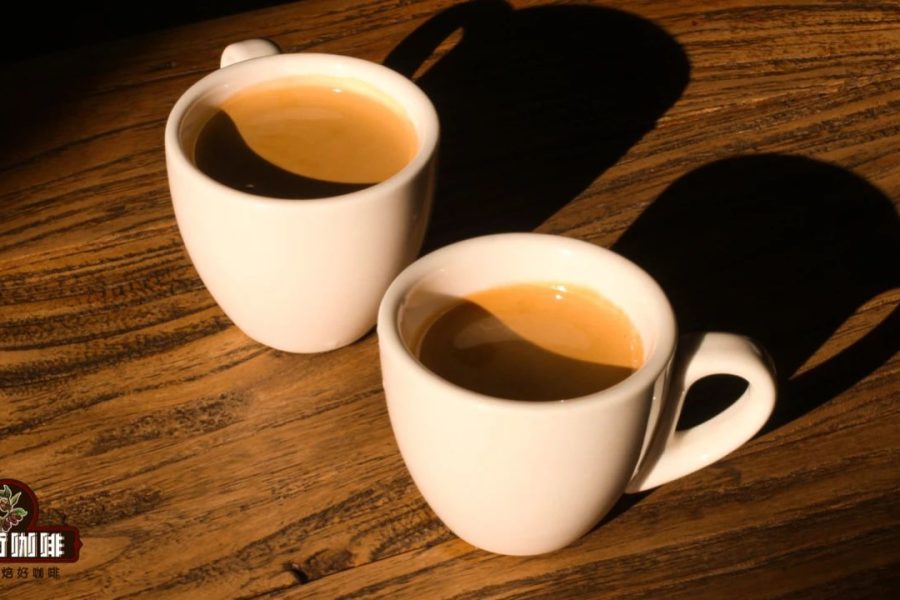
Introduction: Faced with the blends and single-origin SOEs common in cafés, many beginners wonder which is better suited to making Americano. Starting from the core parameters of espresso, this article compares the flavor differences between the two types of beans, explains the stability advantages of blends and the distinct character of SOE, and provides key parameter references for home extraction, helping you make a cost-effective choice based on your taste preferences and equipment conditions.
Today, café espresso machines mainly use two kinds of coffee beans: blends or single-origin espresso SOE. What is the difference between the Americanos they make? To understand this, you first need to know the basic characteristics of espresso—a coffee extracted under high pressure that pursues a rich, full-bodied, low-acidity, balanced taste, where the richness of the crema layer directly affects the flavor expression. Common milk coffees such as lattes and cappuccinos are all made by adjusting the ratio on an espresso base.

Making a standard espresso requires strictly meeting the following conditions: volume 25-35ml, extraction water temperature 90.5-96°C, pump pressure 8.5-9.5 atmospheres, with extraction time recommended to be controlled at 20-30 seconds. But these parameters are extremely difficult for home users to control precisely, which is why professional coffee machines have become standard equipment in cafés.

Espresso blends are made by professionally blending and mixing coffee beans from different origins and processing methods, with the goal of balancing flavor and ensuring rich crema. Traditional blends often use medium to medium-dark roasted beans, using the regional characteristics of different bean types to complement each other—for example, using beans with high body to balance acidity, or high-crema beans to enhance mouthfeel fullness. This blending method can stabilize output quality and avoid flavor fluctuations in single origins caused by climate and vintage differences, making it especially suitable for beginners with limited extraction experience.

Americano made from blends usually presents a full-bodied base with lower acidity. For example, a common three-origin blend might combine the rich bitterness of Southeast Asian beans, the nutty notes of South American beans, and the slight sweetness of African beans, achieving a layered mouthfeel by adjusting the proportions. If home users want to try making it themselves, it is recommended to prioritize blend products labeled "for espresso" and note that the grind size needs to match the coffee machine's dose system (usually finer than pour-over).
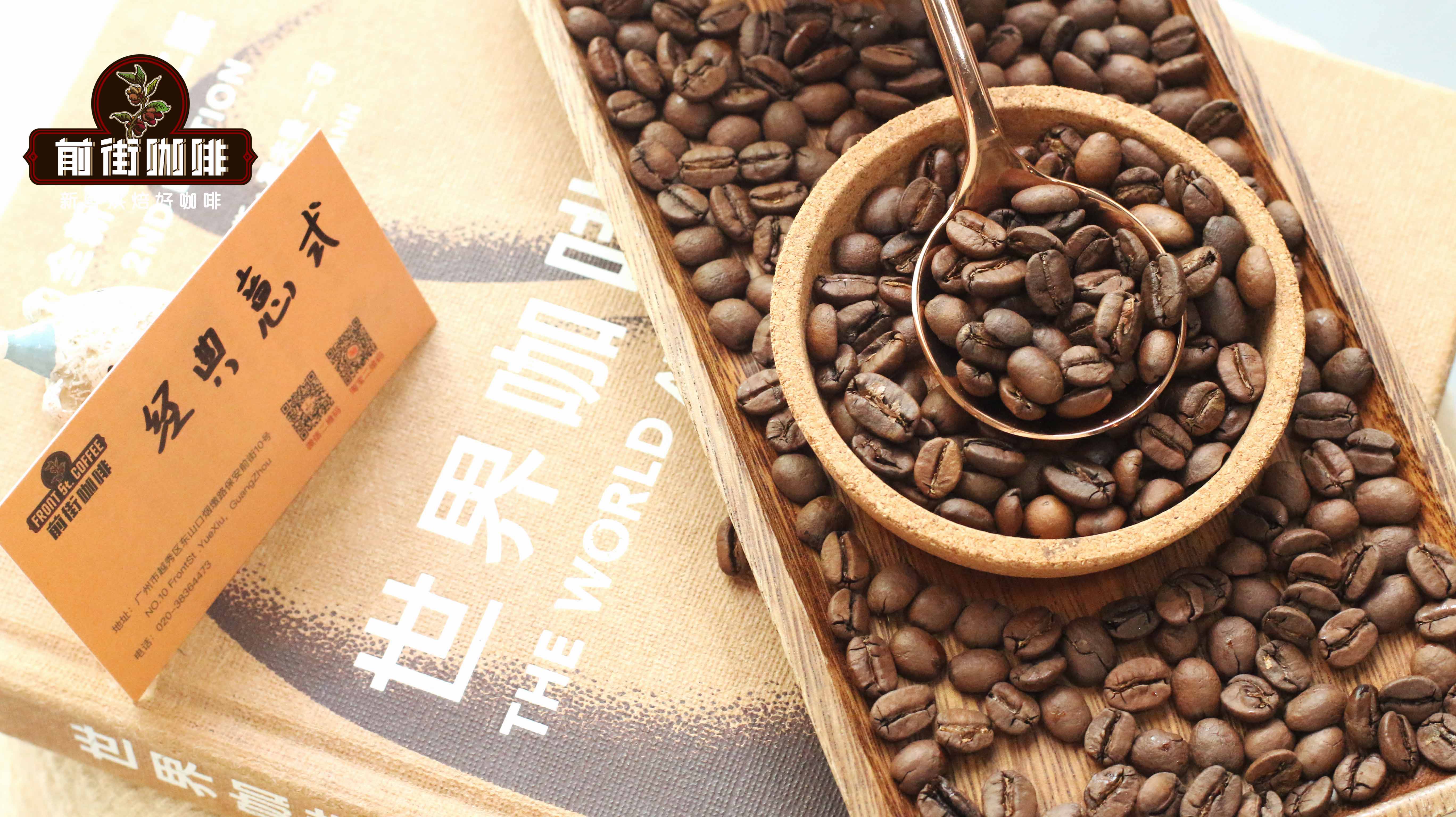
Single Origin Espresso (SOE) uses coffee beans from the same origin, estate, or processing method, and can highlight distinct regional characteristics. For example, an Ethiopian SOE may have bright acidity such as citrus and floral notes, while a Colombian SOE is dominated by caramel and dark chocolate flavors. When using SOE to make Americano, the sweet-and-sour sensation is more direct, but note that its crema stability may be weaker, and its tolerance for extraction parameters (such as water temperature and pressure) is lower.
If beginners prefer fruity notes, they can choose a light-to-medium roast SOE to make Americano, but need to adjust the extraction time to 25-30 seconds to avoid excessive sharpness; if pursuing a stable taste, a medium-dark roast blend is still the safer choice. Whichever type of bean, freshness is crucial—it is recommended to choose beans within 7-21 days after roasting, and store them away from light, sealed, and laid flat.

In home scenarios, you also need to pay attention to the compatibility of the coffee machine. If the equipment pressure is insufficient (below 8 atmospheres), you can appropriately extend the extraction time or adjust to a finer grind; if the water temperature is low (below 90°C), it is recommended to preheat the portafilter and server to improve the overall extraction environment. Regularly cleaning the oil residue on the portafilter basket and filter basket can also prevent off-flavors from affecting the final taste.

In summary, blends are suitable for beginners who seek stability and low maintenance costs, especially for pairing with milk drinks; SOE can provide more possibilities for consumers willing to explore flavor layers, but places higher demands on equipment precision and operating skills. Only by weighing flavor preferences and operational difficulty according to your own needs can you find the bean that suits you best.