Ice pour-over coffee guide: adjusting coffee-to-water ratio and grind size
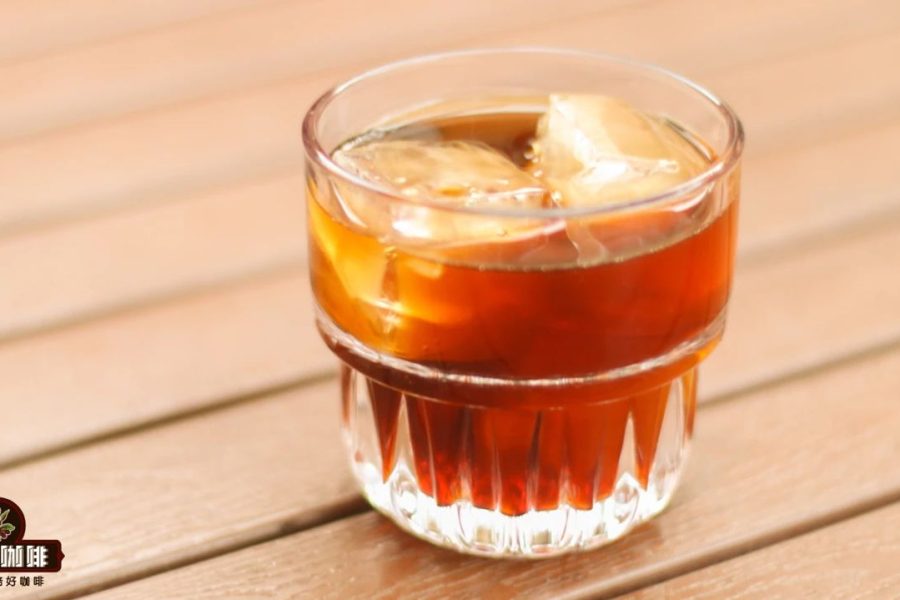
Introduction: On hot summer days, a glass of refreshing iced pour-over coffee both wakes you up and delivers a rich flavor experience. But many beginners making it at home often run into the problem of coffee that tastes thin and watery. This article explains the key techniques for iced pour-over coffee in detail, including how to avoid over-dilution by adjusting the coffee-to-water ratio, precisely controlling the amount of ice to keep flavor consistent, and flexibly adjusting grind size and water temperature according to your equipment. Once you master these practical parameters, you too can easily brew a layered iced pour-over coffee.

As temperatures climb, iced pour-over coffee becomes the first choice for many coffee lovers thanks to its refreshing taste. But many people trying it at home wonder why their own results always seem thin, as if diluted with water. In fact, the key to solving this problem lies in mastering the adjustment techniques for a few core parameters.

It starts with bean selection: beans with different processing methods deliver very different iced-brew results. If you prefer fresh floral and fruity notes, choose light-roast beans with citrus aromas; these beans show bright lemon acidity and jasmine florals. If you love tropical fruit flavors, varieties with berry notes are a good choice, offering a sweet-tart balance of passion fruit and grape after brewing. For those seeking a fuller body, dark-roast varieties are recommended, as their prominent caramel and chocolate finish stands out even more at low temperatures.

The first thing to adjust is the key parameter of coffee-to-water ratio. The 1:15 ratio commonly used for traditional hot pour-over leads to insufficient strength in iced brewing—once the ice melts, the originally moderate strength is heavily diluted. The solution is to reduce the initial coffee-to-water ratio to about 1:10, offsetting the dilution effect of the ice by increasing the concentration of the coffee liquid itself. In practice, it is recommended to first determine your target drinking volume, then work backward to calculate the required amount of coffee grounds.

Precise control of the ice amount is equally important. To achieve consistent flavor, follow the principle of a 1:15 total coffee-to-liquid ratio (the total weight of coffee grounds plus the final coffee liquid and ice). Specifically, first calculate the coffee liquid volume according to your target coffee-to-water ratio, then subtract the coffee liquid volume from the total weight to get the required ice amount. For example, with 15 grams of coffee grounds, if the planned total weight is 225 grams (15×15) and the expected coffee liquid yield is 125 grams, then 100 grams of ice should be added. This calculation helps you avoid flavor imbalance caused by adding ice blindly.

Grind size adjustment is an easily overlooked step. Because the coffee-to-water ratio is reduced, the extraction time shortens accordingly, so the grind should be made about 5% finer—equivalent to changing a grind where 80% passes a 0.85mm sieve to an 85% pass rate. But note that too fine a grind may cause channeling, so it is recommended to brew with a medium flow rate. If using a conical dripper, you can appropriately build up a taller bed of grounds to extend extraction time.

If your grinder cannot be adjusted finely, you can improve extraction efficiency through water temperature compensation. While keeping the original grind size, raise the brewing water temperature by 2-3°C (for example, from a usual 90°C to 92-93°C); this accelerates the dissolution of flavor compounds. But note that the water temperature should not exceed 95°C, or it may easily cause over-extraction and bitterness. If there are many fines, it is recommended to solve the problem first by adjusting the coffee-to-water ratio rather than blindly raising the water temperature.

The pairing of ice and coffee-to-water ratio is not a fixed formula. A 1:10 ratio suits those who prefer strong, layered flavors, delivering pronounced fruit acidity and a full body; those who prefer a milder taste can choose a 1:12-1:13 ratio for a more balanced sweet-tart profile; and in extreme cases, some even use a 1:15 ratio to make an extremely light iced pour-over that is almost like an iced Americano. When trying it for the first time, it is recommended to start from 1:11 and adjust gradually according to your actual impressions.

Finally, a few common pitfalls to keep in mind: avoid crushed ice or the hard ice cubes made by ice machines; round ice cubes made from purified water are recommended, as they melt more evenly. When pouring, it is recommended to pour slowly into the center to prevent the ice from melting quickly; after extraction, let it rest for 30 seconds so the ice melts moderately, yielding a more balanced taste. Once you master these details, you can flexibly adjust the iced pour-over recipe that best suits your personal taste preferences.


