Global Coffee Bean Price Surge: How Brazil's Drought and Supply Chains Push Arabica Prices Higher
Introduction: International coffee bean prices have continued to rise recently, with Arabica varieties showing particularly significant gains. This article provides an in-depth analysis of the impact of Brazil's once-in-a-century drought on production, the logistics bottlenecks in Colombia and Vietnam, and how investor stockpiling has exacerbated market volatility. Through key producing region data and industry forecasts, it reveals the underlying reasons for rising coffee costs and offers reference for consumers and industry professionals.
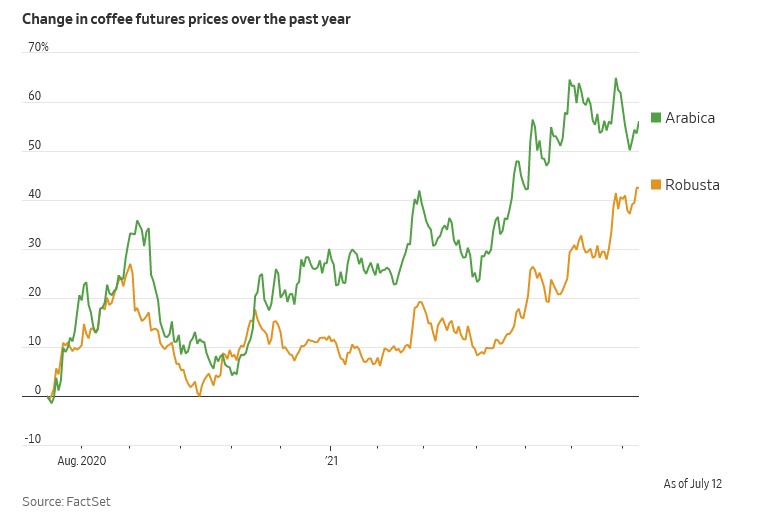
Global coffee market prices are experiencing a new round of sharp increases, with the once-in-a-century drought in Brazil, the largest coffee-producing country, as the main driver. Data shows that Arabica coffee futures on the New York exchange rose more than 18% over six months to $1.51 per pound, while Robusta futures in London climbed over 30%, hitting a two-year high.
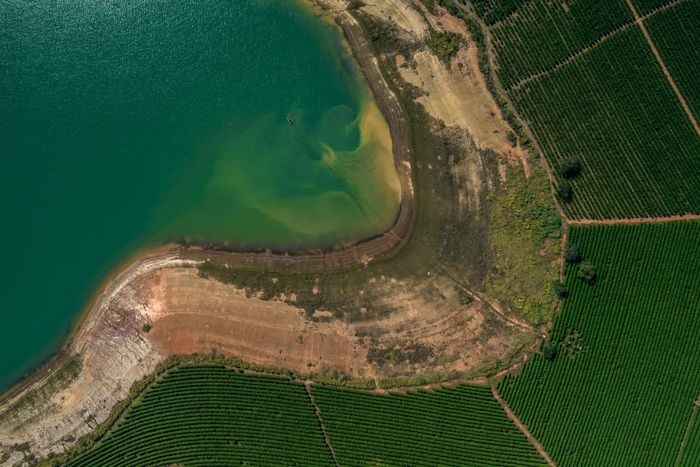
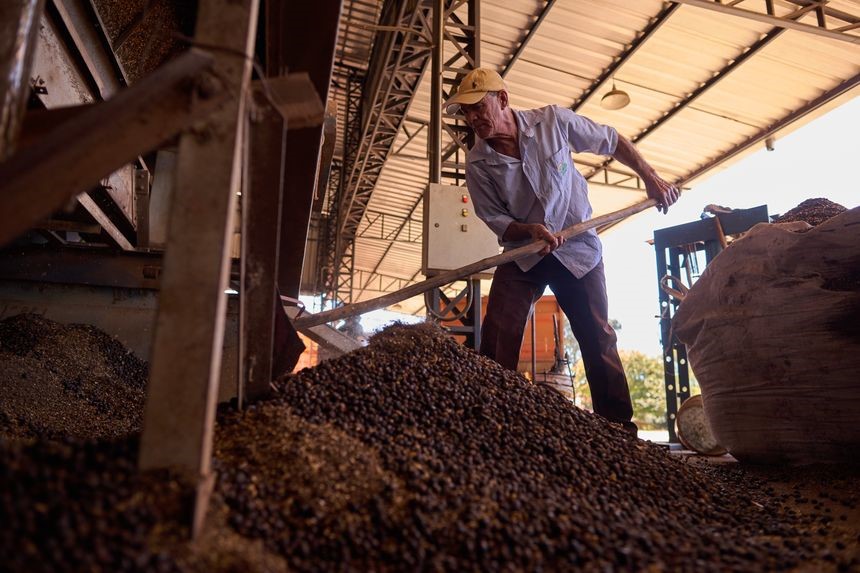
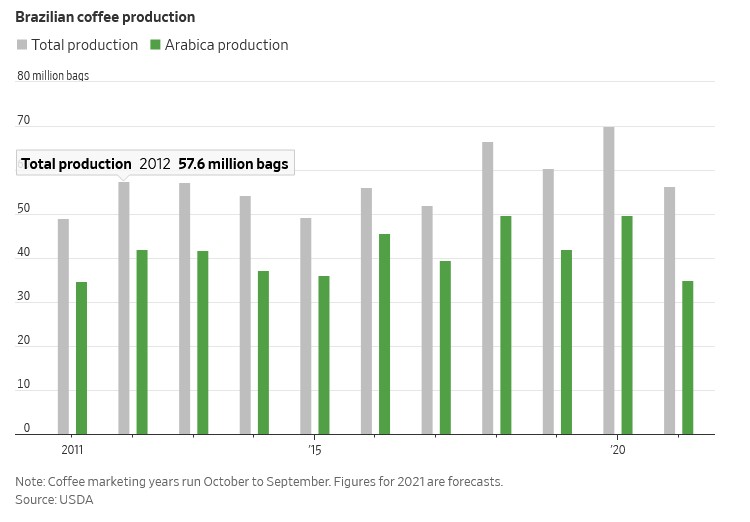
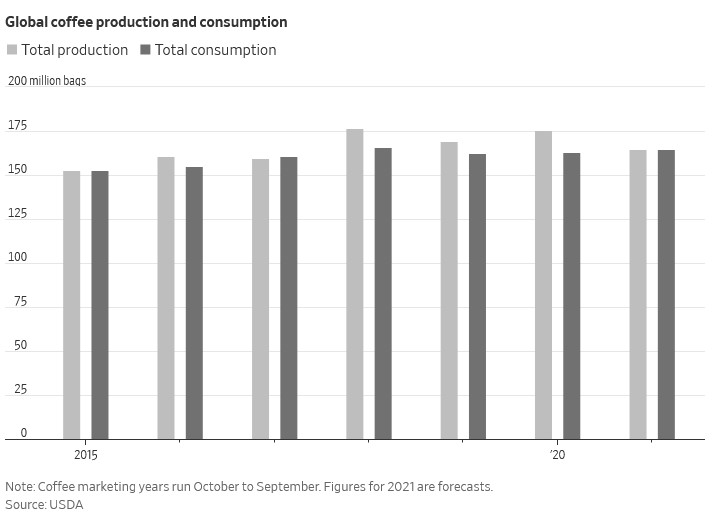
Brazil's extreme drought has had a devastating impact on coffee cultivation. Local coffee farmers describe completing this year's harvest in just one month what normally takes three months, showing a severe decline in crop maturity and yield. A USDA report shows that Brazil's 2021 coffee production will see its largest year-on-year drop since 2003, with Arabica expected to fall nearly 15 million bags (132 pounds each) compared with 2020. Rabobank and commodity agencies estimate even larger declines, at 17 million and 23 million bags respectively, highlighting the severity of the disaster.
It is worth noting that global coffee demand is gradually recovering. As pandemic controls ease, the reopening of the food service sector is driving a rebound in cafe consumption. The USDA forecasts global coffee consumption in 2021 at 165 million bags, up 1.8 million bags from the previous year, while production is estimated at only 164.8 million bags, and the supply-demand gap is further pushing up market prices.
Brazilian coffee farmers face dual pressure: the current production cut has already consumed large inventories, and autumn rainfall becomes a key variable. Industry analysts point out that spring rain, which usually appears in September, will directly affect the recovery of coffee trees; insufficient rainfall could lead to continued production declines next year.
Beyond Brazil, supply chain problems in Colombia and Vietnam are also exacerbating market tension. In Colombia, large-scale protests triggered by domestic tax reform blocked major transport roads, delaying coffee exports for months. Although traffic gradually resumed at the end of June, the industry expects it will take at least two months to make up for earlier losses.

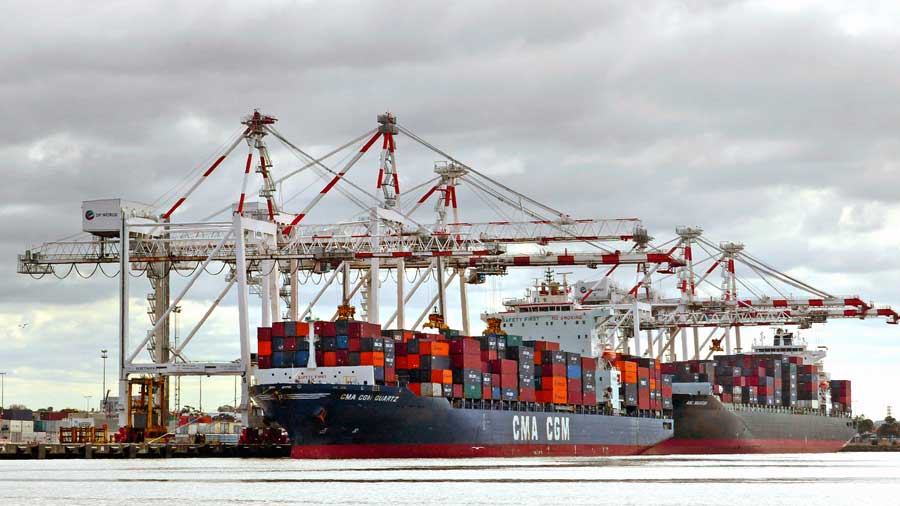
Vietnam, meanwhile, is hampered by the global container shortage. As a major Robusta-producing region, the country relies on container shipping for its coffee, but tight capacity and soaring freight rates have sharply reduced export efficiency. Large quantities of goods are stranded at ports in Asia and the United States, further restricting market supply.
Speculative behavior in capital markets also cannot be ignored. To hedge against inflation risk, investors continue to increase holdings in commodity index funds including coffee, and this demand for physical asset allocation has objectively pushed up futures prices. Market observations show that the commodity investment boom is unlikely to fade in the short term and may continue to affect coffee price trends.