Five main reasons global coffee prices keep rising: from climate to supply chains
Introduction: In recent years, global coffee prices have fluctuated frequently, and both growers and consumers have felt the cost pressure. This article provides an in-depth analysis of the five core factors driving coffee price increases, including the impact of climate change on growing belts, frequent extreme weather, escalating pest and disease risks, changes in labor structure, and disruptions in international shipping chains, helping readers understand the deeper logic behind the market.
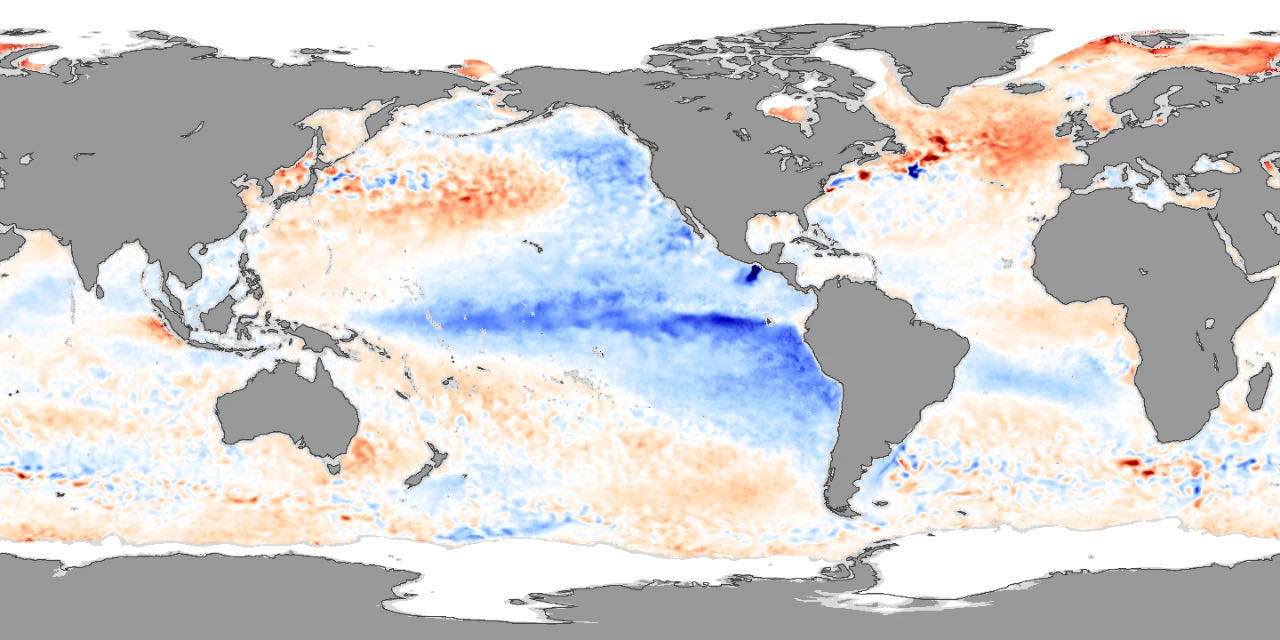
Since the Industrial Revolution, the rapid development of human civilization has depended to a large extent on the consumption of natural resources. This development model is now triggering a chain reaction—signs of imbalance in the Earth's ecosystem are becoming increasingly obvious. The La Niña climate event that began in late 2020 caused Brazil to experience its worst drought in a century, and then in May 2021 Yemen was hit by severe floods. Such climate anomalies have already posed severe challenges to the global agricultural system.
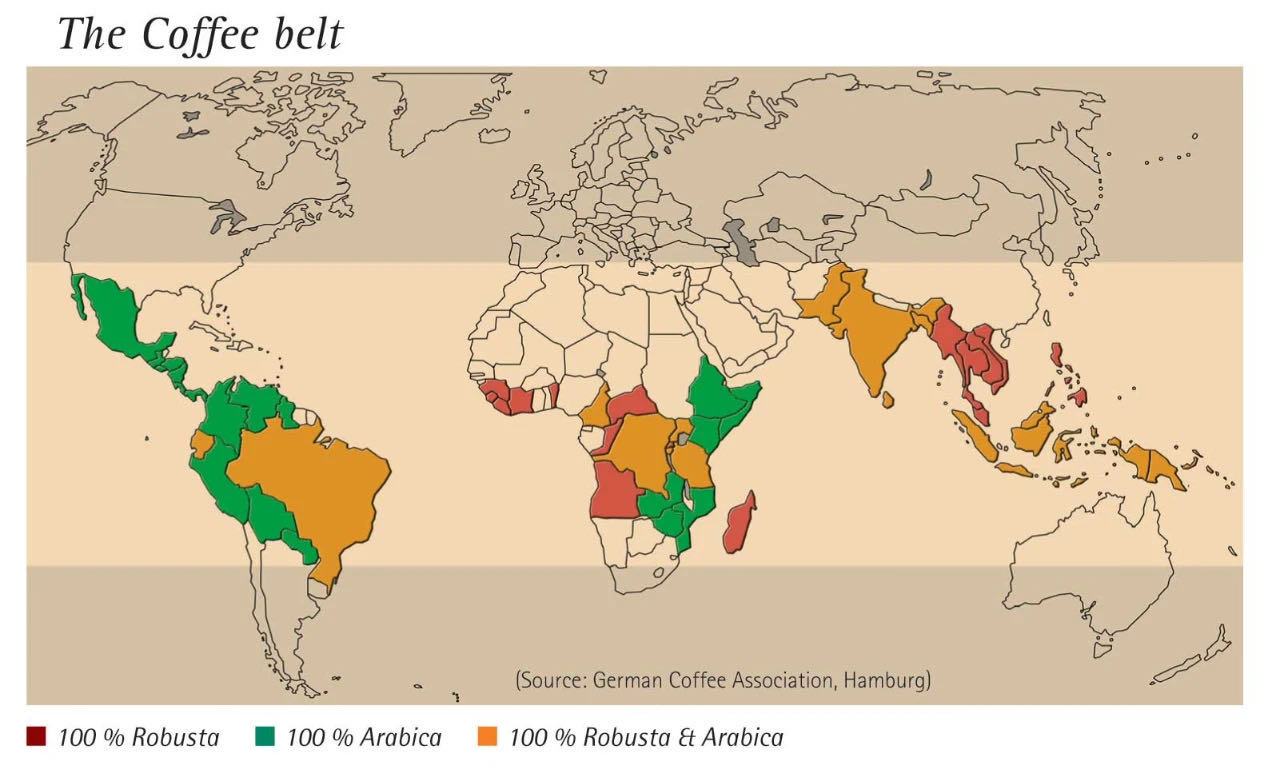
One of the most significantly affected categories is coffee. As an economic crop extremely sensitive to its growing environment, the coffee tree has very stringent climate requirements. The currently recognized "coffee golden growing belt" is located in the band between 20° and 30° north and south latitudes, covering about 70 major producing countries worldwide. The unique advantage of this region lies in its stable average annual temperature of 18-22°C, combined with distinct alternating dry and wet seasons and moderate air humidity.
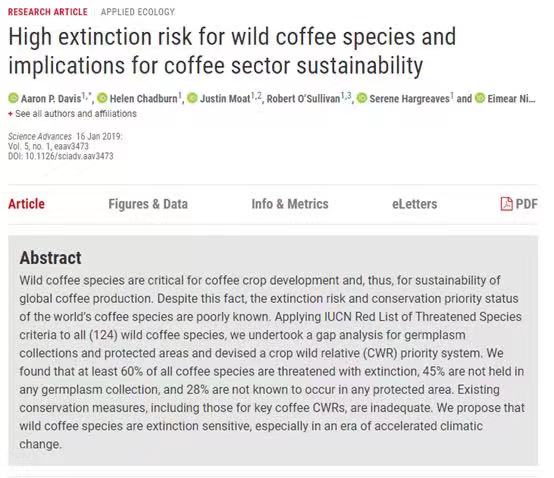
However, climate warming is rewriting this pattern. Scientific research shows that as the global average temperature continues to climb, the core areas suitable for growing Arabica coffee may migrate to higher altitudes. A 2019 research report in the journal Science Advances pointed out that, affected by climate change, 60% of existing wild coffee varieties face the risk of extinction. This loss of biodiversity not only affects future variety breeding but also directly threatens the sustainability of commercial cultivation.
The migration of growing areas brings multiple challenges: original producing regions may lose economic value because the climate is no longer suitable, leaving millions of growers facing pressure to transition their livelihoods; new producing regions need to re-establish a complete breeding system and cultivation technology standards. This transformation process often requires more than a decade of adaptation, during which output fluctuations are difficult to avoid.
In addition to temperature changes, disorder in climate patterns causes more direct harm. Traditionally, coffee cultivation has relied on a stable alternation of rainy and dry seasons, but the greenhouse effect has broken this natural rhythm. Abnormal weather occurs frequently—including earlier rainy seasons, intermittent droughts, and sudden floods—leading to chaotic coffee flowering periods. Observations have found that disordered climate can cause significant differences in the ripening period of coffee cherries, and fruits on the same plant may ripen in batches, greatly increasing the complexity and time cost of manual harvesting.
This harvesting difficulty directly pushes up production costs. When the ripening cycle is extended to 1.5 times the traditional cycle, not only does labor input double, but there is also the risk of overripe fruit rotting. Many small plantations, unable to bear the extra costs, are forced to give up fine management, ultimately affecting the overall quality and market value of the coffee beans.
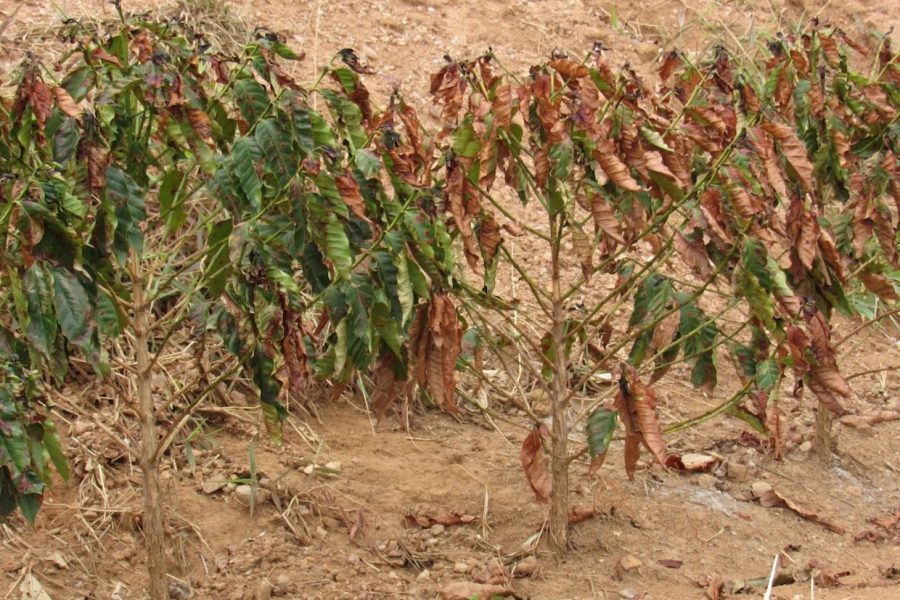
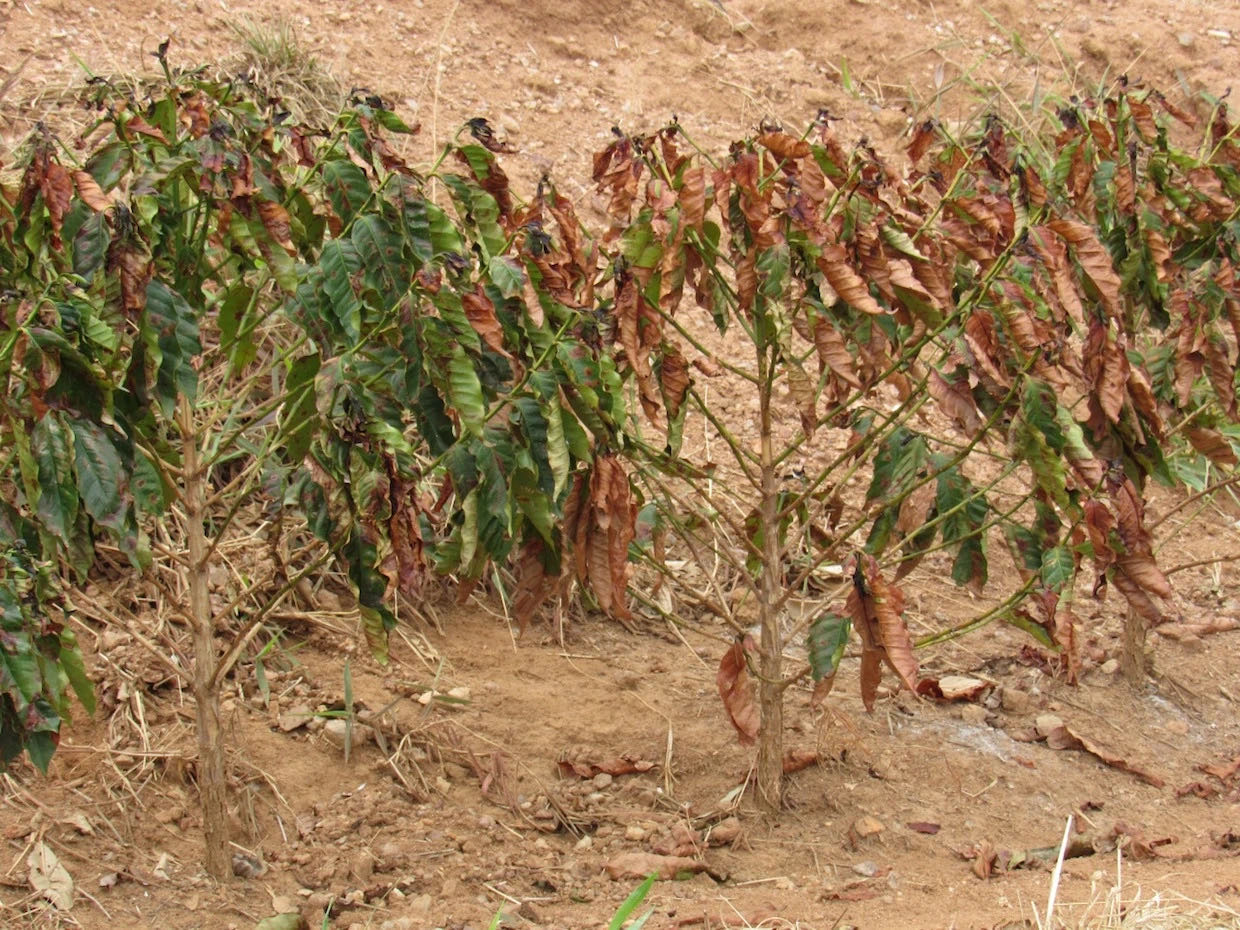
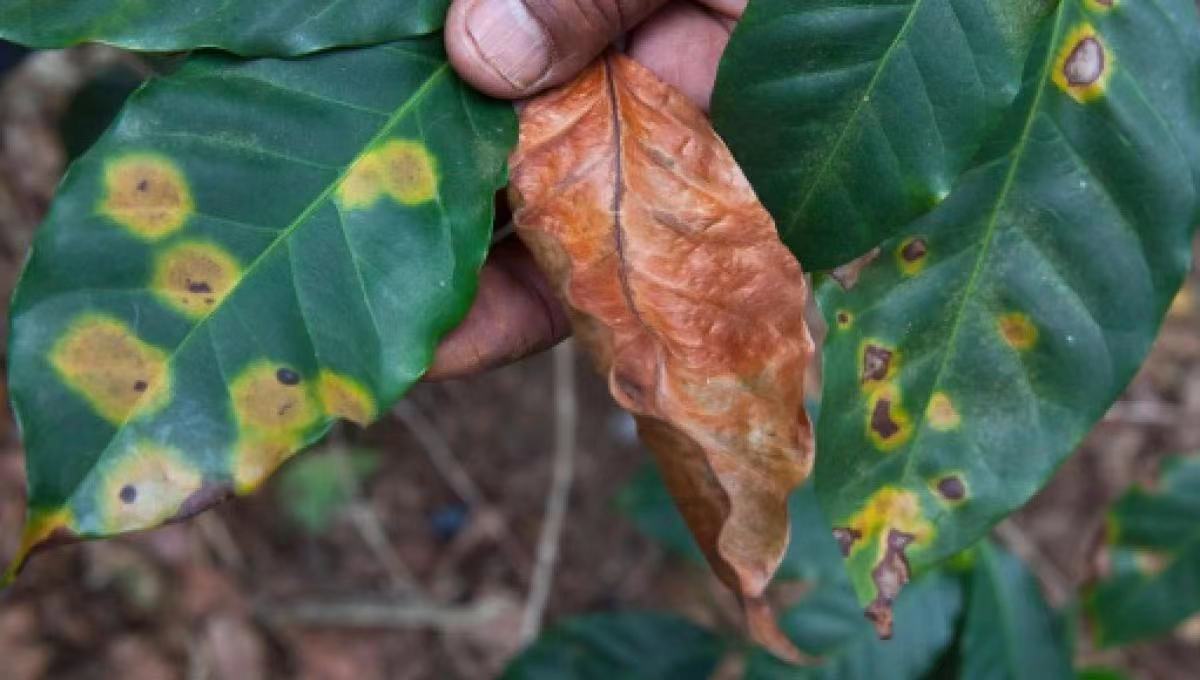
Rising temperatures also activate more threat factors. Research shows that when the ambient temperature exceeds 23°C, the reproduction speed of the coffee leaf rust pathogen (Hemileia vastatrix) increases significantly. This fungal disease erodes the photosynthetic tissue of leaves and can lead to the death of the entire plant in severe cases. At the same time, a warmer environment also encourages the reproduction of pests such as the coffee berry borer; these pests laying eggs inside the fruit leads to poor development of coffee beans, which not only reduces yield but also damages the formation of flavor compounds.
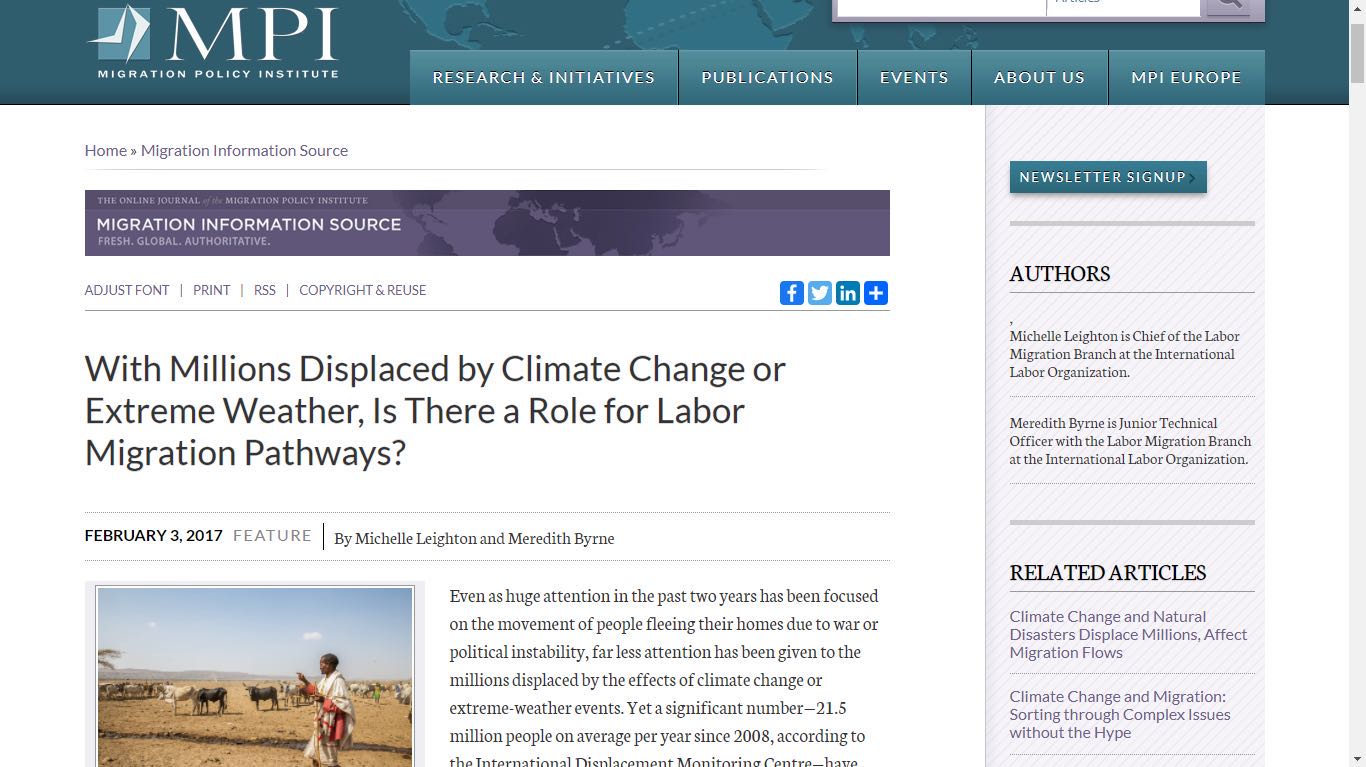
The labor issue also cannot be ignored. At present, about 60% of the world's coffee still relies on manual picking, and especially high-quality Arabica beans must be hand-sorted for ripe fruit. But extreme weather caused by climate change has already led to large-scale population migration. According to relevant research statistics, in 2017 alone more than 21 million people worldwide were forced to leave their homes due to climate disasters. This change in labor structure means traditional coffee-producing areas face the normalized challenge of seasonal labor shortages.
International shipping is likewise indirectly affected by climate change. As polar glaciers melt faster, global sea levels continue to rise, and shipping routes are forced to adjust. Port facilities face pressure for maintenance and upgrading due to seawater erosion, and ship berthing efficiency declines. Data show that climate anomalies have caused the loading and unloading delay rate at major coffee export ports to rise by about 15%-20%, and this supply chain fluctuation ultimately translates into a price premium in the end market.
Taking these factors together, it can be seen that the rise in coffee prices is not caused by a single reason, but is the result of multiple variables acting together: the climate system, agricultural production, the labor market, and logistics networks. For coffee industry practitioners, understanding these deep connections helps in formulating more effective risk response strategies; for consumers, recognizing the fragility of the industry chain can also foster more rational consumption concepts.


