Brewing Guide and Flavor Analysis of Brazil, Yirgacheffe and Mandheling Drip Bags
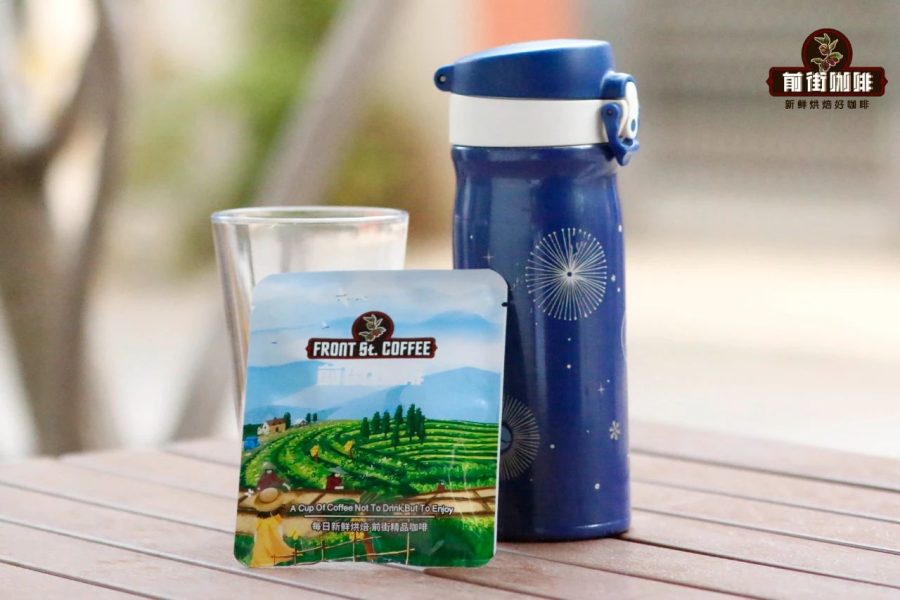
Introduction: From drip extraction principles to the flavor profiles of three classic origins, this guide helps you master the right way to brew drip bag coffee. It explains 88–90°C water temperature control, the three-stage pouring technique, and the golden 1:15 coffee-to-water ratio, taking you through the layered changes of Brazil's nutty notes, Yirgacheffe's citrus aroma, and Mandheling's rich, full-bodied flavor.
Drip Extraction: The Core Brewing Logic of Drip Bag Coffee
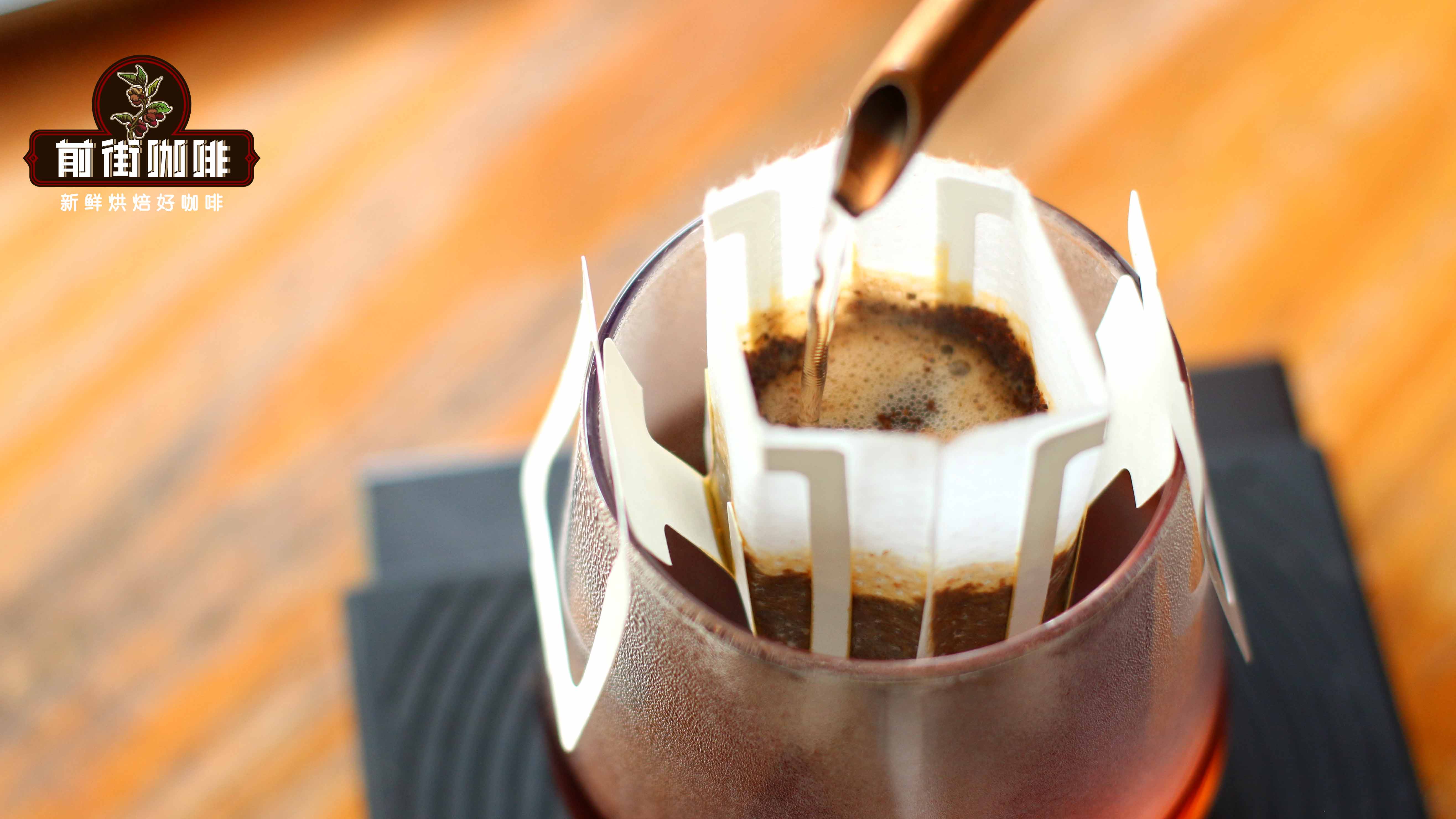
Drip bag coffee is essentially controlled drip extraction through filter paper. When hot water penetrates the coffee bed, flavor compounds are released with the water flow, and after the filter paper traps impurities, a coffee liquid with a steady flow rate is formed. This brewing method can preserve more than 85% of coffee's original flavor layers and makes concentration balance easier to control than immersion methods. Note that a single immersion should not exceed 90 seconds; otherwise, over-extraction will bring out undesirable woody-fiber off-flavors.
Flavor Map of Three Classic Origins
High-quality drip bags usually select single-origin beans: Brazil's Cerrado region produces mellow nutty and chocolate notes with a caramel finish; Ethiopia's Yirgacheffe is known for bright citrus acidity and jasmine aroma, suiting those who prefer a fresh taste; Sumatra Mandheling presents unique herbal spice and dark chocolate sweetness, and its low-acidity character makes it a preferred base for milk coffee. Different origins have significant differences in grind size and water temperature requirements.
Precise Temperature Control: Water Temperature Determines Flavor Direction
For finely ground drip bag coffee (about 80% passing through China standard No. 20 sieve), a water temperature range of 88–90°C is recommended. Too high a temperature (above 92°C) will accelerate the extraction of bitter substances, especially highlighting the sharpness of tannic acid; below 86°C, it is difficult to fully release aromatic oils, resulting in flattened coffee flavor. In practice, use a thermometer for calibration, or observe the natural cooling effect after letting boiled water stand for 30 seconds.
Four-Step Scientific Brewing Process
1. Tear open the outer aluminum foil of the drip bag and lift the filter paper sealing strip along the dotted line
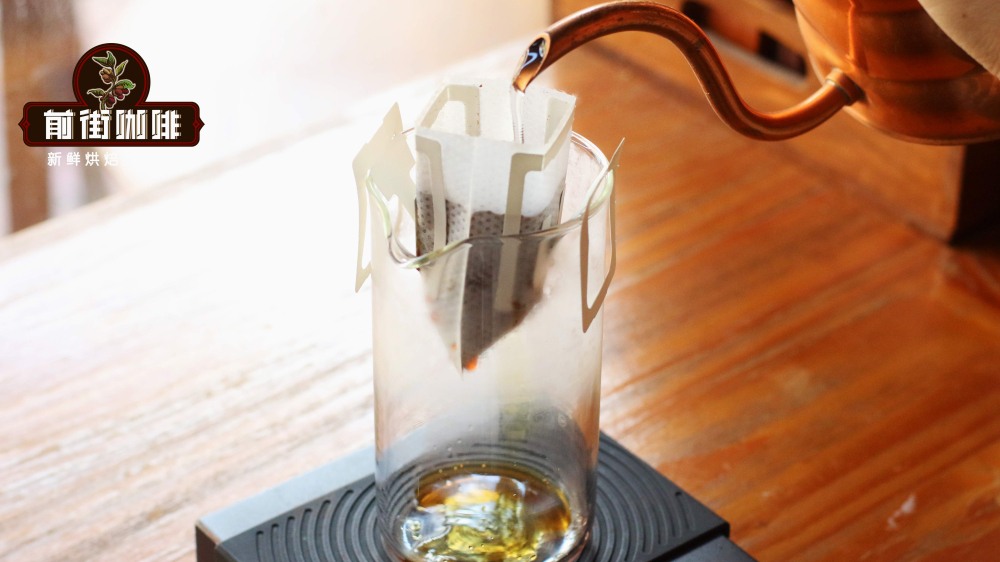
2. Hang the two ears of the filter bag on the rim of the cup, ensuring a 1–2cm gap between the bottom and the cup bottom
3. Pour in a small amount of hot water (about twice the coffee dose) for a 30-second bloom to activate the coffee
4. Use the three-stage pouring method: first pour 40% of the total water, then when the liquid level drops to the halfway point add 30%, and finish slowly with the final 30%
Freshness Management for Drip Bag Coffee
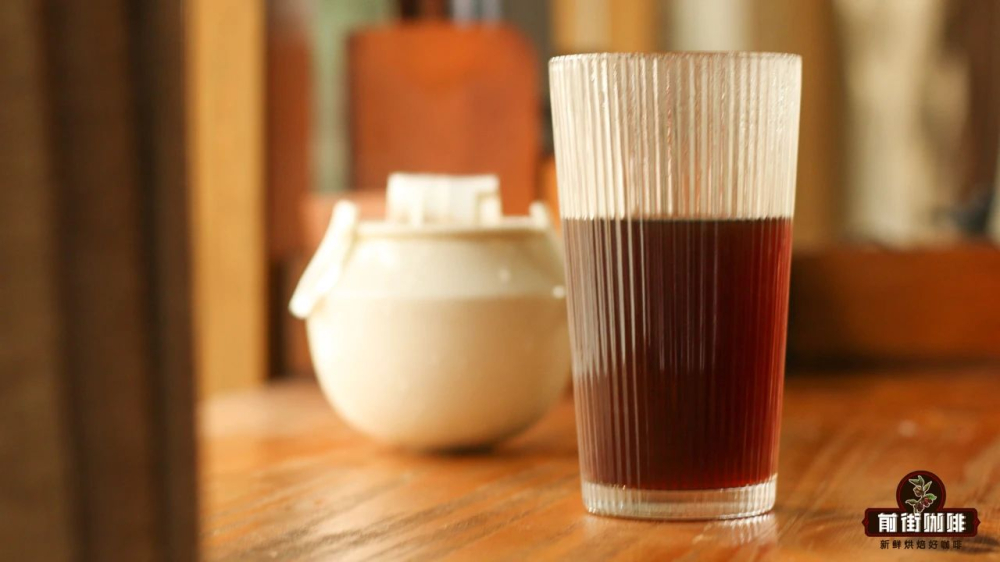
The optimal enjoyment period for individually packaged drip bag coffee is within 30 days before opening. After ground coffee contacts air, aromatic substances decline by about 15% every 24 hours. For a single brew, use freshly filtered room-temperature water to avoid over-extraction caused by repeated pouring. Discard the filter bag immediately after use to prevent residual coffee grounds from breeding off-flavors that affect the subsequent experience.
Professional Parameter Reference Table
Standard brewing ratio: 10g coffee powder + 150ml water (1:15)
Staged pouring total allocation: pre-infusion 20ml → main extraction 110ml → finish 20ml
Total extraction time control: bloom 10–15 seconds + staged pouring 90–120 seconds
Equipment compatibility note: fits most mugs or glass pots with a diameter of 8–10cm


