Pour-Over Coffee for Beginners: Grind Size, Water Temperature, and Coffee-to-Water Ratio Explained, Plus Bean Recommendations
Introduction:The appeal of pour-over coffee lies not only in the ritual but also in how precise parameters change flavor. This article explains in depth the five core factors that affect pour-over coffee quality — grind size, water temperature, coffee-to-water ratio, brew time, and technique — and offers practical parameter ranges and flavor-assessment tips to help beginners quickly master the secrets of stable extraction, along with bean selection advice for different roast levels.
Many coffee lovers are curious about pour-over technique, but it must be clear: what determines pour-over coffee quality is not any single technique, but precise control of basic parameters such as grind size, water temperature, coffee-to-water ratio, and brew time. These variables directly affect extraction efficiency and flavor balance.
The dual standard for grind size
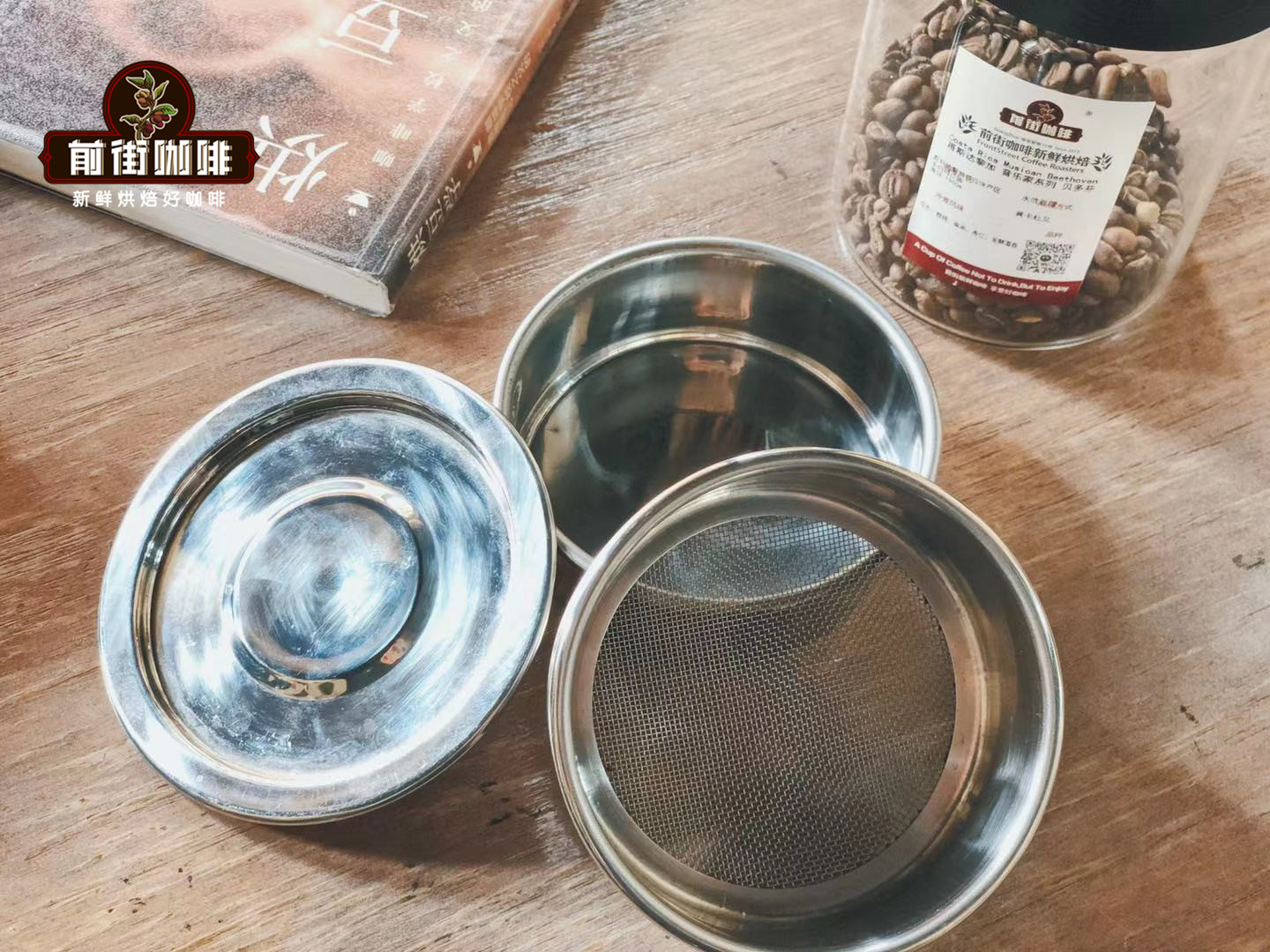
Grind size requires attention to both uniformity and coarseness. Uniformity depends on grinder performance — if there are too many fines (over 30%), even adjusting other parameters cannot fully compensate, and at that point it is advisable to replace the burrs or upgrade the equipment. Coarseness adjustment should refer to a standard sieve: the general range is a 70–80% pass-through rate on a No. 20 sieve (particles around 0.85 mm), with light-roast beans suited to 75–80% (finer to enhance sweetness) and medium-dark roasts best at 70–75% (to prevent over-extraction). A simple test: after grinding, the powder should look like uniform grains of sand with no obvious layering of particles.
The golden range for water temperature
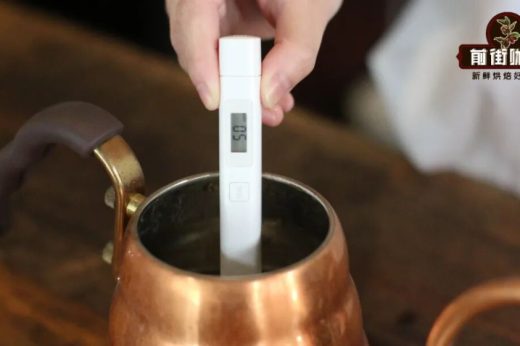
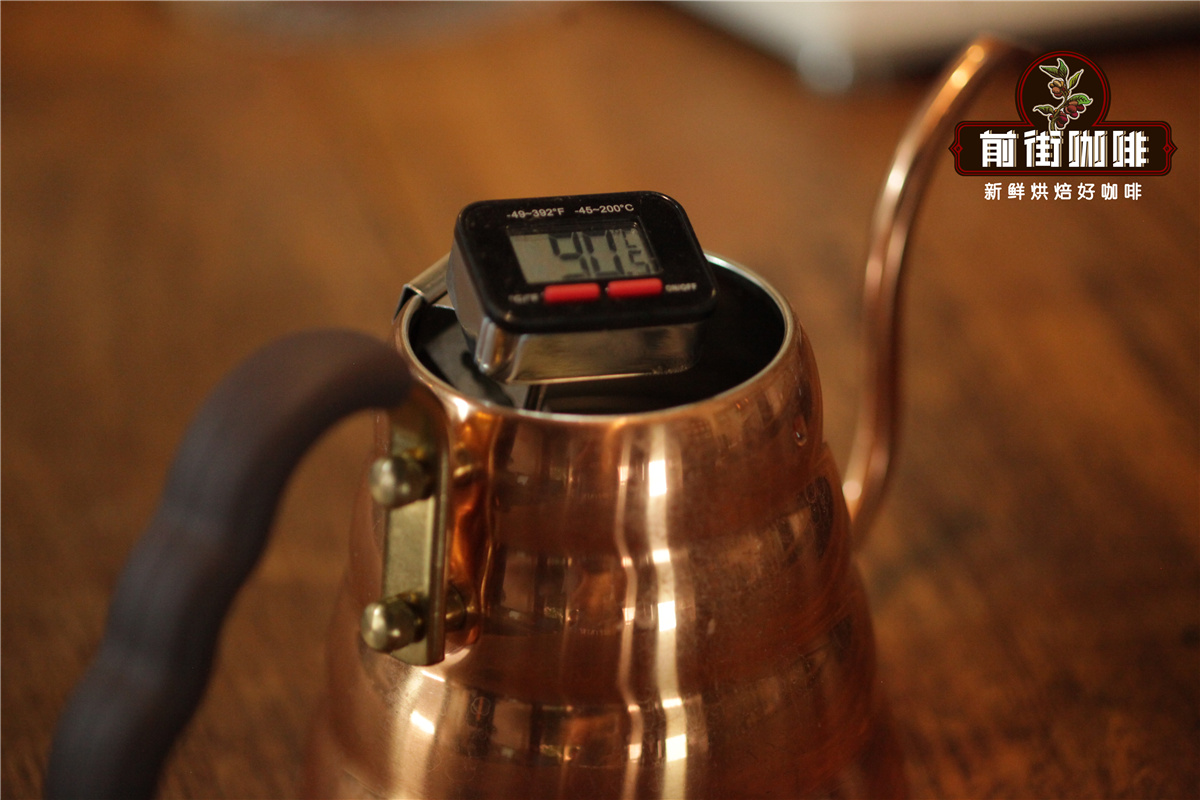
For every 1°C increase in water temperature, the rate at which coffee compounds are dissolved increases by about 0.5%. The recommended base range is 86–93°C: for light roasts (with pronounced acidity, such as Ethiopian natural) 90–93°C is suggested to bring out floral and fruity notes, while medium-dark roasts (nut and chocolate flavors) are best at 86–89°C to avoid bitterness. Note that water temperature is affected by ambient temperature; in winter it is advisable to raise it by 1–2°C to compensate for heat loss.
Flexible use of the coffee-to-water ratio
The classic ratio of 1:15 (e.g., 15 g coffee to 225 ml water) balances strength and flavor layers, but it should be adjusted to drinking preference: for a fuller body choose 1:14 (about 1.3% strength), while for a lighter taste use 1:18. Advanced tip: dark-roast beans can be nudged to 1:16 to reduce bitterness, and light roasts to 1:14 to enhance layering. When calculating, note differences in the actual density of the beans (for example, Geisha varieties require a suitable reduction in dose).
Pacing and control of brew time
The standard process takes about 2 minutes ±10 seconds (including a 30-second bloom). Overtime is usually caused by pouring too slowly or grinding too fine; check whether the stream is too thin (ideal diameter about 5 mm) or the circling speed is insufficient. The early pour should gently penetrate the coffee bed, while the later pour can apply slightly more pressure to ensure the coffee at the bottom is fully in contact with water.
Practical guide to three-stage pouring
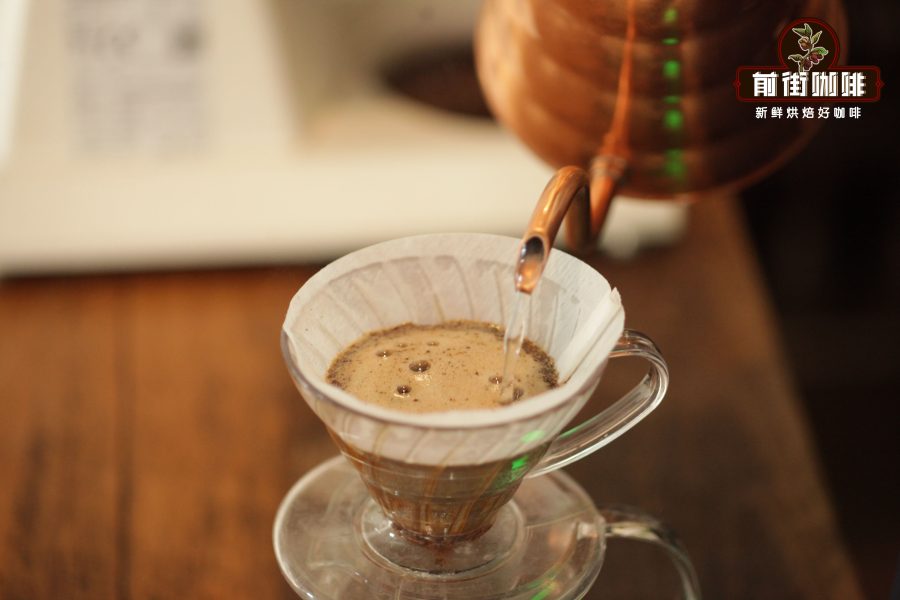
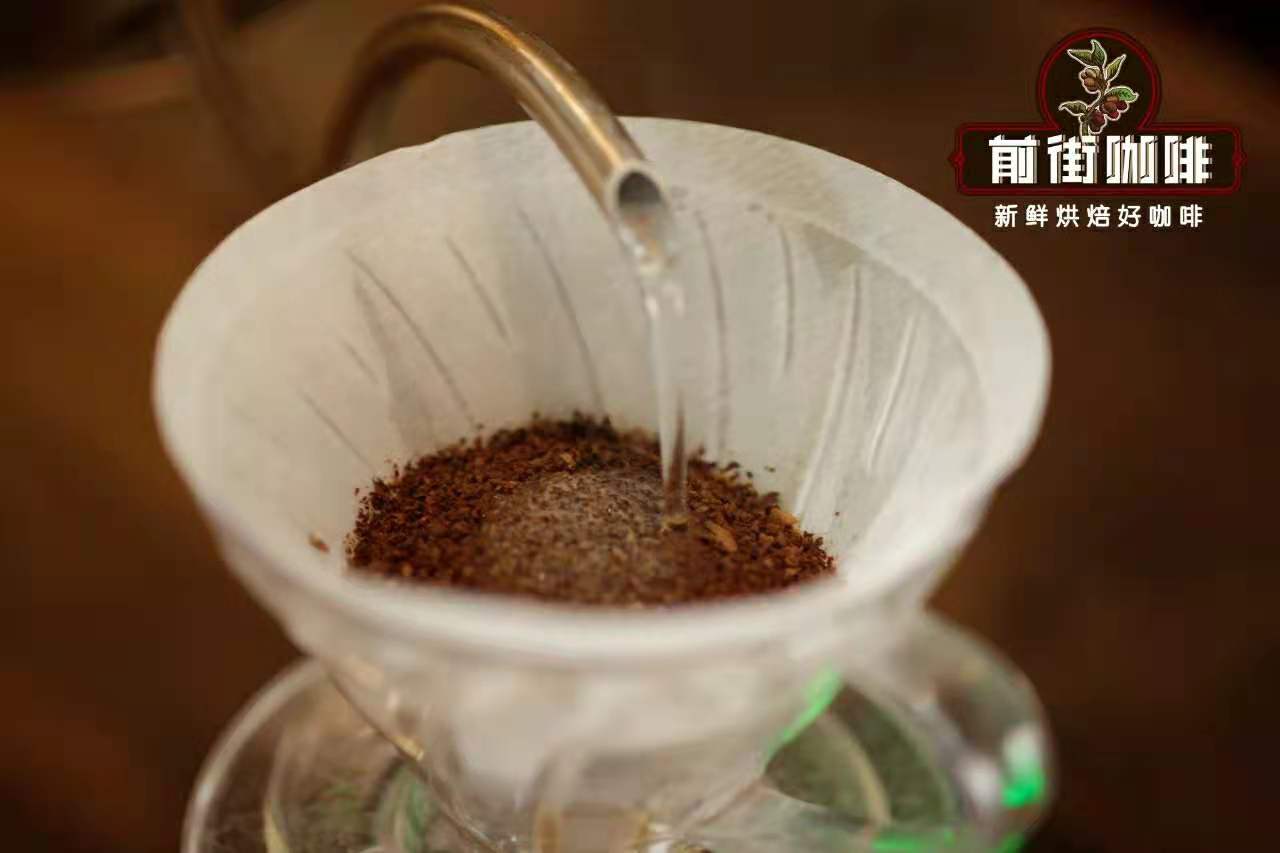
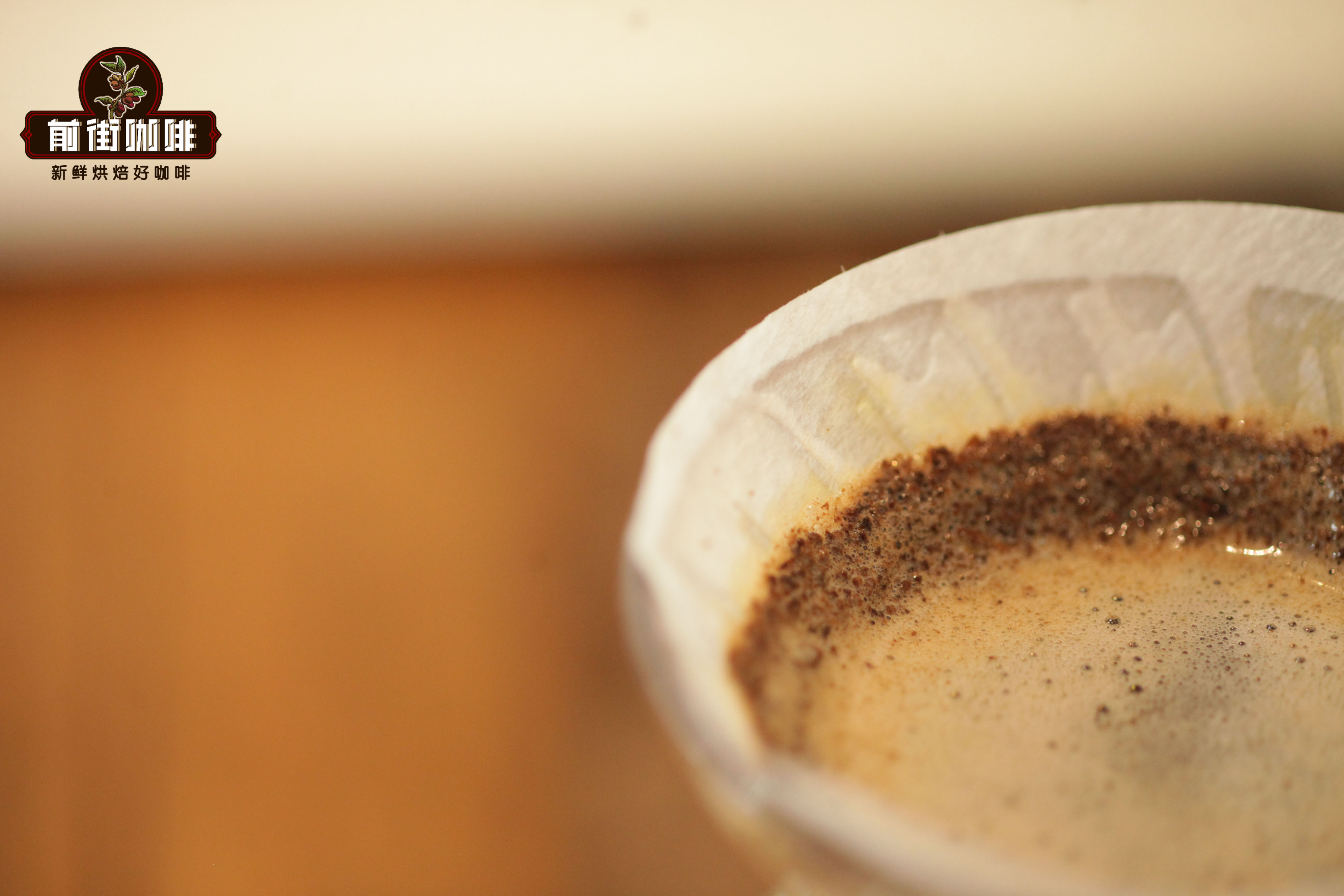
In the first stage, pour 30 ml of hot water to trigger the bloom (key detail: the water temperature must match the brewing temperature), and watch the coffee bed swell to form a "hamburger layer" (normally about 1.5 times its original volume). After 30 seconds, begin the second stage by pouring 100 ml, keeping the stream vertical and circling at a steady speed (10 cm radius), taking care to maintain the liquid level and avoid overflow. When the liquid level drops to half the height of the dripper, pour the final 95 ml; at this point the stream should stay closer to the surface of the coffee bed to awaken dormant flavors.Note in particular: each pour must wait until the water level drops to the specified point — usually about 30 seconds after the second stage, and for the third stage observe a drop of 1/2 or 2/3.

The core secret of even extraction
The essence of technique is to solve channeling — avoiding water that penetrates only part of the coffee bed. Beginners are advised to use the three-stage pouring method: the first stage activates, the middle stage develops, and the final stage finishes. More advanced brewers can try the 46 method (40% of the water for the bloom + 60% for staged extraction) to improve control precision. Common mistakes include pouring from too low a height, which causes the coffee bed to collapse, or uneven circling speed, which causes localized over-extraction.
The scientific basis for bean selection
Judge flavor from the packaging description: prominent citrus/berry/floral notes indicate a light roast (a finer grind is suggested), balanced nut/caramel notes indicate a medium roast (standard grind), and rich chocolate/smoky notes indicate a dark roast (a slightly coarser grind). Freshness is crucial — when buying, check the roast date (beans roasted within 10–20 days are recommended), and store them sealed from light in a cool place (no need for the refrigerator).
Once you have mastered these parameters, it is recommended to keep a brewing log (including water temperature, time, and taste feedback) to gradually refine a recipe suited to your personal preference. Remember, the essence of pour-over coffee is to reveal the unique character of the beans through controllable variables.