Clever Dripper Coffee Brewing Guide: Parameters and Flavor Pairing
Introduction: The Clever Dripper, an easy-to-use immersion pour-over device, lowers the entry barrier for beginners while consistently presenting coffee's flavor layers. This article explains the working principle, core brewing parameters (grind size, water temperature, coffee-to-water ratio), provides specific brewing plans for beans of different roast levels, and recommends three types of beans with distinctive flavor profiles to help you easily master this efficient brewing tool.
Core design advantages of the Clever Dripper
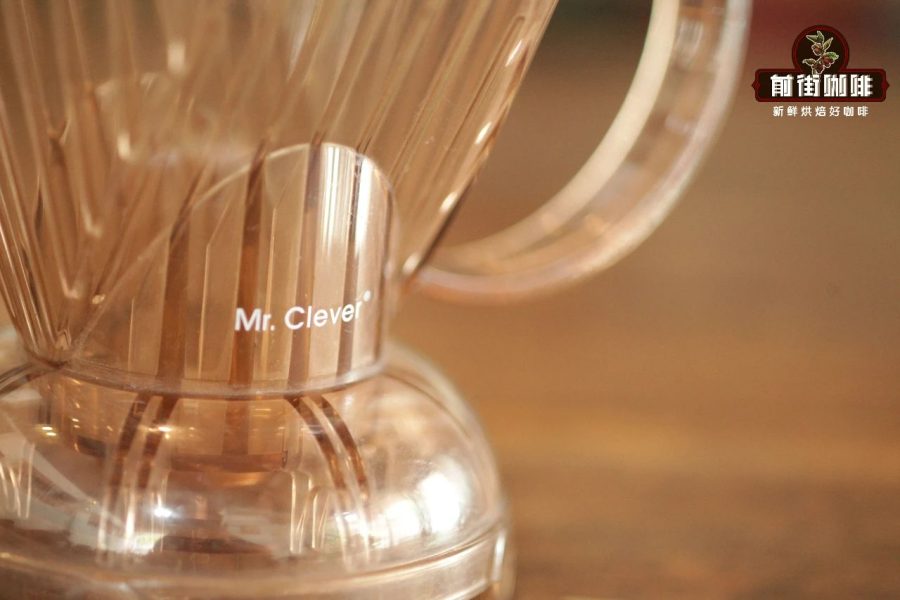
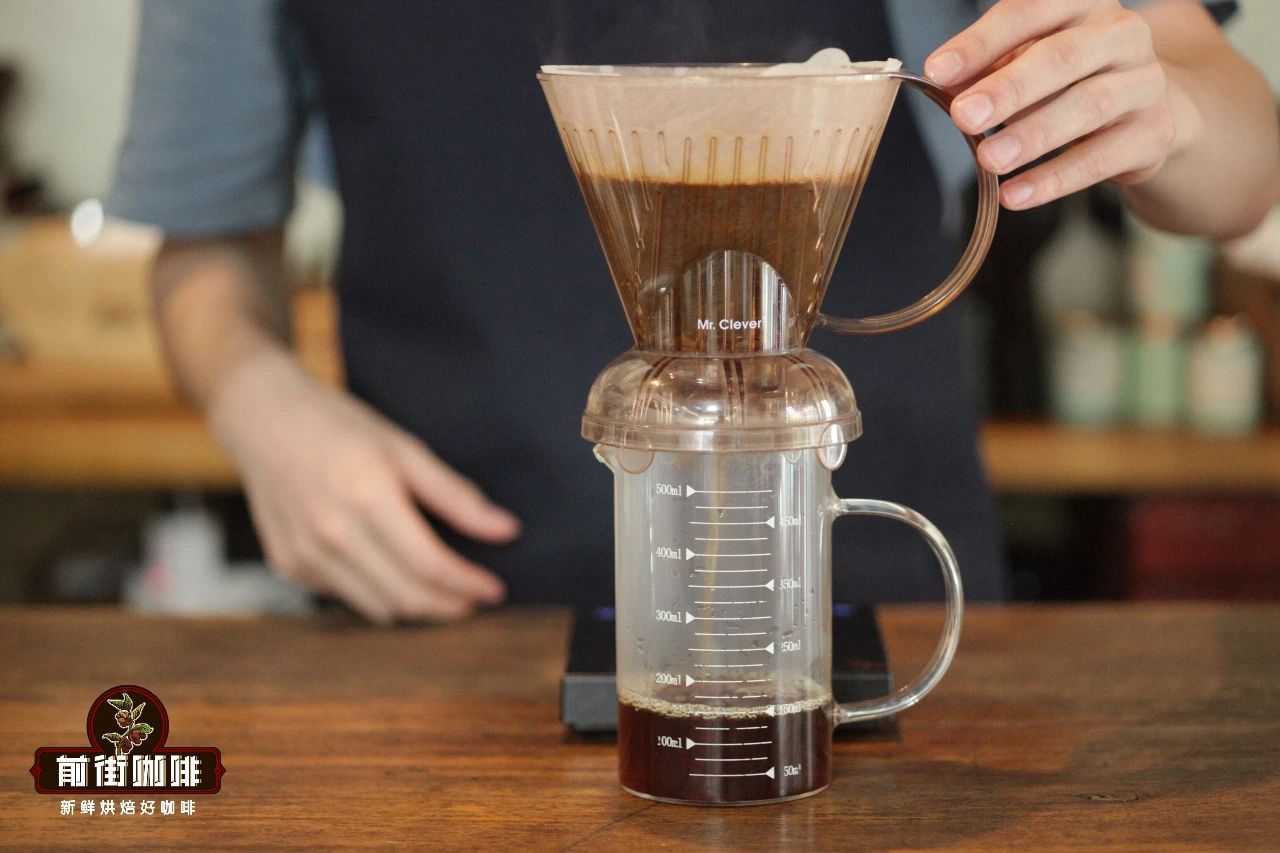
This device, called the Clever Coffee Dripper, achieves precise control of immersion and filtration through its dual-layer structure. Its bottom features an innovative valve design—when not placed on a receiving container, the built-in piston valve remains closed, allowing the coffee grounds to fully immerse; when placed atop a server, the valve is pressed open automatically, ensuring smooth filtration after extraction is complete.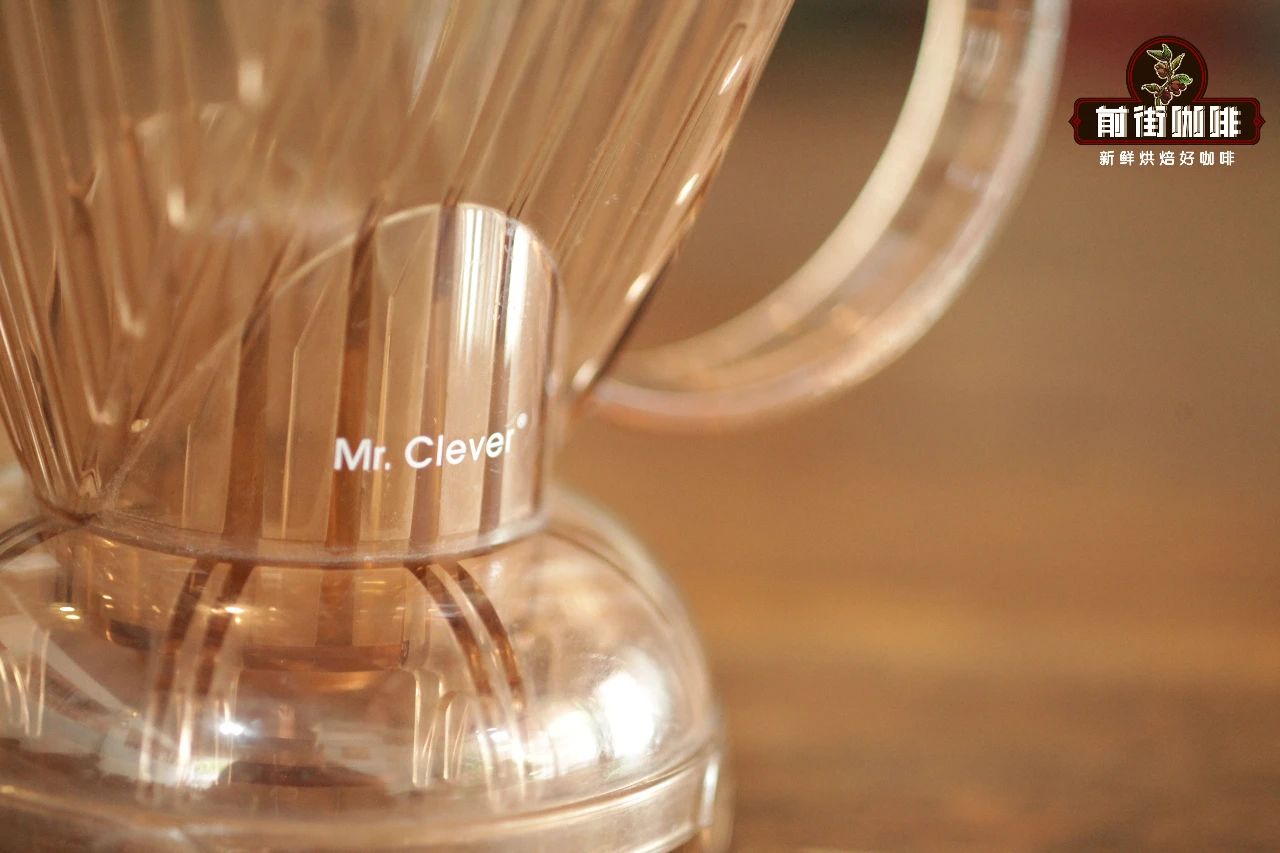
Scientific basis for grind size selection
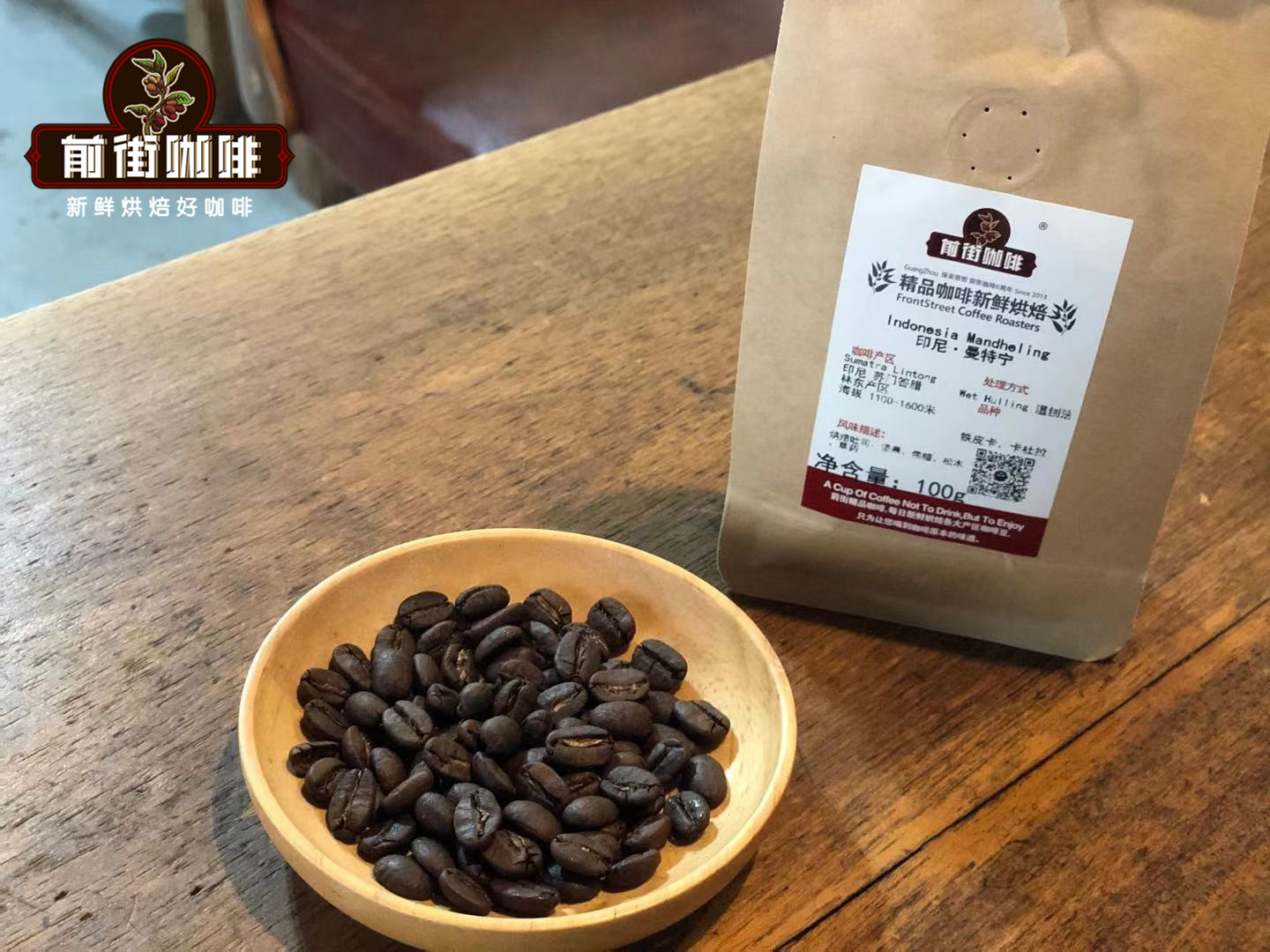
Grind coarseness directly affects flavor extraction efficiency. Experimental data show that medium-light roasted beans (such as Ethiopian natural) are best suited to a medium-fine grind with 75%-80% passing through a No. 20 sieve (similar to fine granulated sugar), avoiding under-extraction of flavor compounds due to overly large pores; medium-dark roasted beans (such as Sumatra Mandheling) require a medium-coarse grind with 65%-70% passing rate (close to coarse salt particle size) to prevent over-extraction and woody off-flavors.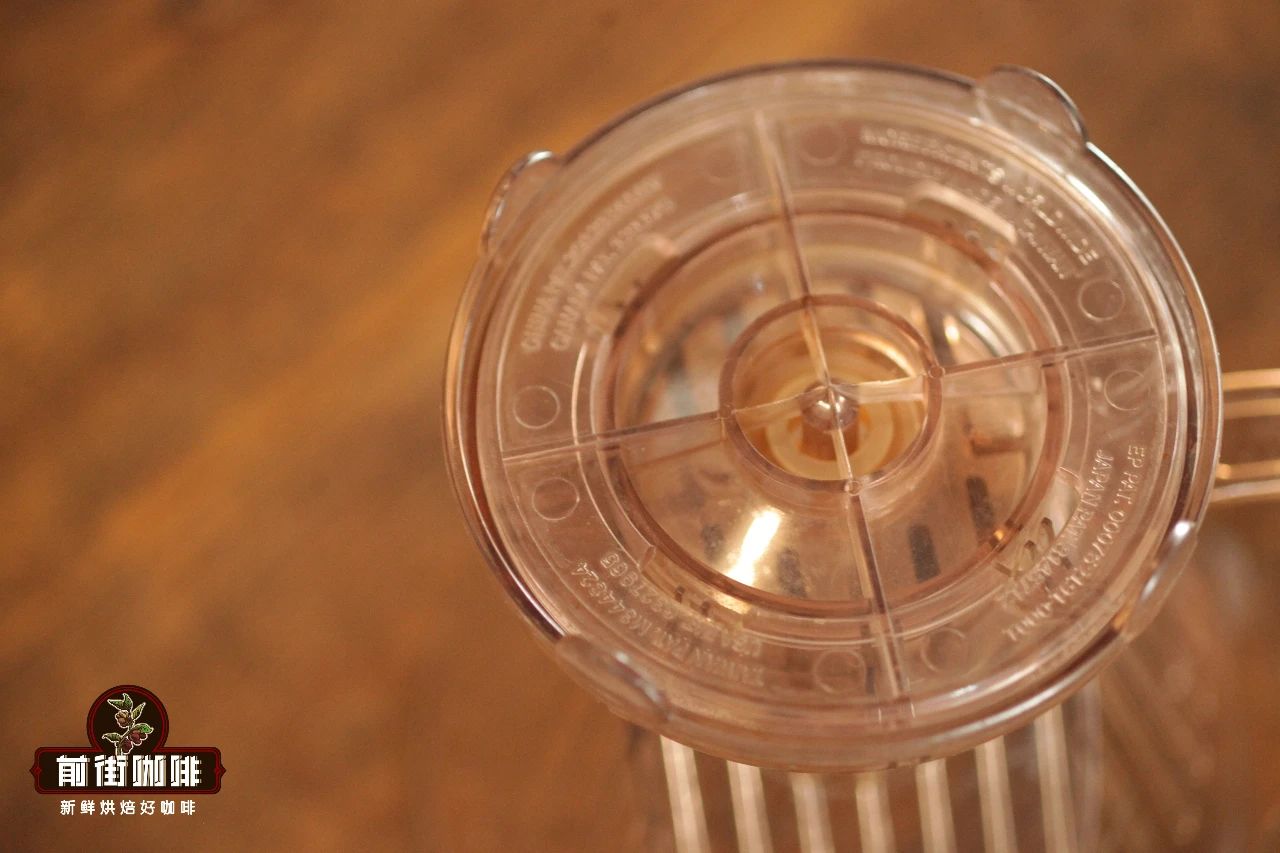
The golden range for temperature control
Water temperature plays a decisive role in the rate of flavor release: medium-light roasts are recommended at 90-91°C (such as Kenya AA), which can highlight floral and fruity acidity and a bright mouthfeel; medium-dark roasts are suitable at 88-89°C (such as Brazil Santos), helping to bring out caramel sweetness and a full body. Note that water hardness affects the actual water temperature performance; using a thermometer for calibration is recommended.
Verified data for the classic coffee-to-water ratio
Based on actual measurements according to the SCA Golden Cup standard (extraction yield 18%-22% / concentration 1.15%-1.45%), a 1:15 coffee-to-water ratio (e.g., 15 g coffee to 225 ml water), although at the lower limit of the standard, shows the best balance in comprehensive sensory evaluation—ensuring full extraction while avoiding over-dilution, suitable for beans from most origins.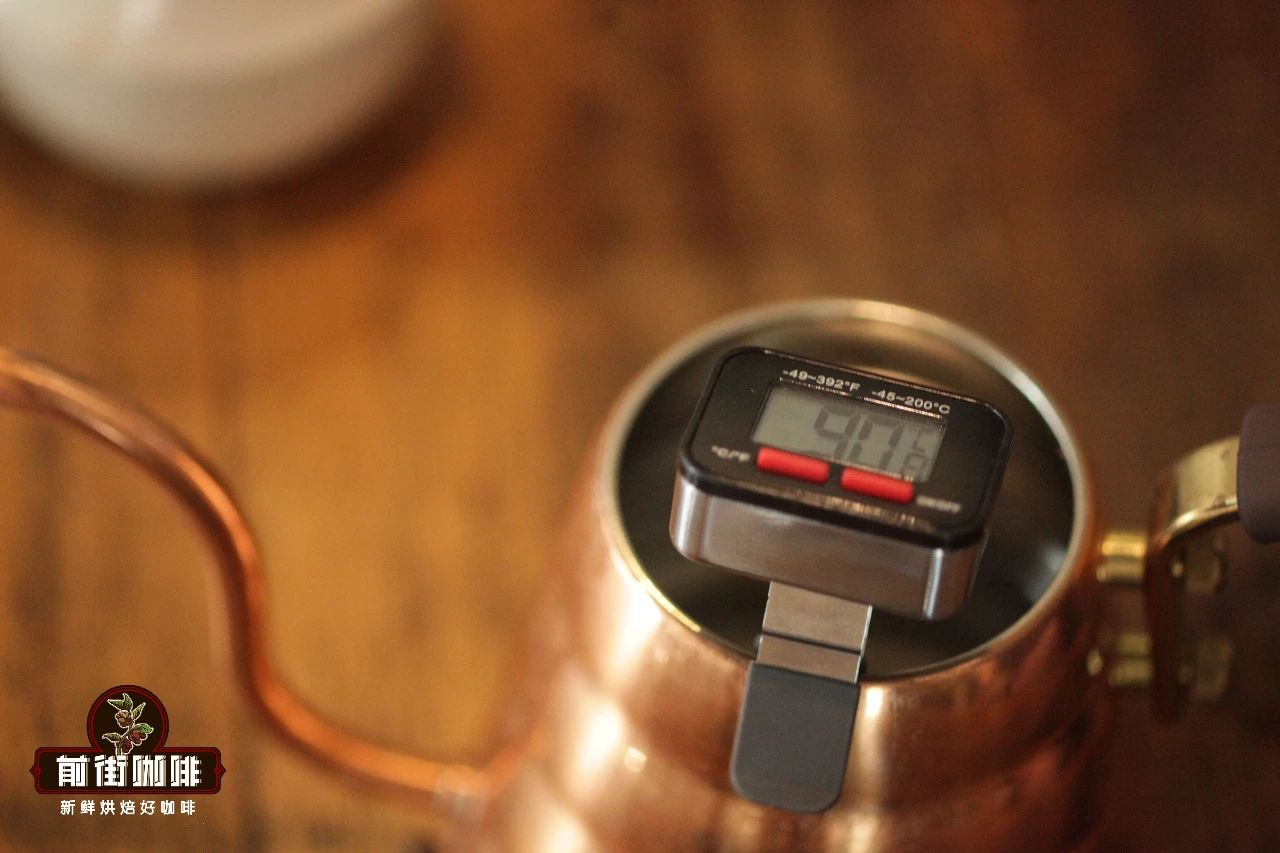
Four-step standardized operation process
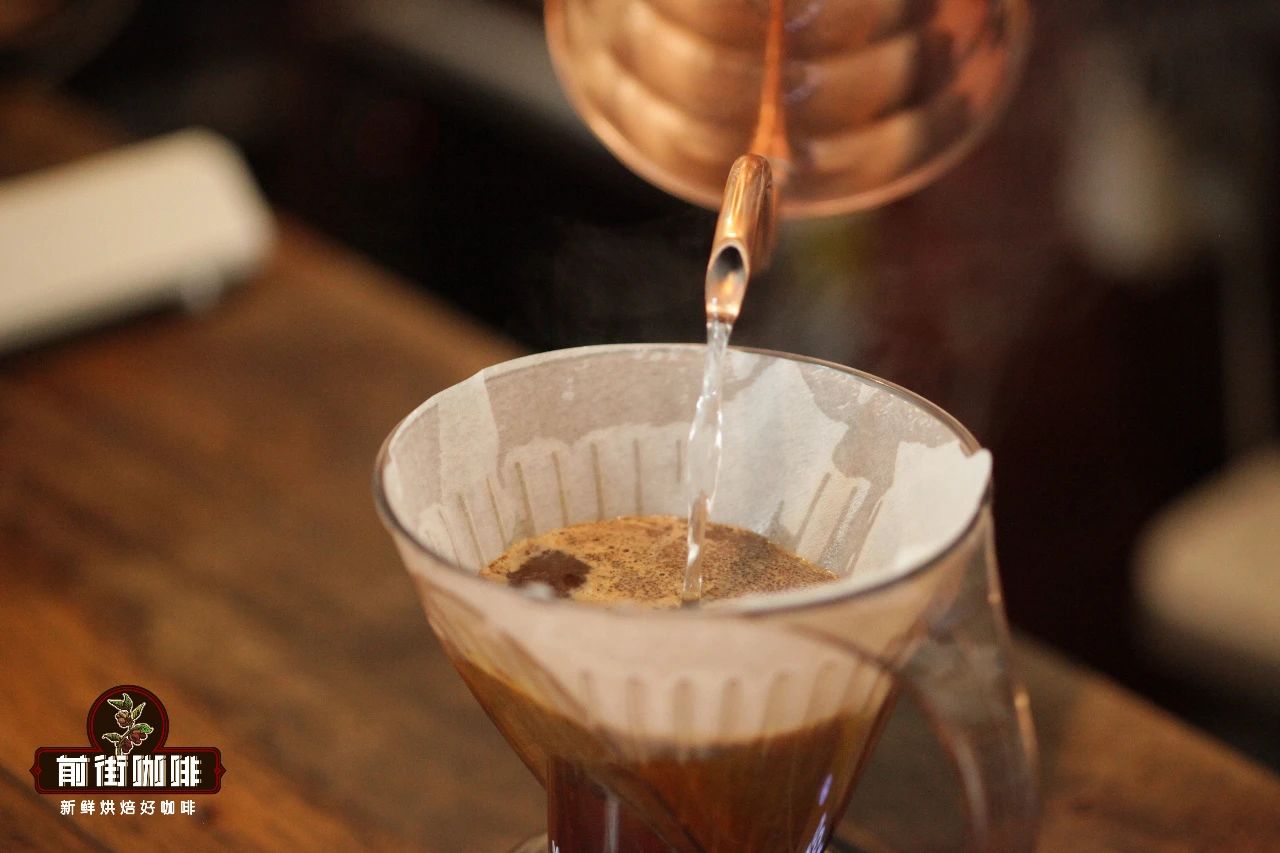
1. Wet the filter paper: Fold the fan-shaped filter paper precisely and place it into the dripper, then pour hot water at about 93°C to rinse the filter (eliminating paper pulp taste and preheating the device)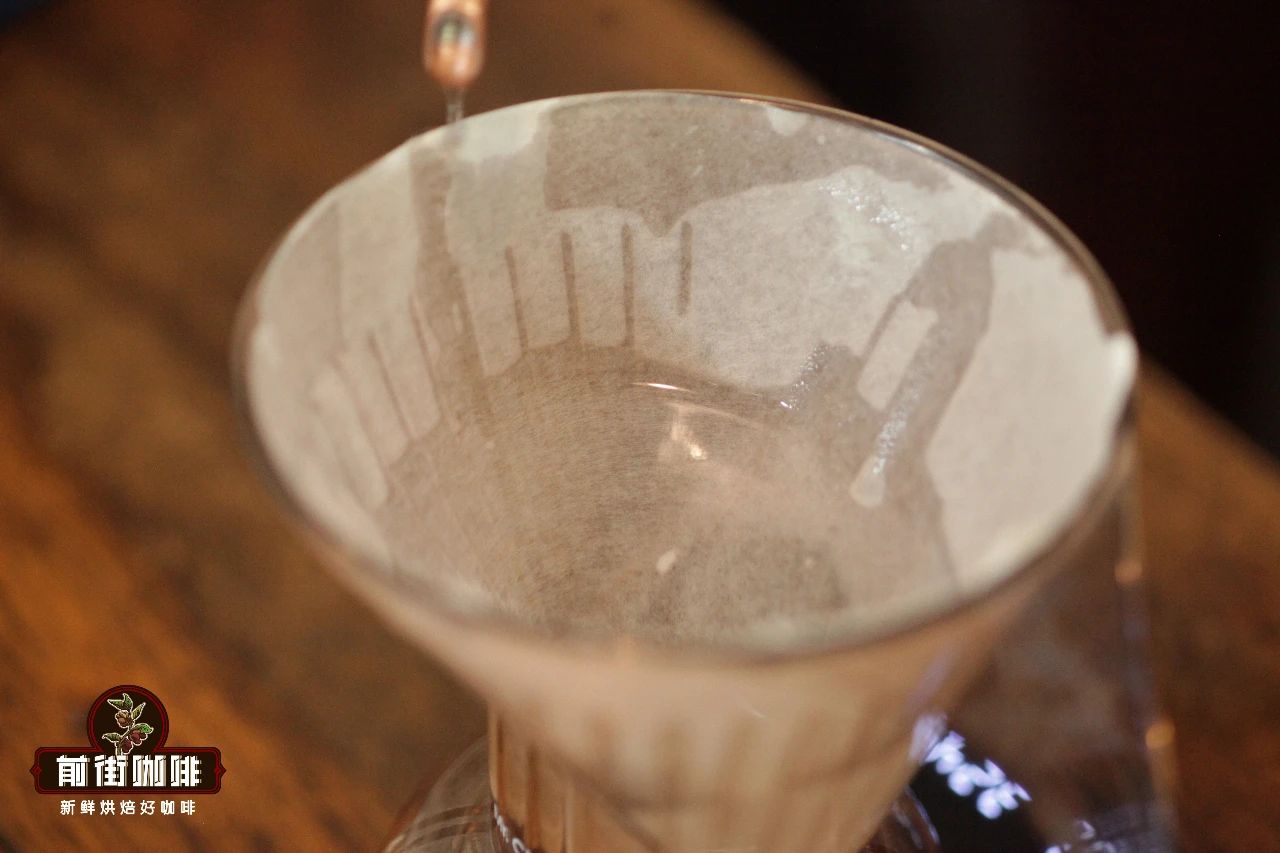 ; 2. Add coffee and bloom: Add the ground coffee, immediately pour a small amount of hot water to activate aromas (optional step); 3. Constant-temperature immersion: Pour in the total calculated water volume (e.g., 225 ml water for 15 g coffee), cover and let stand for exactly 4 minutes; 4. Release extraction: Place the Clever Dripper steadily atop the server; once the valve is pressed, the coffee will complete dripping within 30 seconds.
Three typical flavor pairing plans
• Citrus-berry type (suitable for Yirgacheffe): Medium-light roasted beans, under the Clever Dripper's constant-temperature immersion, can more fully retain citric acidity and jasmine aroma; adjust the grind slightly to 80% passing rate to enhance brightness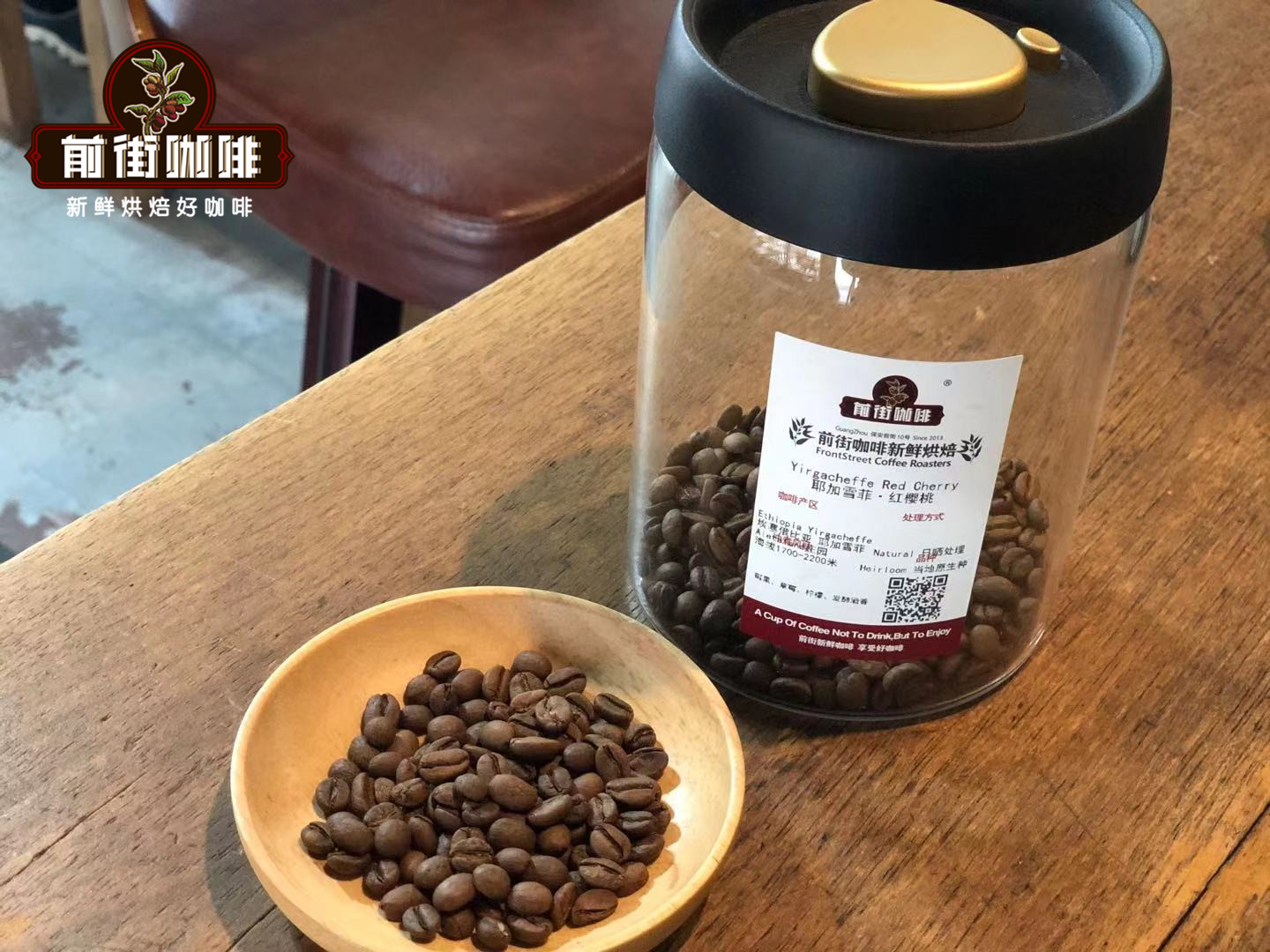 • Caramel sweetness type (suitable for Colombia): Medium-roasted honey-processed beans, by extending immersion to 4 minutes 30 seconds, can develop a complex sweetness of honey and roasted nuts; note to clean the valve to avoid residue affecting flavor
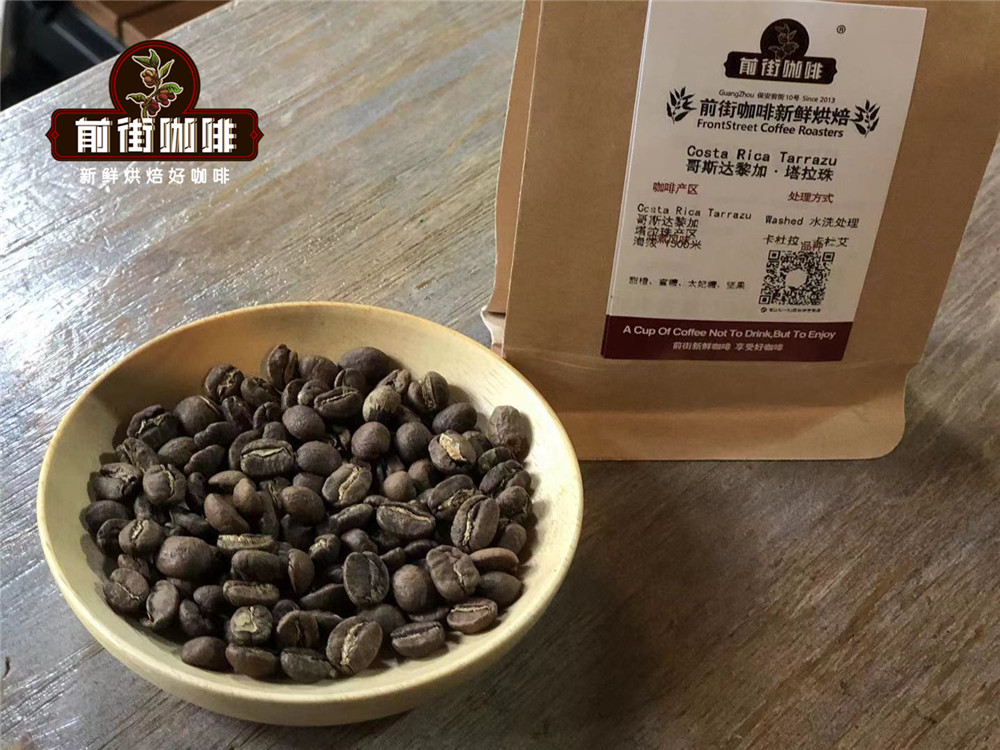 • Full-bodied nutty type (suitable for Indonesian Mandheling): For dark-roasted beans, a 1:14 high-concentration ratio is recommended; combined with a medium-coarse grind, it can intensify dark chocolate and smoky finish, particularly suitable as an alternative to espresso