Latte flavor guide: how to avoid bitterness and excessive strength
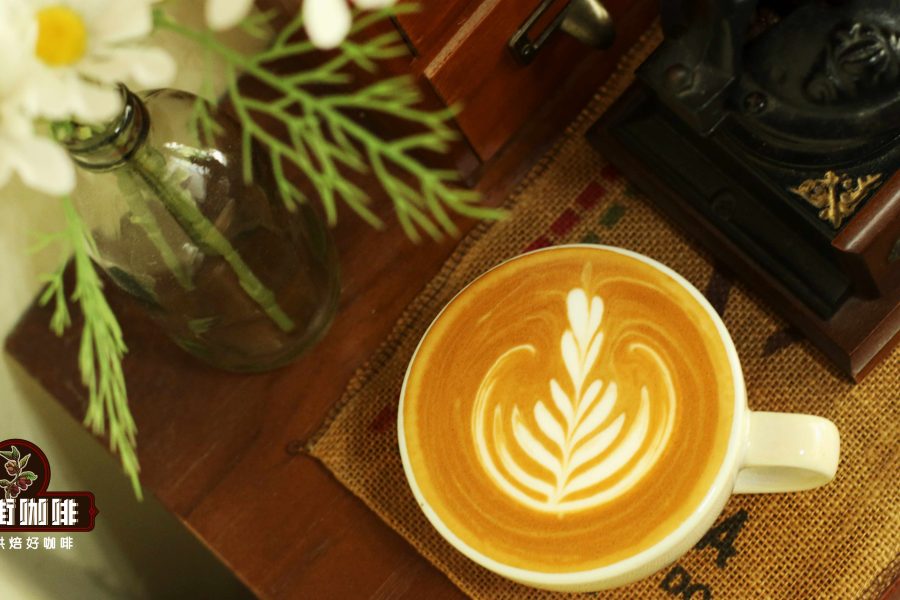
Introduction: As one of the most popular milk coffees, latte is widely loved for its balance of coffee aroma and milk flavor. But many beginners often run into the problem of latte being too bitter or too strong, and some even wonder whether they should add sugar. This article takes a deep look at latte's flavor characteristics and the key factors that affect its taste, including coffee bean selection, extraction parameters, and individual taste differences, and offers practical adjustment advice to help you find your ideal latte flavor.
Among the many coffee drinks, latte has become the go-to entry point for many coffee beginners thanks to its mild, smooth texture. This classic coffee from Italy is known for the perfect fusion of fresh milk and espresso, retaining the coffee's aroma while incorporating the silkiness and sweetness of milk.
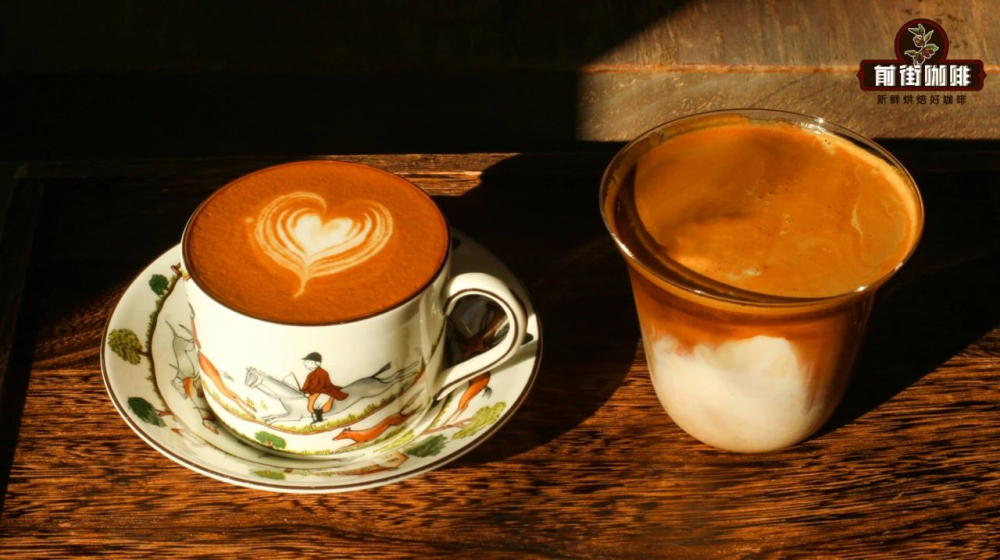
Latte means "milk" in Italian, and as the name suggests, it is a coffee drink in which milk plays the leading role. Compared with other milk coffees such as flat white, latte uses a higher proportion of milk, and its overall flavor leans more toward "coffee-flavored milk." If you prefer a soft, easy-drinking taste, latte is a very suitable choice.
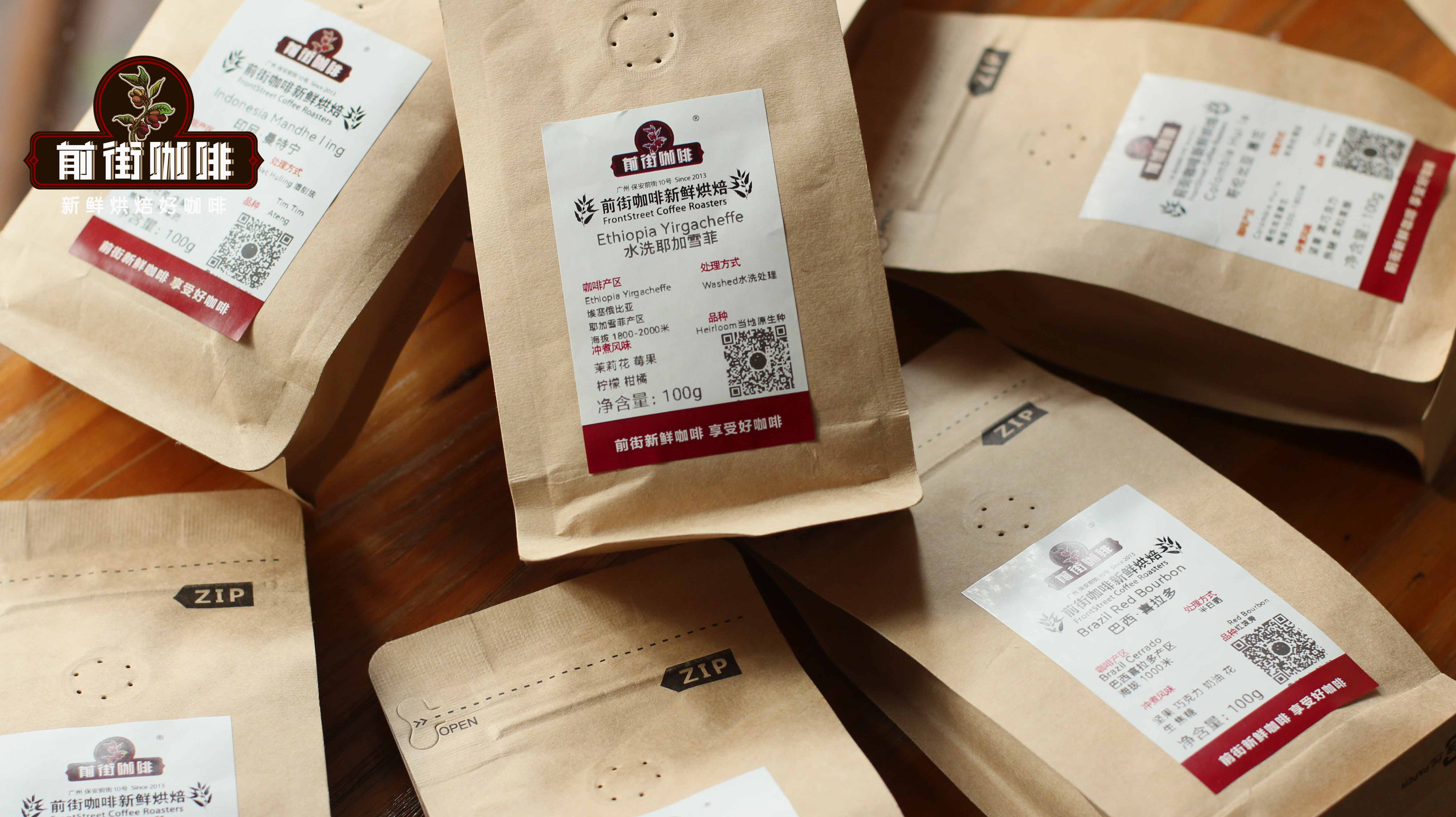
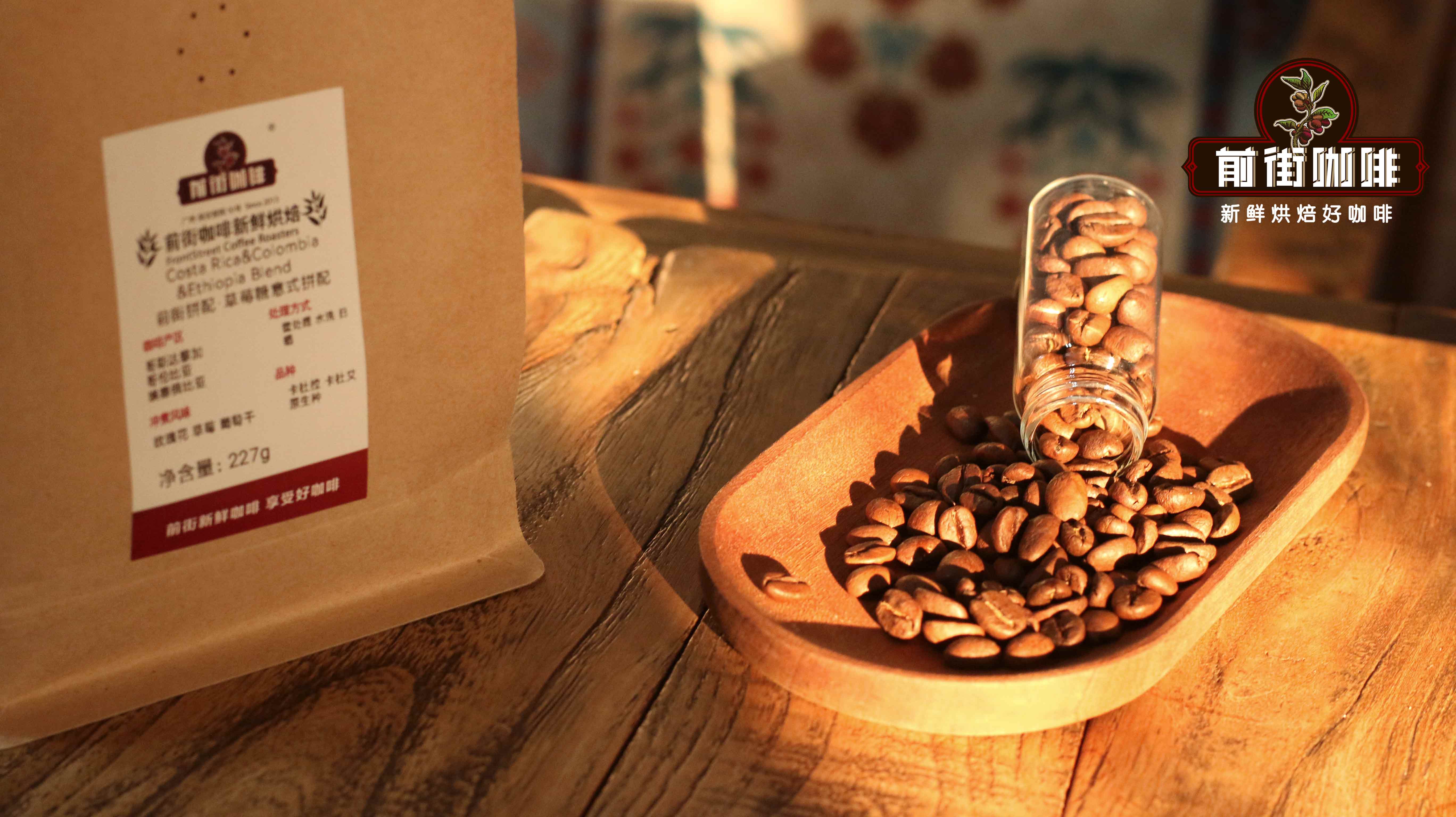
A high-quality latte depends on freshly roasted Italian-style coffee beans. Generally speaking, coffee beans are at their best within 60 days after roasting, and beyond that period, the layering and liveliness of the flavor decline noticeably. For a better drinking experience, it is recommended to choose beans roasted within 10 days, when the flavor is at its most vivid and full.
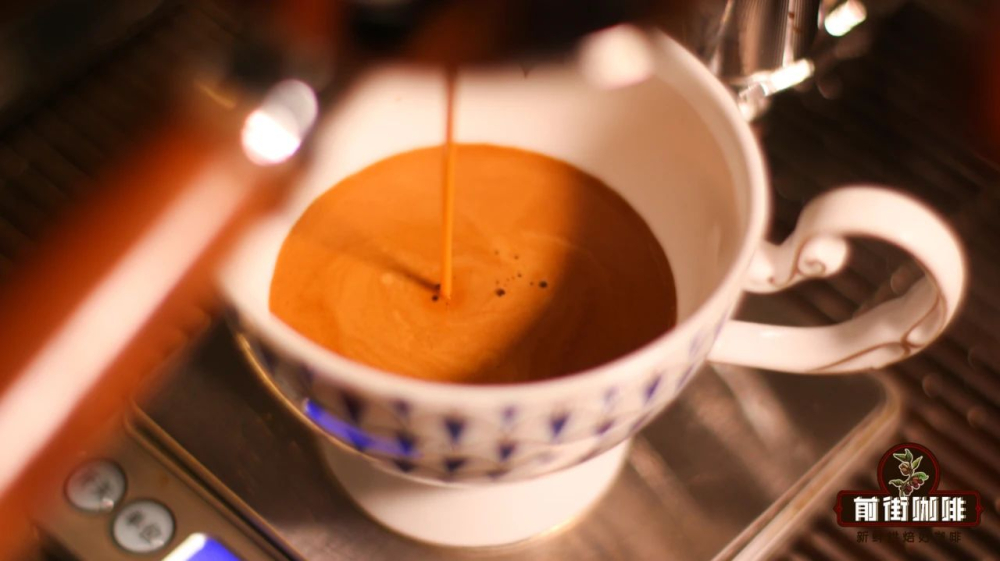
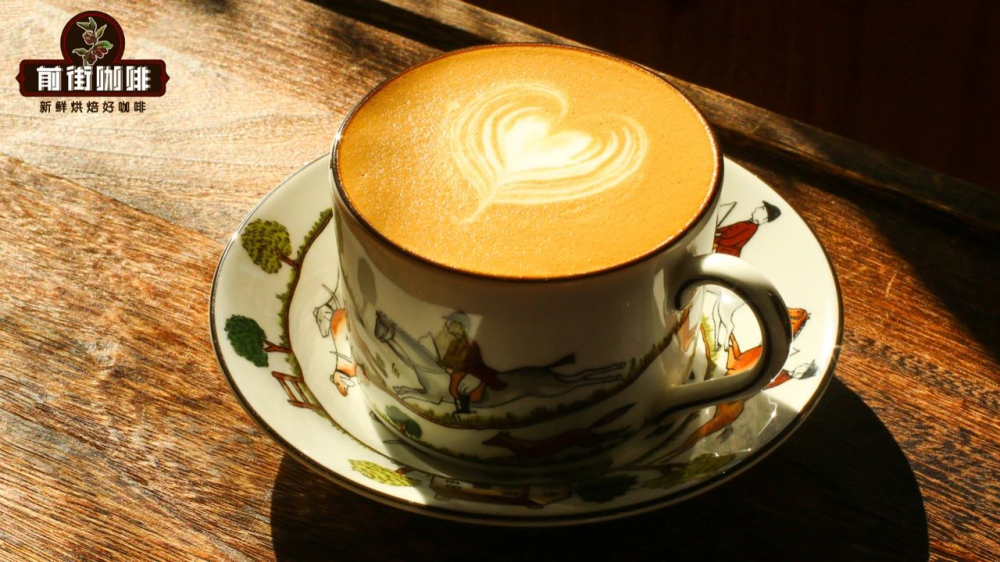
To make a well-balanced latte, the quality of the espresso is crucial. Usually, a medium-dark roasted blend is used; these beans can extract rich crema and bring complex aromas of dark chocolate, nuts, and a hint of butter. Combined with milk, these flavors can present a silky texture similar to milk chocolate, and the thickness of the milk foam also directly affects the overall smoothness and layering.
Many people still find latte coffee bitter or too intense when drinking it, and this is actually related to several factors. First, the roast level of the coffee beans is one of the keys. If dark-roasted beans are used, the smoky aroma and bitterness will be more pronounced; for those who dislike bitter flavors, medium-light or medium roast beans can be considered, as these often carry more fruity and sweet notes, such as strawberry, citrus, or nutty flavors.
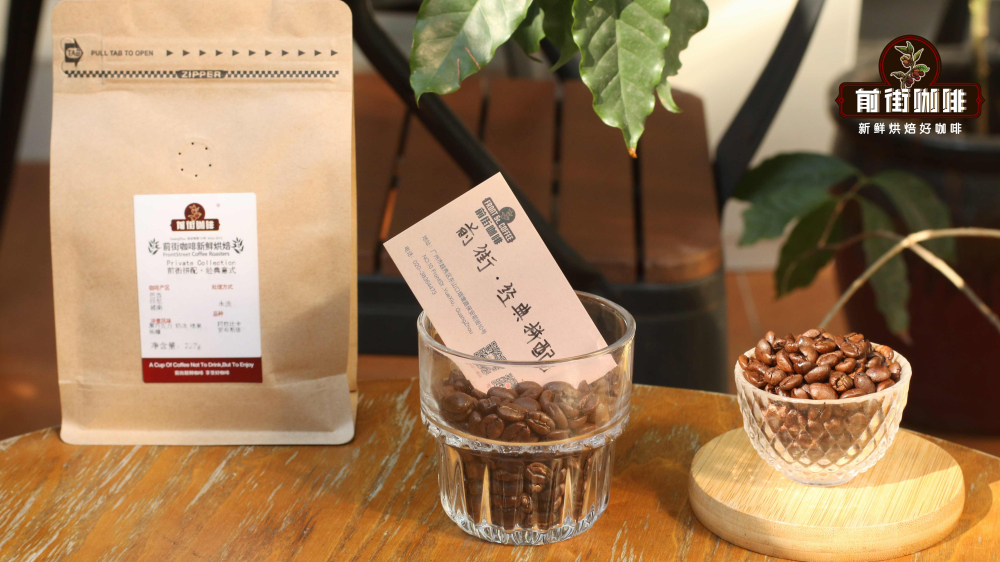
Besides roast level, the quality of the coffee beans themselves also affects the final flavor. Some Italian-style blends include a small amount of Robusta beans, which usually add body and crema to the coffee, but if the proportion is off, they can also bring stronger bitterness or a rough mouthfeel. Therefore, understanding a bean's blend composition and roasting style helps you better choose coffee beans that suit you.
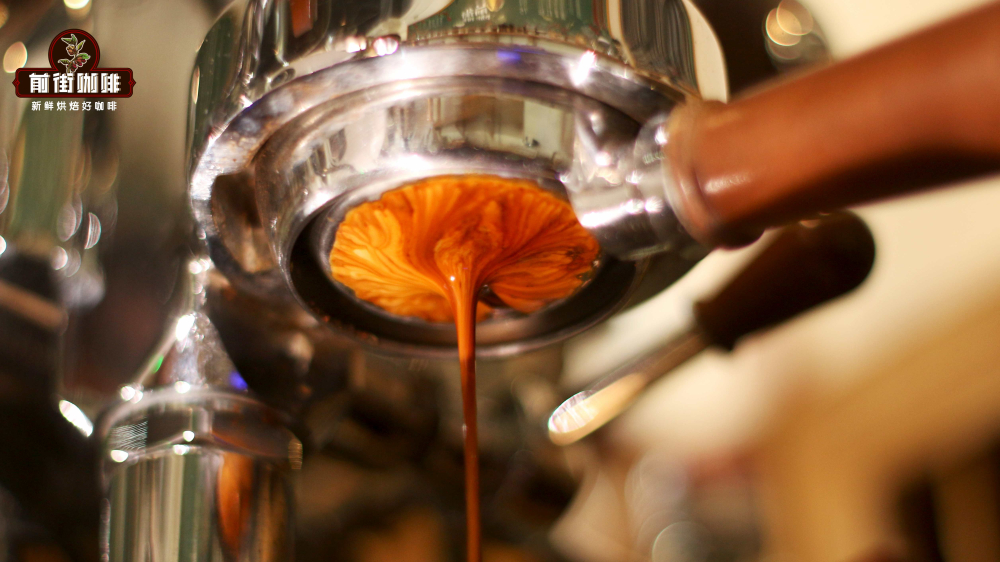
The extraction process is also an important part of what shapes latte flavor. Coffee extraction is essentially the process of using water to draw flavor compounds out of the coffee beans, including acids, sugars, and bitter compounds. The ideal extraction yield is generally between 18% and 22%; if it exceeds 22%, it is considered over-extraction, and more large-molecule bitter compounds are released, masking the original sweetness and fruity acidity and making the whole cup taste bitter and one-dimensional.
In addition, individual sensory differences should not be overlooked. Everyone has a different sensitivity to bitterness, and some people may find even a standard latte on the bitter side. Such individual differences are entirely normal, and baristas usually adjust the ratio of coffee to milk or fine-tune extraction parameters according to the customer's taste preferences to achieve a result closer to individual taste.
If you are more sensitive to bitterness, feel free to ask the barista for adjustments, such as reducing the amount of espresso, increasing the proportion of milk, or trying adjustments to grind size and extraction time. Through these small adjustments, the overall flavor of the latte can often be noticeably improved, making it better match your taste expectations.
In summary, latte's taste and flavor are influenced by multiple factors, from coffee bean selection and roast level to control of extraction parameters and individual taste preferences; every step can affect the flavor you ultimately taste. By understanding these influencing factors, you can better communicate with your barista, or try adjustments at home, to find the ideal latte that is uniquely yours.