Pour-Over Coffee Guide: 15 Key Steps and Parameters from Grinding to Tasting
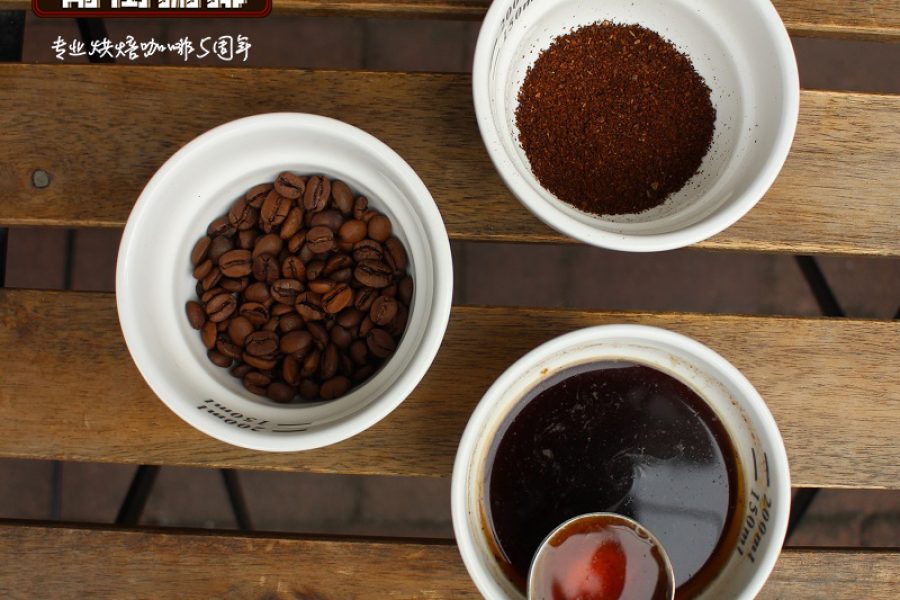
Introduction: Pour-over coffee, as the brewing method that best expresses coffee flavor, can fully reveal the unique character of beans from different origins through precise control of water temperature, coffee-to-water ratio, and pouring technique. This article explains the entire process from bean selection to extraction, including V60 dripper techniques, temperature control secrets for different roast levels, and how three-stage pouring enhances complexity, helping you avoid common brewing pitfalls and make café-quality coffee at home.
The appeal of pour-over coffee lies in how it preserves the purity of the coffee-making process while allowing the brewer to achieve the desired taste through parameter adjustments. The four core elements—water temperature, grind size, bloom time, and coffee-to-water ratio—directly affect the final balance of acidity and sweetness, body, and clarity. Master these variables and you can "customize" your own flavor profile the way you'd mix a cocktail.
Before you start, determine the amount of coffee beans. The standard ratio is 1:15 (for example, 15 grams of beans to 225 milliliters of water); for a stronger cup, adjust to 1:12, and for a lighter cup, use 1:18. Professional advice for a first attempt is to use 15 grams of coffee beans with 225–240 milliliters of water; this range balances flavor expression well. For grind size, aim for the texture of fine granulated sugar—slightly coarser than espresso but finer than French press; light-to-medium roasts suit 800–1000 microns, while dark roasts can go up to 1100 microns.
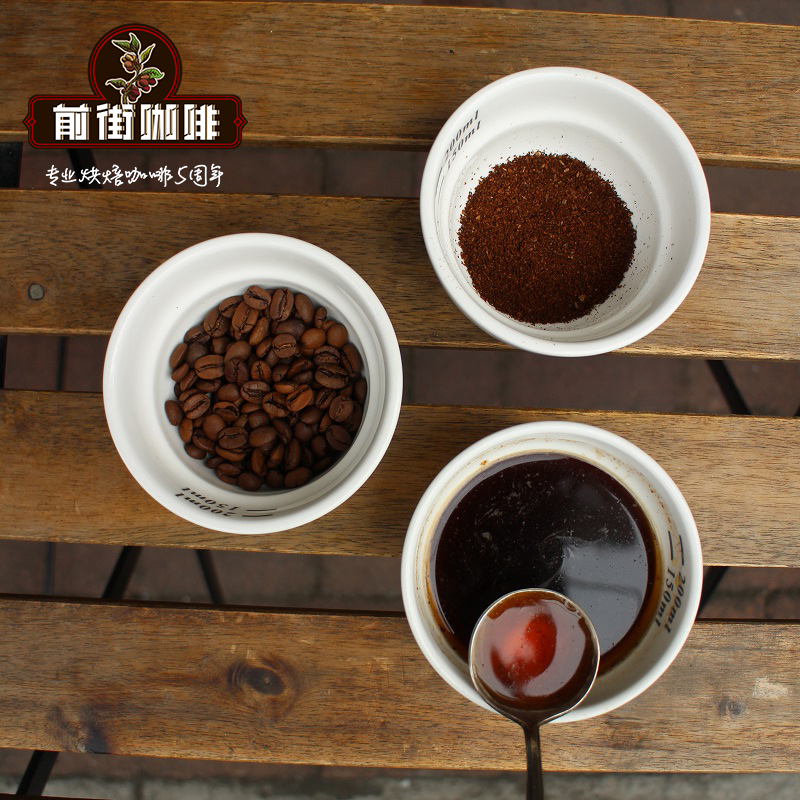
Water temperature control is key to determining extraction efficiency: for light roasts (City roast and above), 90–93°C is recommended, which fully brings out floral and fruity notes; for medium roasts (City roast), use 88–90°C to balance acidity and bitterness; for dark roasts (French roast), lower to 85–87°C to avoid over-extraction and burnt bitterness. Use a thermometer for calibration, or judge by observing the resting time after the water boils—about 85–88°C after 30 seconds off the boil, and about 90–92°C after 60 seconds.
For dripper choice, the V60 cone dripper, with its spiral ribs, creates even turbulence that improves extraction uniformity and is especially suited to pour-overs that pursue complexity. Preparation includes: folding the fan-shaped filter paper and opening it up, rinsing the filter with hot water so it adheres to the dripper wall and preheats the equipment, and when discarding the preheating water, be careful to retain about 30 milliliters in the server as temperature-compensation water. This step is often overlooked, but it effectively prevents the coffee from contacting a cold vessel and dropping in temperature.
After grinding, gently shake the dripper to level the coffee bed. For the first pour, use an "outward spiral from the center" motion, with the water amount kept at twice the coffee dose (about 30 grams of water), and hold the stream about 10 centimeters above the bed to avoid disturbing the coffee layer. The bloom phase lasts 30–45 seconds, until the bed visibly expands and begins to fall—this is the process of coffee grounds releasing carbon dioxide, and a full bloom makes subsequent extraction more even. A common mistake is too short a bloom or insufficient water, which leads to a dull, earthy taste later.
For the second main extraction stage, pour in 2–3 additions, with total water reaching 1.5–2 times the coffee dose (about 90–120 grams), maintaining a flow rate of 1–2 drops per second. Keep the pouring path in a "center → outer → center" spiral pattern, ensuring all coffee grounds are saturated but not over-washing the filter edges. Observe the flow rate: if it drips too fast, the grind may be too coarse; if too slow, channeling may cause localized over-extraction. For the third stage, top up with water to the target total, with a total brew time of 2 minutes 10 seconds to 2 minutes 40 seconds—the golden window for flavor compounds to dissolve.
After brewing, immediately swirl the server gently to mix the coffee evenly and avoid an over-extracted top layer and under-extracted bottom layer. When tasting, note the flavor development: a quality pour-over should show bright fruit acidity or floral notes in the front (such as the citrus of Ethiopia or the berry notes of Kenya), sweetness and body in the middle (caramel, nuts, etc.), and a clean finish without dragging. If there is noticeable astringency, the grind is usually too fine or extraction too long; if the cup is flat and unremarkable, the water temperature may be too low or the bloom insufficient.
Advanced techniques include adjusting parameters according to the bean's processing method: washed beans have high clarity and suit highlighting acidity, so you can raise the water temperature slightly; natural beans have intense fruitiness, so it's recommended to lower the water temperature by 0.5–1°C and extend extraction; honey-processed beans require balancing sweetness and body. Remember that the essence of pour-over is extracting the "ideal flavor fragment" through variable control—the same bean can show completely different character under different parameters.


