Brazil's 16 Major Coffee Regions: Flavor Guide with Pour-Over Parameters
Introduction: In the global coffee landscape, Brazil ranks first with an annual production of 24.6 million bags, and its coffee beans are known for nutty and cocoa notes. This article provides an in-depth analysis of 16 classic coffee beans from Brazil and its main producing regions, covering varieties such as Yellow Bourbon and Caturra, detailing differentiated characteristics such as caramel finish under medium-dark roasting and clean mouthfeel from washed processing, and offering practical brewing solutions including V60 pour-over parameters and grind size, helping you precisely match your flavor preferences.
The world's coffee producing regions are mainly divided into three major sectors: Africa, Asia, and the Americas. Each region, due to differences in climate, altitude, and processing methods, cultivates coffee beans with distinct flavors. As the world's largest coffee producer, Brazil has consistently ranked first in production since 1960, with an annual average output of 24.6 million bags (each bag 60 kg); in 2002, actual production reached 51.6 million bags, accounting for 30% of the world's coffee trade that year. Its exported coffee beans account for 85% of total production, mainly flowing to European, American, and Asian markets.
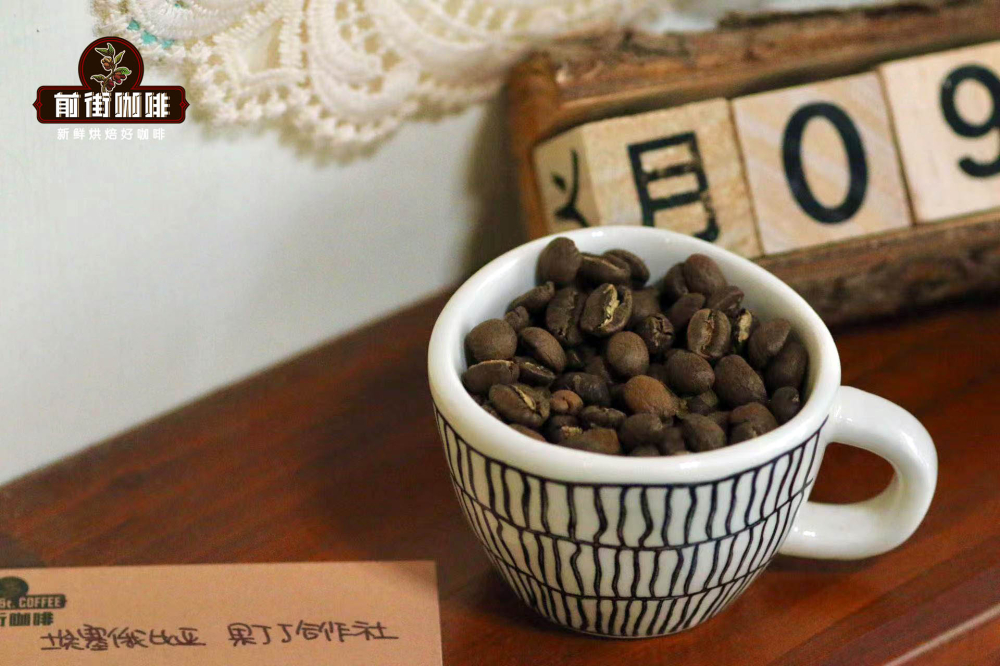
Brazilian coffee cultivation is concentrated in seven major states including Minas and São Paulo, with Minas contributing 48% of national production, while Espírito Santo is known for large-bean coffee. Local coffee varieties are divided into three types: large-bean (robusto), small-bean (arabico), and pulped cherry coffee (cereja descascada). In recent years, the planting structure has shifted toward large-bean varieties. The typical flavor of medium-dark roasted Brazilian beans is a full-bodied, balanced nutty character, cocoa aroma, and caramel finish, suitable for drinkers who prefer a solid mouthfeel.
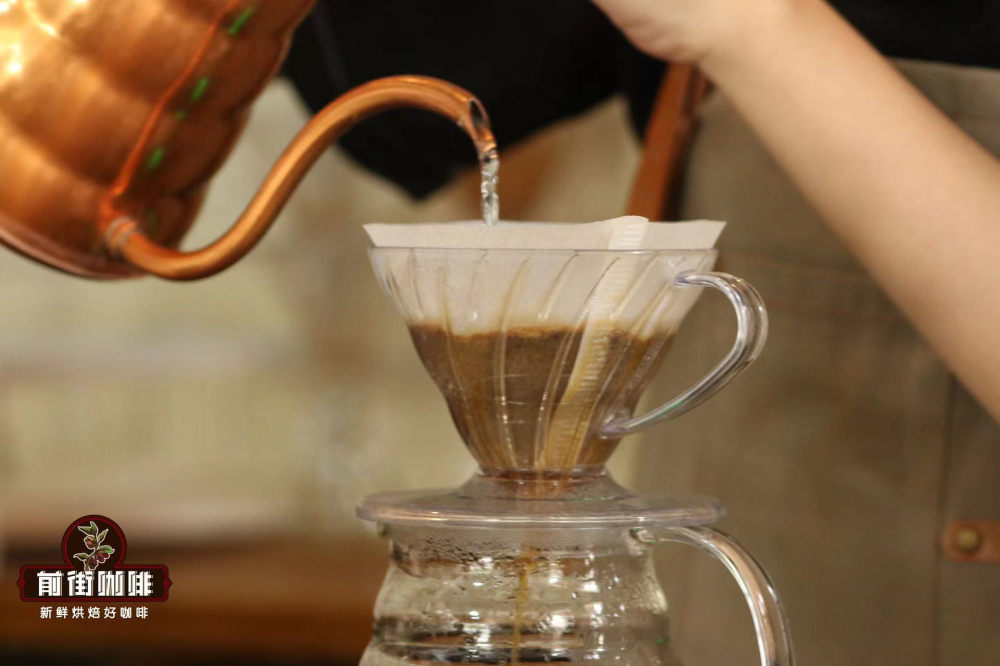
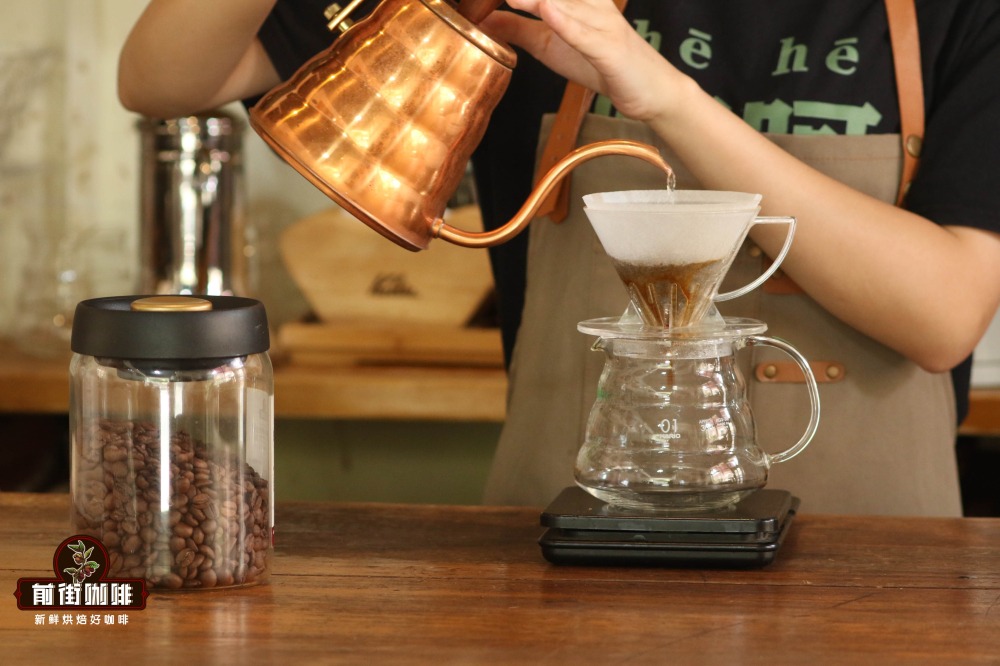
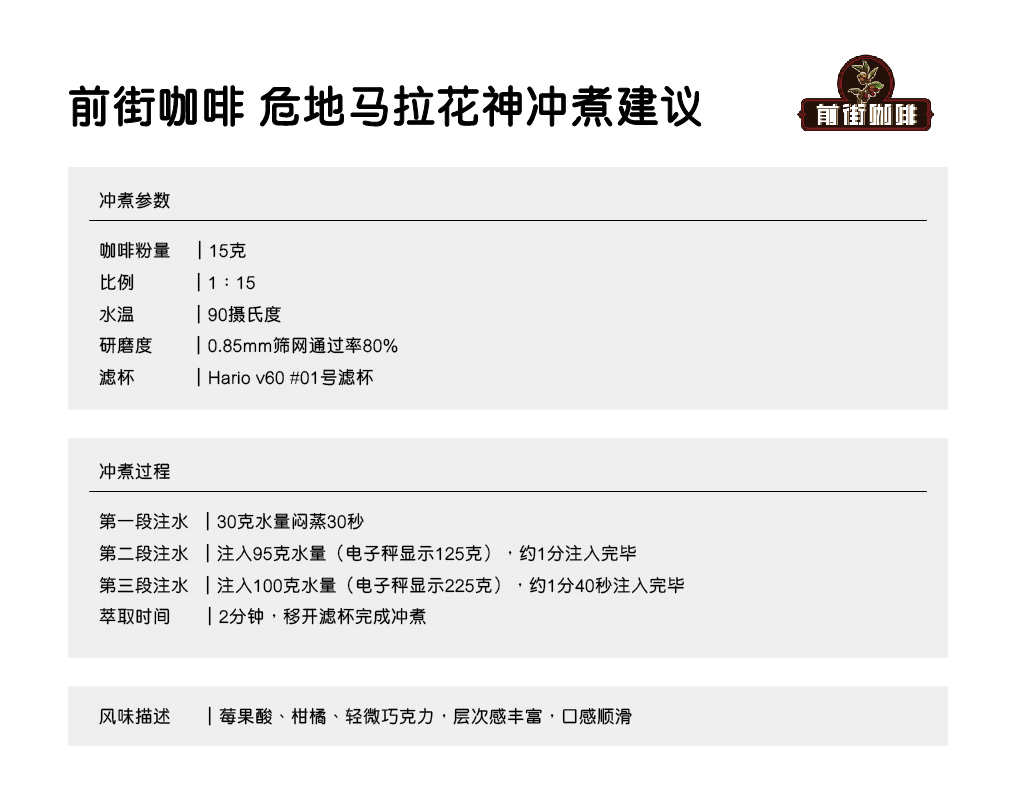
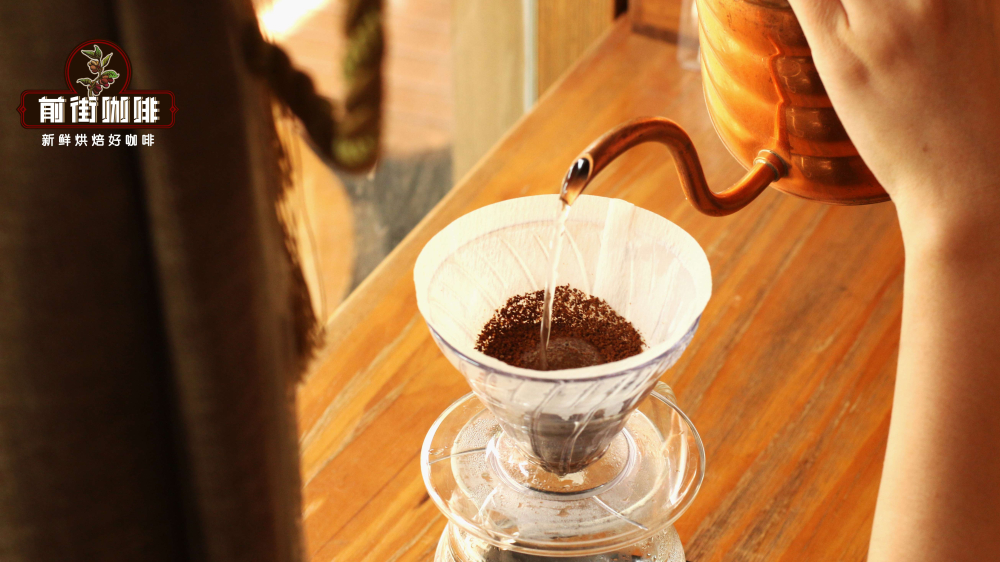
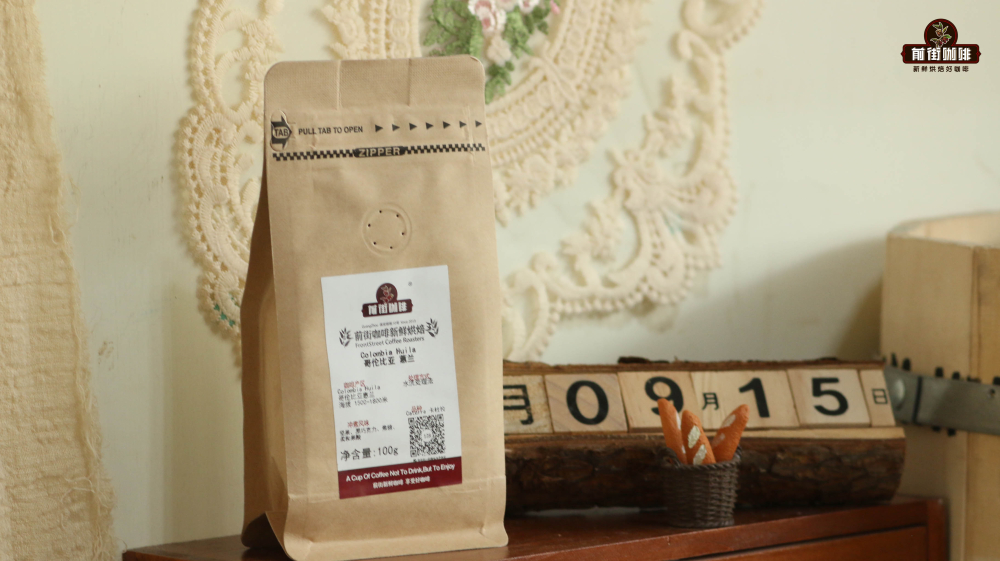
Colombian coffee is mainly mild Arabica, with a planting area of 775,000 hectares (2002), and is the world's second-largest exporter. At medium roast or above, it presents a balance of soft fruit acidity, nutty aroma, and caramel finish. Beans from the Huila region are uniform in size and bright in color, a typical representative. For brewing, a V60 dripper is recommended, with 90°C water and a 1:15 coffee-to-water ratio, pouring in stages to 225 g, which can highlight black chocolate and nutty flavors.
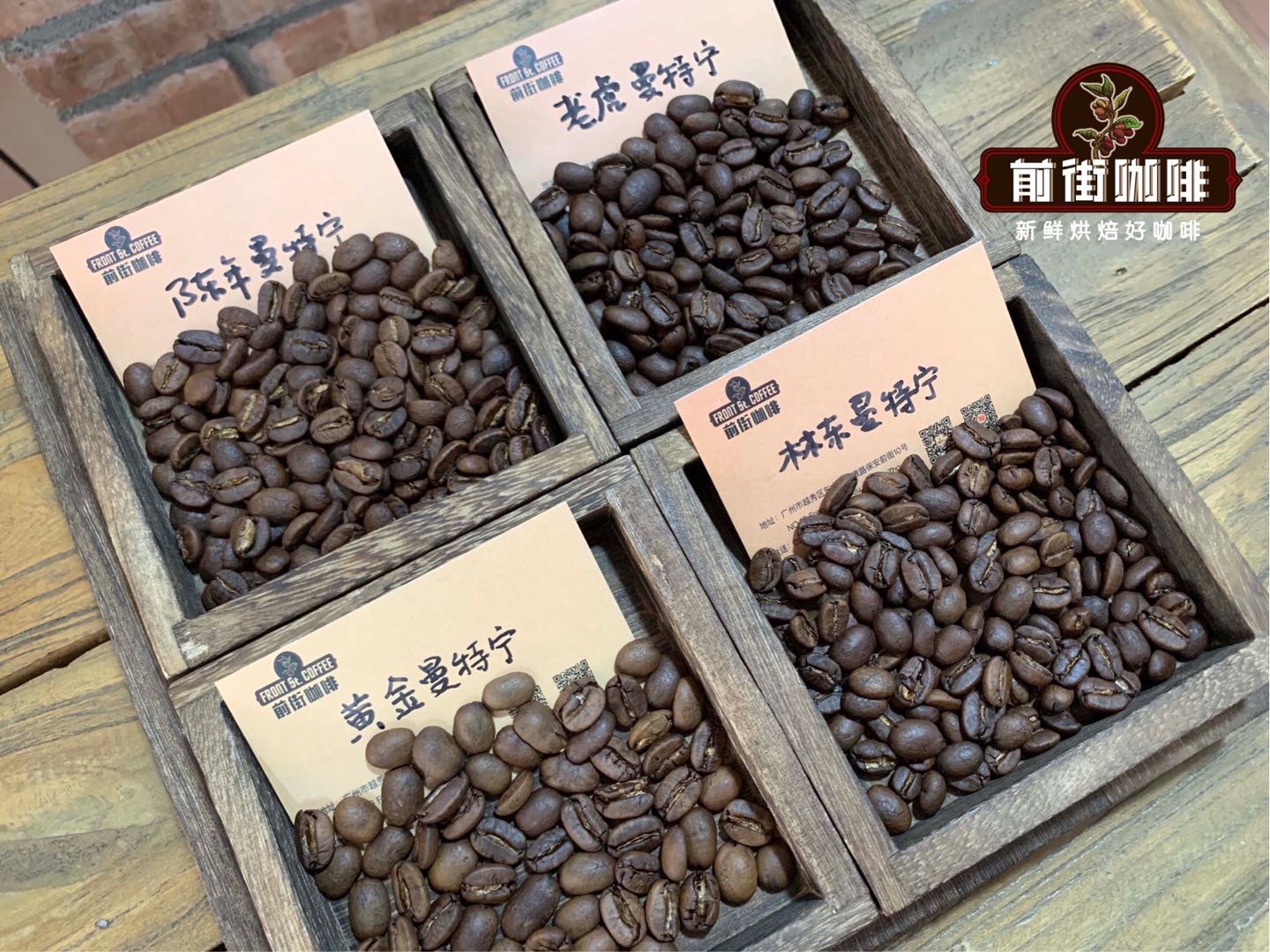
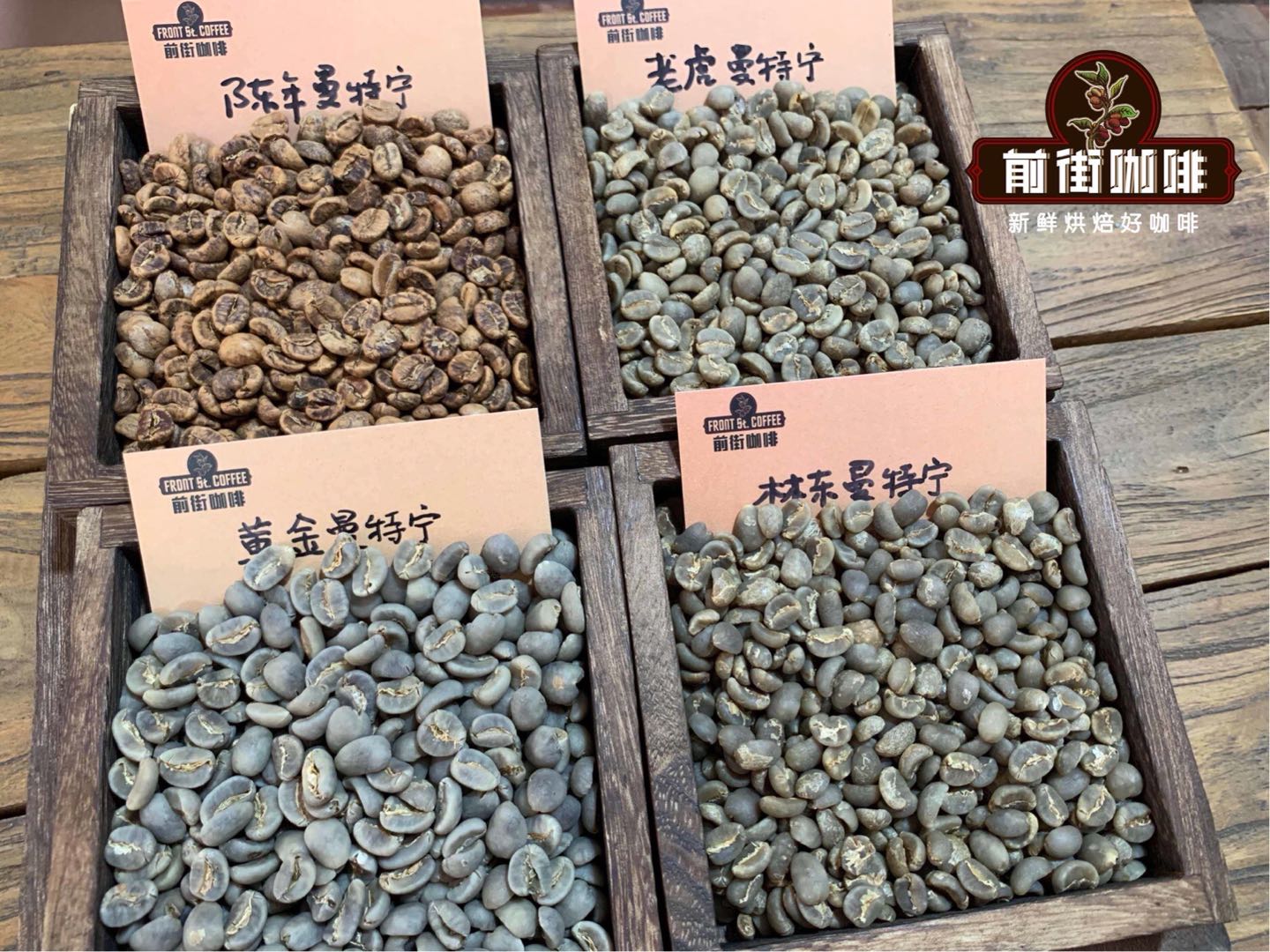
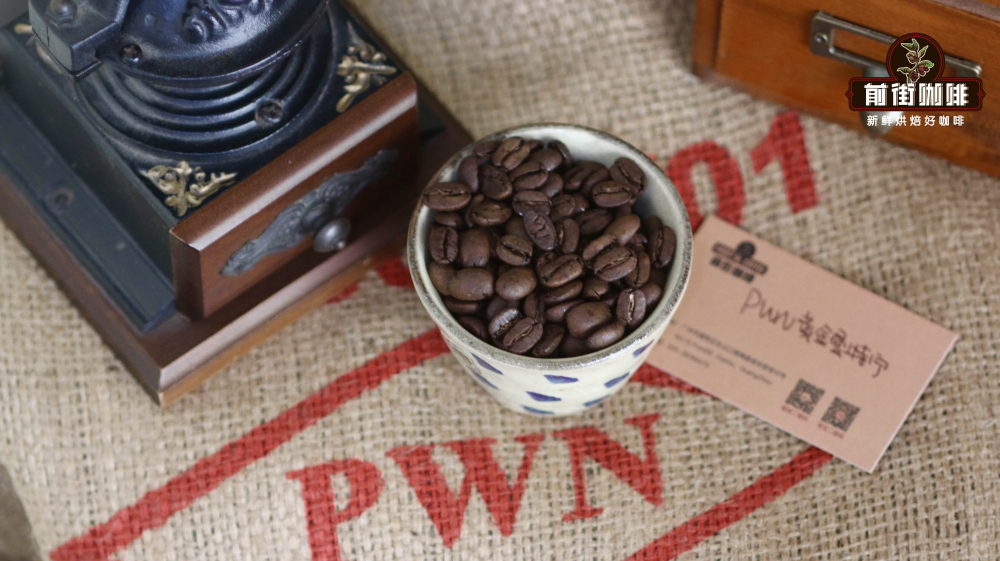
Vietnam introduced coffee at the end of the 19th century and became the world's second-largest exporter after 1990, but mainly cheap Robusta beans; its high production once caused fluctuations in international coffee prices. Indonesia's core producing areas are Java and Sumatra, with 90% Robusta. Among them, Mandheling after dark roasting shows herbal spices, cocoa fullness, and high sweetness. Golden Mandheling, screened at 19+ mesh, has large beans and is processed by wet hulling, with rich flavor layers.
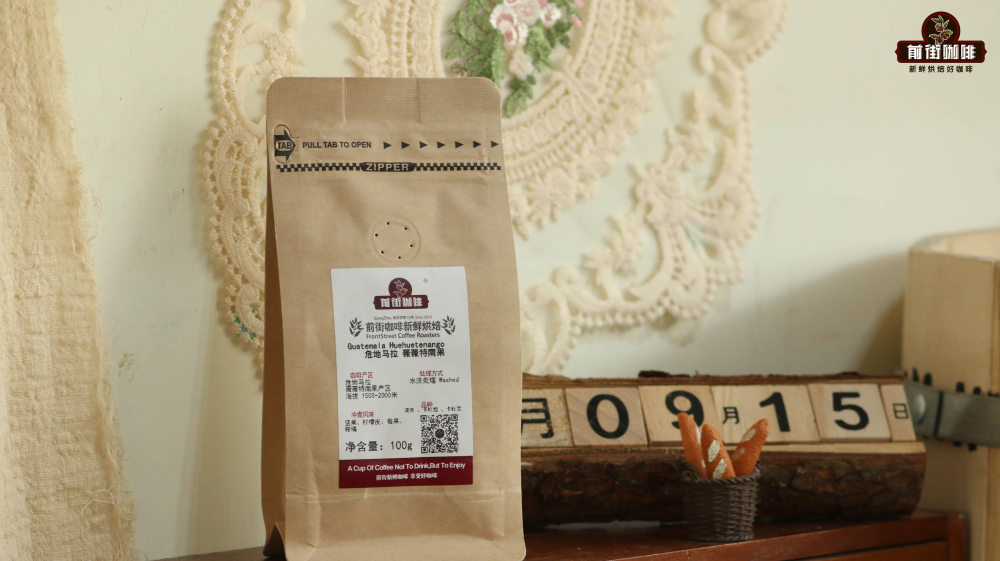
Mexican coffee is concentrated in the southern mountain ranges, with the United States as its main export market. Medium roast or above releases cocoa-nutty aroma, honey-almond notes, and sucrose finish, suitable for making classic American coffee. Guatemala relies on volcanic soil and high-altitude environments; in the Antigua region, Bourbon and Caturra varieties are washed and present soft fruit acidity, slight smoky aroma, and cocoa-caramel finish. SHB grade beans are dense, with excellent balance of acidity, sweetness, and bitterness.
El Salvador lies in the volcanic belt, with an average altitude of 650 meters, and the proportion of organic coffee is increasing yearly. Medium-light roast highlights a refreshing mouthfeel and plum-spice notes, while dark roast releases rich chocolate flavors. The Chocolate Lover Estate's 50% washed + 50% honey processing combines milky smoothness with cocoa-nutty notes; brewing with a V60 at 90°C balances fruit acidity and creamy texture.
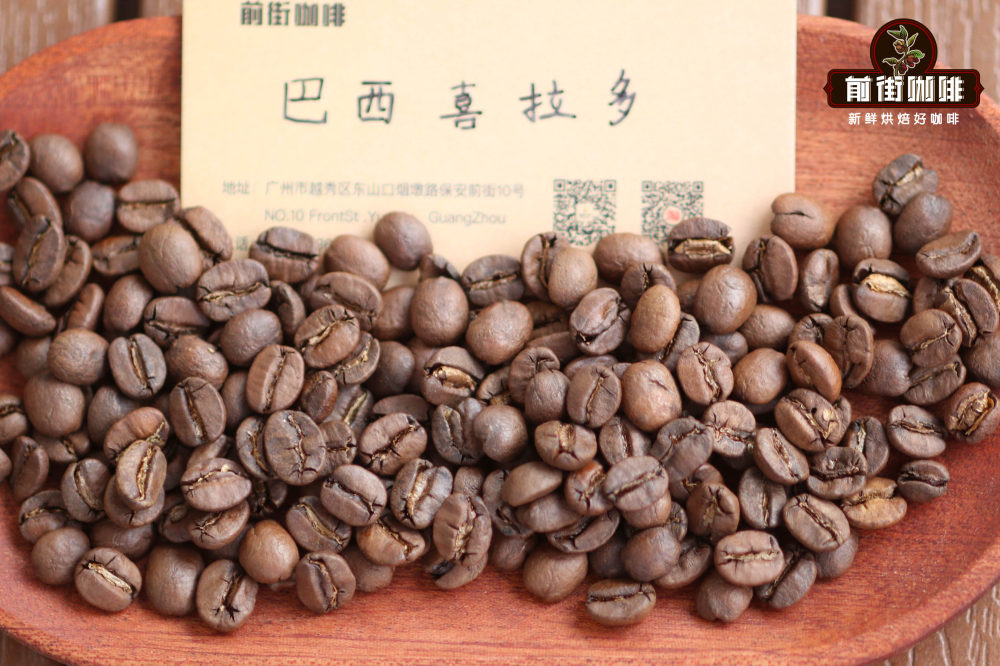
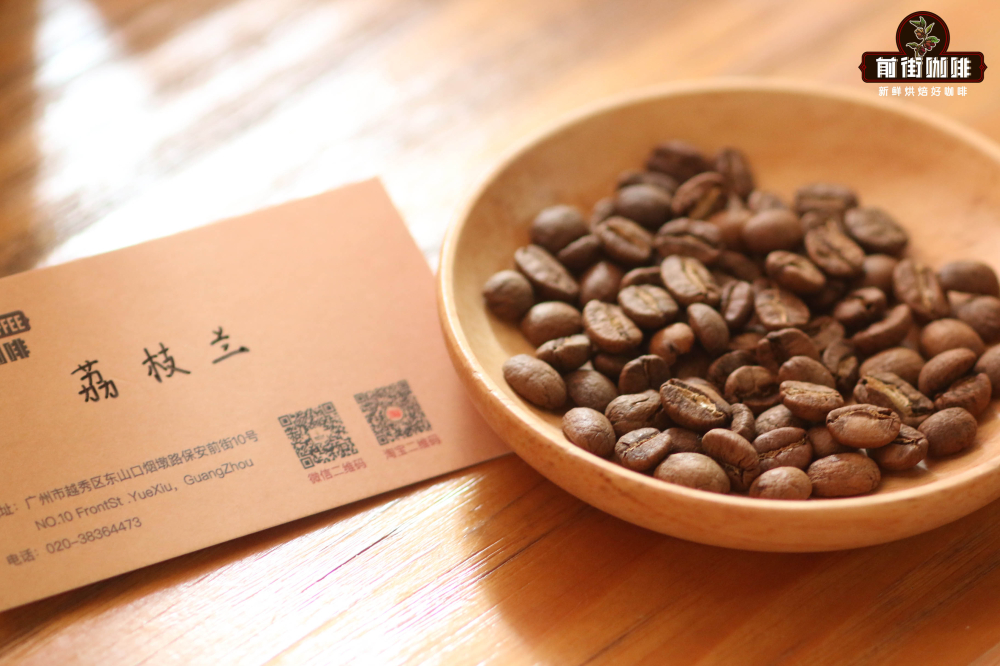
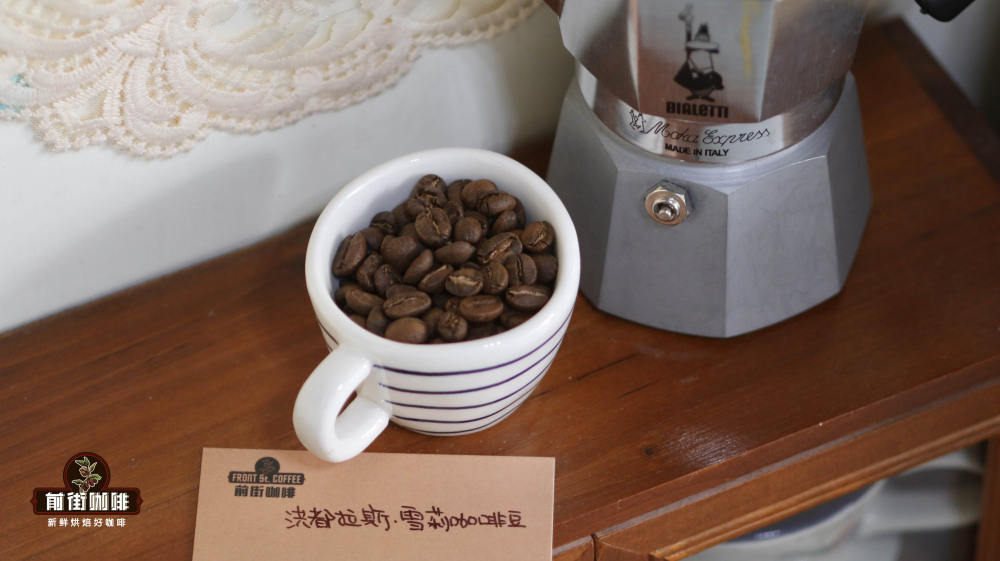
Honduras grades coffee by altitude; the Moka Estate in the Marcala region is known for Caturra and Catuai varieties. Refined washing + brandy barrel fermentation gives Lychee Orchid coffee a brandy-cream aroma and dark chocolate finish, while whiskey-sherry barrel processing brings berry-almond and maple syrup sweetness. A Hario V60 dripper with medium-fine grind (80% passing rate), 90°C water, and 2-minute extraction highlights the complex flavors of wine and nuts.
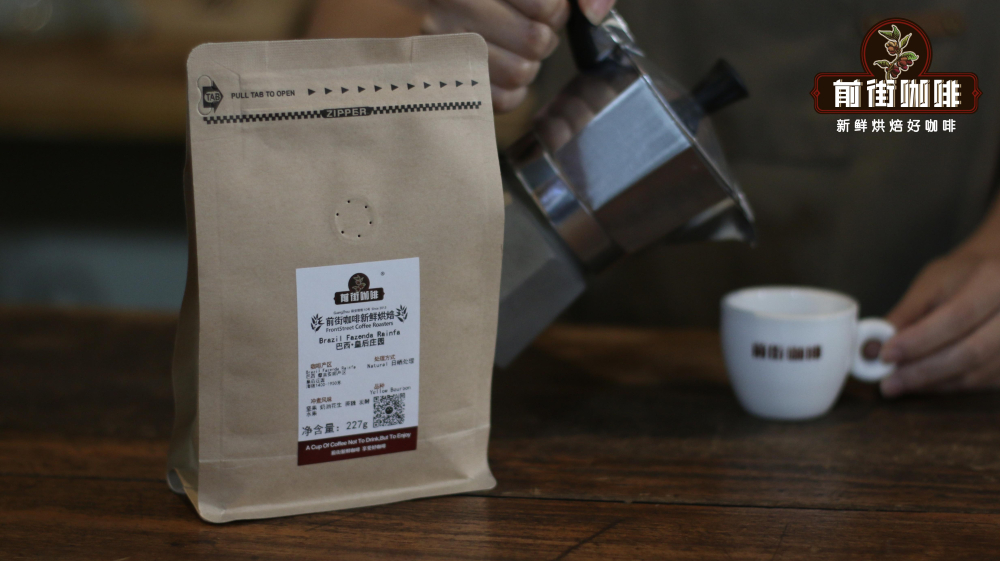
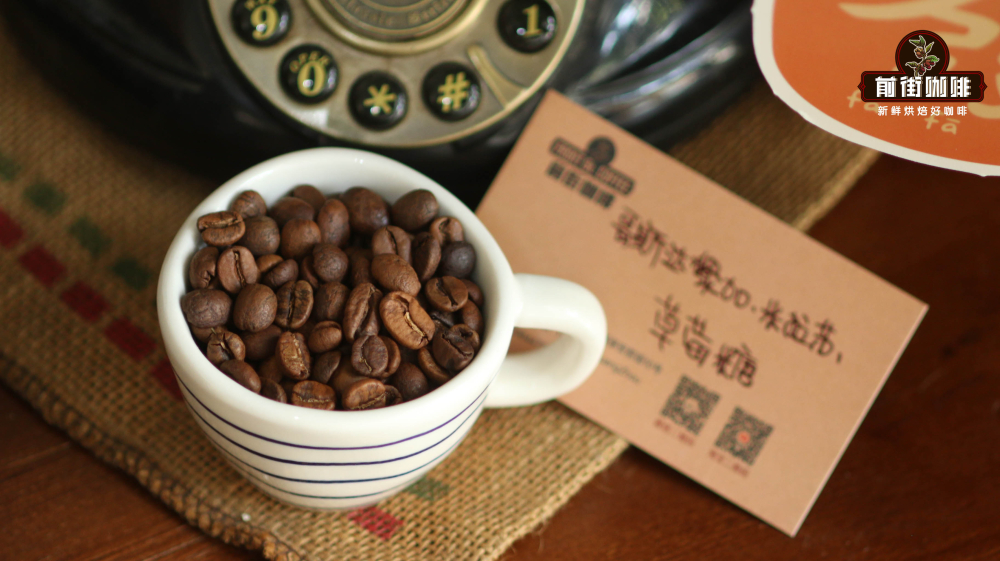
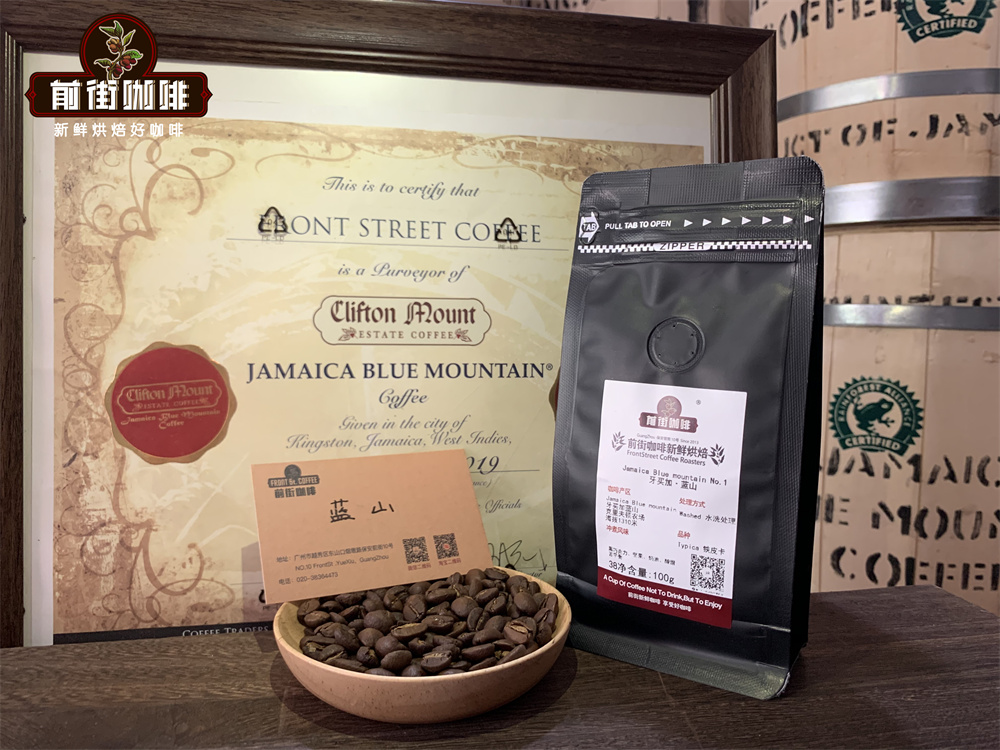
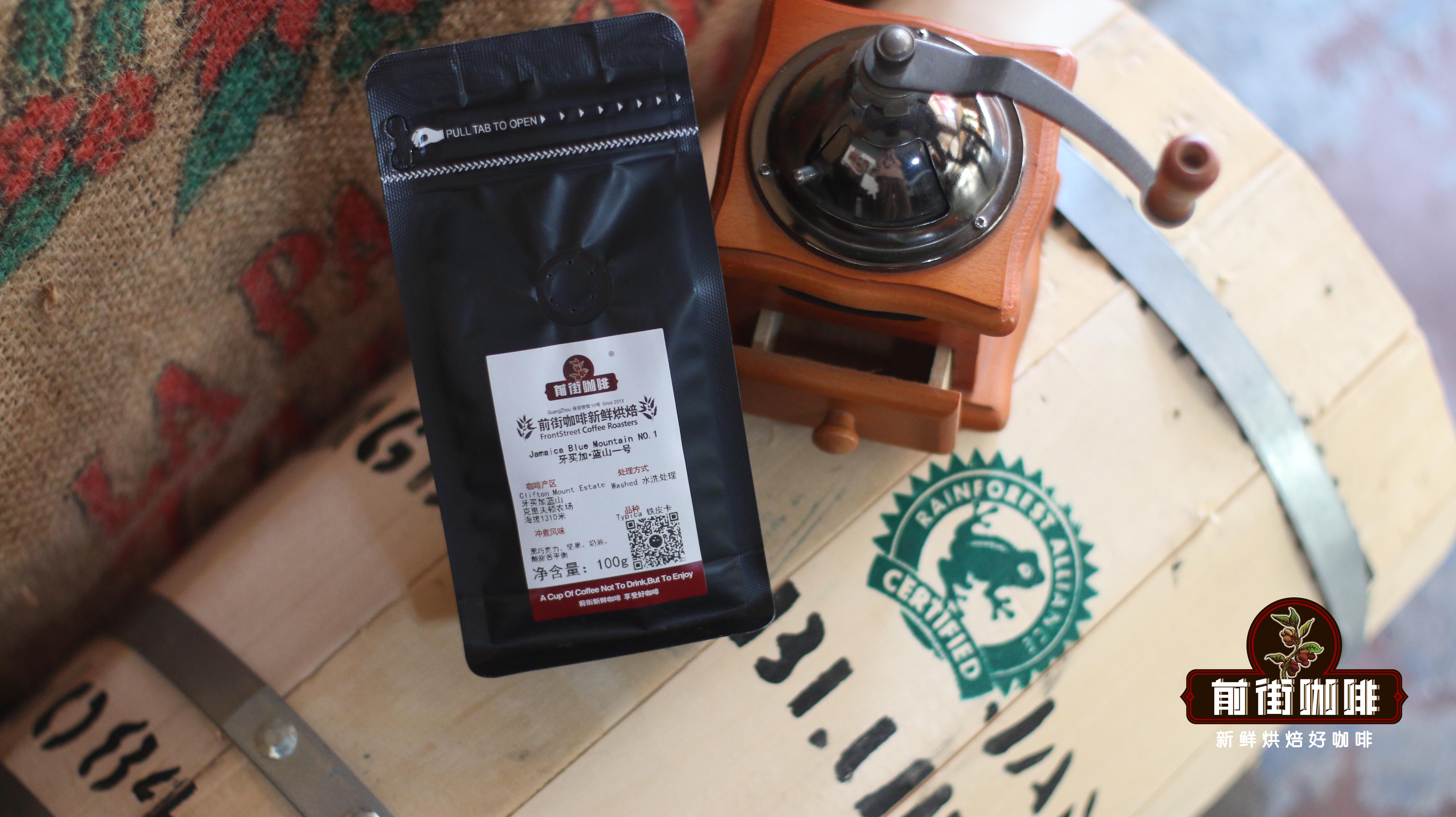
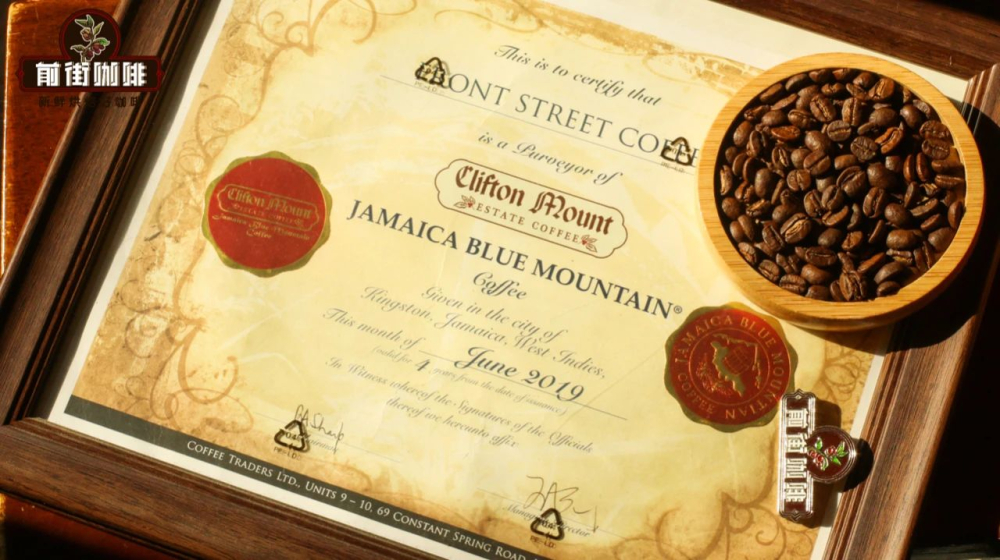
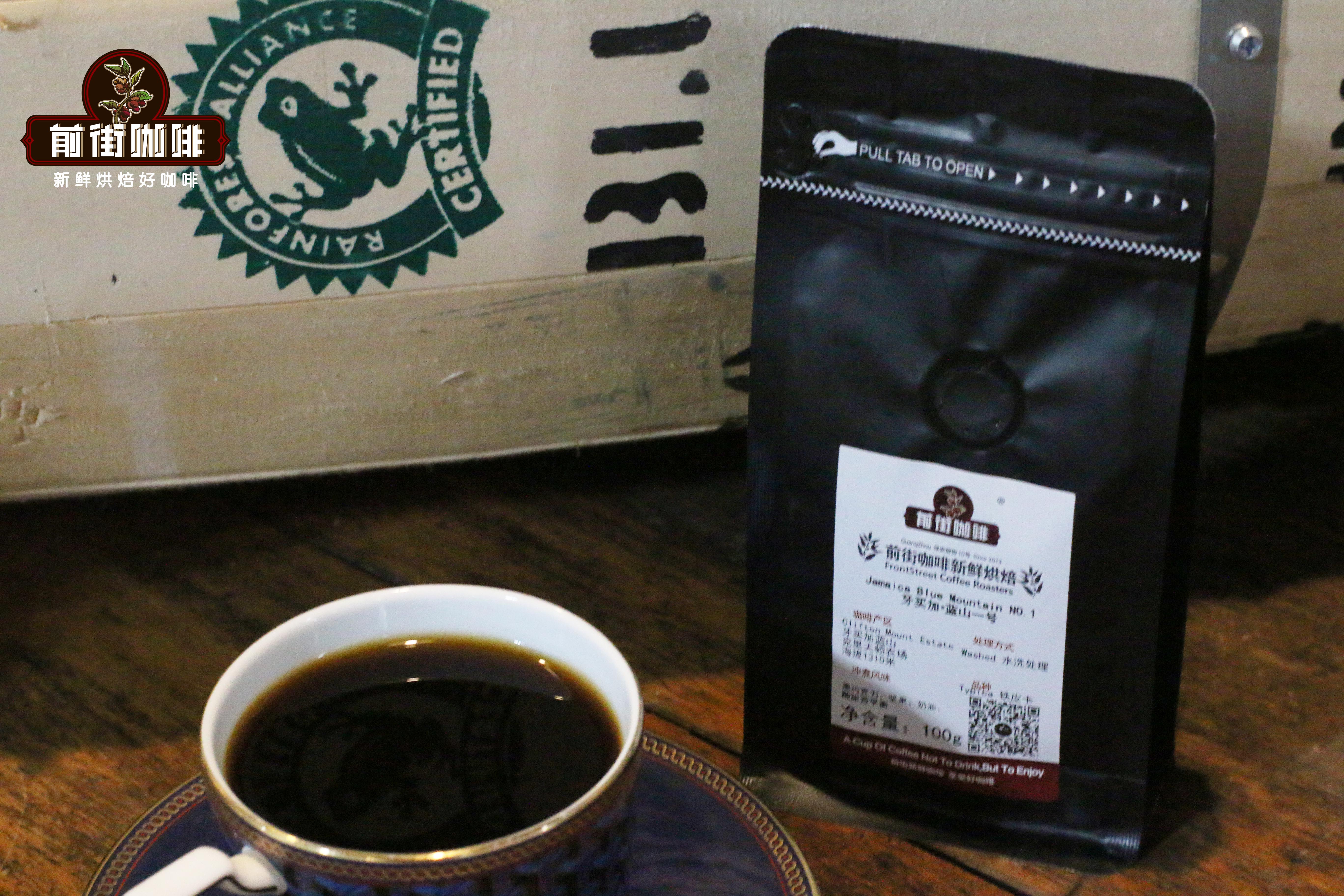
Costa Rica's Central Plateau, at 800-2000 meters, has volcanic soil that produces clean-flavored coffee. The Tarrazú region is known for balanced citrus acidity, nutty cocoa, and caramel finish. The Mirazu Estate's Strawberry Candy coffee uses raisin honey processing; after V60 medium-fine grinding and brewing, it presents a juicy mouthfeel and fermented aroma, with a red wine sweetness in the finish. In Central America, Jamaica Blue Mountain coffee is produced only at high altitudes of 910-1700 meters; Typica variety is certified for export in wooden barrels, medium roast or above presents a balanced full body of acidity, sweetness, and bitterness, with prominent black sugar sweetness in the finish.
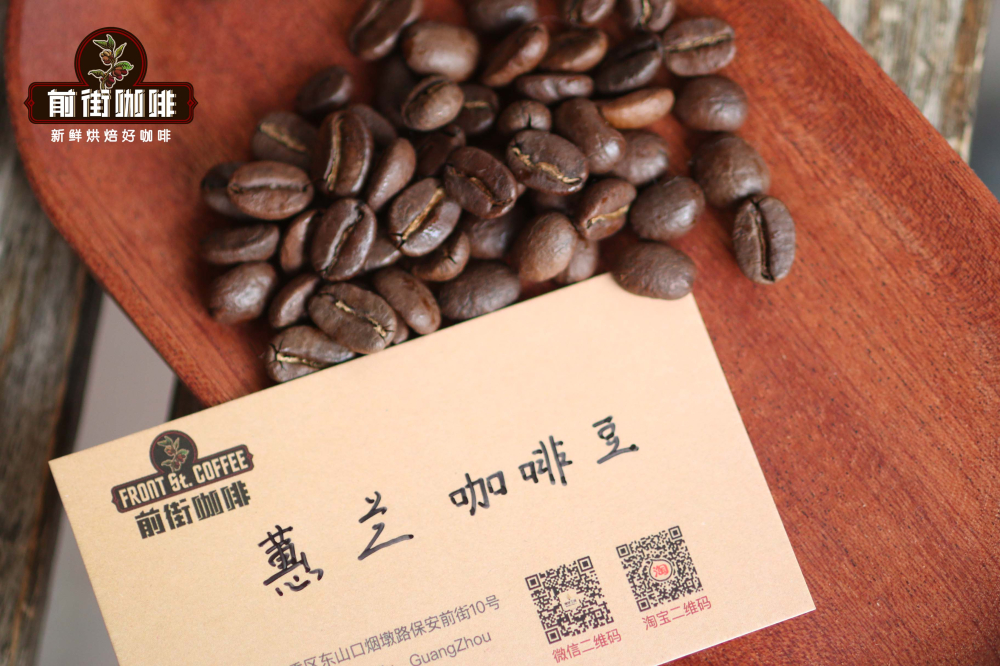
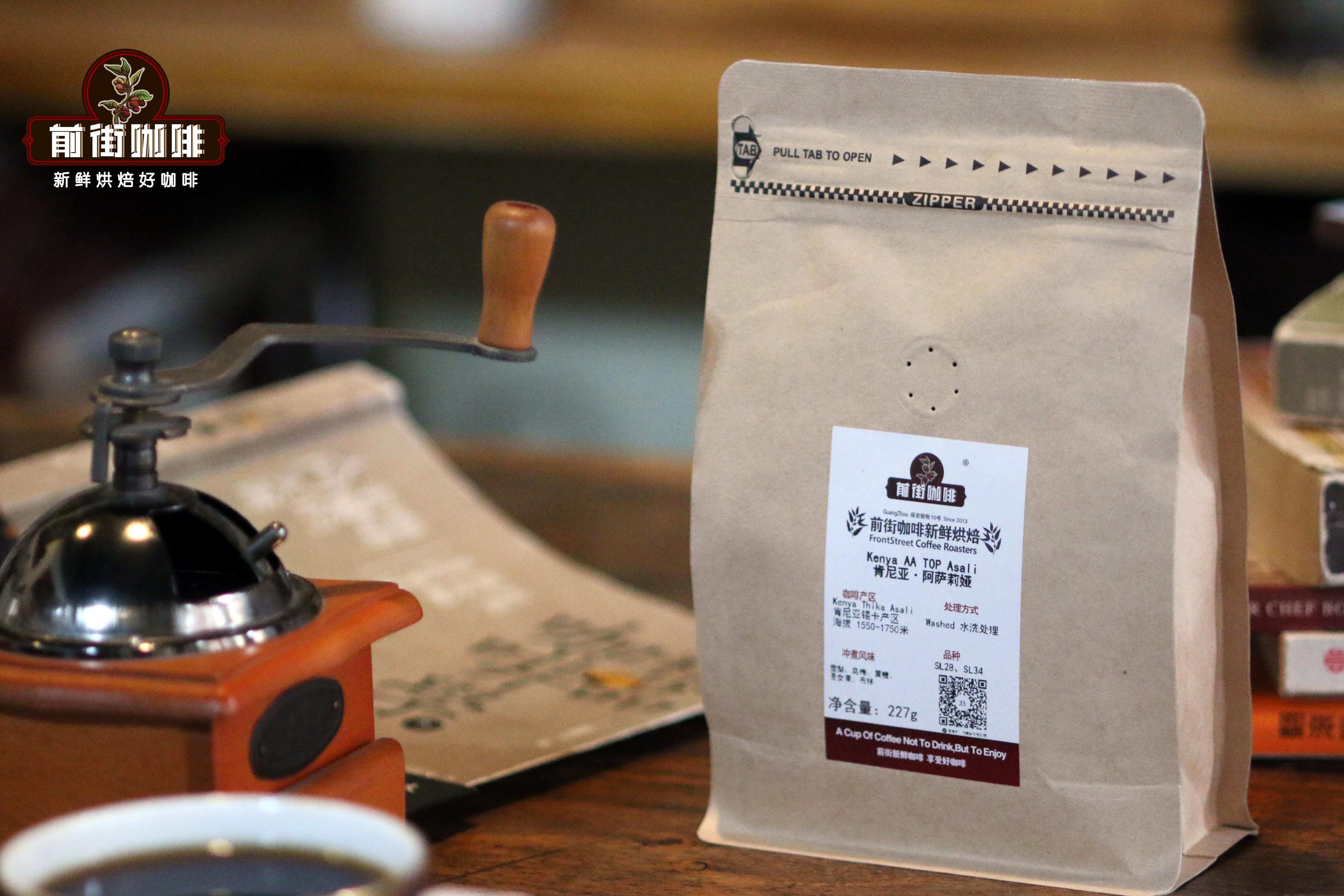
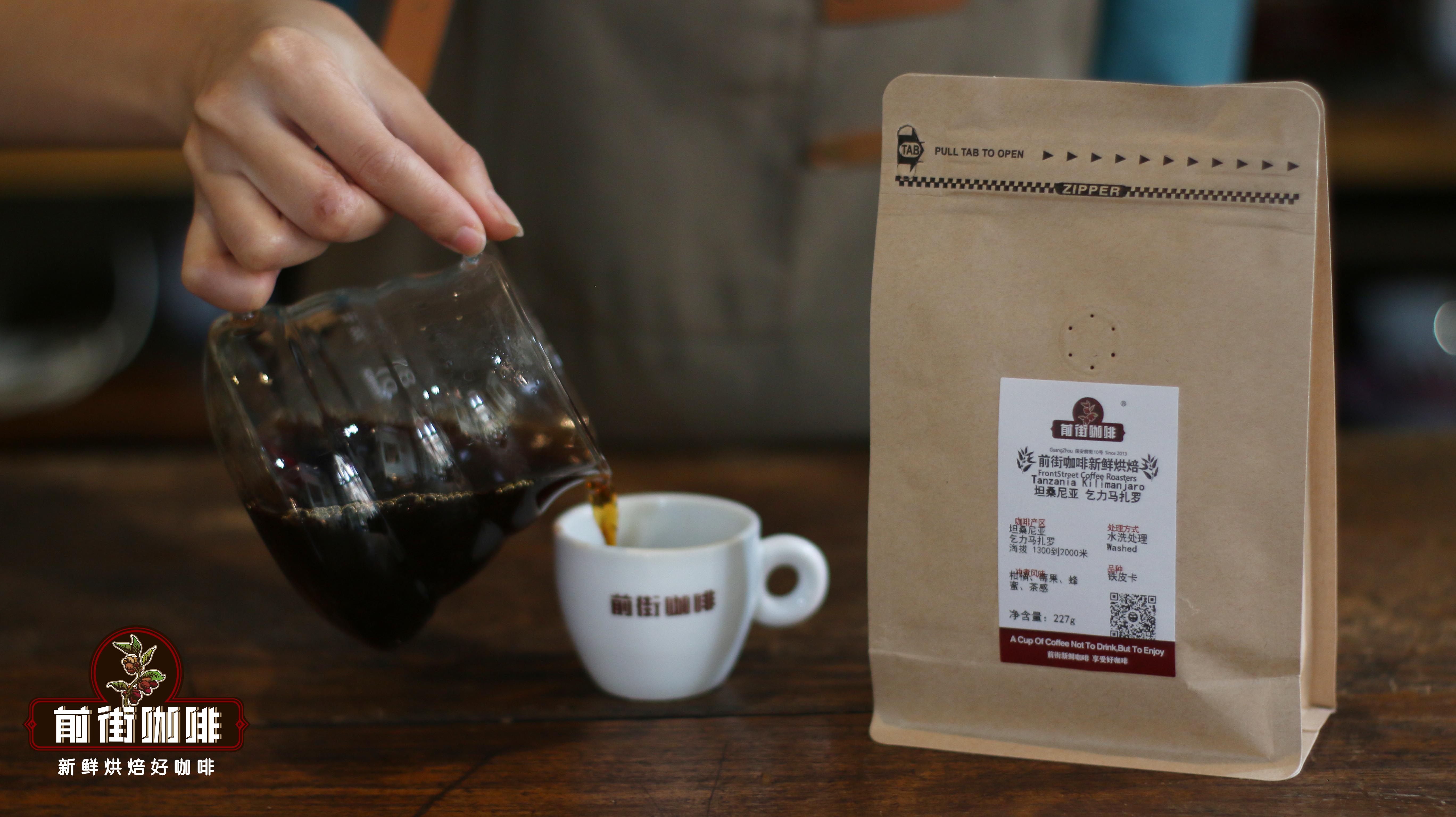
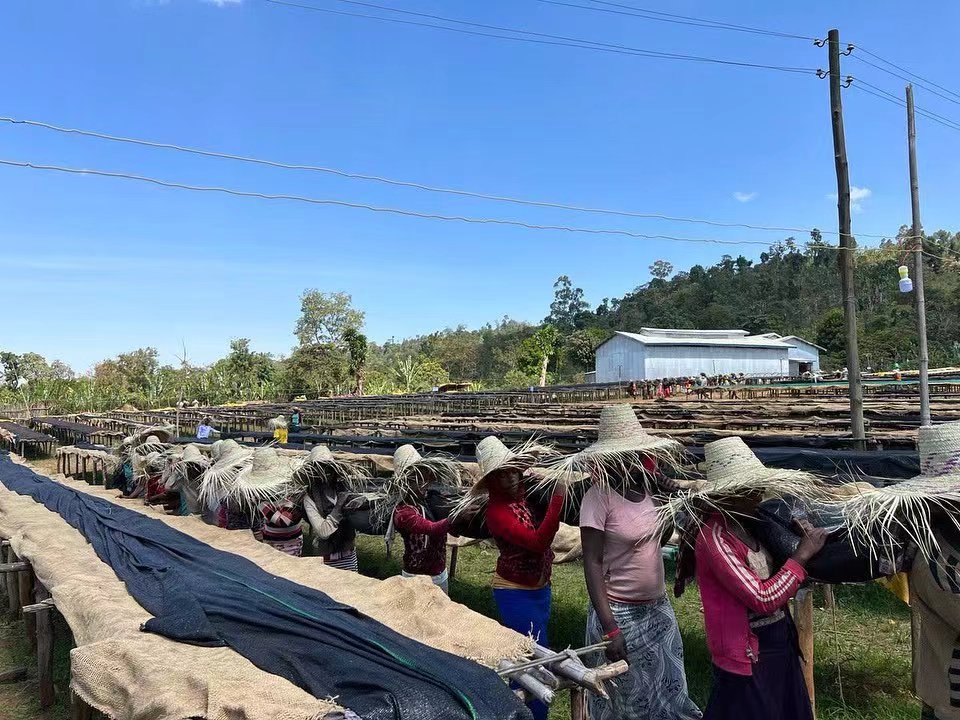
Among African regions, Kenya mainly grows Bourbon small-bean varieties; light-medium roast releases full fruit acidity (similar to cherry tomatoes), plum notes, and yellow sugar sweetness. Tanzania's Kilimanjaro volcanic region has a high proportion of Peaberry; light roast highlights citrus and berry aromas, while dark roast strengthens sweetness and nutty-chocolate notes. Ethiopia, the birthplace of coffee, is known for the Yirgacheffe region (the original text is incomplete) with floral-citrus notes; differences between washed and natural processing can be further analyzed later.
In summary, Brazilian coffee, with its diverse regions and variety combinations, covers a full spectrum of flavors from nutty cocoa to caramel fullness; paired with medium-dark roasting and standard V60 parameters (such as 90°C water and 1:15 coffee-to-water ratio), it can precisely present regional characteristics. Whether for daily drinking that seeks balance or for advanced players exploring complex flavors, classic bean varieties from Brazil and other main producing regions can provide rich taste experiences.