Sumatra Mandheling Pour-Over Guide: Ratio and Flavor Tuning
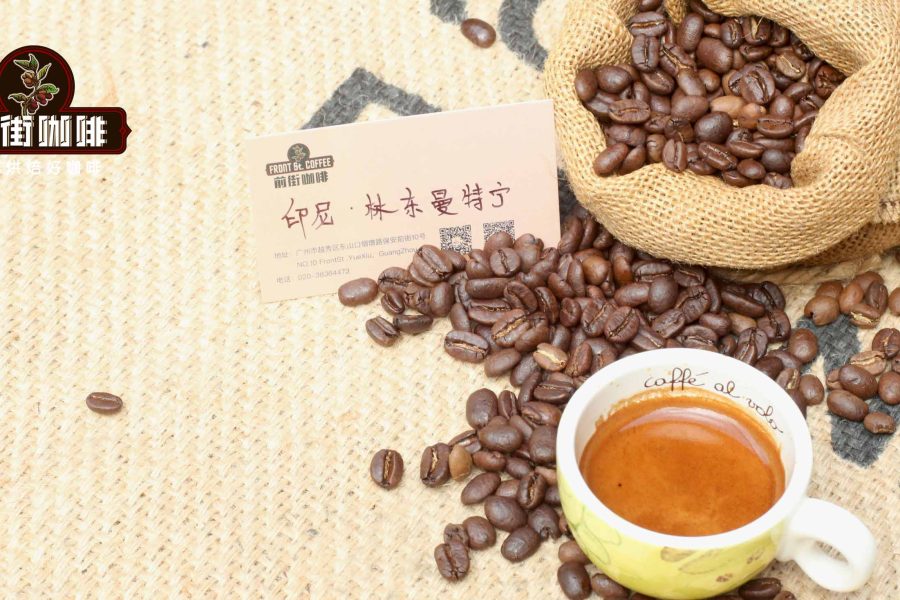
Introduction: Indonesian Sumatra Mandheling is a classic coffee variety well known to coffee enthusiasts worldwide, prized for its unique full body and low acidity. This article provides an in-depth analysis of Mandheling's origin background and variety characteristics, with a focus on pour-over water-to-coffee ratio adjustment techniques and parameter settings. Through practical brewing examples, it demonstrates how to highlight its signature spice, chocolate, and caramel flavors, helping you brew a complex, high-quality Mandheling at home.
Indonesia's coffee cultivation history dates back to the 17th century, when Dutch colonists first introduced Arabica coffee seedlings to Ceylon (now Sri Lanka) and Indonesia. However, the leaf rust disease outbreak of 1877 nearly destroyed all local Arabica coffee trees, forcing growers to introduce the more disease-resistant Robusta variety. Today, Indonesia is the world's fourth-largest coffee producer, and together with Vietnam (the world's second-largest producing region), it accounts for the majority of Asia's coffee output.

Indonesia's main coffee-producing regions are concentrated in Java, Sumatra, and Sulawesi. Sumatra, as a core global Robusta region, has about 90% of its coffee coming from small family farms, with only 6%–10% being Arabica. Sumatra Mandheling is precisely the representative of this scarce Arabica—the island lies in the equatorial tropical rainforest climate zone, with coffee trees mostly planted on sunny slopes at elevations of 750–1,500 meters, grown without shade and with no chemical agents used throughout the process.
Many people new to Mandheling are often put off by its strong bitter impression, but in fact this deep bitterness is often accompanied by a unique sweet aftertaste. High-quality Mandheling is known for its full body and is especially suitable for drinkers who prefer intense flavors. Compared with the fresh fruit notes displayed by light roasts, medium-dark roasts better awaken its signature thick texture and woody aroma, making the mouthfeel smooth and weighty like syrup.

In terms of flavor characteristics, Mandheling often carries distinct dark chocolate, dark spice, and nutty base notes, accompanied by moderate caramel sweetness and extremely low acidity. This profile makes it an ideal choice for those who dislike citrus-like fruit acidity. It is particularly worth noting that its balanced full body and low acidity also make it perform excellently when paired with food.
For pour-over brewing, the following proven parameter combination is recommended: use a KONO dripper, control water temperature at 88°C, adjust grind size to coarse sugar level (about 70% passing through a No. 20 sieve), set coffee-to-water ratio at 1:15. Taking 15 grams of coffee as an example, the specific process can be divided into three stages: first, pour 30 grams of water for a 30-second bloom to activate; then pour in a circular motion to 115 grams and pause, waiting for the water level to drop to half the height of the filter paper before continuing; finally, slowly pour to a total water amount of 220 grams. It is recommended to discard the last 5 grams of tail water to ensure flavor purity, with the overall extraction time controlled at about 2 minutes.

Under these parameters, Mandheling will present rich flavor layers: in the initial stage, warm notes of spices and sandalwood can be detected; in the middle stage, the full-bodied feel of dark chocolate and roasted nuts develops; and the finish continuously releases caramel sweetness. The key is to ensure precise coordination between grind size and water temperature—too fine a grind easily leads to over-extraction and bitterness, while insufficient water temperature may suppress the release of aromas.
For enthusiasts seeking different flavors, the water-to-coffee ratio can be fine-tuned to emphasize specific aspects: if you prefer brighter acidity and a lighter body, adjust the ratio to 1:16 and raise the water temperature to 90°C; if you wish to enhance body and sweetness, use a 1:14 ratio and slightly lower the water temperature to 86°C. Regardless of which approach, a steady pouring technique and even coffee bed distribution are the foundation for ensuring extraction consistency.

Finally, a reminder of several common pitfalls: avoid using boiling water directly for brewing (which can cause over-extraction); it is recommended to boil water in advance and let it sit for 30 seconds to cool; when pouring, maintain a steady circular motion to ensure all coffee grounds are evenly saturated; the amount of water during the bloom stage should be enough to soak through all the coffee bed but not excessive. Once you master these details, you will be better able to showcase the unique regional flavor charm of Sumatra Mandheling.