Colombia vs Brazil coffee beans: flavor, body and farming culture
Introduction: A close comparison of the core differences between Colombia and Brazil, the two major coffee-producing regions, from growing altitude and processing methods to flavor characteristics, explaining why Colombian beans are known for their balance and smoothness while Brazilian beans have a fuller, nuttier character. This article also reveals the smallholder, meticulous farming culture behind Colombian coffee and the unique advantages of Arabica coffee, helping you find the beans suited to pour-over or espresso.
In the specialty coffee world, Colombian coffee is highly regarded for its silky, balanced mouthfeel. These beans from South America not only have a well-judged balance of acidity and bitterness but also, thanks to a distinctive farming culture, deliver layered flavor expression. Whether for everyday drinking or professional brewing, understanding the essential differences between Colombian and Brazilian coffee can help coffee lovers make more precise choices.
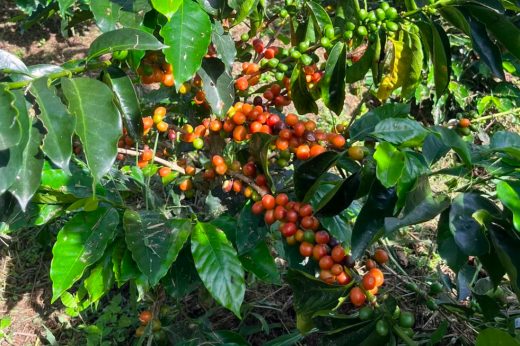
As one of the few single-origin coffees in the world named after a country, Café de Colombia owes its outstanding quality to exceptional natural conditions and careful cultivation and management. The country's main coffee regions lie in the highlands of the three parallel ranges of the Andes, where volcanic soil at 1,200–1,800 meters combined with average annual temperatures of 18–22°C provides an ideal growing environment for Arabica trees. Notably, more than 200 days of cloud cover a year effectively slow the ripening of the coffee cherries and promote the accumulation of flavor compounds.
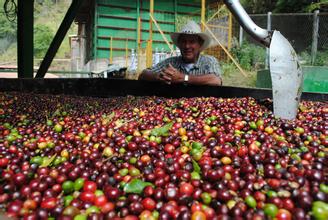
Unlike Brazil's widespread large-scale hillside planting, 78% of Colombia's coffee farms are family-run smallholdings (averaging just 1.8 hectares), and banana trees are usually planted beneath the coffee trees to form a natural shade system. This traditional agroforestry model both maintains soil moisture and prevents the excessive astringency caused by direct sunlight. Local growers build temporary shade nets around the coffee trees, precisely controlling daily sunlight to between 4 and 6 hours—a key parameter that directly affects the development of fruit acidity.
In terms of flavor, Colombian coffee typically shows medium-low acidity (pH 5.3–5.6) and medium body (6–7/10), with pronounced nut and chocolate notes. Beans from the Huila region in the center often show hazelnut and caramel in the finish, while coffee from the Cauca Valley in the south develops brighter citrus notes. By contrast, because Brazilian coffee is mainly grown on extensive red-soil farms at 800–1,200 meters, it generally has a fuller body (8–9/10), with typical dark chocolate and roasted almond flavors, but flatter acidity.
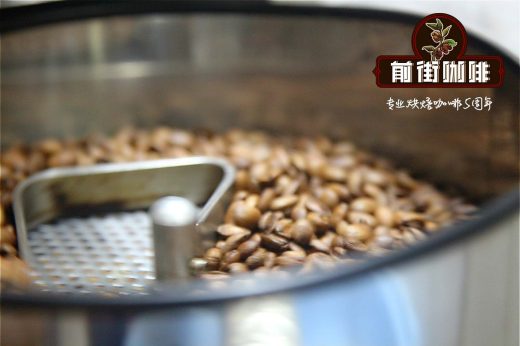
In its coffee classification system, Colombia has established a strict grading system of more than 200 micro-regions, where the Excelso and Supremo grades are distinguished by bean size (passing rate through 17–19 mesh screens) rather than by origin alone. Professional roasters suggest: washed Colombian beans suit medium-light roasts (development time 1:15–1:30) to highlight floral and fruit aromas; while sun-dried or honey-processed Geisha varieties need the roast extended to medium-dark (the dense stage of first crack) to bring out tropical fruit flavors. Because Brazilian beans are denser, the roast level is best kept between City+ and Full City (before oil spots appear on the bean surface).
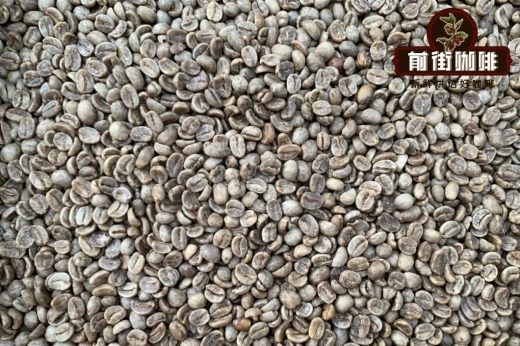
Arabica accounts for as much as 98% of coffee planted in Colombia. This species, native to Ethiopia, requires a growing altitude of no less than 900 meters, an optimal temperature range of 15–24°C and stable annual rainfall of 1,500–2,000 mm.Its oval green beans have a higher sucrose content (about 7–9%), which after professional roasting can be transformed into complex aromatic compounds. Notably, Colombian growers generally use a strict three-pass hand-sorting process to ensure each export lot of green beans has a defect rate below 0.5%—a quality standard ordinary commercial beans struggle to reach.
For coffee lovers, a simple way to tell Colombian and Brazilian beans apart is to observe the aroma after grinding: the former gives off a fresh blend of citrus and caramel, while the latter presents an intense nutty, toasted-bread smell. Brewing parameters: with a V60 dripper, try a 1:15 coffee-to-water ratio (93°C water) for Colombian beans to highlight the sweet-acid balance; Brazilian beans are better suited to a French press (90°C water, 4-minute steep), which shows off their full body. Master these key differences, and you can choose the coffee beans that best match different drinking occasions.