Colombia vs. Brazil Coffee Beans: From Growing to Brewing

Introduction: This article examines the core differences between Colombia and Brazil, two major coffee-producing regions, comparing altitude, processing methods, and flavor characteristics, and provides a professional pour-over recipe. It not only details the distinctive aroma layers and body of these two specialty coffees, but also includes precise grind-size selection, water-temperature control, and brewing parameters for home roasting, helping you recreate a café-level flavor experience at home.
As two of the world's major specialty coffee regions, Colombia and Brazil each have distinctly different coffees. Colombia, with the high-altitude advantage of the Andes (generally grown at 1,200–1,800 meters), produces high-quality arabica with balanced acidity and sweetness, particularly notable for its berry notes and citrus finish; Brazil, relying on its broad, gentle highlands (mostly 800–1,200 meters), is known for a nutty-chocolate base and low-acid, full-bodied cup.
In terms of flavor, Colombian coffee's wet aroma carries a clear caramel sweetness; on the palate the acidity is bright but not sharp, resembling a complex mix of red berries and black tea, with a finish of subtle dark-chocolate bitterness lasting more than 15 seconds. By contrast, Brazilian coffee's dry aroma is closer to toasted bread, with a gentler flavor development and a bitter-to-sweet ratio of about 6:4, often showing a rich caramelized-sugar character and a mild almond bitterness.
For home users, grind size directly affects extraction: for Colombian coffee, a medium-fine grind is recommended (70–75% passing through a Chinese standard No. 20 sieve); with water at 90–93°C it fully releases the floral and fruity notes. Brazilian coffee is better suited to a medium-coarse grind (60–65% passing the same sieve); water at 88–90°C avoids the woody off-flavors caused by over-extraction. Pay special attention to freshness management—10–20 days after roasting is the optimal flavor window, and storage in packaging with a one-way degassing valve is recommended.
Standard pour-over recipe demonstration: take 15 grams of ground Colombian coffee and 200 milliliters of filtered water (recommended mineral content 50–100 mg/L). Follow a 30-second bloom, then staged pouring (first pour 50 ml of bloom water, wait 30 seconds, then pour linearly up to a total of 200 ml), with total extraction time controlled at 2 minutes 10 seconds ±10 seconds. For Brazilian coffee, extraction can be extended to 2 minutes 30 seconds to reinforce the full-bodied texture.
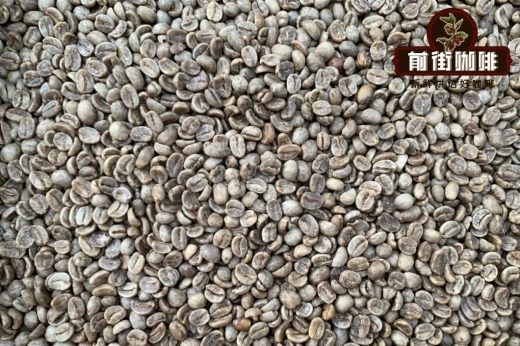
(Image placeholder retained: showing the difference in green-bean appearance between the two coffees.) In practice, Colombian beans usually show a blue-green sheen and a uniform shape, while Brazilian beans, because of a higher proportion of natural processing, may carry uneven yellow patches. Professional roasters suggest that a light-to-medium roast (development time 15–18%) better highlights Colombian flavor layers, while Brazilian beans suit a medium-dark roast (stopping after first crack and before second crack) to optimize sweetness.
When buying, quality can be judged with a simple test: take a small amount of ground coffee and tap it against the cup wall—high-quality Colombian beans give a crisp, glassy sound, while Brazilian beans produce a steady, woody sound. If noticeable astringency appears during brewing, it may be caused by too fine a grind or too high a water temperature; adjust the parameters and try again immediately.