Four Classic Coffees: Flavor Profiles and Pour-Over Parameters
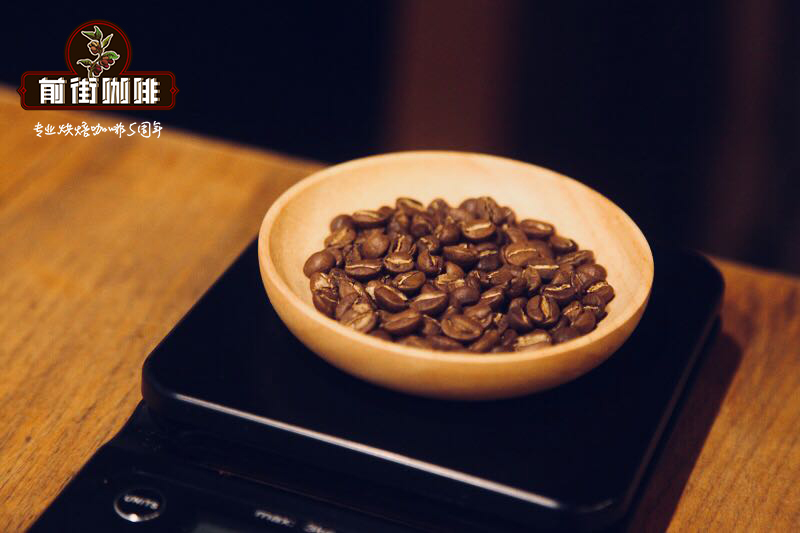
Introduction: A detailed comparison of the flavor characteristics and brewing differences of four classic coffees: Yemen Mocha, Indonesian Mandheling, Brazil, and Colombia. From fruity, wine-like notes to full body and low acidity, this guide explains each bean's unique personality and offers professional roasting recommendations and pour-over parameter plans to help coffee lovers choose precisely and improve brewing performance.
Yemen Mocha coffee is known for its distinct regional character, produced in an ancient growing region in the southwest of the Arabian Peninsula. Its flavor is complex, often with tropical fruit aromas such as blueberry and lychee, accompanied by a noticeable alcoholic ferment and spicy notes, with roasted almond or dark chocolate nuttiness emerging in the finish. Professional roasters recommend a medium-light roast (Agtron 65-70) to preserve the brightness of the floral and fruity acidity. For pour-over, keep the water temperature at 90-92°C; the grind should be slightly coarser than fine sugar (70% passing through the Chinese standard No. 20 sieve).
Mandheling coffee from Indonesia's Sumatra region presents a completely different heavy body. After a dark roast to the dense second crack stage (Agtron 45-50), the beans expand to a typical form of about 8.2 mm in diameter. Its character, with no clearly developed acidity, makes it suitable for drinks kept warm for a long time. A French press or siphon is recommended for extraction; a 1:12 coffee-to-water ratio highlights the undertones of dark chocolate and sandalwood. Avoid over-grinding, which causes bitterness; a medium-fine grind (55% passing through the Chinese standard No. 20 sieve) with 88-90°C water is best.
Brazilian coffee, representing the world's largest producer, is known for nutty notes and low-acid balance. The common Yellow Bourbon variety shows caramelized sweetness at a medium roast (Agtron 55-60), and its characteristic flat bean proportion of up to 80% requires special attention during sorting. For pour-over, a V60 dripper is recommended, with a grind close to table salt (65% passing through the No. 20 sieve). A water temperature of 86-88°C with a center-pour technique effectively highlights the soft aromas of bread yeast and cocoa powder.
Colombia's regional microclimates create its classic combination of bright citrus acidity and honey sweetness. High-altitude cultivation in the Huila region (1,400-1,800 meters) gives the beans higher density; a medium-fine grind (60% passing through the No. 20 sieve) with 90-93°C water is recommended. Its light-medium roast developed 15-20 seconds after first crack (Agtron 60-65) balances red berry acidity with brown sugar sweetness. For cold brew, extend the steep time to 18-20 hours to intensify the flavor layers.
For actual brewing, note the following: for Yemen Mocha, use fresh single-origin beans (within 10-14 days after roasting); for Mandheling, a pre-infusion method with the bloom extended to 45 seconds is preferable; for Brazilian beans, try pulse pouring (first 30 ml, then 90 ml in cycles) to improve cleanliness; and for Colombia, filtered water with hardness below 150 ppm is suitable. Mastering these detailed differences will help you experience each coffee's unique charm more precisely.


