Cold Brew Coffee Guide: Bean Selection, Ratios, Timing and Flavor

Introduction: Cold brew coffee has become a popular summer drink thanks to its refreshing taste and low bitterness. This article explains the types of coffee beans suitable for cold brew, the golden coffee-to-water ratio and extraction time, analyzes the flavor differences brought by beans from different regions, and offers key tips for extending freshness and enhancing flavor, helping you easily make a high-quality cold brew with rich layers at home.
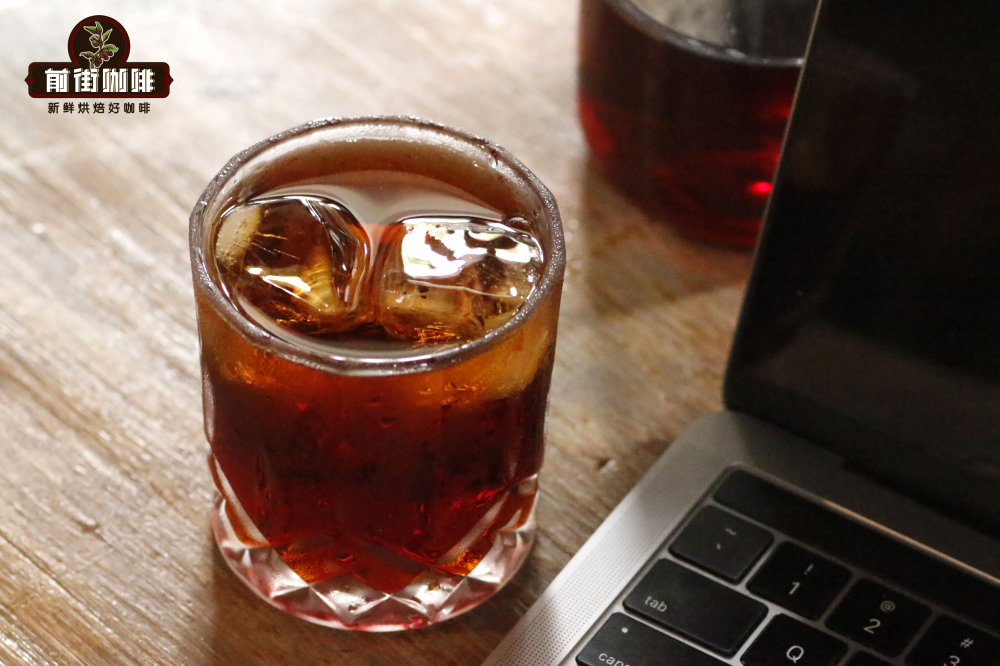
A good glass of iced coffee can effectively relieve the summer heat, and cold brew coffee is a classic choice among them. This brewing method requires no complicated equipment and only basic ingredients, and can be easily done at home or while traveling—just prepare drinking water and freshly ground coffee powder, mix them in proportion, and let it sit in the refrigerator to enjoy the flavor settled by time.
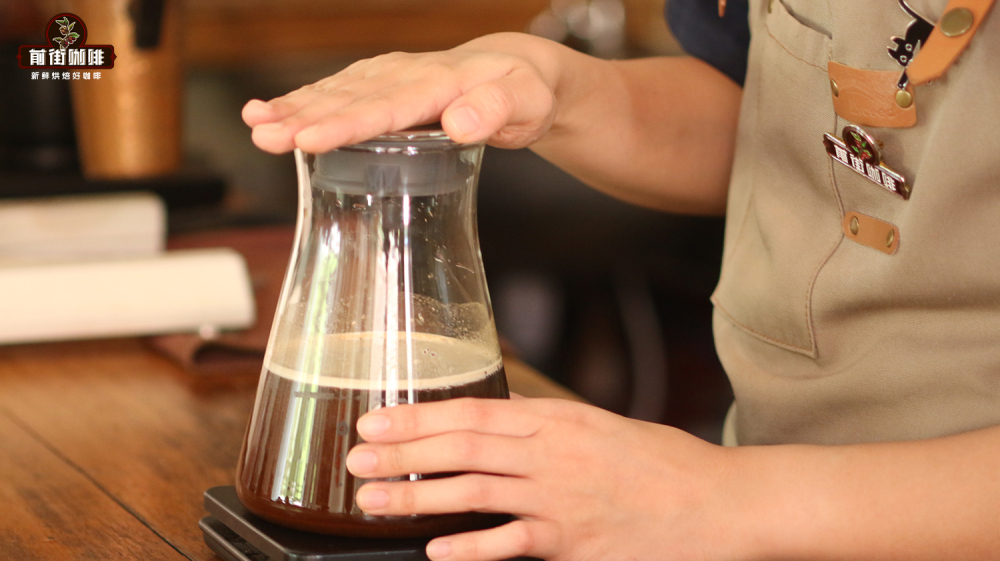
The essence of cold brew coffee is mixing coffee powder and cold water in precisely controlled proportions, then sealing and refrigerating the mixture. It is usually recommended to refrigerate for 12 hours to obtain a balanced taste; if you prefer a fuller body, you can extend it to 24 to 48 hours. This seemingly cumbersome process actually has a very low threshold in practice, making it a model of lazy-person coffee making.
There are various claims about the origin of cold brew, among which the widely circulated legend is that Dutch sailors in the 17th century soaked coffee powder in cold water at sea as an emergency measure. Although the spread of modern cold brew culture is inseparable from commercial brand promotion, as early as the 19th century this process had spread around the world along trade routes, and was especially favored in the military field for its stability advantages.
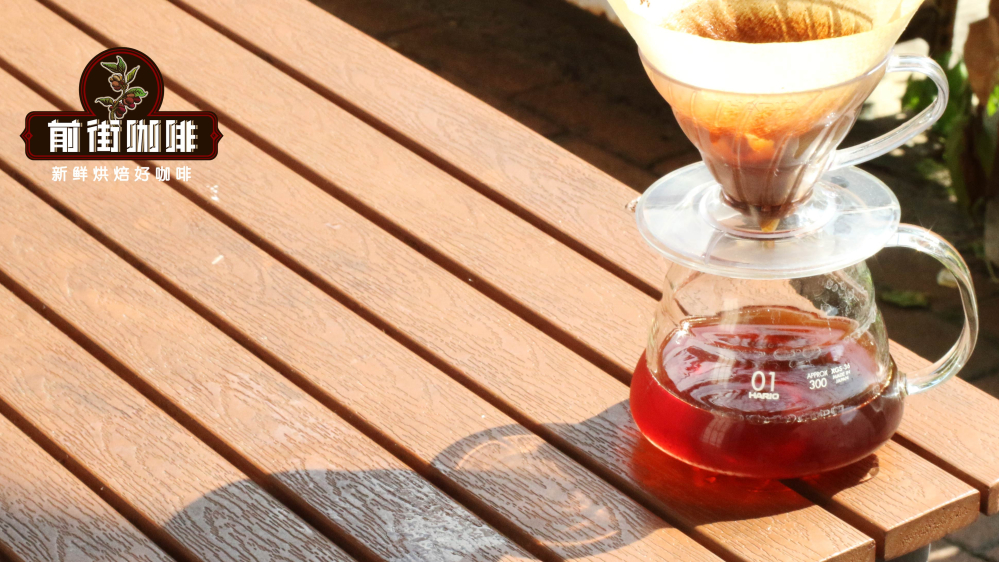
The core parameters for making cold brew must be strictly controlled: the recommended basic coffee-to-water ratio is 1:12 (for example, 50 grams of powder with 600 milliliters of ice-water mixture); the grind size follows the standard for pour-over light-roast beans, that is, about 80% passing through a No. 20 sieve (similar to fine granulated sugar particles). Seal the mixture and refrigerate it at 0-5°C; 12 to 24 hours is the golden flavor window, and overtime easily produces off-flavors from over-fermentation.
It is worth noting that the taste of cold brew coffee changes dynamically with storage time. It is recommended to let it stand for 8 hours after filtering to allow the flavors to blend, but the whole batch should be consumed within 3 to 4 days to ensure freshness. During refrigeration, regularly check for abnormal sediment or off-odors.
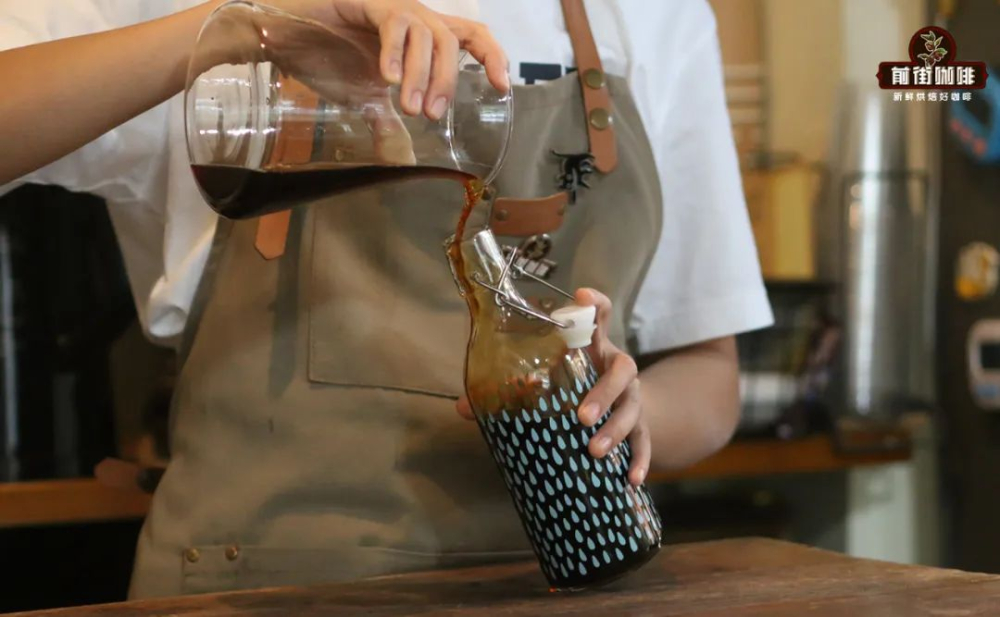
The three key factors affecting the final quality of cold brew include: grind size must match the characteristics of low-temperature extraction—prioritize light to medium roast beans, as the sweet and sour substances of such beans are more easily dissolved at low temperatures; 18 hours is the flavor peak point, and exceeding 24 hours may extract too much tannin and cause bitterness; water source directly affects purity, and filtered water or high-quality bottled water is recommended; an ice-water mixture close to 0°C can improve extraction uniformity.
The core advantage of low-temperature extraction technology lies in its gentleness: compared with traditional hot extraction (completed in 3-5 minutes at 82-95°C), cold brew extracts slowly over a long time (starting from 6 hours), which preserves the aromatic compounds of coffee while effectively avoiding the burnt bitterness and tannin release caused by high temperatures. This process makes the final product smoother, with bright acidity and fewer off-flavors.
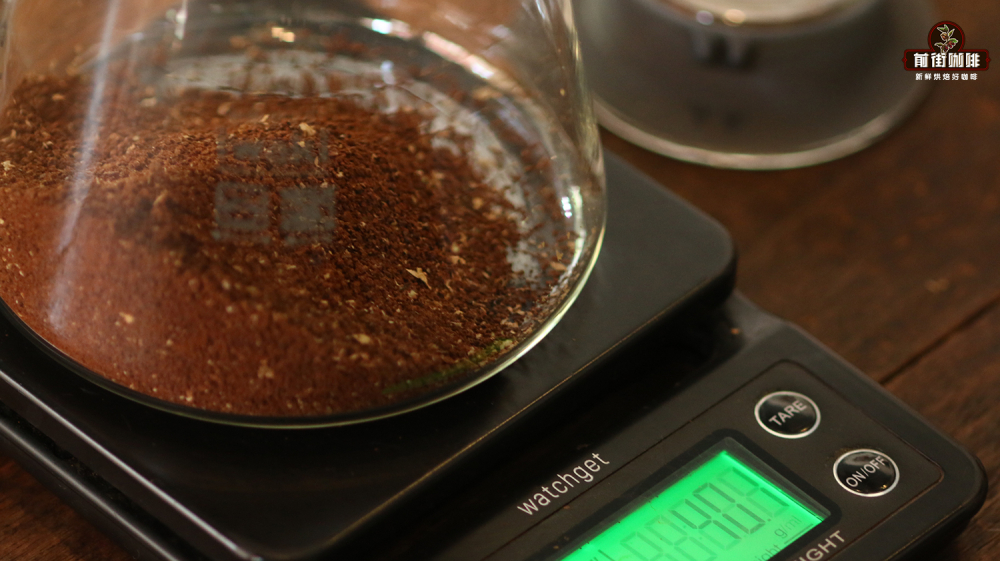
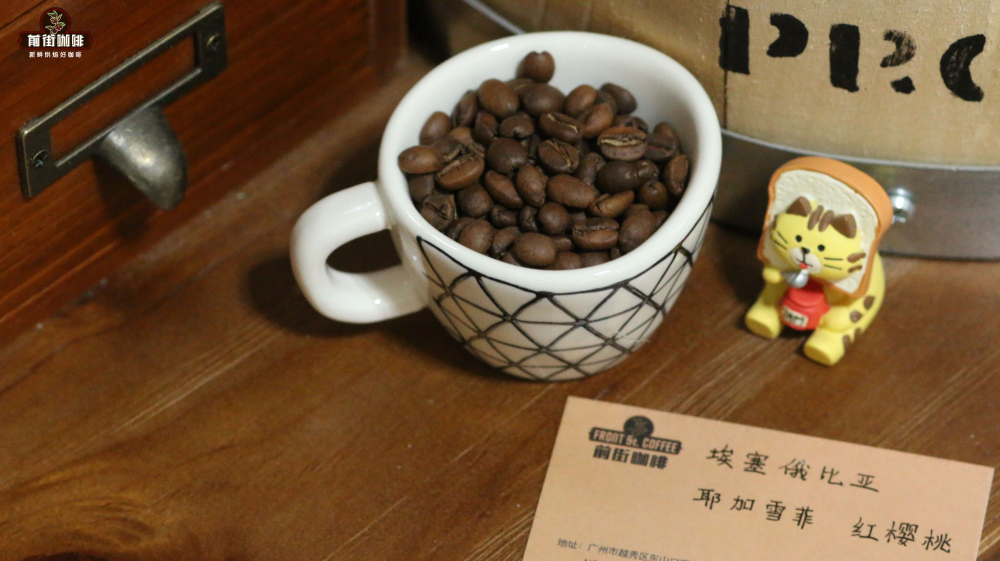
For coffee bean selection, it is recommended to prioritize beans 15 to 20 days after roasting—at this time carbon dioxide emissions have stabilized, which is more conducive to cold water penetration and extraction. Divided by flavor dimensions, three major bean types stand out: the fresh floral type (such as Panama Geisha and its hybrid varieties), presenting clean floral, citrus notes and an oolong tea finish; the citrus-berry type (typically Ethiopian natural beans), rich in berry sweetness, honey layers and bright fruit acidity; the subtle honey-aroma type (specially anaerobically processed beans), with fermented wine aroma, raisin sweetness and tropical fruit complexity.
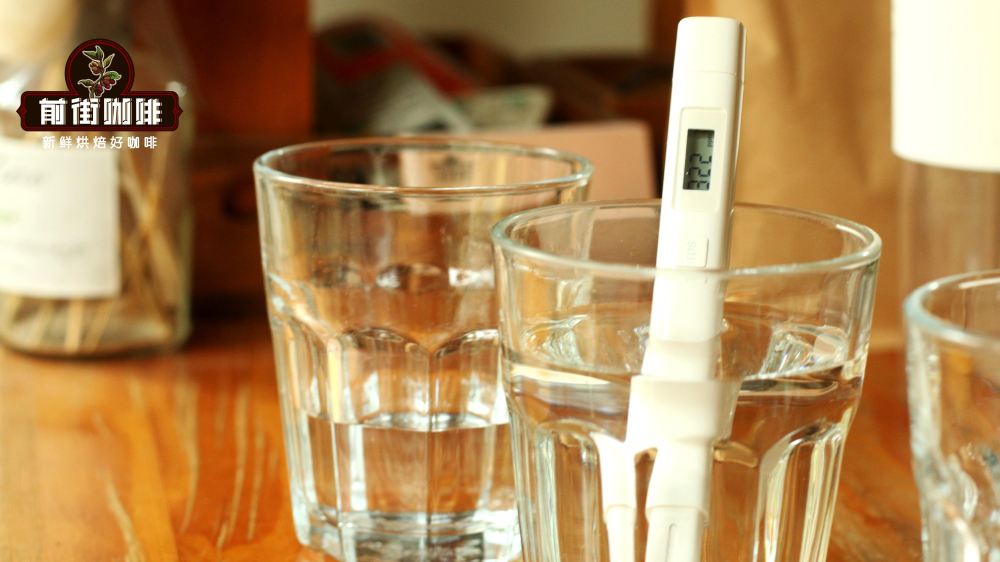
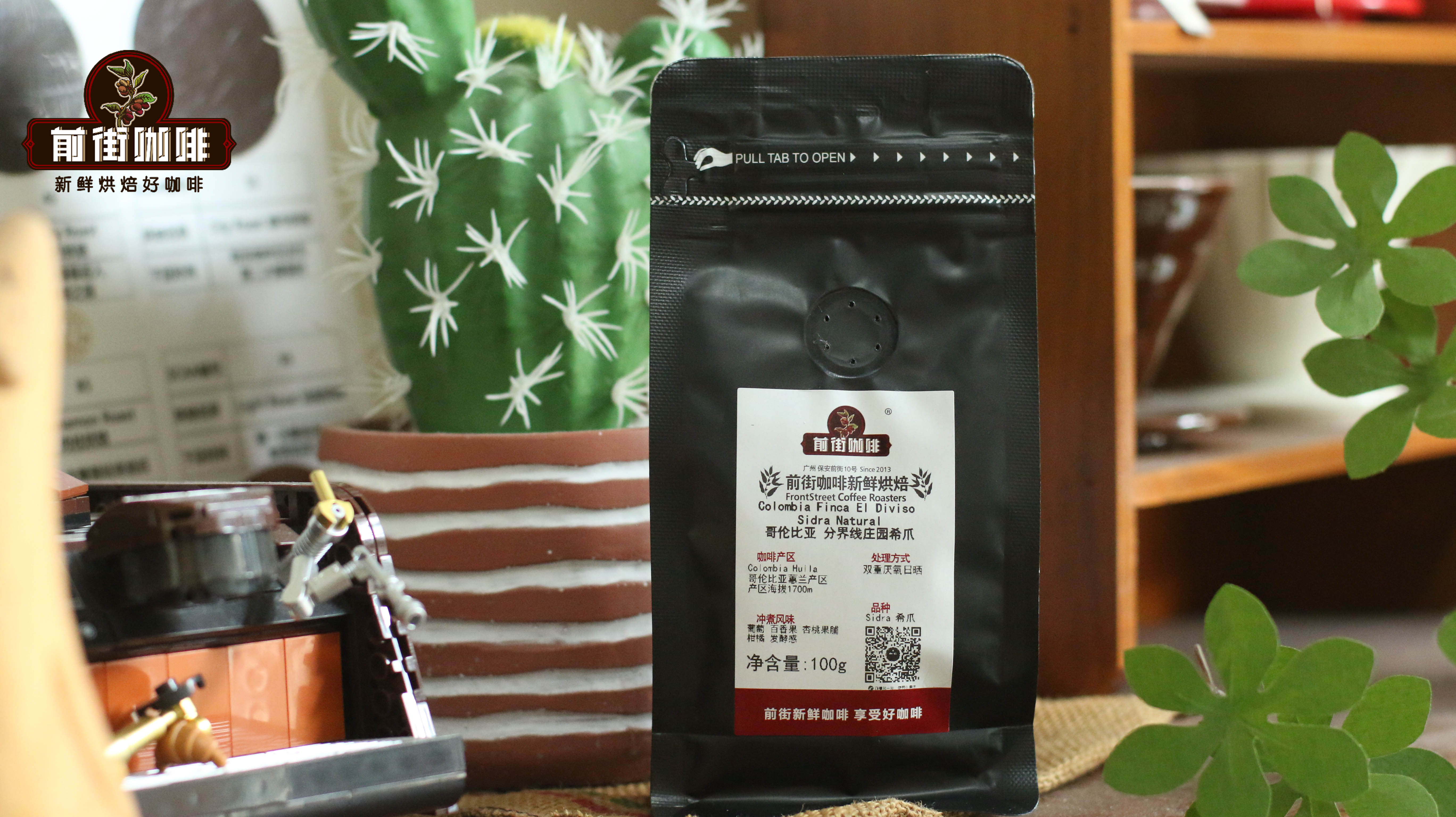
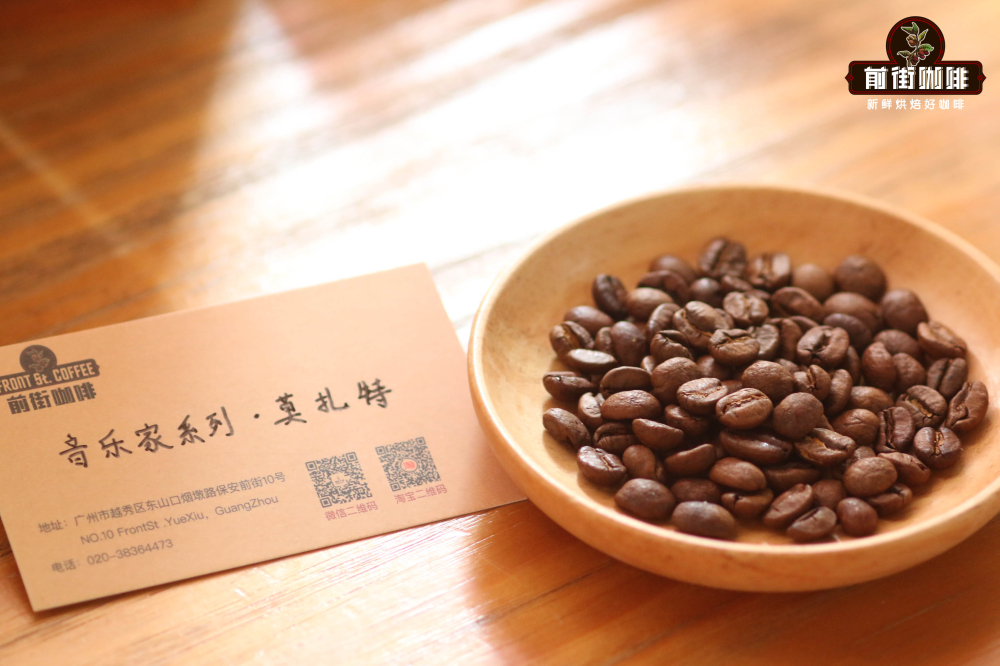
Processing methods in different regions significantly affect cold brew performance. For example, Colombian beans processed with anaerobic natural often show sweet layers of passion fruit, grape and apricot after cold brewing; while the honey-processed Costa Rica Musician series highlights raisin fermentation aroma and osmanthus finish. When choosing, it is recommended to match coffee beans with the corresponding processing method according to personal taste preferences.
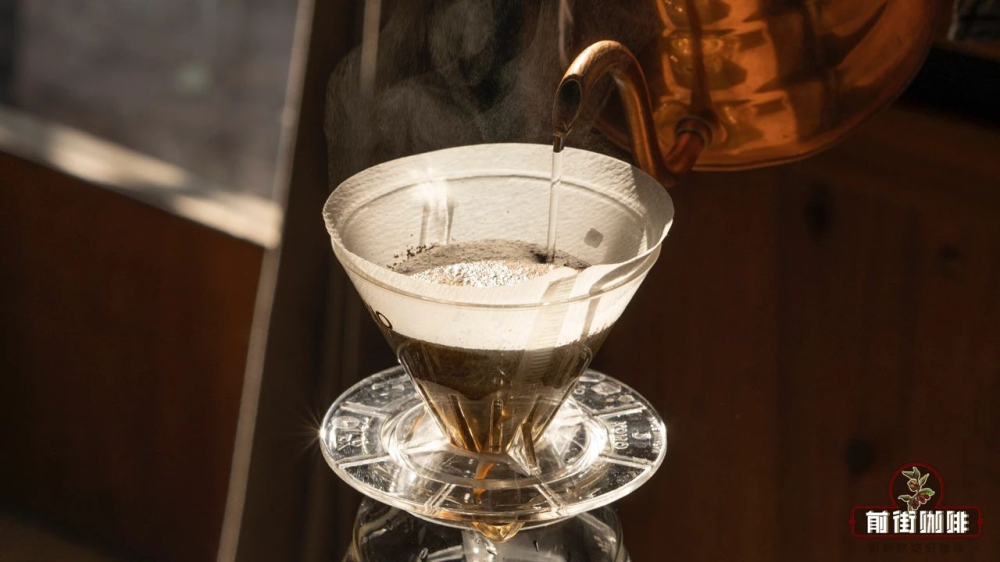
In summary, the charm of cold brew coffee comes from the balance between its simple process and rich flavors. Master the basic parameters (1:12 coffee-to-water ratio, 18-24 hours extraction, medium-light grind size), select coffee beans with moderate aging, and pay attention to storage time and water quality control, and you can recreate at home a refreshing drink comparable to professional shops. Whether you seek refreshing heat relief or want to explore flavor layers, cold brew is a coffee experience worth trying in depth.