Indonesian Golden Mandheling Pour-Over Guide: Ratios and Flavor
Introduction: As a classic representative of Mandheling coffee, Indonesian Golden Mandheling, with its rich, full-bodied flavor and unique processing method, is a single-origin bean that specialty coffee lovers should not miss. This article covers everything from the producing region's background to processing methods, explains its flavor characteristics in detail, and offers professional pour-over parameter suggestions to help you precisely extract the nutty, caramel, and herbal layers of this coffee.
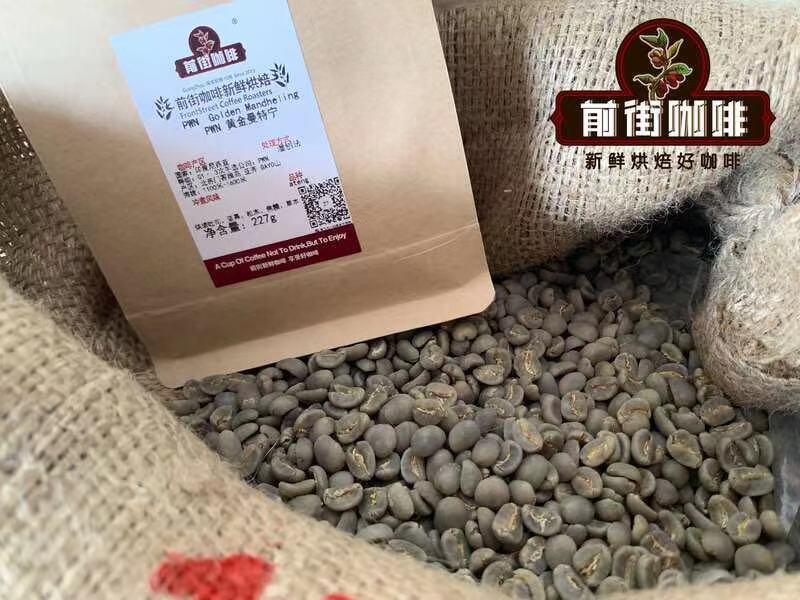
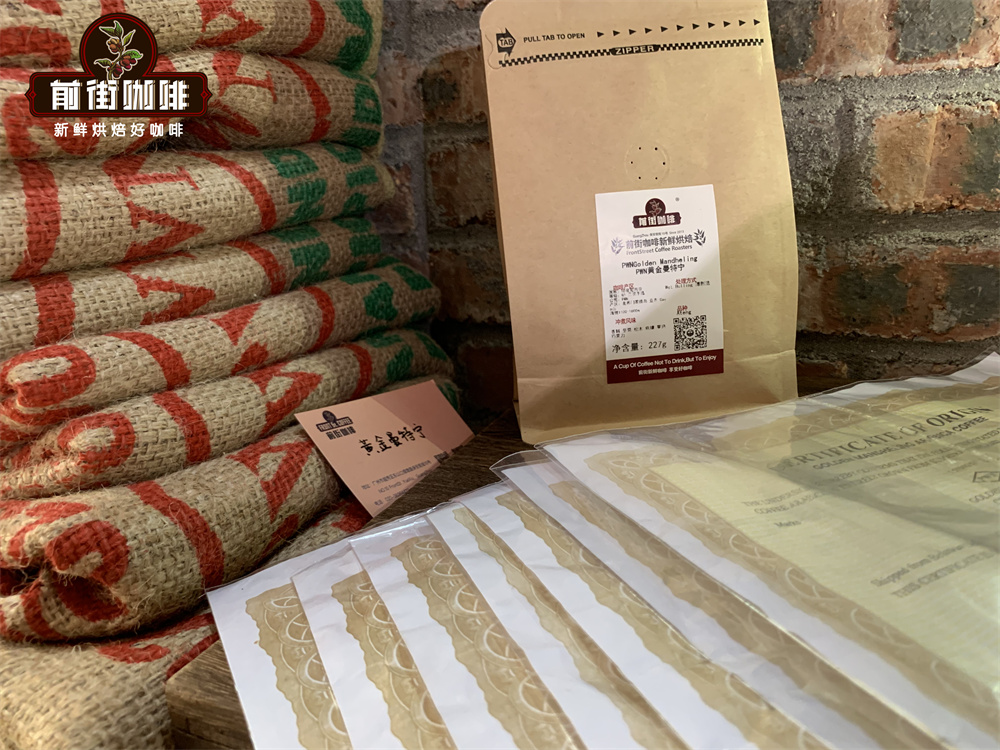
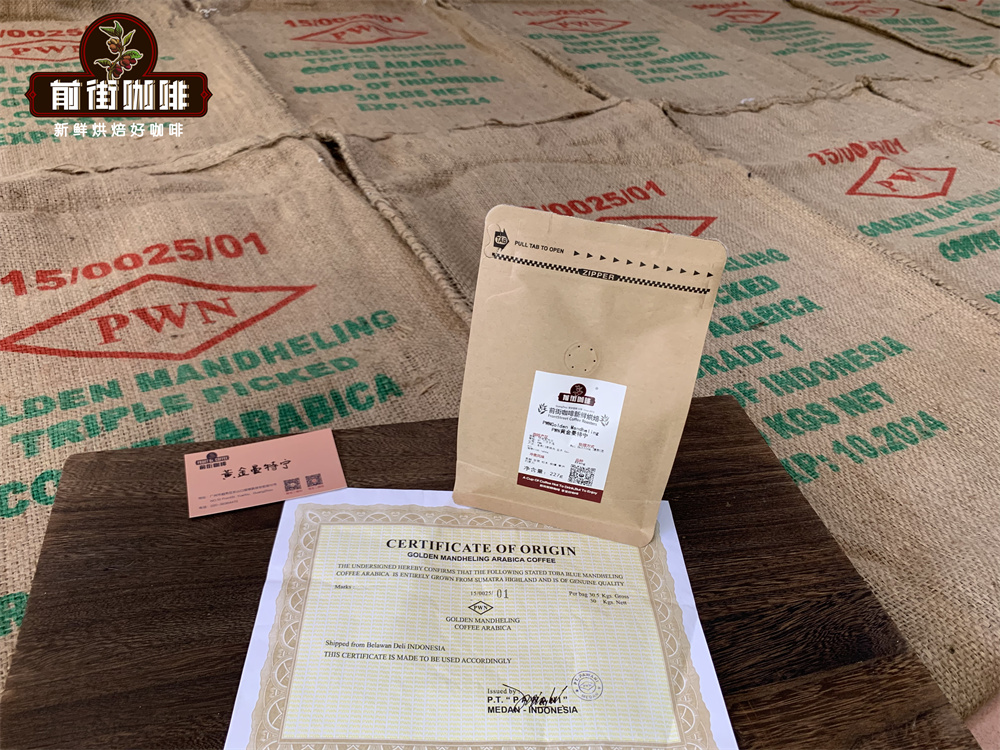
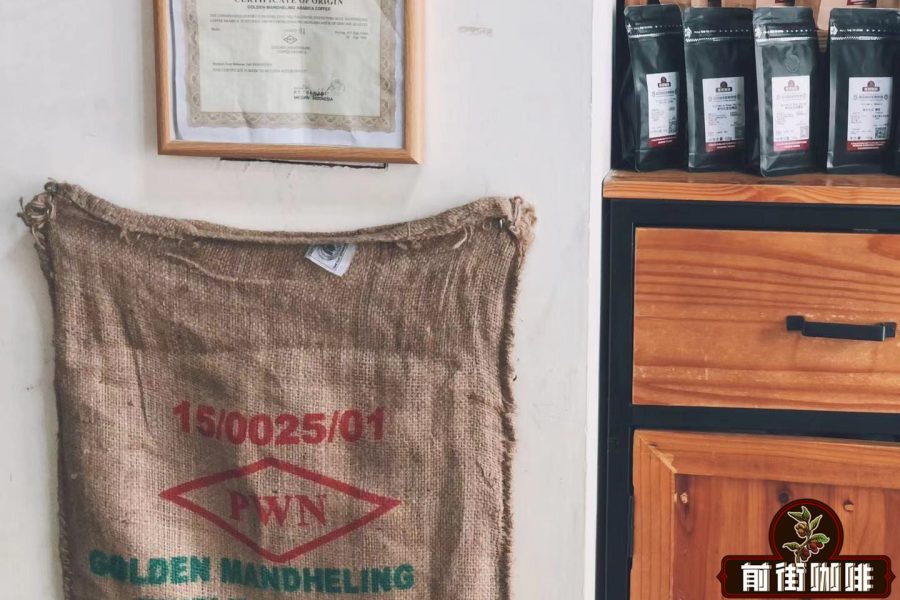
Indonesian coffee is known for its rich, full-bodied taste, especially the Mandheling series from Sumatra, which is favored by coffee enthusiasts worldwide for its unique spicy notes and solid body. Among them, Golden Mandheling produced by the Indonesian company PWN is a representative product, and with its consistent quality and excellent flavor performance, it has become the go-to daily bean for many cafés and experienced enthusiasts.
The origin of the name Mandheling actually hides an interesting anecdote. It is said that during World War II, Japanese soldiers stationed in Indonesia returned home and missed the local coffee, so they asked locals to help collect high-quality beans. When asked the name of the beans, the locals mistook the question for one about nationality and answered "Mandailing," which the Japanese heard as "Mandehling," eventually evolving into today's "Mandheling." It is worth noting that the local who provided the beans was the person in charge of what is now the Indonesian company PWN (Pwani Coffee Company).
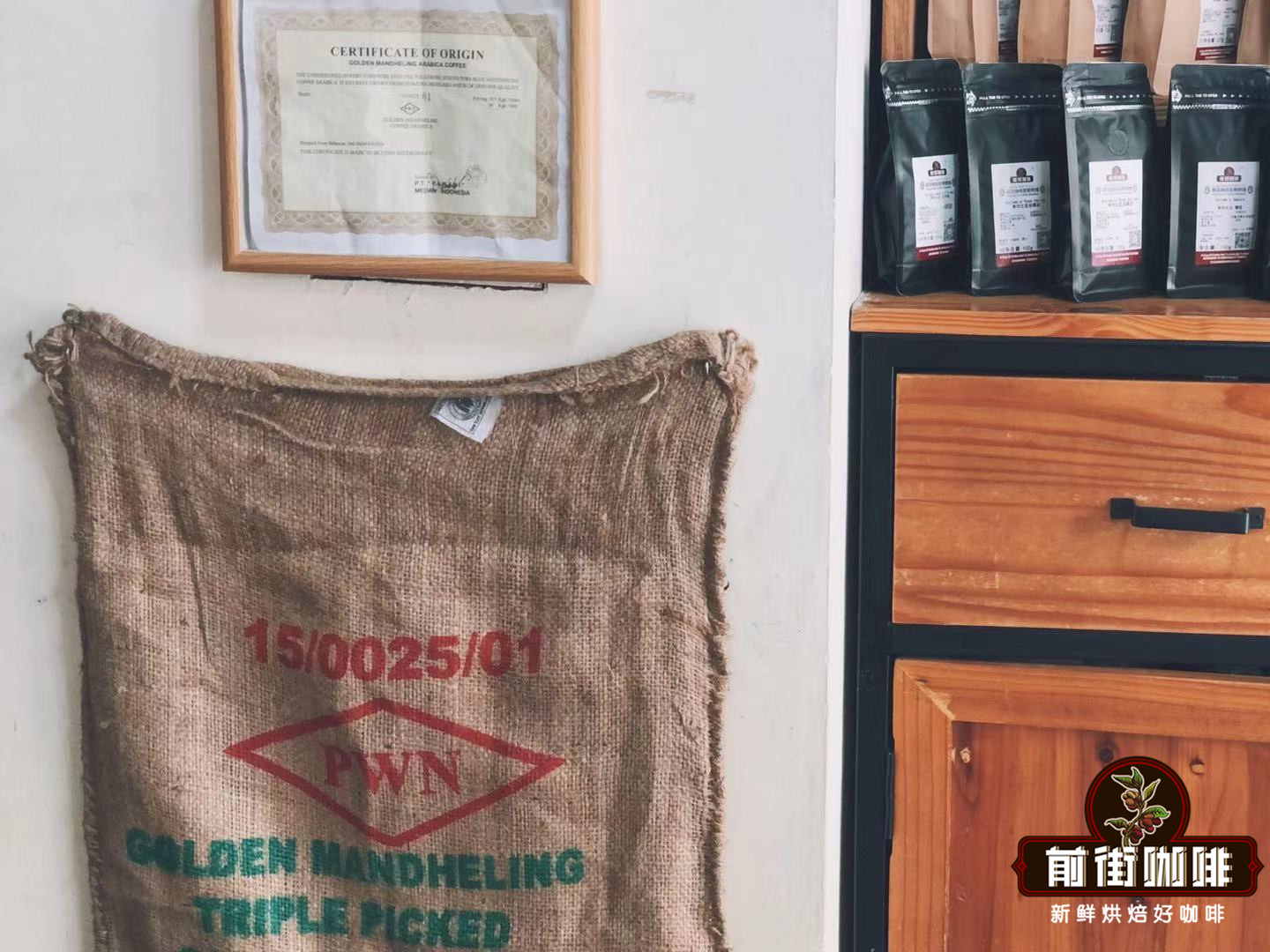
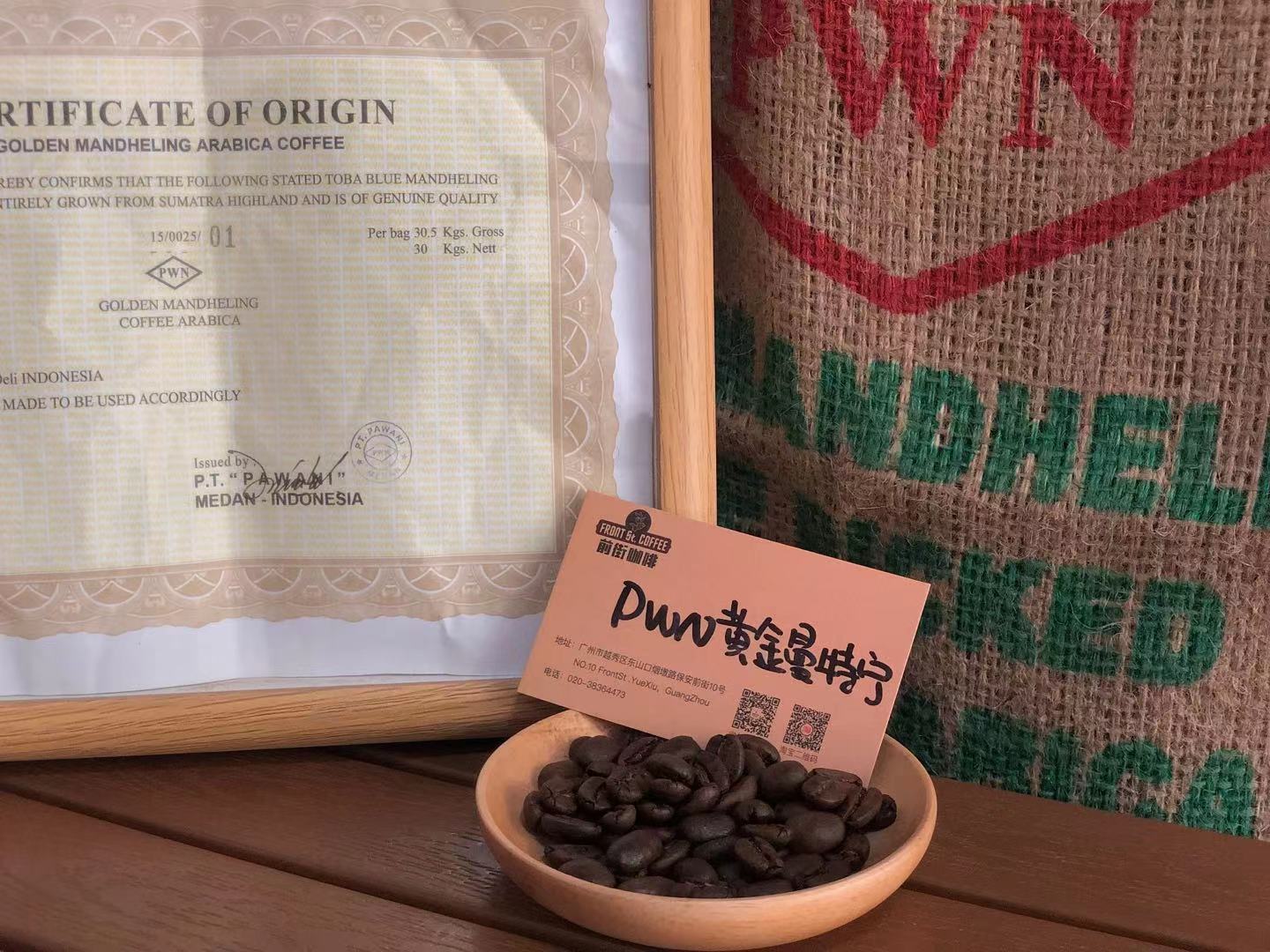
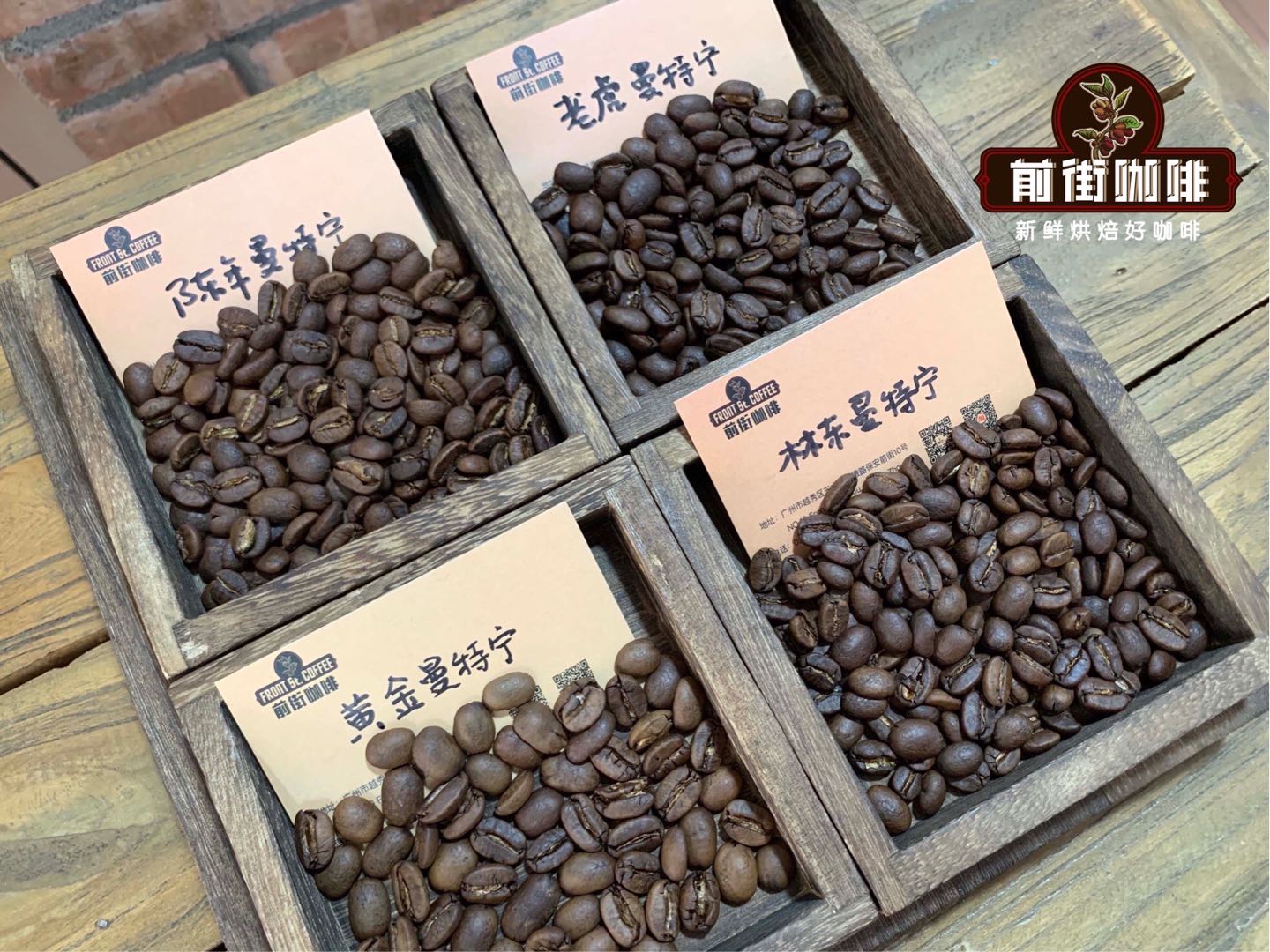
The "Golden" in Golden Mandheling comes from the specialty version created by Japanese traders in the early days through a strict screening system: after density and color sorting and four rounds of hand sorting to remove defective beans, the beans are uniform in size and color, with a clean, transparent cup and outstanding sweetness. However, the trademark rights to this name were eventually registered by the Indonesian company PWN, so Japanese traders could only rename it "Gold Top Mandheling." There are slight differences in bean shape between the two—PWN uses the traditional Typica variety (larger beans) and after 2020 introduced the Ateng variety (i.e., Catimor, with slightly smaller beans), while the Japanese version is mainly based on Typica variants.
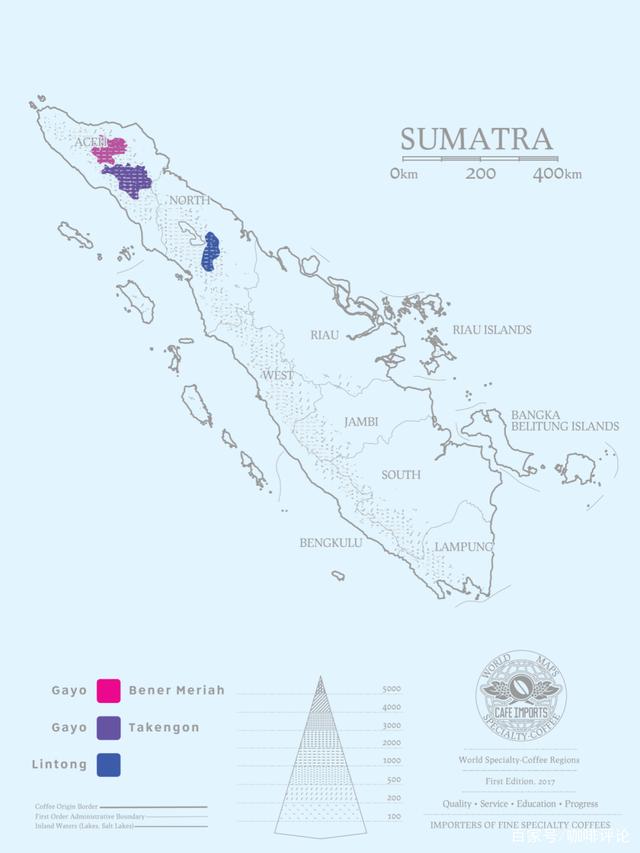
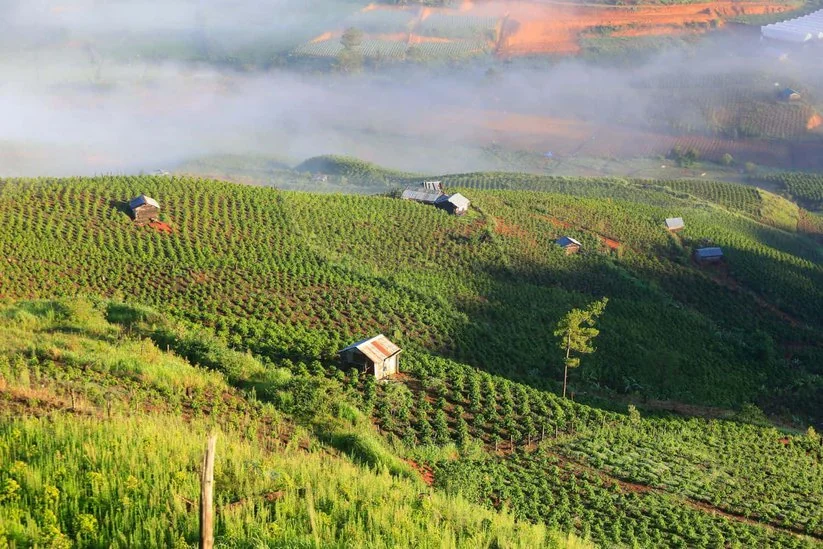
The core producing region of Indonesian Mandheling is concentrated on the island of Sumatra. As Indonesia's largest island, Sumatra lies near the equator and has a typical tropical rainforest climate, with high temperatures, high humidity, and abundant rainfall, providing a suitable growing environment for Arabica coffee. However, limited by overall elevation (the highest elevations in the country are concentrated in Sumatra), only 25% of Indonesia's coffee is Arabica, with the remaining 75% being Robusta adapted to lower elevations. Traditionally, Arabica coffee produced in a small area southwest of Toba in the Lintong administrative district of North Sumatra was once called "Lintong Mandheling" separately; today this name specifically refers to high-quality beans from this small producing area.
In addition to Lintong, in 2020 PWN set its sights on the Gayo Mountain producing region at the northernmost tip of Sumatra. This area is distributed around the town of Takegon and the slopes beside Lake Tawar, at growing elevations of 1,100–1,600 meters, with excellent climatic conditions. In recent years, thanks to political stability, both coffee exports and quality have improved significantly, with some indicators even surpassing those of the traditional Lintong producing region.
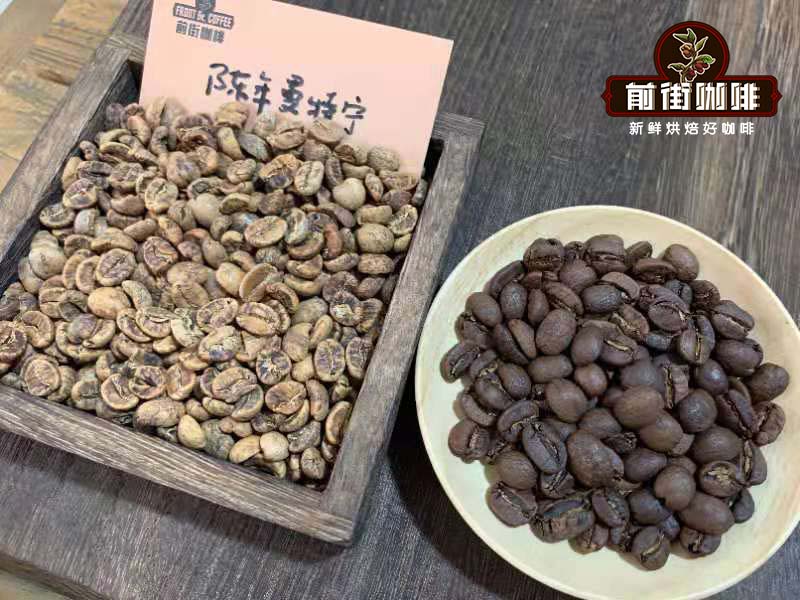
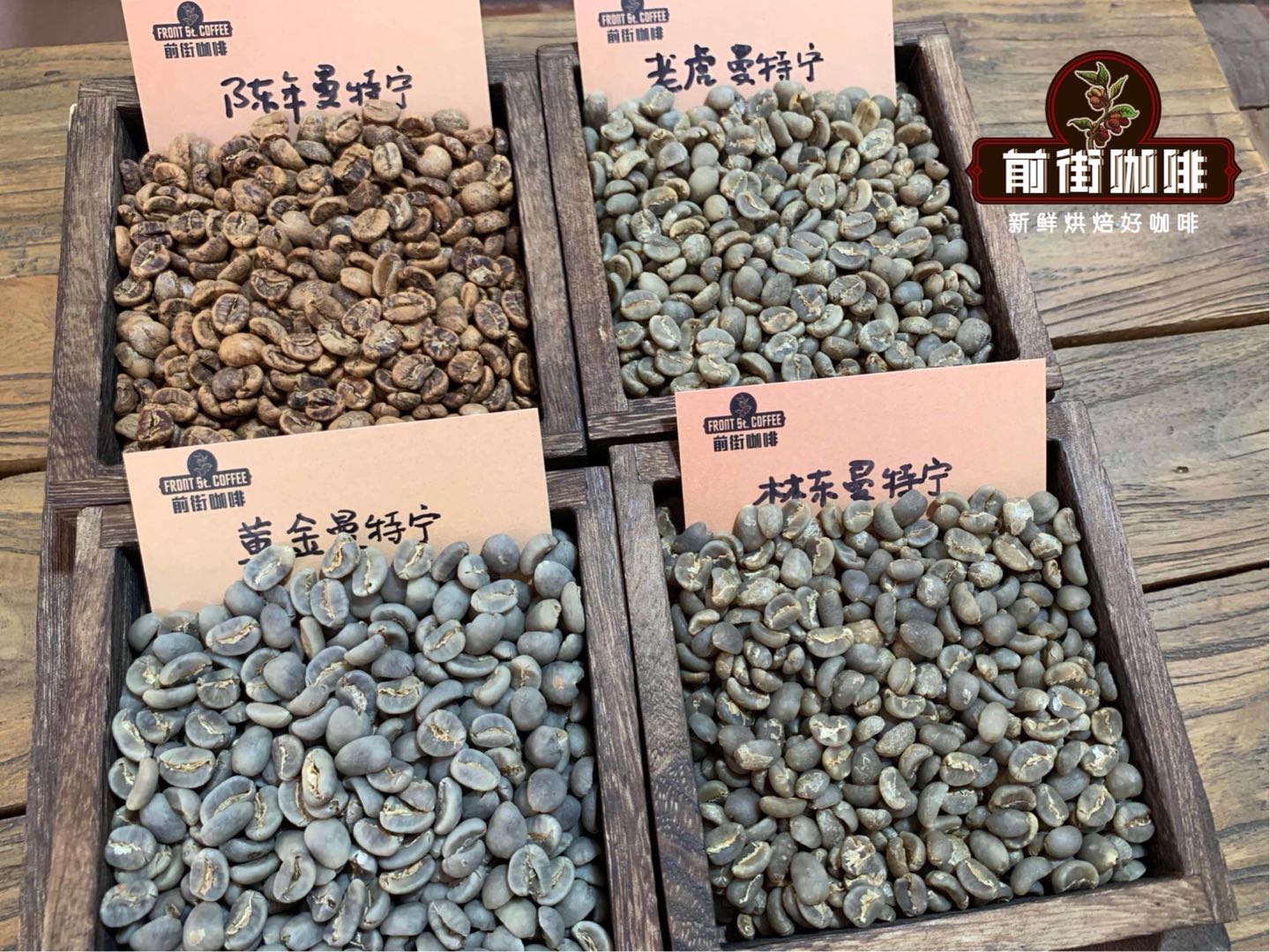
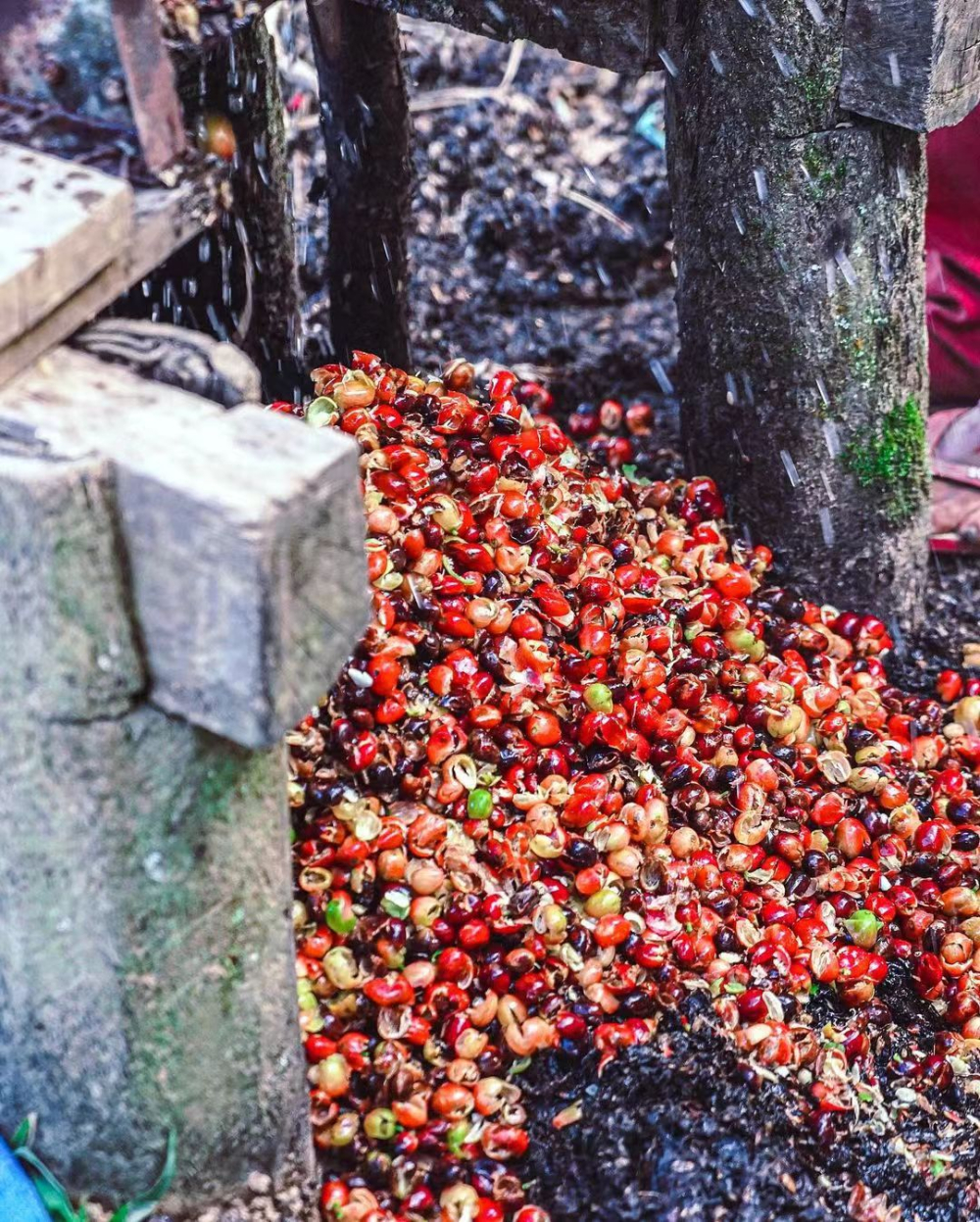
The formation of the unique flavor of Indonesian Mandheling is inseparable from its signature "wet-hulling" processing method. This special processing method, prompted by the local rainy climate and economic conditions, creates Mandheling's signature earthy, herbal, and spicy notes. In wet-hulling, the semi-hard, moist green beans are easily crushed when the mucilage and parchment layer are removed, forming cracks resembling "sheep's hooves" (known in the industry as "sheep's hoof beans"); this is a normal characteristic, not a defect.
The specific process is divided into two stages: first, the skin and pulp are removed with a wooden depulper, and after 3 hours of fermentation, the beans are dried to a moisture content of 30%–50% (semi-dry state); then the mucilage and parchment layer are removed, and drying continues for 2–4 days until the final moisture content drops to 12%–13%. In addition, there is "aged wet-hulling"—beans processed by ordinary wet-hulling are stored sealed for 2–3 years (requires a cool, ventilated place and regular turning), during which acidity gradually converts to sugar, the color turns dark brown, and the flavor becomes more grounded; this is commonly found in high-end aged Mandheling.
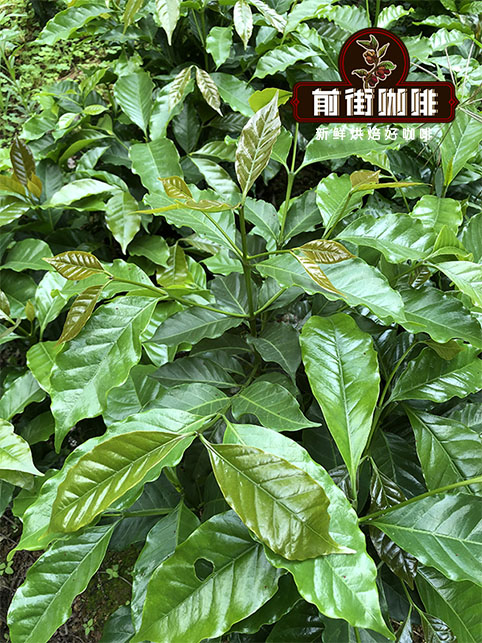
The choice of Mandheling variety also affects flavor performance. Traditionally, the disease-susceptible Typica is mostly used (an ancient native Ethiopian variety with elegant flavor but prone to leaf rust and low yield), but after 2020 PWN shifted to the Ateng variety (i.e., Catimor, bred from a cross between Brazil's Caturra and East Timor's Tim). Catimor has strong disease resistance (yield is three times that of Typica) and adapts to Indonesia's rainy environment; it is currently one of the main Arabica varieties grown in Indonesia. It is worth noting that because Catimor has Robusta ancestry, its flavor leans more toward a rich, solid body rather than the light floral notes of Typica.
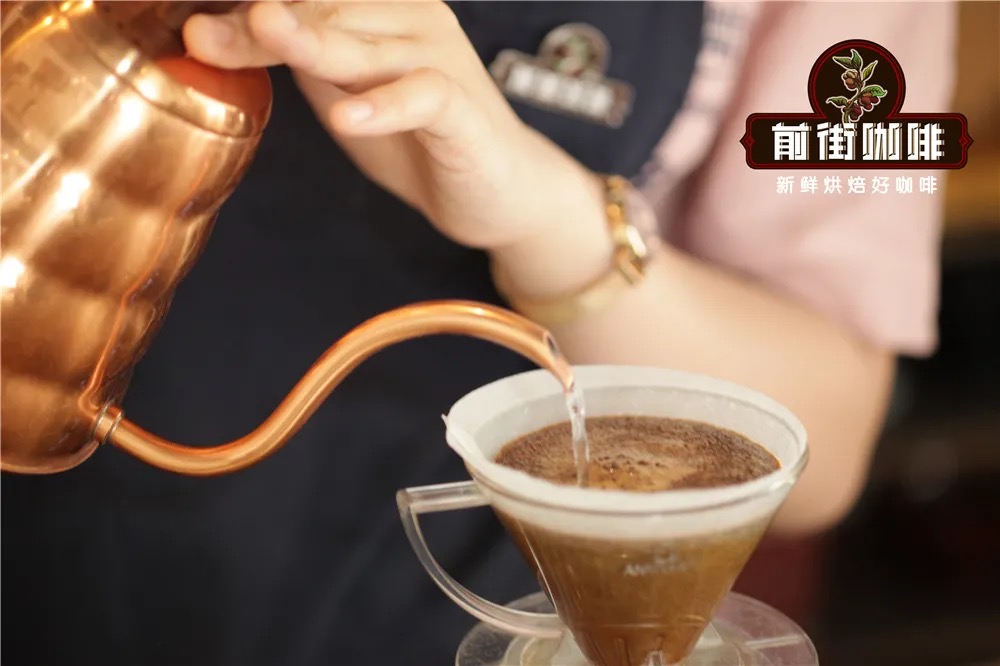
For this Golden Mandheling from Gayo Mountain, Aceh, Sumatra, grown at 1,100–1,600 meters, using the Ateng variety and wet-hulling, the recommended professional brewing parameters are as follows: coffee-to-water ratio 1:15 (15 g coffee to 225 ml water), water temperature 86–87°C, grind size referencing EK43s setting 11 (about 70% passing through a Chinese No. 20 standard sieve, i.e., medium-fine grind, similar to the texture of granulated sugar). A KONO dripper (or a conical dripper such as V60) is recommended, using center pouring and staged extraction to balance body and clarity.
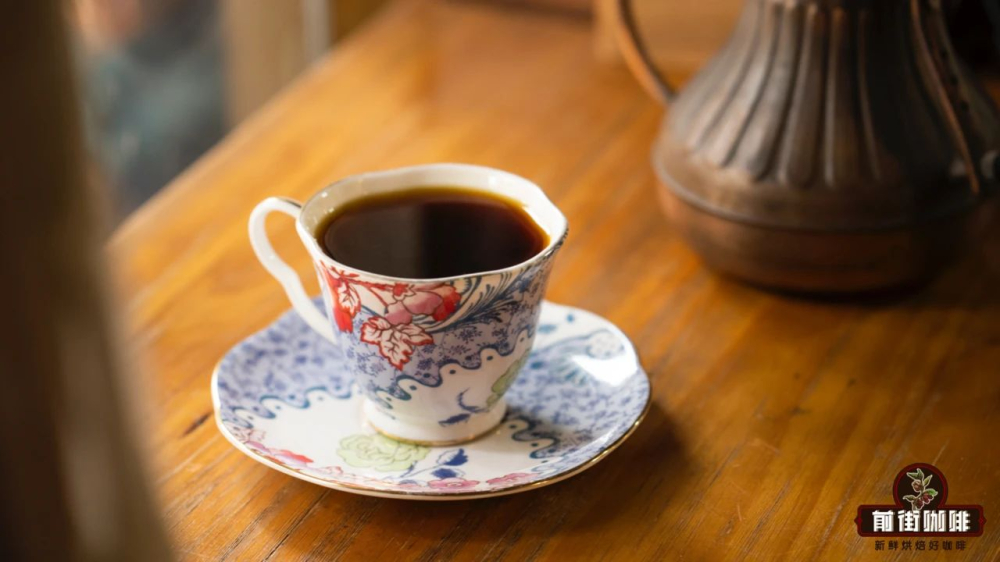
The specific brewing technique uses three stages: the first stage pours 30 g of water and lets it bloom for 30 seconds (activating the coffee grounds); the second stage pours in a small stream in circles up to 125 g, then pauses until the water level drops to just before exposing the coffee bed; the third stage continues pouring up to 225 g and stops, then removes the dripper when the water level again drops to expose the coffee bed, with total extraction time controlled at exactly 2 minutes. With these parameters, the coffee has rich flavor layers—nutty (almond, hazelnut), caramel sweetness, and a distinct dark chocolate finish, with herbal notes throughout, and a clean finish without off-putting astringency.