Golden Mandheling vs. Regular Mandheling: Brewing and Flavor
Introduction: Indonesian Mandheling coffee is known for its full-bodied flavor, and Golden Mandheling draws attention for its selective processing. This article explains in detail the core differences between Lintong Mandheling and PWN Golden Mandheling in origin, processing method, and sorting standards, compares their flavor layers and brewing performance, and offers professional pour-over parameter suggestions to help coffee lovers choose precisely and improve their brewing experience.
Indonesian coffee is known for its distinctive regional flavors, and Mandheling is one of its most representative varieties. Among the many Mandheling products, Lintong Mandheling from Sumatra and PWN Golden Mandheling are often discussed, but the actual differences between the two are often blurred. Through in-depth analysis of the growing environment, processing techniques, and sorting procedures, the essential differences between these two types of coffee beans can be clearly identified.
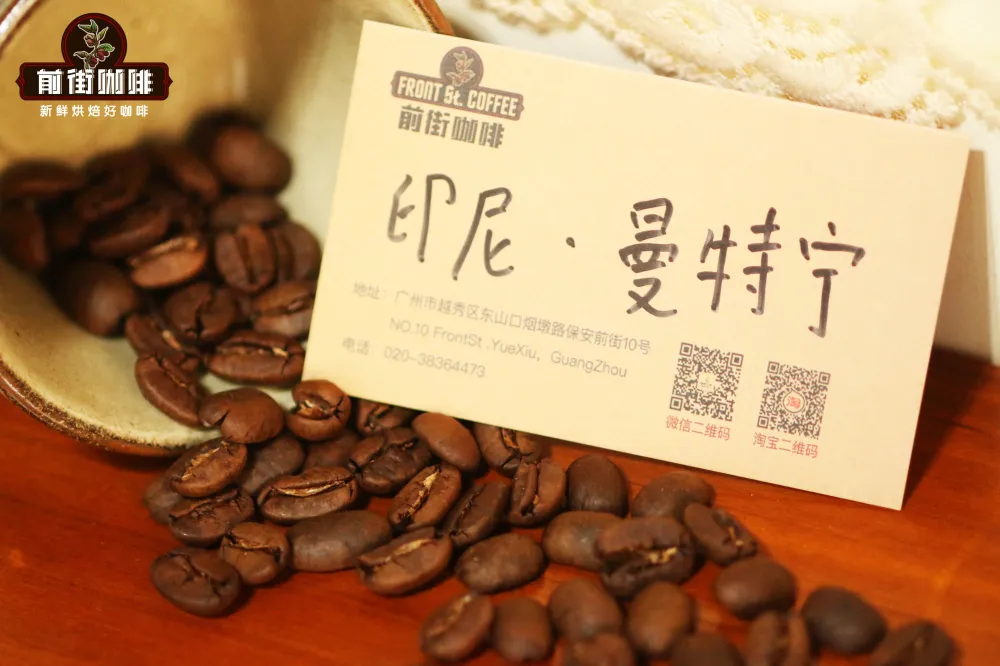
Sumatra, a core coffee-producing region of Indonesia, has a cultivation history dating back to the late 17th century. After Dutch colonists introduced coffee cultivation, the region gradually became an important global coffee origin. The name Mandheling comes from a historical misunderstanding—Japanese soldiers misrecorded the pronunciation of the Indonesian "Mandailing" tribe as "Mandheling," and this name eventually became synonymous with Sumatran coffee. The region's uniquely humid climate and complex terrain create Mandheling's signature full-bodied mouthfeel.
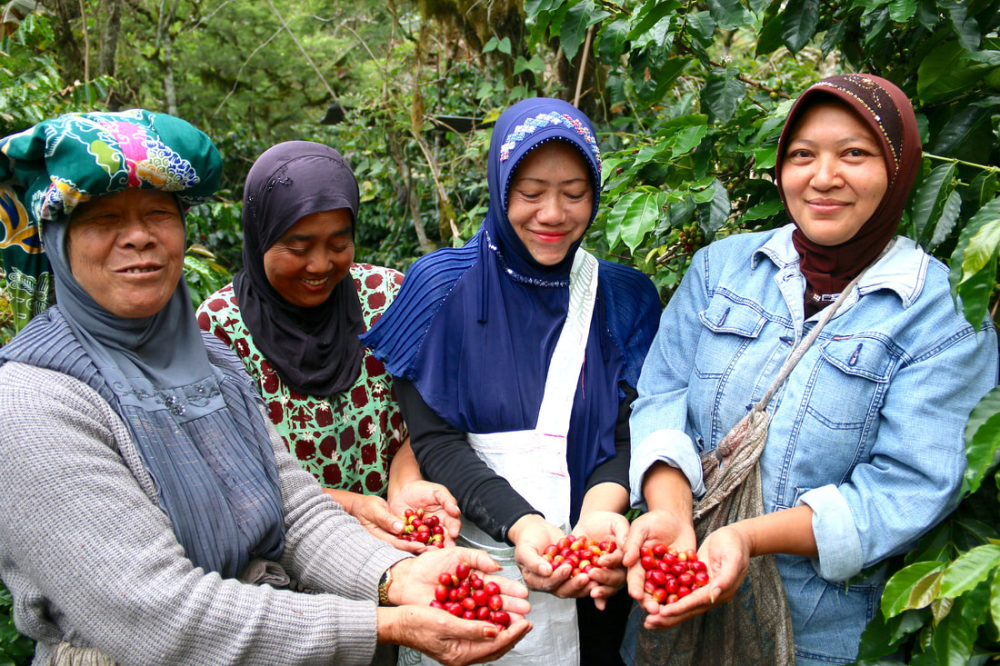
Mandheling coffee generally uses the Sumatra wet-hulled process, a technique that originated as an adaptive improvement to the local rainy climate. The traditional washed method requires stable sunny weather for drying, while the natural method relies on continuous sunlight; the wet-hulled method accelerates the drying process by quickly removing part of the mucilage layer. The specific process is divided into two stages: first, a wooden pulper removes the skin and pulp, and after 3 hours of fermentation the beans are dried to 30-50% moisture content; then the mucilage and parchment layer are removed, and drying continues to a safe moisture content of 12-13%. Some high-end products use an aged wet-hulled process, storing green beans for 2-3 years to soften the acidity and develop richer caramel and woody notes.
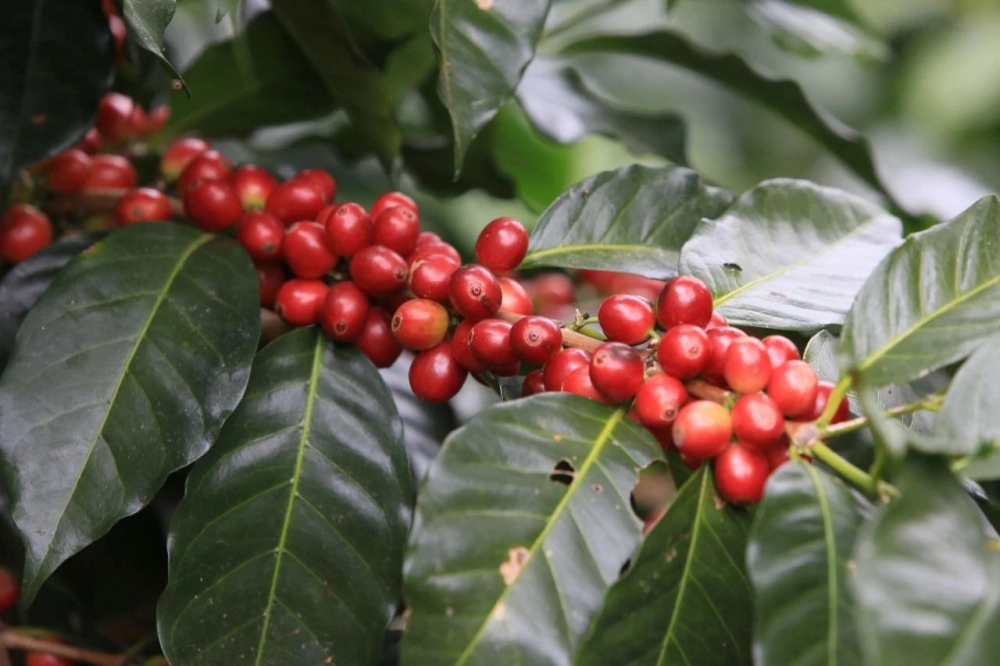
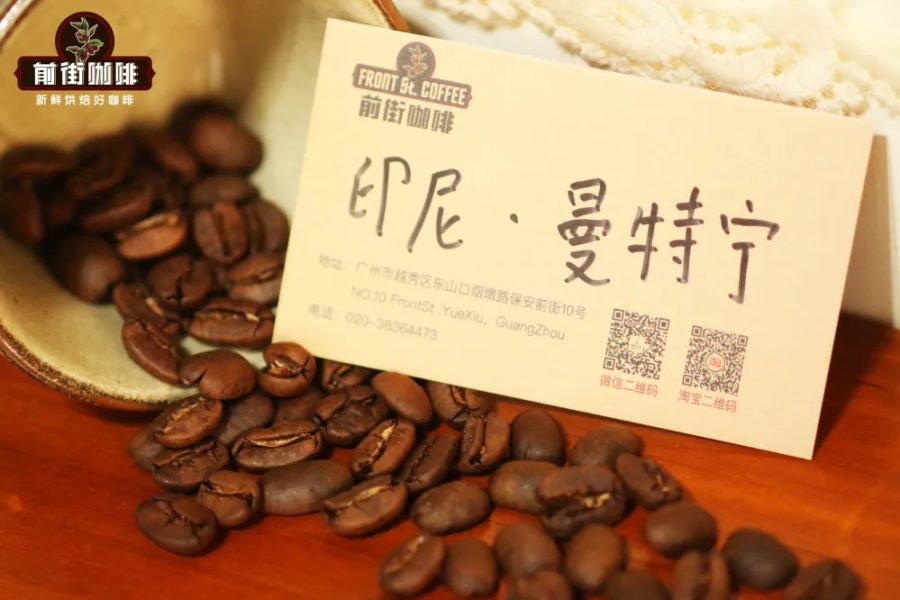
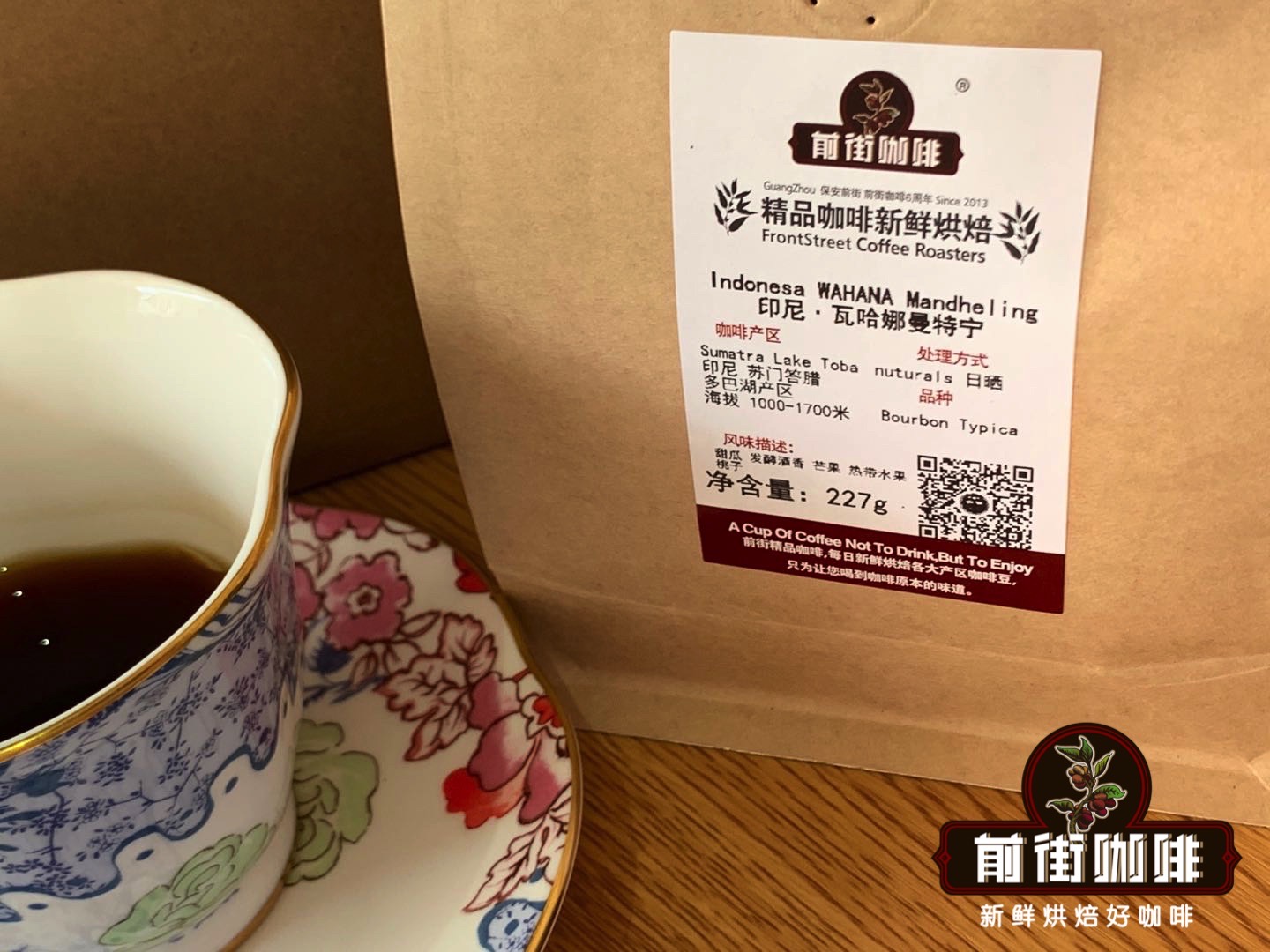
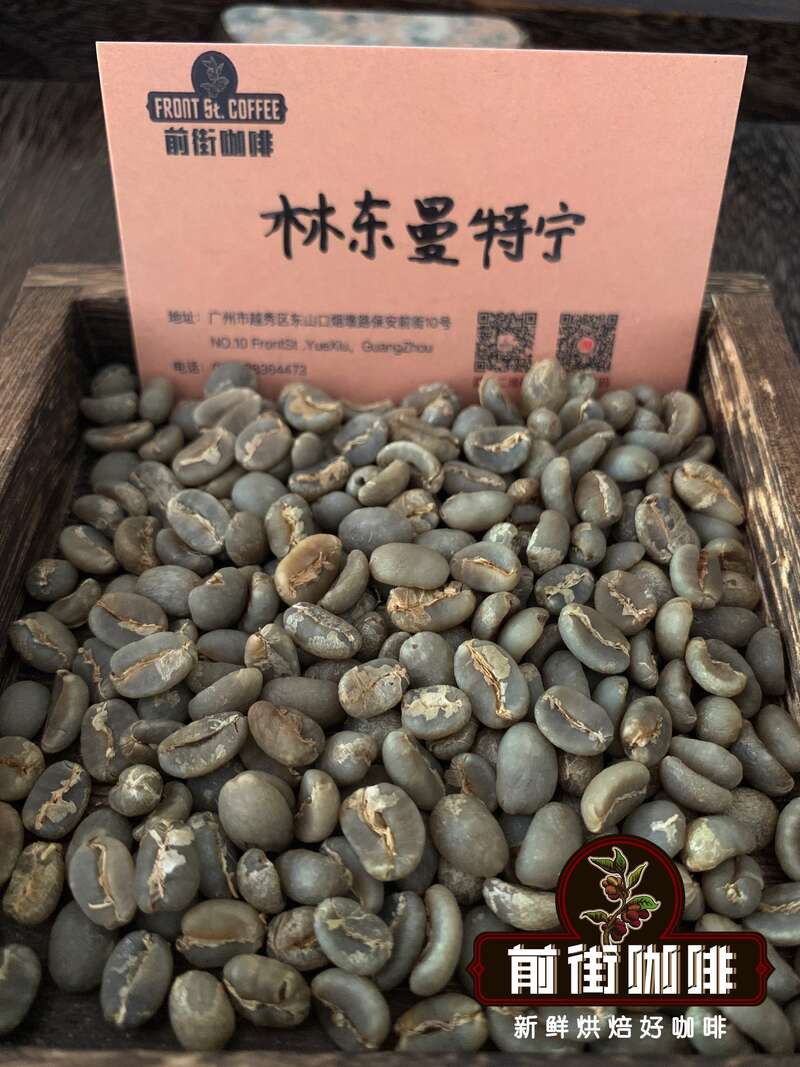
Lintong Mandheling, as the classic version, comes from the Lintong mountain area in north-central Sumatra (1,100-1,600 meters above sea level), mainly growing Typica and Caturra varieties. Its processing uses the standard wet-hulled method throughout, but the sorting stage is relatively loose, so some green beans may show hoof-like cracks (not a defect). The typical flavor is nutty and herbal notes on a toasted-bread base, with low acidity but outstanding body. Note that the Typica variety has weak disease resistance but elegant aroma, while Caturra has higher yield and a shorter tree form.
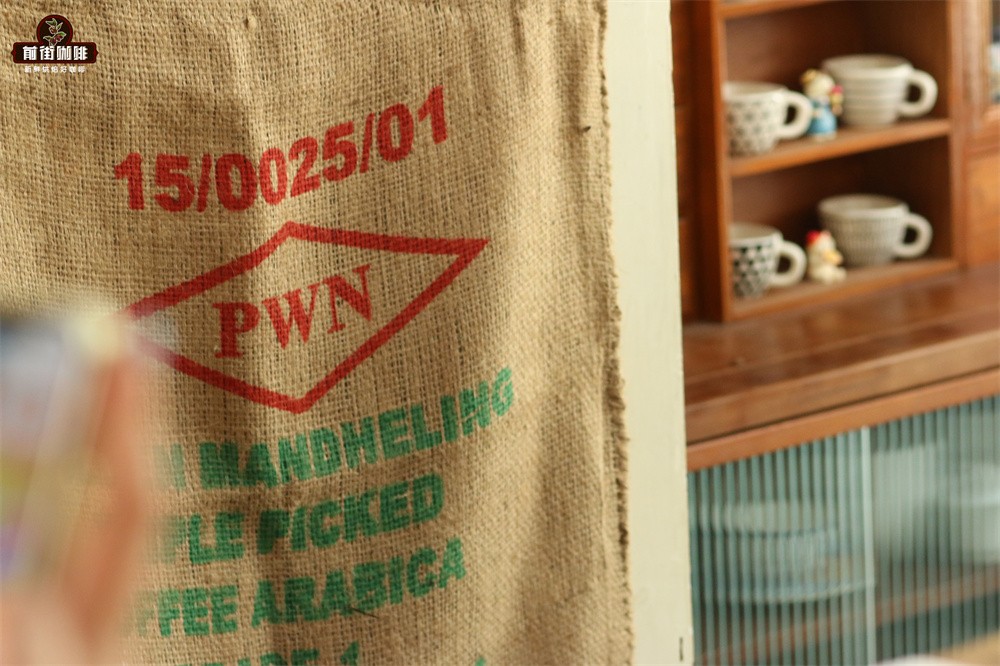
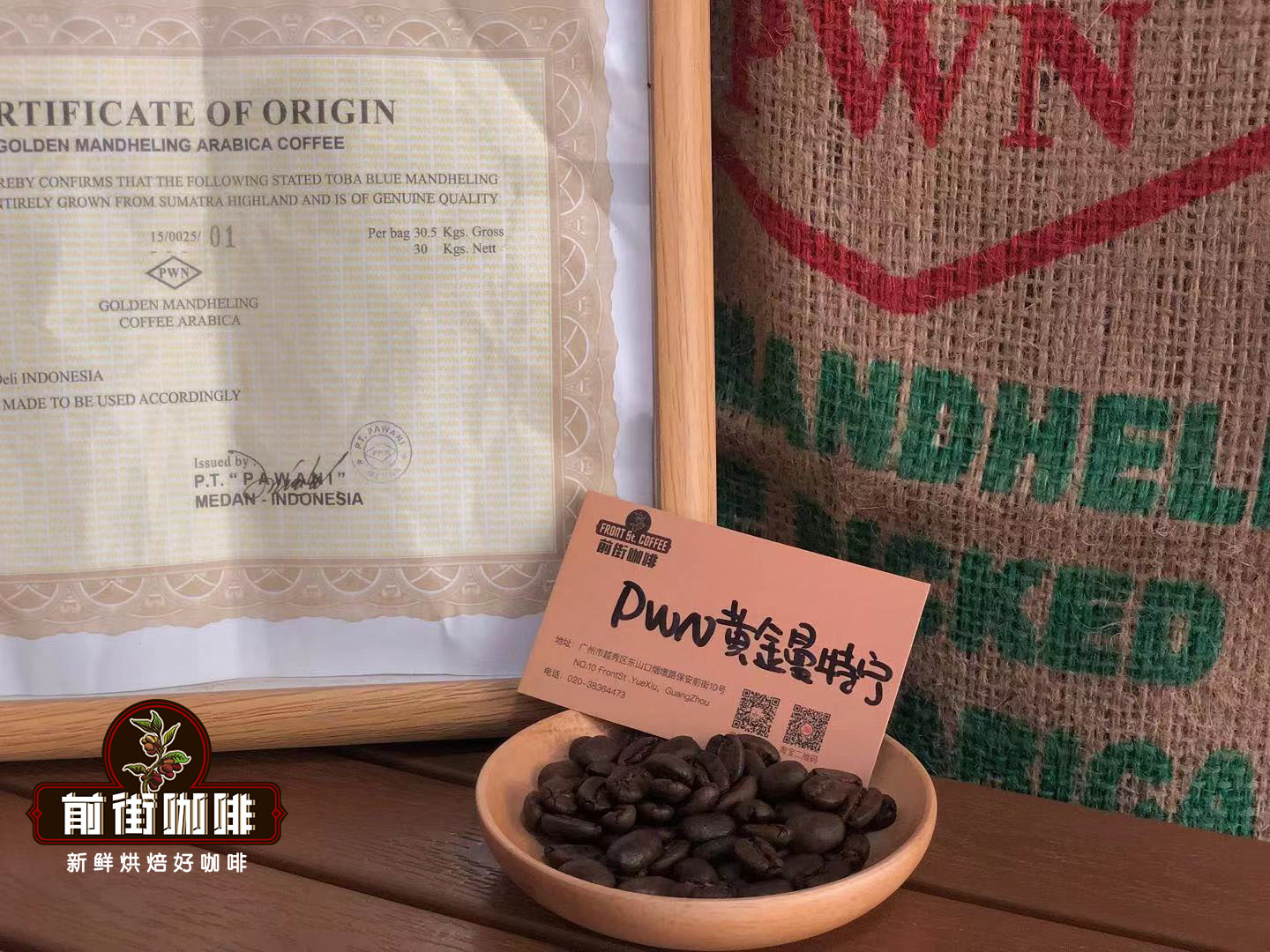
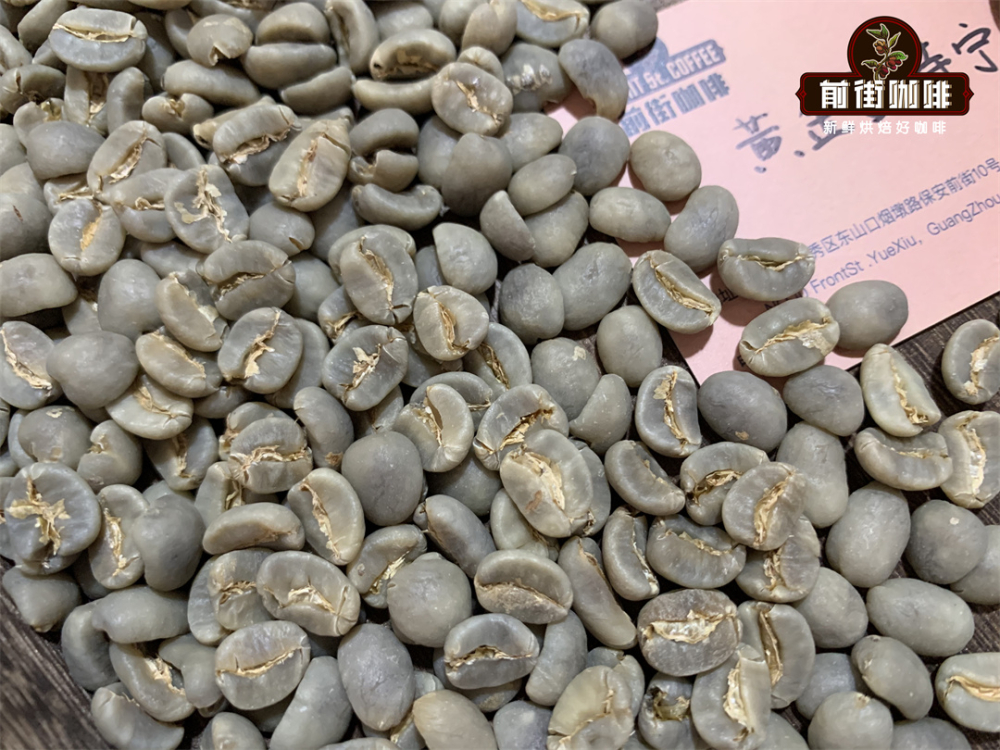
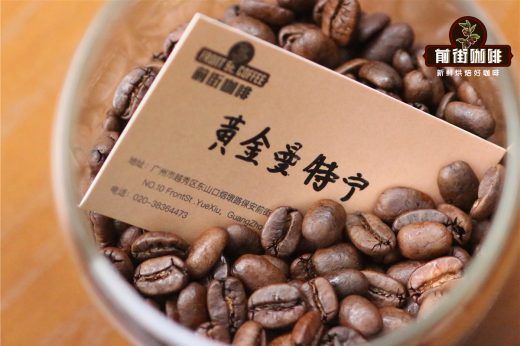
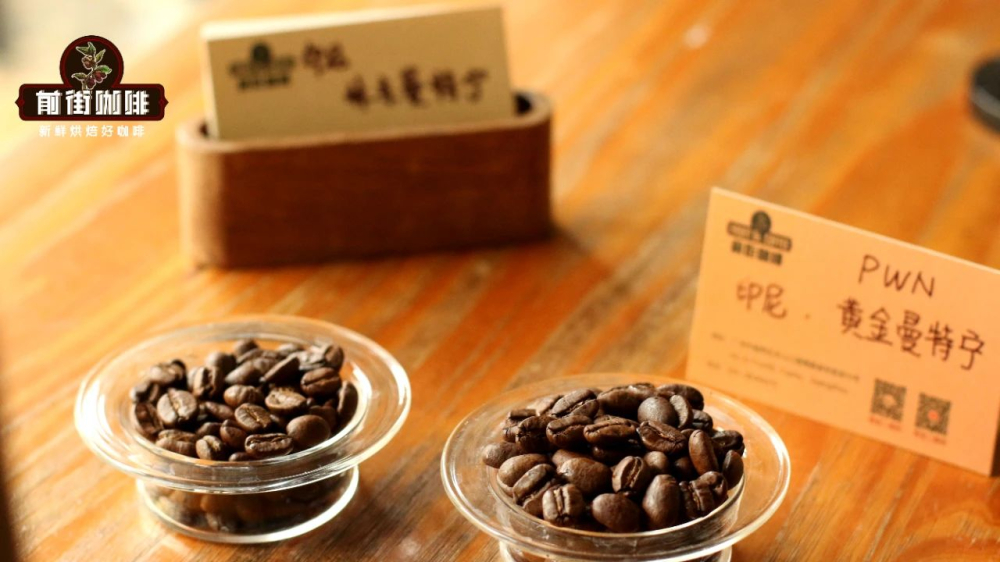
The core difference of PWN Golden Mandheling lies in full-process quality control: the raw material is limited to Sumatra's Gayo Mountain (same altitude range), using the hybrid variety Ateng (the local name for the Catimor line). More than three rounds of manual sorting ensure every green bean reaches a screen size of 18 or above, with the defect rate strictly controlled within 3/300g, ultimately presenting a dark green, neat, flat-bean form. The special sorting process eliminates earthy off-flavors, making higher-tier flavors such as spices and chocolate more pure. Although the trademark belongs to the Indonesian company PWN, the "Gold Top Mandheling" promoted by its Japanese partner has a similar flavor; the main difference lies in brand marketing strategy.
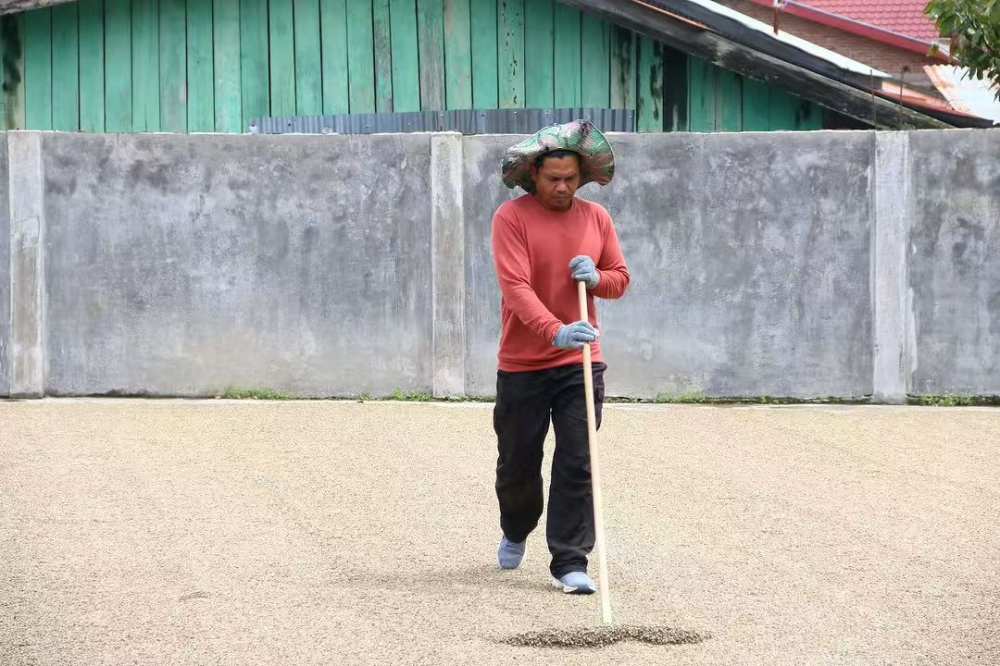
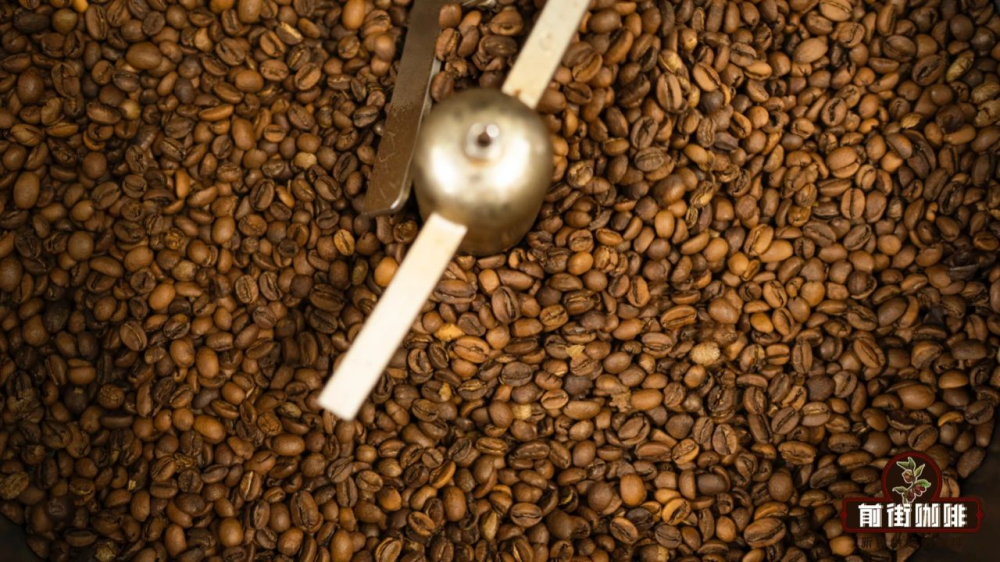
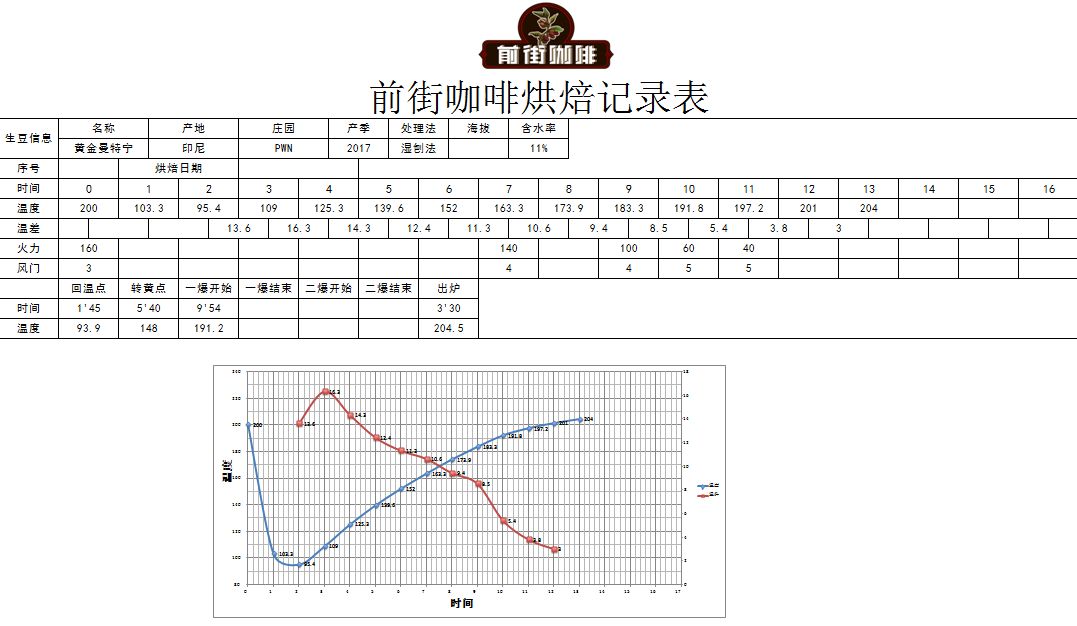
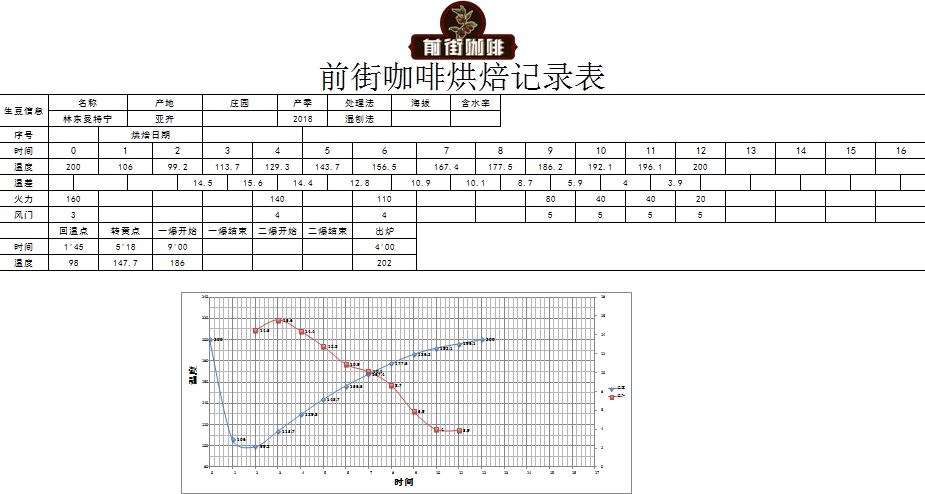
The wet-hulled process has a dual effect on coffee flavor: on one hand, accelerated drying gives a full body; on the other, it may produce herbal astringency. Professional roasters usually use a medium-dark roast (for example, developing 3 minutes 30 seconds after first crack to 204°C) to balance acidity and astringency and highlight the nutty notes brought by caramelization. Comparative experiments show that Golden Mandheling, due to strict sorting, requires careful control of the heating curve during roasting to avoid overdevelopment and smoky flavors; regular Mandheling requires stronger mid-stage heat to eliminate green, grassy notes.
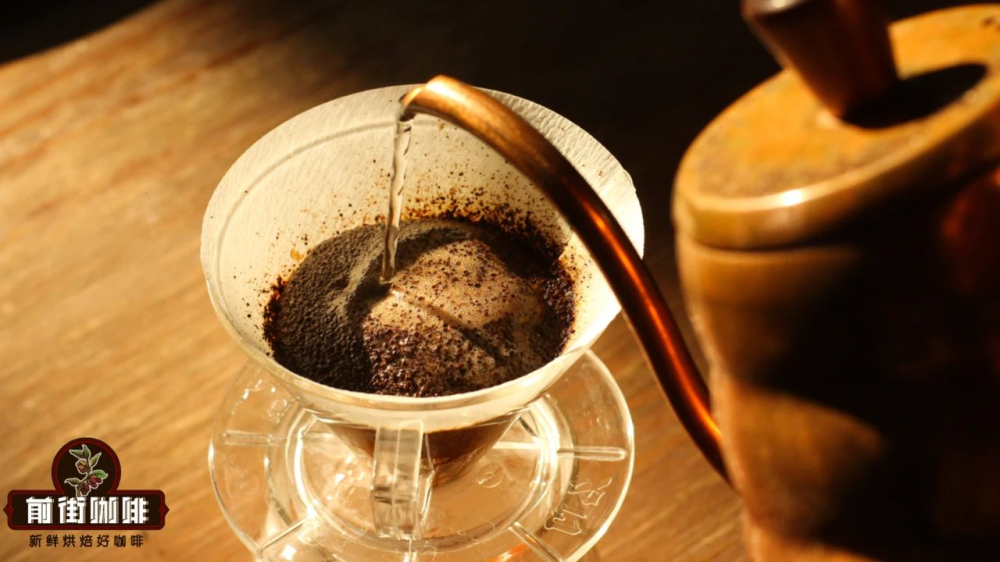
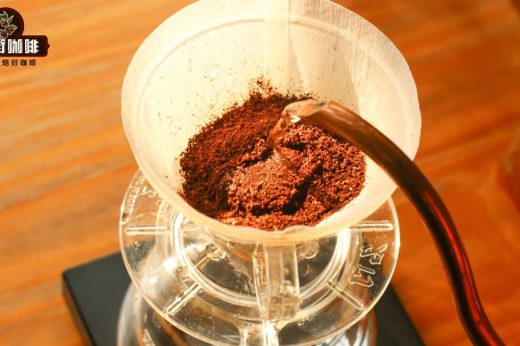
Pour-over parameter optimization suggestions: when using a Kono dripper (20-mesh screen with 70-75% pass rate), use 15g of coffee with a 1:15 coffee-to-water ratio and a water temperature of 88°C. Key operation points include: beans charged at 200°C, turning yellow at 5'18"-5'40" (147-148°C), first crack starting at 9'00"-9'54" (186-191°C), and maintaining 202-204°C during development before dropping. For staged pouring, use 30g for a 30-second bloom, pour to 125g first, wait until the coffee bed slightly exposes, then continue to a total water volume of 225g; total extraction time is about 2 minutes. These parameters can effectively highlight the sweetness layers of Golden Mandheling while avoiding the excessive bitterness of the Lintong version.
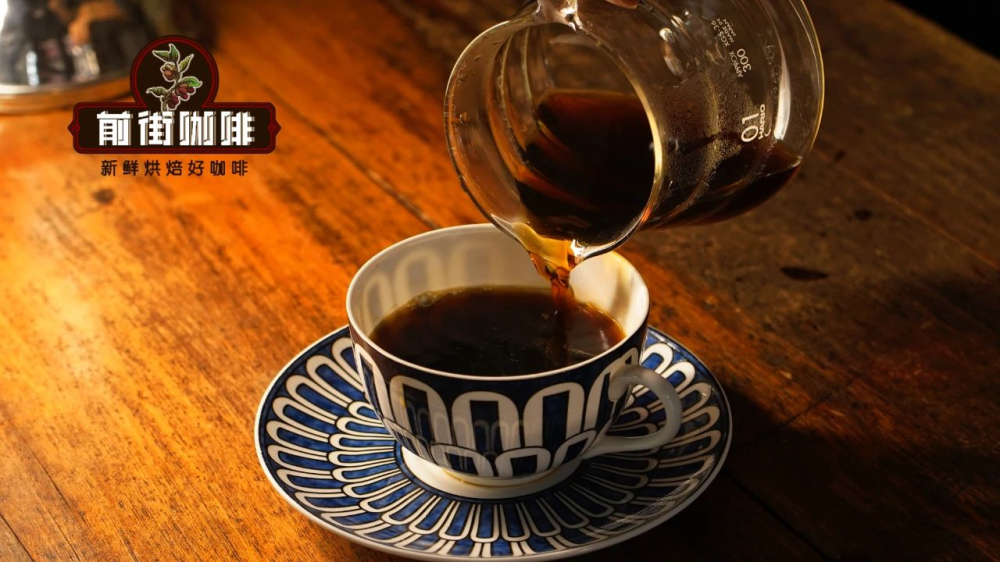
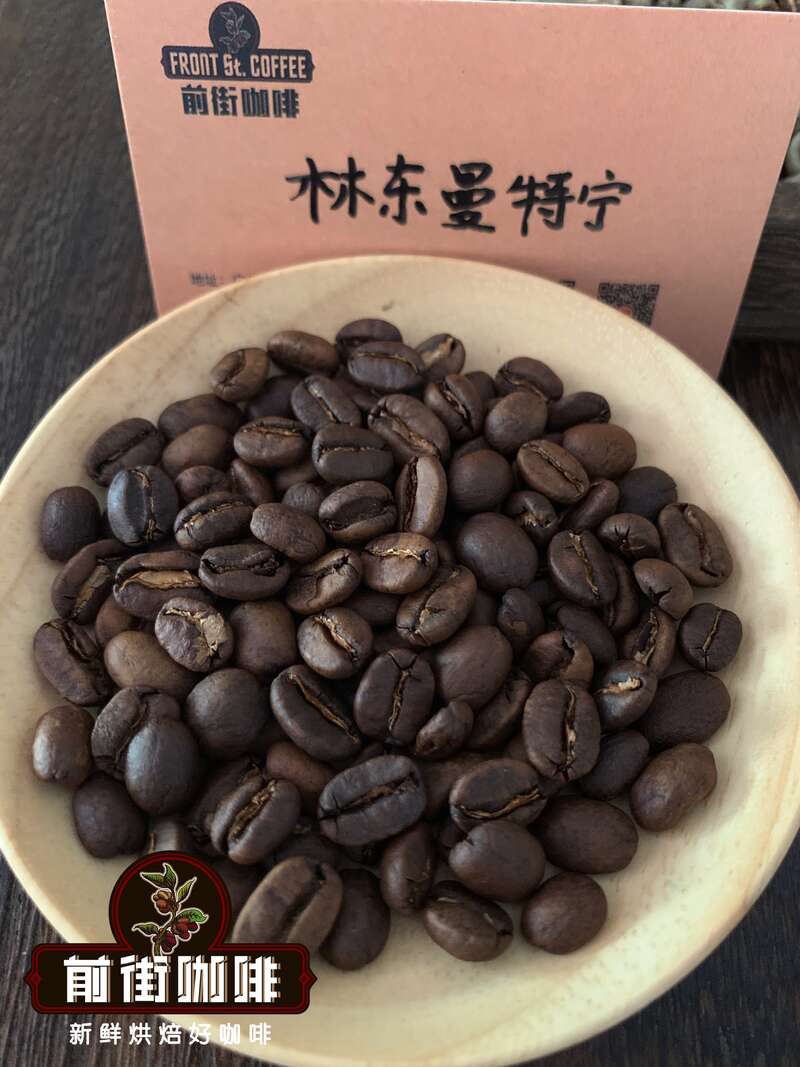
Flavor comparison tests show that Golden Mandheling presents a more three-dimensional flavor structure: obvious dark chocolate and caramel sweetness on entry, pine and spice notes in the mid-palate, and a lingering nutty aftertaste; Lintong Mandheling is dominated by a solid toasted-bread base, accompanied by herbal and dark-roasted nutty notes, with sweetness released relatively gently but a clean finish. When brewing both bean types, take care to avoid over-stirring to prevent uneven extraction that can cause sharp acidity or woody notes.
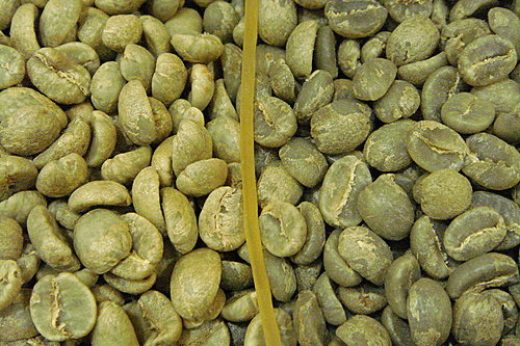
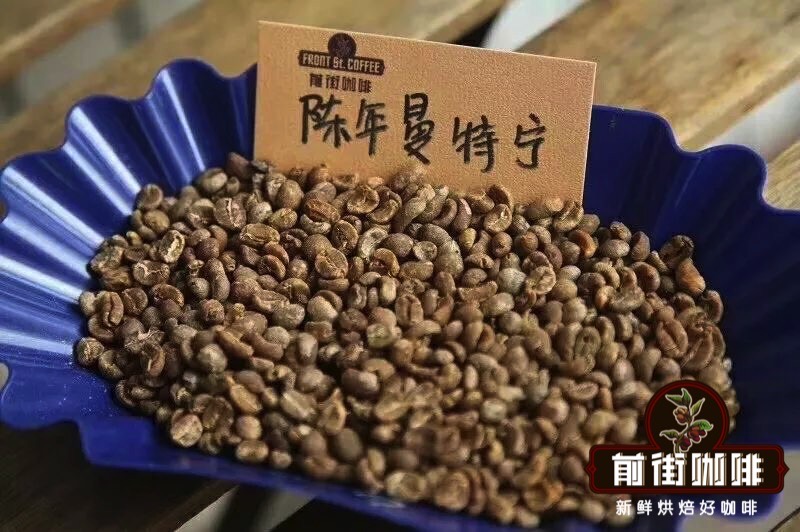
For novice consumers, when purchasing, it is recommended to first observe the appearance of the green beans: Golden Mandheling should show uniform dark green color and plump bean size, while regular Mandheling may contain a certain proportion of pale or irregular beans. For storage, unopened foil bags can maintain flavor stability for 12 months; after opening, it is recommended to use a one-way degassing valve container and place it in a cool, dark place. Grind size should match the brewing method—medium-coarse grind (similar to sea salt granules) is recommended for pour-over, while espresso machines require a very fine but not overly powdered state.
In summary, the essential difference between Golden Mandheling and regular Mandheling stems from quality control differences across the entire supply chain. The former achieves flavor purification through strict sorting standards and variety selection, while the latter retains more original regional character through traditional techniques. Understanding these differences helps in making choices according to personal taste preferences; whether pursuing clean, bright sweetness or full-bodied traditional flavor, a suitable match can be found in the Sumatran Mandheling family.