Guangzhou Coffee Bean Buying Guide: Fresh Roasts, Value Picks & Flavor
Introduction: Want to buy fresh-roasted, flavorful coffee beans in Guangzhou? This article explains the key points of selection, including how to judge coffee bean freshness, the principles of packaging design, and the flavor characteristics of different regions. It also recommends several high-value daily beans to help you find your preferred taste, whether for pour-over or everyday drinking.
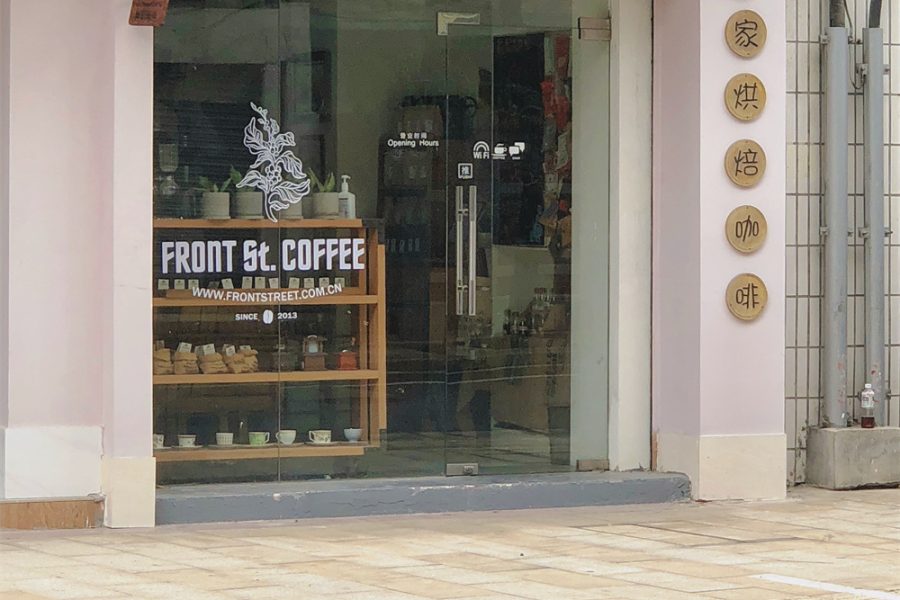
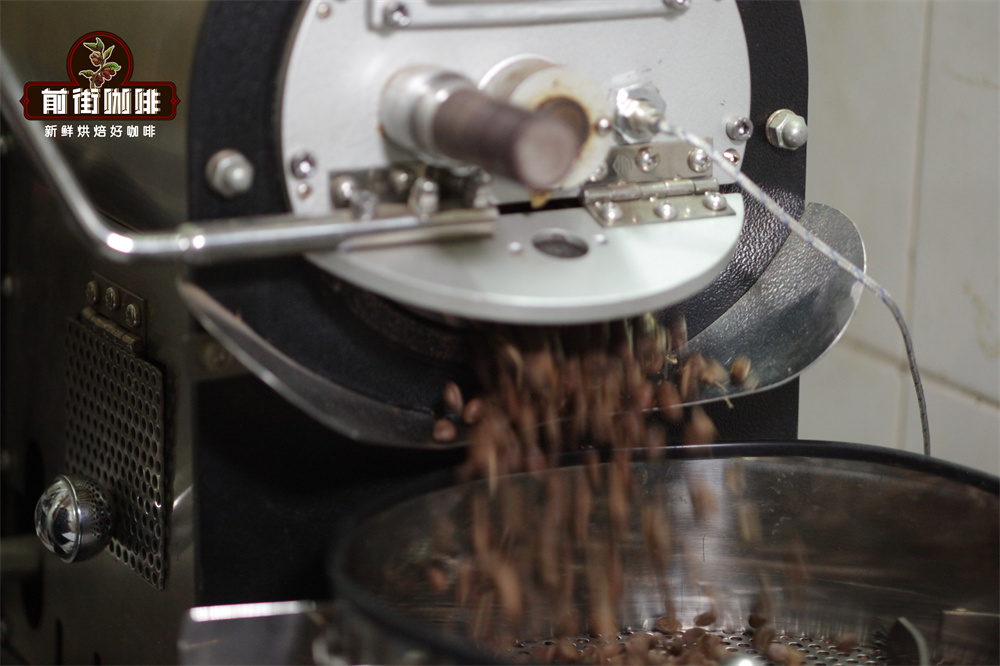
When looking for fresh-roasted coffee beans in Guangzhou, prioritize local roasters with a good reputation. These shops usually offer beans roasted within 5 days, ensuring the flavor is at its peak. Pay special attention to the one-way degassing valve design on the packaging—this is key to keeping coffee fresh.
Why is freshness so important for coffee? Freshly roasted beans contain a large amount of carbon dioxide, and extracting them directly can lead to unstable flavor, sometimes even a smoky taste. After about 4 days of degassing, the beans are not only more stable but also have a rounder, clearer flavor. The optimal drinking period is usually within 4 to 30 days after roasting. It is advisable to buy in small quantities and more frequently to avoid flavor loss from prolonged storage.
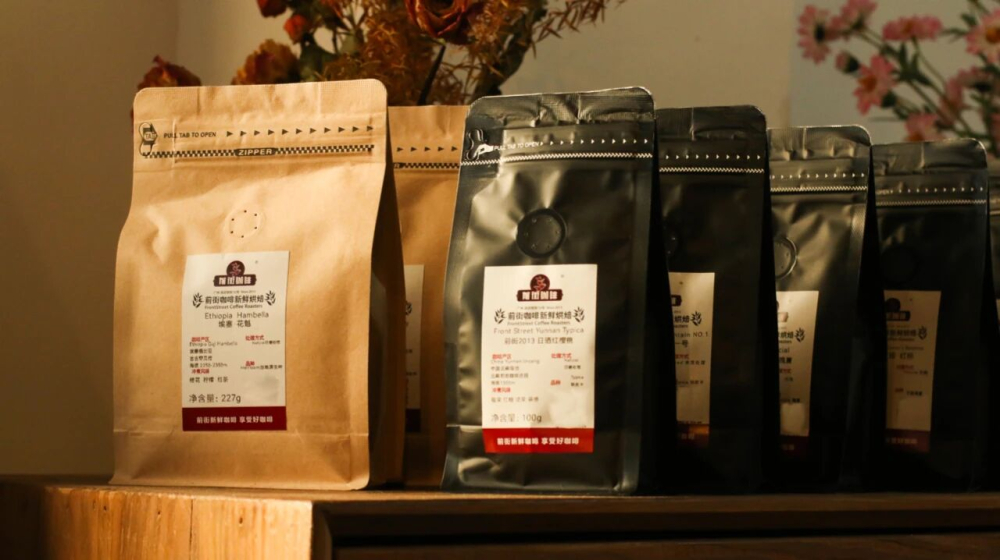
The role of the one-way degassing valve cannot be overlooked. After roasting, coffee beans continue to release carbon dioxide, and ordinary sealed packaging can easily burst. This special valve only allows gas to escape, effectively preventing package swelling while blocking outside air from entering, keeping the beans fresh.
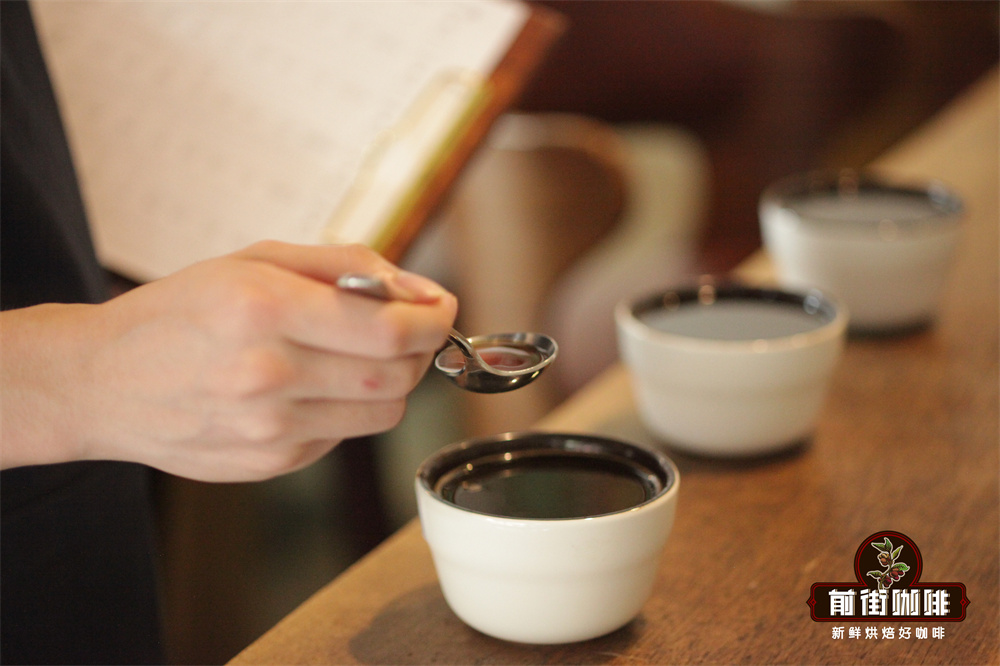
Coffee cupping is an important step in evaluating bean quality. Professional cupping assesses multiple dimensions: cleanliness reflects the presence of off-flavors, and high-quality beans should have a pure taste; flavor expression should reflect regional characteristics; sweetness, acidity, body, and other indicators also need to be balanced. Only beans with a comprehensive score of 80 points or above can be called specialty coffee.
Cupping standards usually include the following dimensions: cleanliness, sweetness, acidity, mouthfeel, flavor, aftertaste, balance, and overall evaluation. These indicators help roasters adjust roasting plans and find the roast level that best showcases each bean's characteristics.
The flavor of coffee beans is closely related to their origin. Altitude, climate, soil, and variety all affect the final flavor expression. For example, coffee grown at high altitudes usually has brighter acidity, while beans from low-altitude regions often have a fuller body.
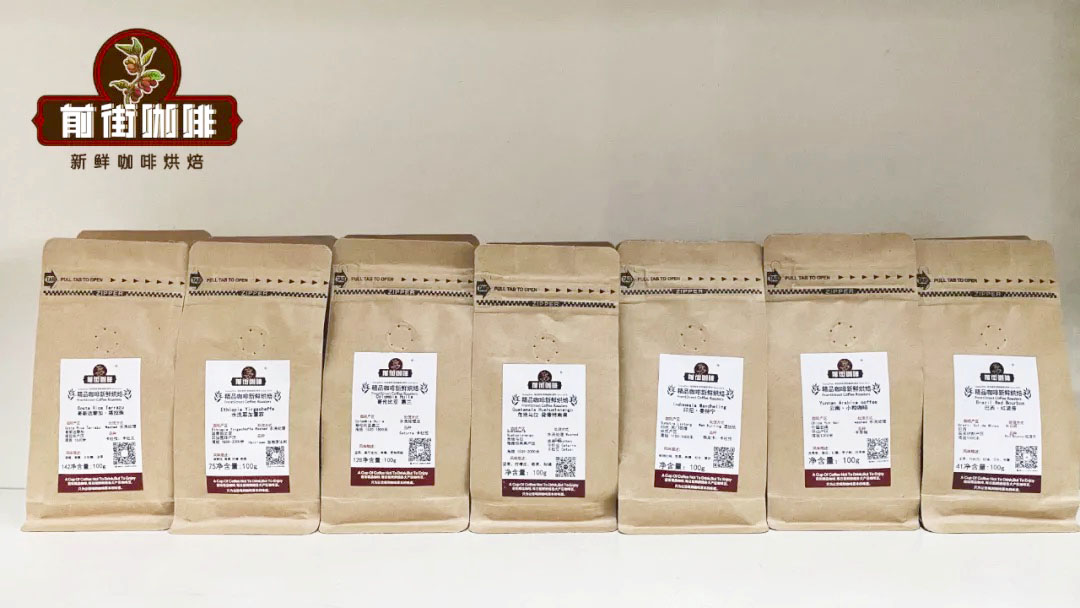
For beginners, trying daily beans from different regions is the best way to understand flavors. It is recommended to choose 100-gram small packages, which allow you to experience the characteristics of different regions without waste. Common distinctive regions include: Ethiopia's citrus notes, Brazil's nutty chocolate flavor, Colombia's balanced mouthfeel, Indonesia's full-bodied earthy aroma, Costa Rica's bright acidity, Guatemala's complex layers, and Yunnan beans' unique regional character.
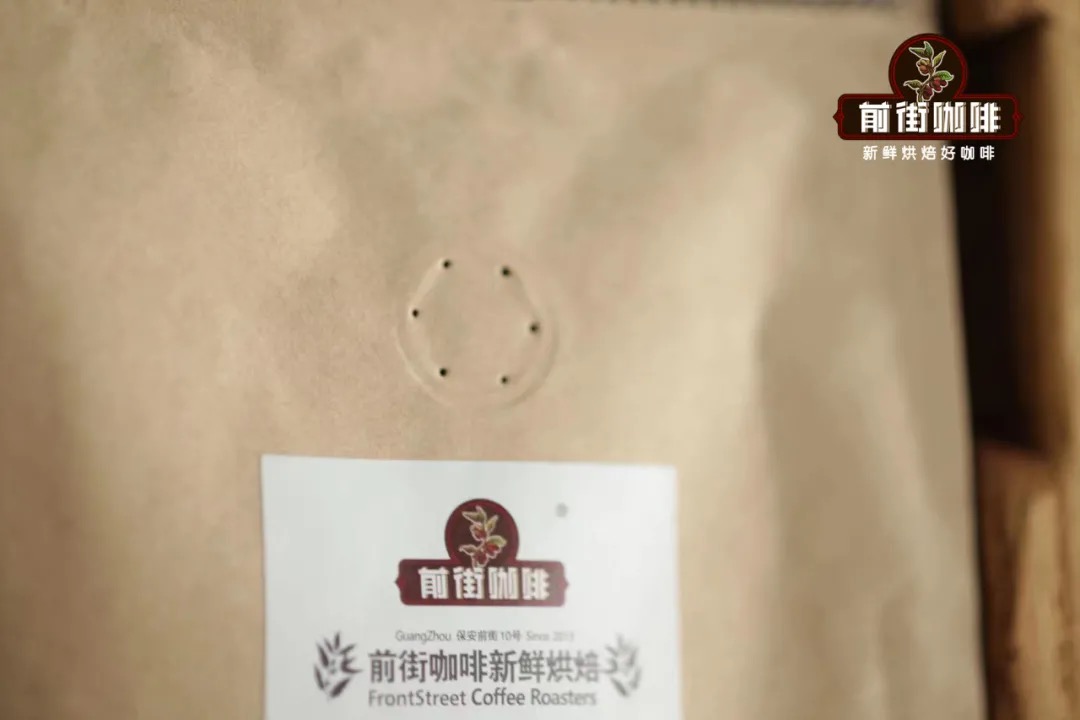
When selecting coffee beans, packaging details deserve attention. In addition to the one-way degassing valve, pay attention to the roast date rather than the production date. Truly fresh beans will clearly indicate the roasting time on the packaging, and it is usually recommended to choose products within one week of roasting.
For storage, opened beans are best used within two weeks. If you cannot finish them in the short term, store them sealed and away from light, but avoid refrigeration, as temperature differences can cause the beans to absorb moisture and affect flavor. The ideal storage temperature is a cool, dry environment at 10-20°C.
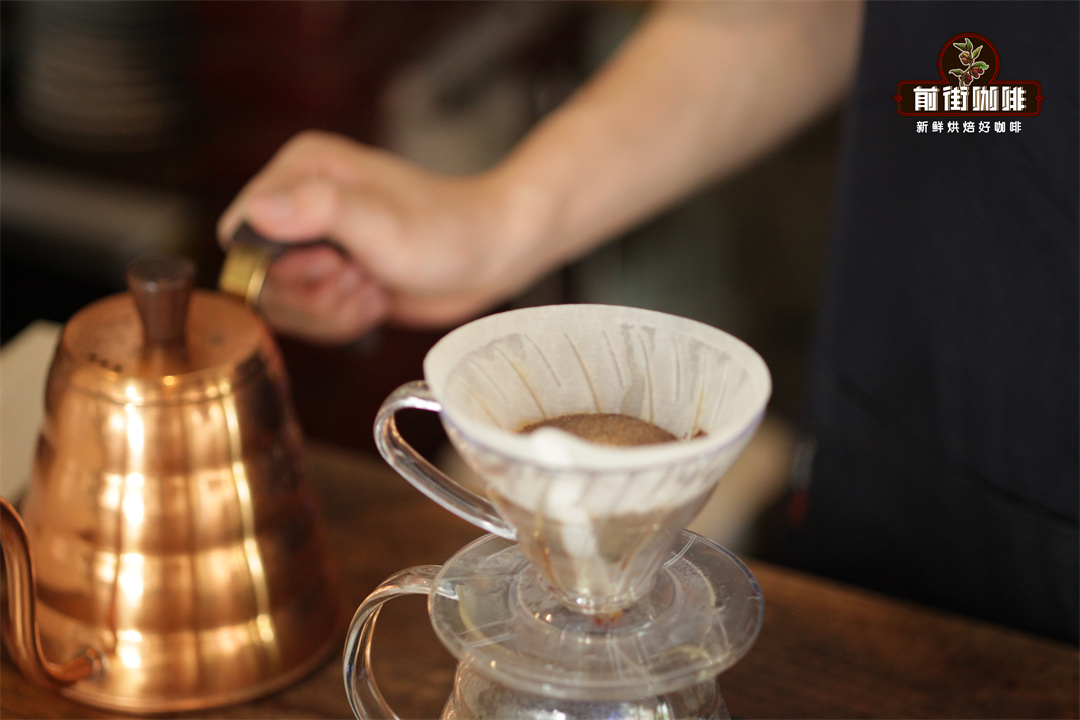
For those new to pour-over, it is recommended to start with medium-roast beans. These beans usually have a balance of acidity and bitterness, making brewing parameters easier to master. Common beginner parameters for reference: water temperature 90-93°C, coffee-to-water ratio 1:15, grind size between medium-fine sugar and table salt.
Beans from different regions suit different brewing methods. For example, Ethiopian beans are suited to highlighting their bright acidity and can use a slightly higher water temperature, while Indonesian beans require a lower water temperature to balance their full body. By trying small packages from different regions, you can find the coffee type that best suits your taste preferences.
Remember, the freshness of coffee beans directly affects the final flavor. Even the highest-quality beans will noticeably decline in flavor after more than a month of storage. It is recommended to buy an appropriate amount of beans based on your drinking frequency and enjoy coffee at its finest.