How to Choose Beans for Pour-Over: Jamaican Blue Mountain Flavor and Brewing Guide
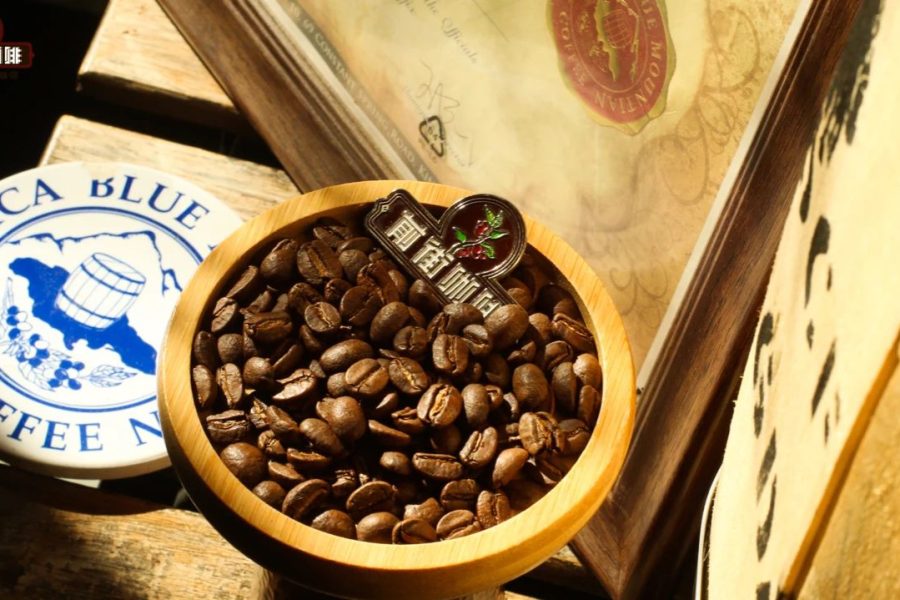
Introduction: Choosing coffee beans suited to pour-over is a key step in improving your coffee experience. Starting with the globally renowned Jamaican Blue Mountain coffee beans, this article explains their origin characteristics, green bean grading standards and flavor profile, and shows why they are known as the "aristocrat" of coffee. It also provides professional brewing parameters and practical tips, and recommends several pour-over beans suited to different taste preferences, helping you find the flavor you love.
When it comes to pour-over coffee, choosing the right beans is the foundation. Jamaican Blue Mountain coffee, with its unique growing environment and strict quality control, has become a benchmark in the minds of many coffee lovers. This coffee is grown mainly in Jamaica's Blue Mountain region, where the Caribbean sea breeze, volcanic rock soil and moderate elevation combine to produce a balanced, mellow and highly recognizable flavor.

Jamaican Blue Mountain coffee uses the classic Typica variety, known for its delicate mouthfeel and consistent flavor. The Blue Mountain region's distinctive geography and climate, such as abundant rainfall, fertile soil and relatively low elevation, together create Blue Mountain coffee's mild, full-bodied character with balanced acidity and bitterness. Blue Mountain green bean standards are extremely strict: exported green beans may not exceed a 3% defect rate, moisture content must remain stable at around 13%, and roasted bean yield is usually controlled at 83%. Based on green bean screen size, beans of 17 screen or above are Grade NO.1, 16 screen or above are Grade NO.2, and 15 screen or above are Grade NO.3. Top-grade Blue Mountain No.1 green beans are usually dark green, smooth and plump with a waxy texture, resembling a precious emerald. Before export, all roasted beans undergo cupping inspection by a professional quality control team to ensure quality standards are met before they leave the country.

The greatest appeal of high-quality Blue Mountain coffee is its ability to perfectly integrate acidity, bitterness, sweetness and body into an elegant, layered taste experience that many other coffees struggle to match. Its flavor is not intense but long-lasting, delicate and aromatic on the palate, which is why many coffee fans call it a "coffee beauty" that combines many virtues. For beginners, tasting Blue Mountain coffee is an excellent starting point for understanding the depth of coffee flavor.

How do you brew high-quality Blue Mountain coffee at home? Here is a proven brewing recipe suitable for most household equipment: a KONO dripper, a recommended water temperature of 88°C, a water-to-coffee ratio of 1:15, a recommended dose of 15 grams, and a grind size with a 80% pass rate through a Chinese No. 20 standard sieve, i.e. medium-fine. In practice, first pour 30 grams of water for a 30-second bloom, then pour in a slow circular stream; when the total water reaches 125 grams, make the first pour break, and when the water level drops and is about to expose the bed, continue pouring until 225 grams and stop; wait again for the water level to drop and about to expose the bed, then remove the dripper. Time the whole extraction from the start of the bloom, and keep it to exactly 2 minutes. This set of parameters aims to standardize the result, but everyone can fine-tune flow, grind and temperature to their own taste and find the brewing method that suits them best.

Of course, besides Blue Mountain coffee, many other excellent pour-over beans are worth trying. If you prefer fresh floral and fruity notes, choose single-origin beans with pronounced floral character; these usually have bright acidity and rich fruit aromas, with almost no strong bitterness, delivering a pleasant taste experience. Common recommendations include fruity bean types with distinct floral and fruit aromas; they are generally suited to medium-light roasting and fully express the coffee's regional flavor and lively acidity.

For drinkers who are not used to acidity and prefer a fuller body, medium-dark roasted beans are a safer choice. These coffees usually carry warm notes of chocolate, nuts or caramel, with balanced bitterness and sweetness and a full mouthfeel. For example, some high-quality beans from South America and Indonesia are not only suitable for pour-over but also compatible with moka pots and espresso machines, making them more versatile. When choosing, prioritize single-origin beans that have been medium-dark roasted and have balanced, full-bodied characteristics; they can equally show coffee's complex layers and warm texture.

In summary, the world of pour-over coffee is rich and varied. Whether you seek the elegant balance of the Blue Mountain classic or love fresh floral-fruity or full-bodied warm flavors, the key is to understand each coffee's characteristics and adjust brewing parameters to your personal taste. From green bean grading to roast level, and on to brewing water temperature, coffee-to-water ratio and grind size, every detail can affect the final coffee experience. I hope this article helps you better choose and brew the pour-over coffee you love, and start your own coffee exploration journey.