Central and South American Coffee Regions: Why Panama Geisha Commands Sky-High Prices
Introduction: This article provides an in-depth analysis of the terroir advantages of the core coffee regions of Central and South America, with a focus on the top-tier Geisha coffee nurtured by Panama's volcanic soils. By comparing global coffee auction data, it reveals the premium logic behind the Geisha variety selling for over $800 per pound and provides key parameters affecting flavor, such as altitude and processing method, to help you understand the value chain of specialty coffee.
Along the arc stretching from Central America to South America, spanning the Pacific and Atlantic oceans, lies the world's finest volcanic-rock coffee-growing belt. The Chiriquí highlands, from southern Costa Rica to northern Panama, with their fertile volcanic-ash soils and unique microclimates, form a golden-latitude zone for nurturing specialty coffee. The region's average annual temperature holds steady between 18-22°C, and combined with a mountain environment where the diurnal temperature difference reaches 8-10°C, this provides ideal conditions for coffee cherries to accumulate sugars and aromatic compounds.
Panama's coffee industry is known for its smallholder intensive-farming model, with more than 90% of the country's plantations covering less than 3 hectares. This meticulous management system not only ensures uniformity in fruit ripeness but also maintains consistent harvest quality through labor-rights protections that exceed industry standards. Notably, the country's coffee regions are concentrated on volcanic slopes at altitudes of 1,200-1,800 meters, where the microclimatic differences between Boquete and Volcán create distinctly different flavor layers in the Geisha variety.
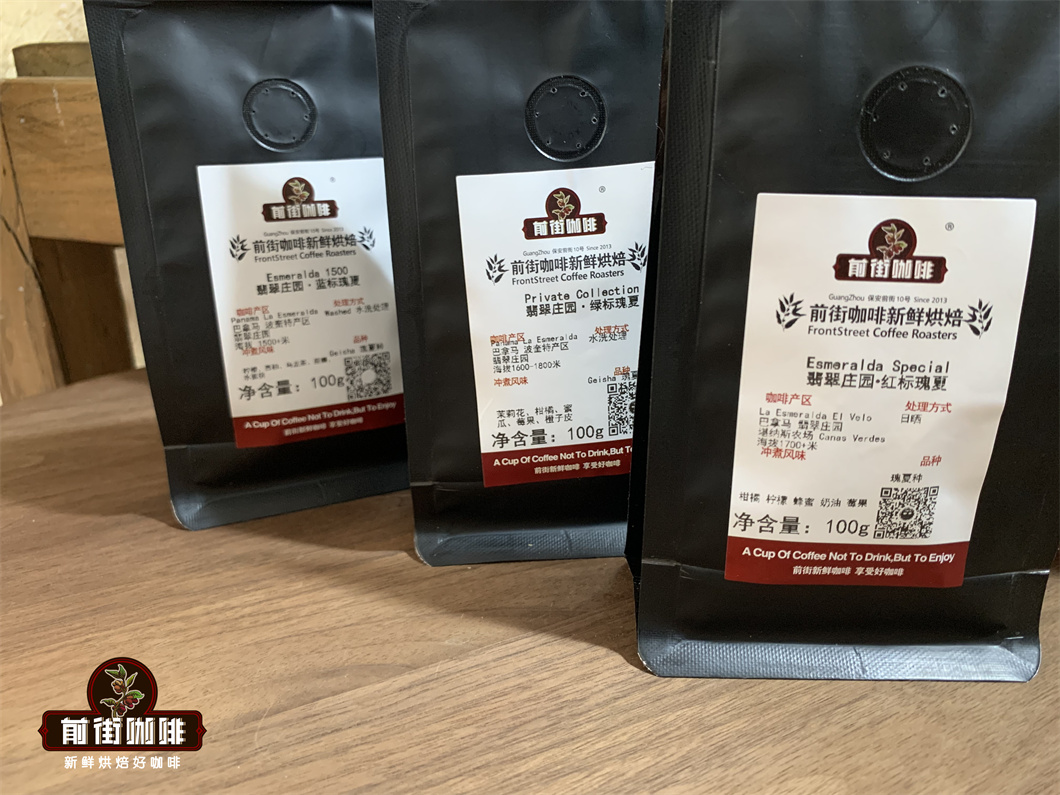
As the world's most renowned coffee variety, Geisha displays astonishing potential in Panama's special terroir. In the 2004 Best of Panama green-coffee competition, a Geisha sample from Hacienda La Esmeralda set a new record with a high score of 94.1 points; its triple profile of jasmine florals, lychee sweetness and a tea-like finish completely changed the specialty coffee market's understanding of varietal value. That lot of green coffee ultimately fetched a sky-high price of $803 per pound, equivalent to more than 300 times the price of ordinary commercial beans.
The high premium of Geisha coffee stems from a combination of multiple scarcities: first, it must be grown in cloud-forest belts above 1,500 meters; second, shade cultivation is used to slow the ripening cycle; and finally, strict honey processing or sun-drying (usually lasting 8-12 days) is applied. The green beans circulating on the market mostly retain an intact mucilage layer, and roasters need to adjust the roasting temperature curve according to the defect rate—light roasting (before the dense stage of first crack) highlights citrus notes, while medium roasting reinforces caramel and nutty flavors.
Ordinary consumers mainly encounter Geisha coffee through specialty coffee shops, where a single cup typically sells for 80-150 yuan, roughly 3-5 times the price of a regular espresso. When buying, it is advisable to check the altitude and processing-method information on the packaging; high-quality Geisha should clearly indicate the Boquete or Volcán region as well as the specific estate name. For brewing parameters, a V60 dripper is recommended, with a coffee-to-water ratio of 1:15-1:16, a water temperature of 92-94°C and a medium-fine grind (75% passing a No. 20 sieve), which better balances floral and fruity aromas with a rich body.


