Beginner's Guide to Tasting Great American Coffee: Bean Picks and Flavor Guide
Introduction: For coffee beginners, the many categories such as dark roast, light roast, single origin and blends can often feel overwhelming. This article starts from the basics, walking you through how to taste a good cup of American coffee and recommending a range of coffee beans suited to different taste preferences, covering fruity, nutty and floral tea notes and more, to help you quickly find the one you love.
To truly appreciate a quality cup of coffee, you first need to understand the basic classifications and flavor characteristics of coffee. By roast level, coffee beans can be divided into dark roast and light roast. Dark roast usually has a heavier bitterness and intense aroma, suitable for making traditional American coffee; light roast has bright acidity and retains more of its original flavor, suitable for pour-over or those who prefer a fresh taste. In addition, there is a distinction between single-origin coffee beans and blended coffee beans: the former highlights the character of a single region, while the latter combines multiple beans to achieve a balanced taste.

When choosing coffee beans, beginners might start with representative beans from well-known regions around the world, and gradually discover their own taste preferences by comparing beans from different regions and processed in different ways. Whether you prefer fruity acidity, nutty notes, or are fond of rich sweetness, you can find a type that suits you.
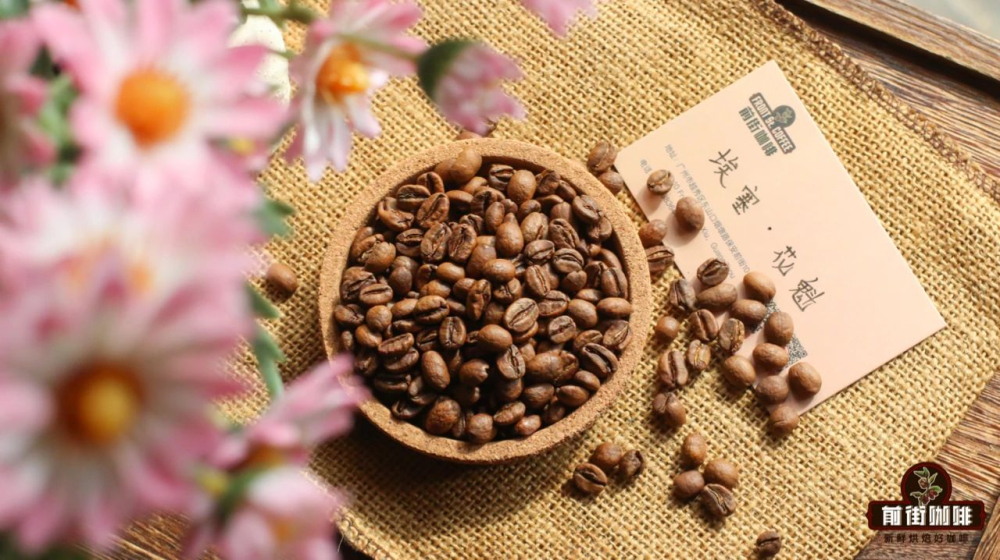
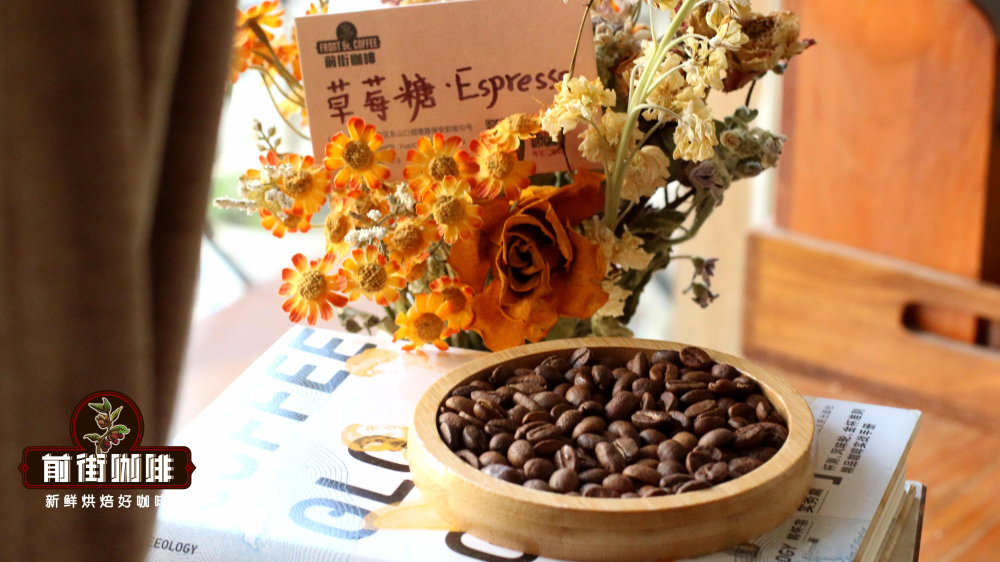
First, a coffee bean with distinct floral and fruity character. It is natural processed and carries rich tropical fruit aromas; on the palate you can sense clear floral notes and a strawberry-like sweet-tartness, with a finish of black tea mellowness. Overall it is layered and has moderate acidity, very suitable for those who enjoy refreshing fruit flavors and don't mind acidity. However, this type of bean is better suited to pour-over; using an espresso machine or moka pot may make it hard to bring out its delicate flavors.
Another coffee bean uses black honey processing, with very prominent sweetness. Its flavor combines the sweetness of longan, grape and honey, accompanied by light floral notes; the mouthfeel is smooth and mellow with an obvious sweet aftertaste. This type of bean has lower acidity and a balanced overall flavor, suitable for drinkers who dislike sharp acidity but want coffee with rich layers and lasting sweetness. Whether as pour-over or as the base bean for a light-roast espresso blend, it performs well.
For consumers who prefer low acidity and mainly nutty and chocolate flavors, we suggest trying Brazilian coffee beans processed by semi-washed (pulped natural) method. These beans often carry mellow chocolate aromas and nutty sweetness, with extremely low acidity and mild bitterness, very suitable for adding milk or making various coffee desserts. They are highly stable and approachable in flavor, making them one of the top entry choices for many coffee beginners.

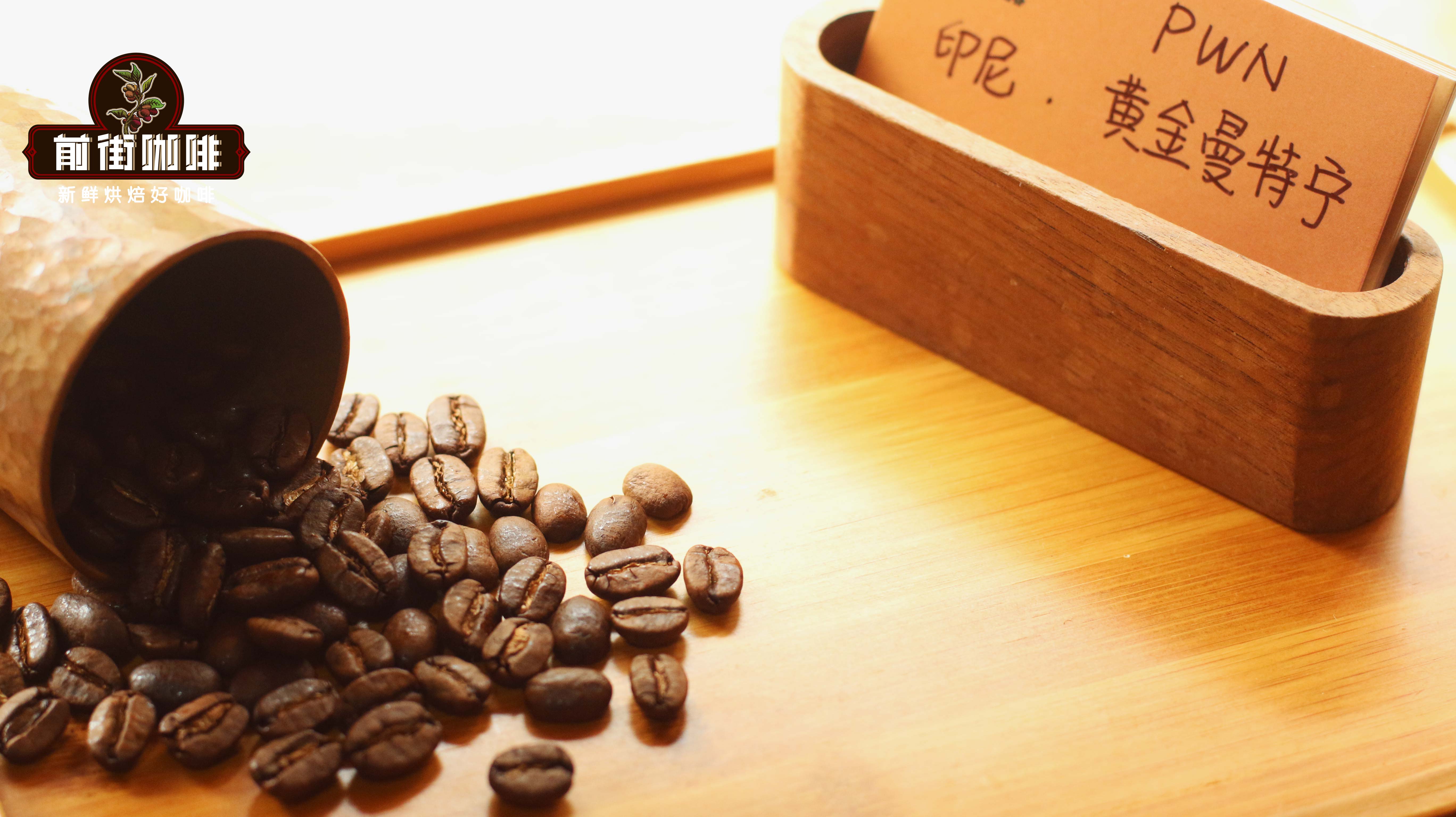
If you want to experience a heavier, richer black coffee, you can choose an Indonesian bean that has undergone special processing. This type of coffee usually uses wet hulling and carries classic dark-roast chocolate and caramel flavors; herbal or earthy off-notes are greatly reduced, and the overall taste is clean and well layered. Its dark chocolate character is especially prominent, suitable for users seeking mellowness and caramel sweetness, and especially suited to being made into pure black coffee to savor slowly.
As for espresso blends, a fruit-forward blend often brings richer nutty and chocolate notes, with low acidity and an intense mouthfeel, particularly suitable for pairing with milk to make lattes or cappuccinos. This type of bean suits not only home espresso machines but also moka pot users, with simple operation and consistent results.
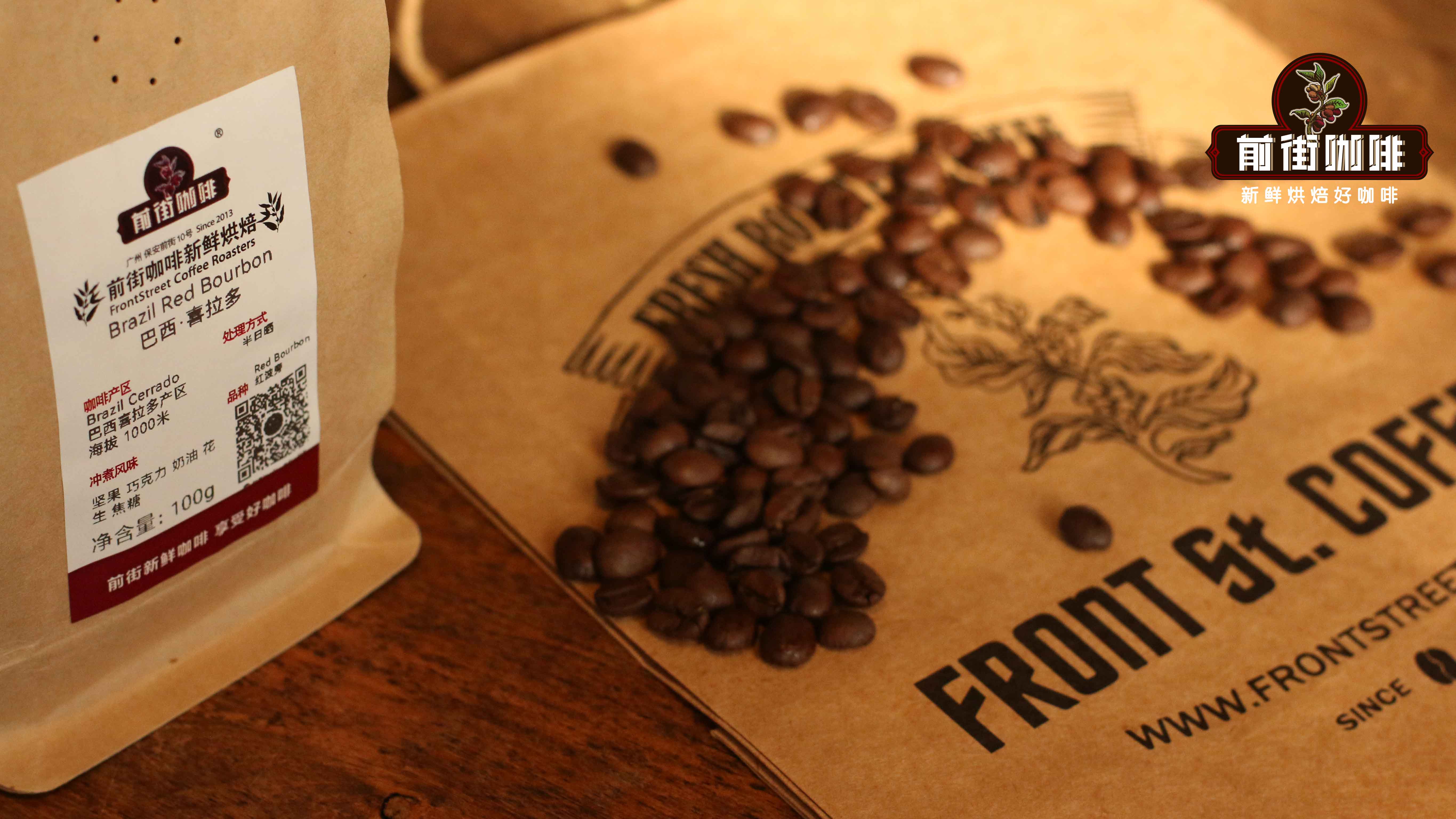
For beginners just getting into coffee, we recommend trying a classic blend with excellent balance. This type of coffee usually combines popular flavors such as nuts and chocolate, with moderate acidity and bitterness and higher sweetness; it is very suitable whether making black coffee or adding milk. Whichever brewing method you use, you can get a good taste—a choice that won't go wrong even if you pick it blind, especially suitable for the indecisive or those who simply want to enjoy coffee with ease.
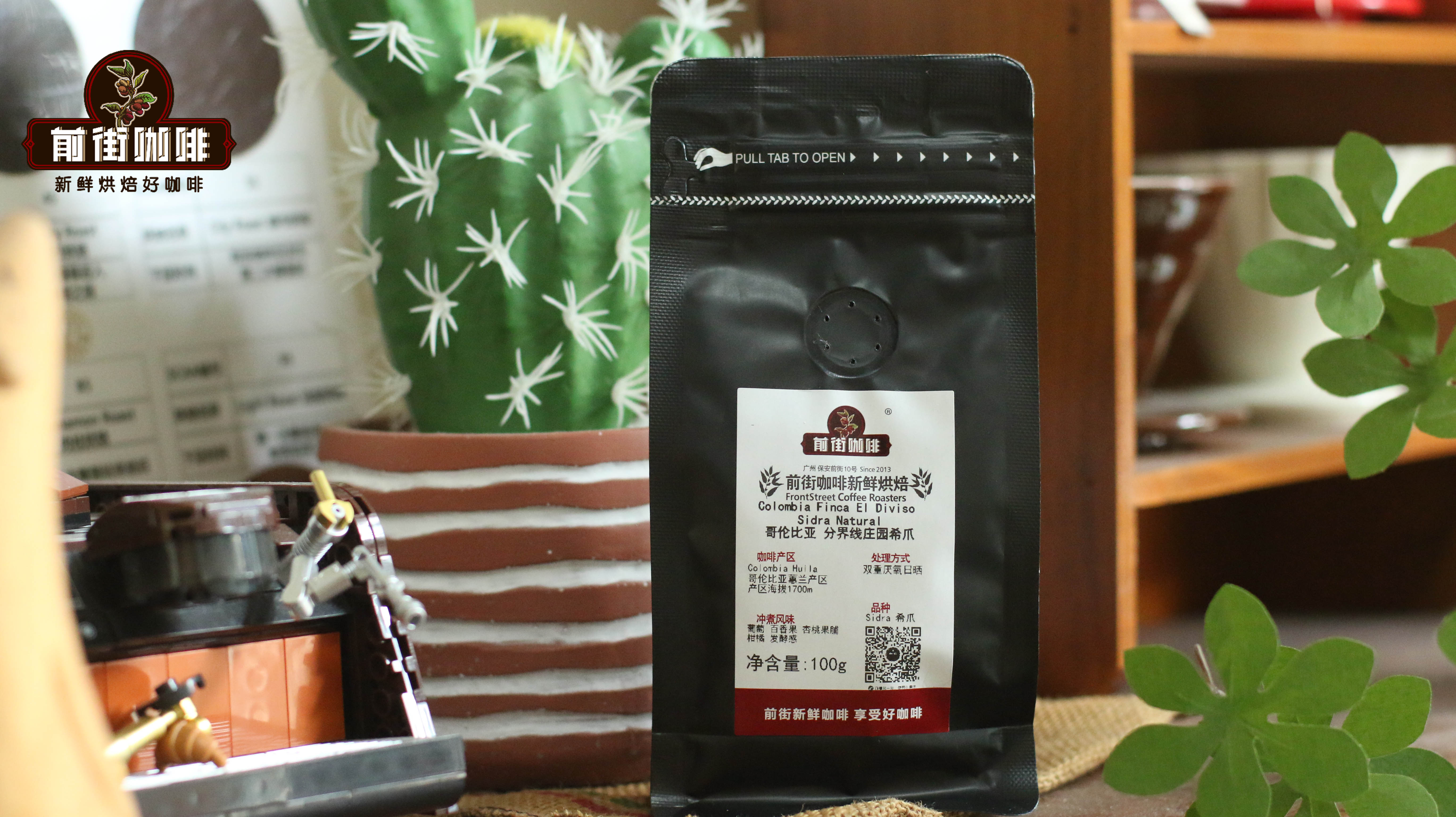
If you prefer cold brew or iced coffee, you can try a bean with distinct fermented fruity aromas. This type of coffee usually gives off fresh fruit aromas of passion fruit, grape, apricot and citrus, with a finish of chocolate and fruity-wine-like sweetness, offering a unique flavor and rich layers. It is very suitable for summer cold drinks or for making ice drip and cold brew coffee, offering a different experience for users who like fruity and fermented notes.
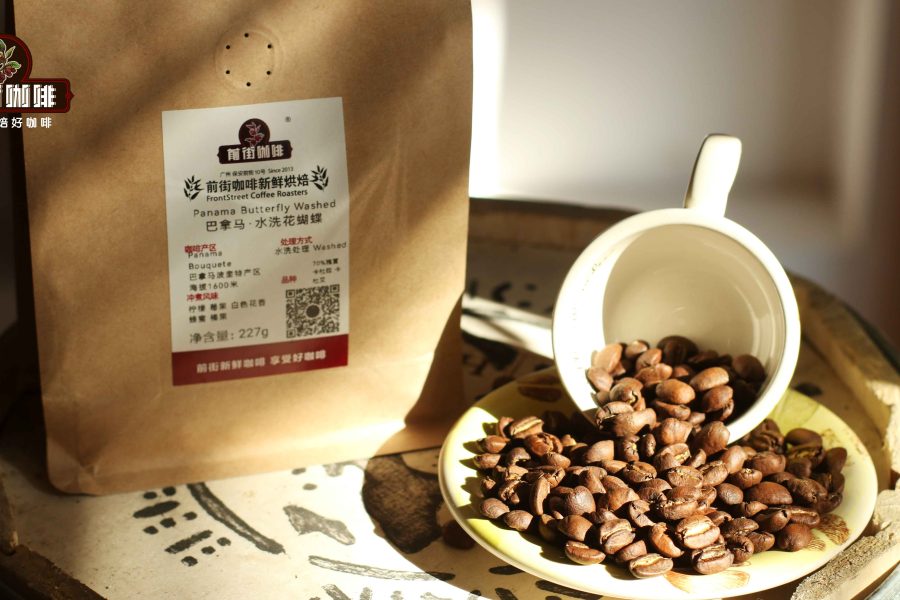
In addition, there is a coffee bean with a flavor close to floral tea, combining citrus, green tea and berry aromas. It is fresh and gentle on the palate, with a slight elegance of green tea and the faint tartness of green grapes, very suitable for users who like tea-like notes but dislike strong acidity. Its fresh flavor suits pour-over or cold brew, bringing a soothing experience similar to drinking tea, making it an ideal choice for those who prefer light flavors.
To taste a good cup of coffee, besides choosing the right beans, you also need to master suitable brewing parameters. For pour-over, for example, the water temperature is recommended to be controlled at 90–94°C, with a coffee-to-water ratio of about 1:15 to 1:16, and the pouring should be even and steady; for espresso, a pressure of 9 bar is recommended, and the grind size should be fine-tuned according to the machine, generally between medium-fine and fine. Only by mastering these basic parameters can you fully release the unique flavor of each bean.
In short, from rich fruity notes to mellow chocolate, from fresh floral tea to intense nutty notes, there is always a coffee bean for you. Why not start with the flavors recommended above, and through repeated trials and comparisons, gradually find the one you love most, and begin your own coffee exploration journey.