The Complete Guide to Manual Coffee: French Press, AeroPress and Pour Over Techniques
Introduction: From the French press to the AeroPress, from pour over to drip, manual coffee brewing methods are becoming a new favorite among coffee lovers. This article takes an in-depth look at the core techniques of the French press, AeroPress and pour over coffee, covering practical details such as equipment selection, grind parameters and water temperature control, and compares them with automatic drip. Whether you are a beginner or looking to improve your brewing, you will find the key methods for enhancing coffee flavor.
Manual coffee brewing is becoming an important part of specialty coffee culture. From professional cafés to home kitchens, French presses, AeroPresses and pour over gear are gradually replacing traditional drip coffee machines thanks to their flexible parameter adjustment and richer flavor expression. These methods not only reveal the original flavor layers of the coffee beans, but also let the brewer precisely control the extraction process according to personal taste.
French Press: The Science Behind Simplicity
The French Press, as a brewing tool with a long history, owes its appeal to the unique experience of coarse-ground coffee fully contacting hot water and then retaining the coffee oils through a metal filter.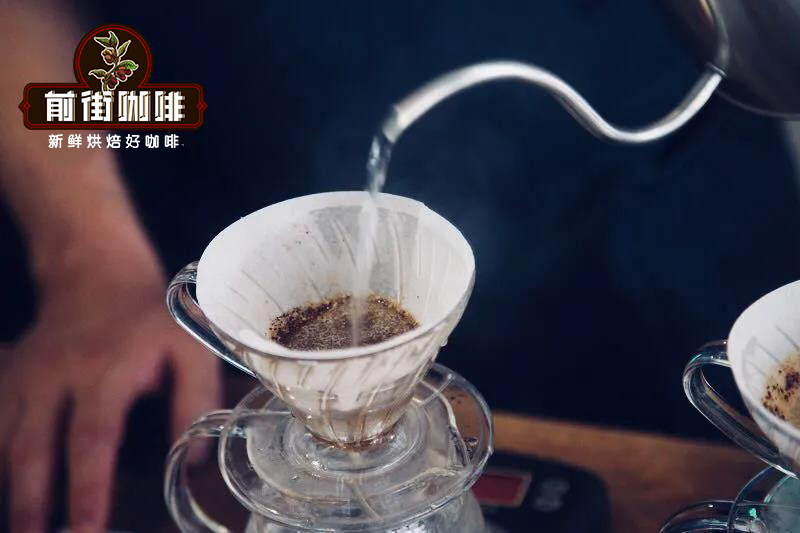 When using it, choose a medium-coarse grind (similar to the texture of sea salt), a coffee-to-water ratio of 1:15, and a water temperature of 92-96°C. After pouring the water, stir evenly and let it steep for 4 minutes, then slowly press down the filter to avoid over-extraction. It is worth noting that glass French presses have poor heat retention, so it is advisable to preheat them or switch to a stainless steel model.
AeroPress: The Extraction Art of a Versatile Performer
The AeroPress creates varied flavor possibilities through pressure extraction. The standard brew uses a fine grind (slightly coarser than pour over), steeps the coffee grounds in hot water (85-93°C) for 1 minute, then inserts a paper filter and presses down quickly for about 20 seconds. For a cleaner mouthfeel, use the original paper filters; if you prefer a fuller flavor, a metal filter retains more coffee oils. Special tip: low-temperature slow extraction (80-85°C) suits light roasts and highlights citrus notes; for dark roasts, raise the water temperature above 90°C to bring out caramel aromas.
Pour Over Coffee: The Joy of Precise Control
The core of pour over lies in water flow control and parameter balance. A medium grind (the texture of granulated sugar) is recommended, with a coffee-to-water ratio of 1:16 and a water temperature kept at 90-94°C. Cone-shaped drippers such as the V60 are suited to highlighting bright acidity, while flat-bottom drippers bring a fuller body. When pouring, follow a spiral path from the center outward; pouring in stages (e.g. 30ml→60ml→90ml) helps achieve even extraction. Common mistakes include pouring too forcefully, which causes channeling, or using water that is too hot, which brings out bitterness.
Automatic Drip vs. Manual Brewing
Although fully automatic coffee machines are convenient to operate, their fixed parameters often struggle to meet the needs of different bean types. The biggest advantage of manual brewing is its adjustable variables: grind size (affects extraction rate), water temperature (controls the speed at which compounds are released) and brew time (determines concentration balance). Professional advice: freshly roasted coffee beans (7-21 days after roasting) are best suited to manual brewing and retain the most aromatic compounds.
Once you have mastered these basic techniques, you can further explore advanced methods such as pre-infusion (bloom) and pulse pouring. Remember, excellent coffee depends not only on equipment but also on attention to detail—from weighing precision to water hardness, every step affects the final taste experience.


