Light Roast Acidic Coffee Buying Guide: Geisha, Yirgacheffe and Hualui Flavors and Pour-Over Parameters
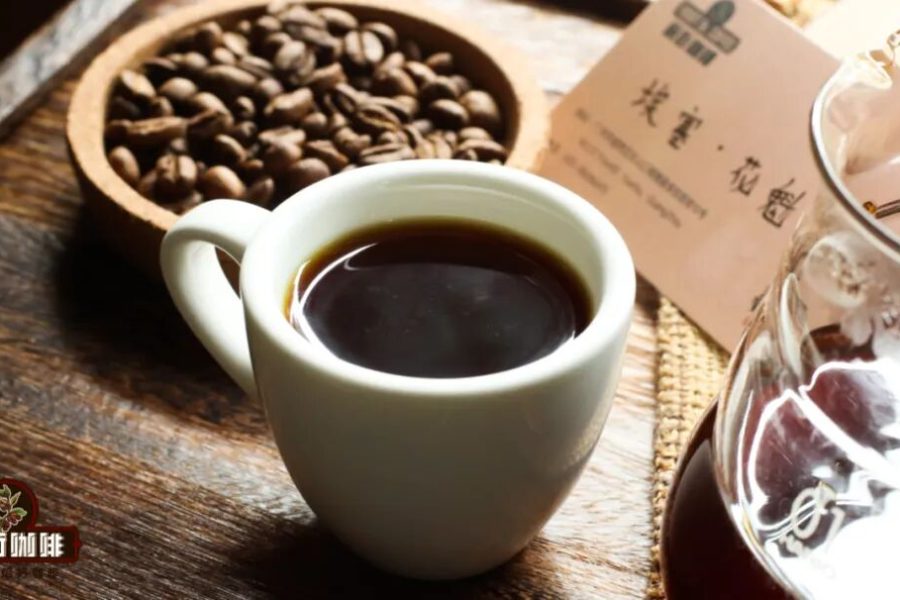
Introduction: Light roast coffee is known for its bright acidity and floral-fruity character, making it a top entry point for specialty coffee enthusiasts. This article explains the roasting range and flavor characteristics of light roast beans and covers five highly popular beans, including classic processing methods from producing regions such as Ethiopia and Kenya, and provides a professional three-pour pour-over scheme to help you precisely extract delicate flavors such as citrus and florals.
Differences in coffee flavor stem largely from the degree of roasting. As an important branch of specialty coffee, light roast retains more of the original flavor compounds, making it an ideal choice for exploring floral-fruity character. The key roasting milestone for this type of coffee is first crack—when the moisture inside the green beans evaporates to a critical point and the bean body cracks audibly, first crack begins; ending the roast at this moment locks in highly active organic acids and aromatics.

Strictly speaking, light roast refers to beans dropped in the mid-to-late first crack stage (about 1:15 to 1:30 development time). At this point the bean surface is light brown with a relatively high gloss, and internal acidic substances such as citric acid and malic acid are fully preserved; on the palate it shows a distinct fruity acidity base, an extremely low bitterness threshold, and plant-like finish notes such as green tea and honey. High-quality light roast beans often show a layered balance of sweetness and acidity rather than a single sharp acidity.
 When buying, it is advisable to prioritize roasters with a stable supply chain, as freshness directly affects flavor performance. Ideally, roasted beans should be used within 5-14 days after roasting, when aromatic esters are at their peak. Check whether the packaging shows a roast date rather than a vague shelf life, and confirm whether one-way degassing valve packaging is used to slow oxidation.
 For beginners, we selected five market-validated, high-value light roast beans. First recommended is a washed bean from Ethiopia's Yirgacheffe region, grown at an altitude of 2,300 meters; the heirloom variety gives it signature citrus and blueberry notes, paired with honey sweetness and a delicate green tea finish, with a lively but not harsh acidity.
 Another Kenyan highland bean uses the K72 washed process; the SL28/SL34 varieties grown at 1,550-1,750 meters present a distinctive cherry tomato acidity and umeboshi-like fermented character, with a pronounced brown sugar sweetness in the finish.
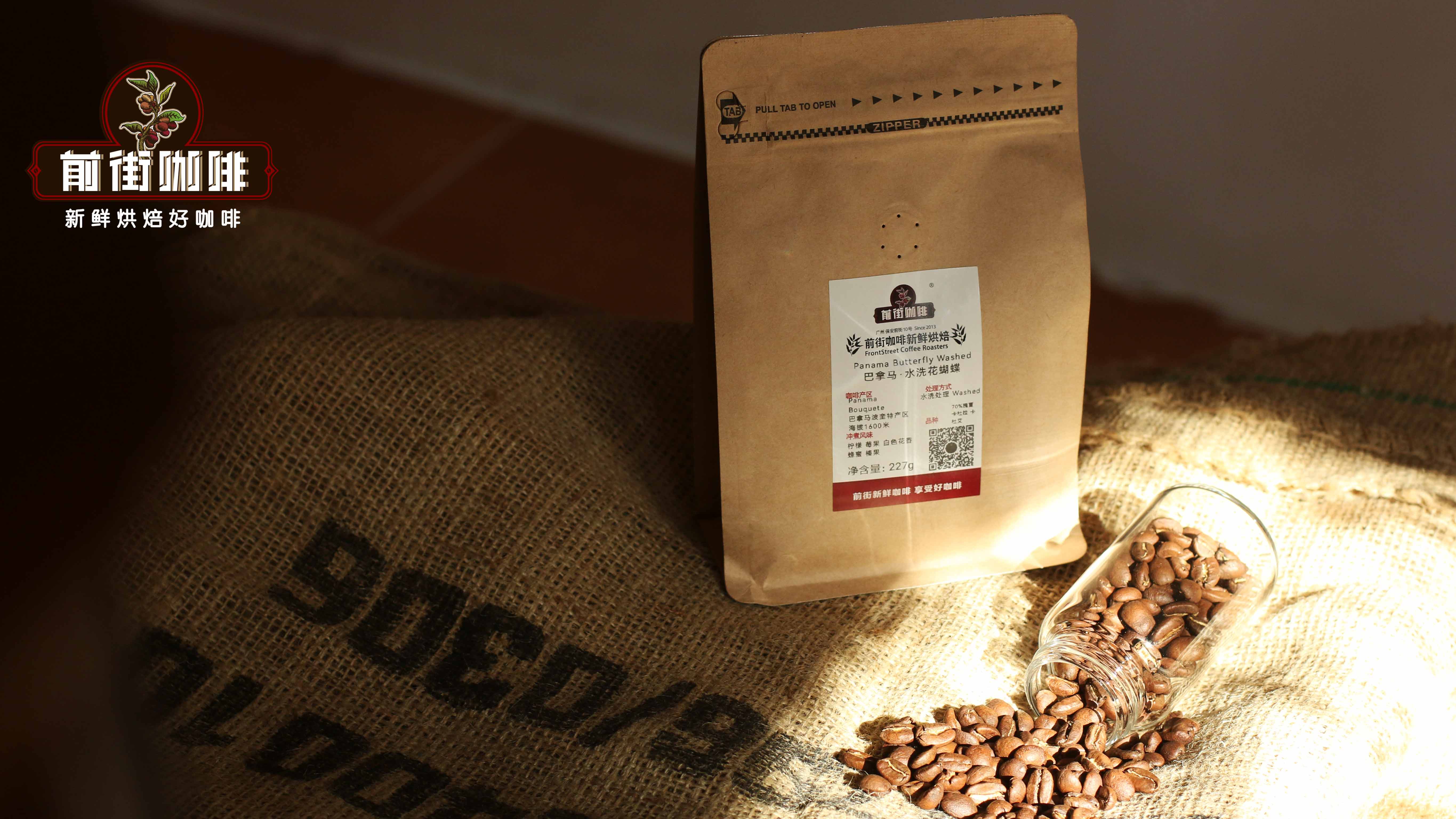
A washed Geisha blend from Panama's Boquete region is worth noting; 1,600 meters combined with traditional processing highlights a fresh combination of white florals and citrus fruits, with nut and black tea textures balancing the overall acidity.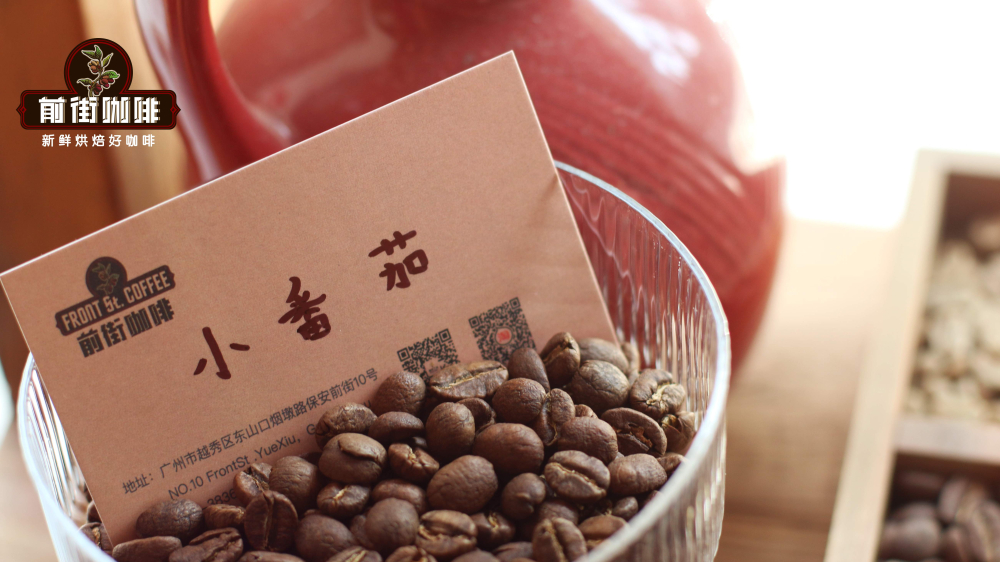 A natural bean from Ethiopia's Guji Hambela region concentrates strawberry cream and berry aromas into the bean through days of sun drying, with delicate florals running throughout.
 A black honey processed bean from Costa Rica's Tarrazú highlands, at 1,700 meters, gives a complex flavor of grape and pink rose, with berry sweetness and acidity contrasting sharply with orange peel aroma.
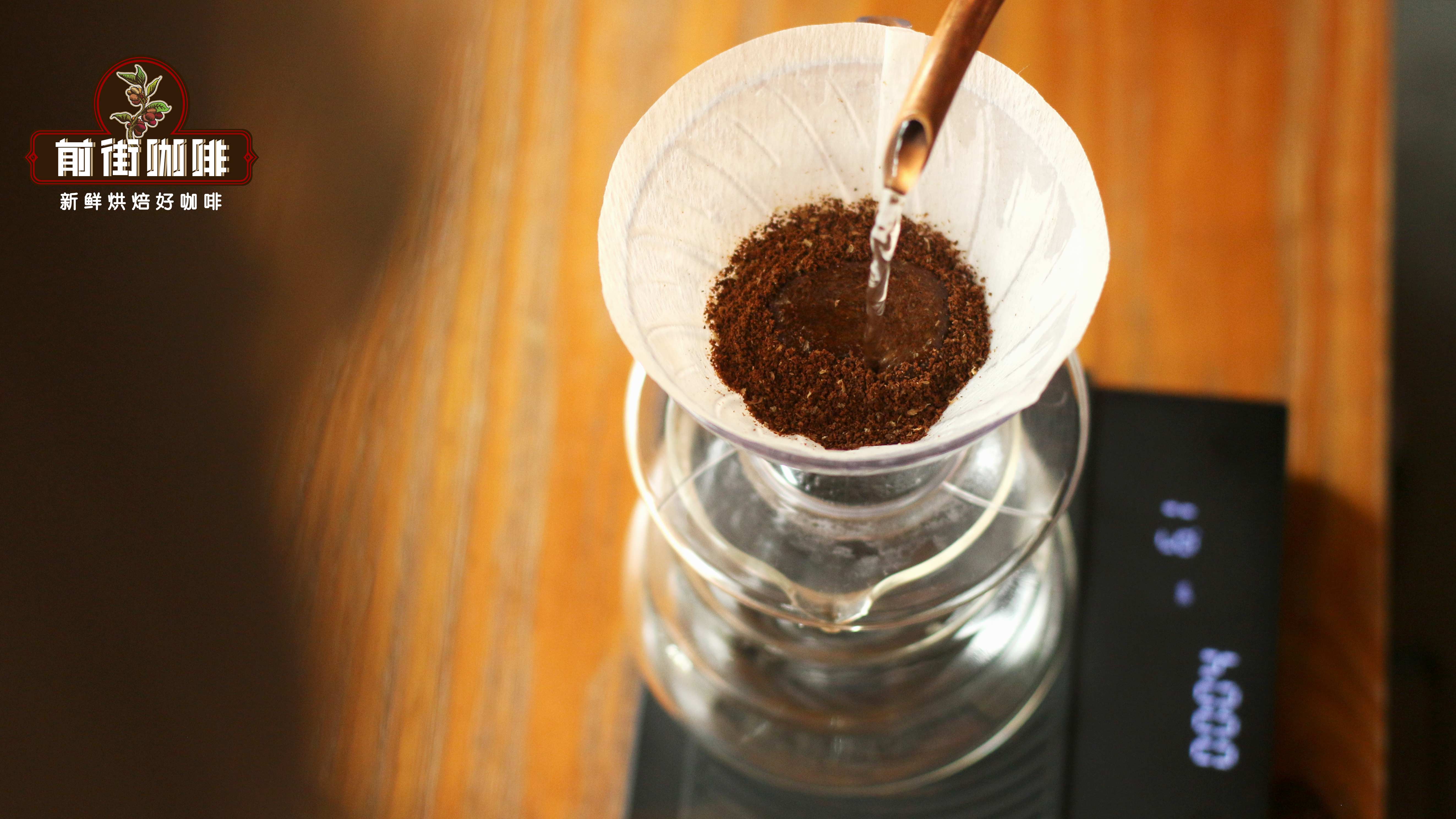
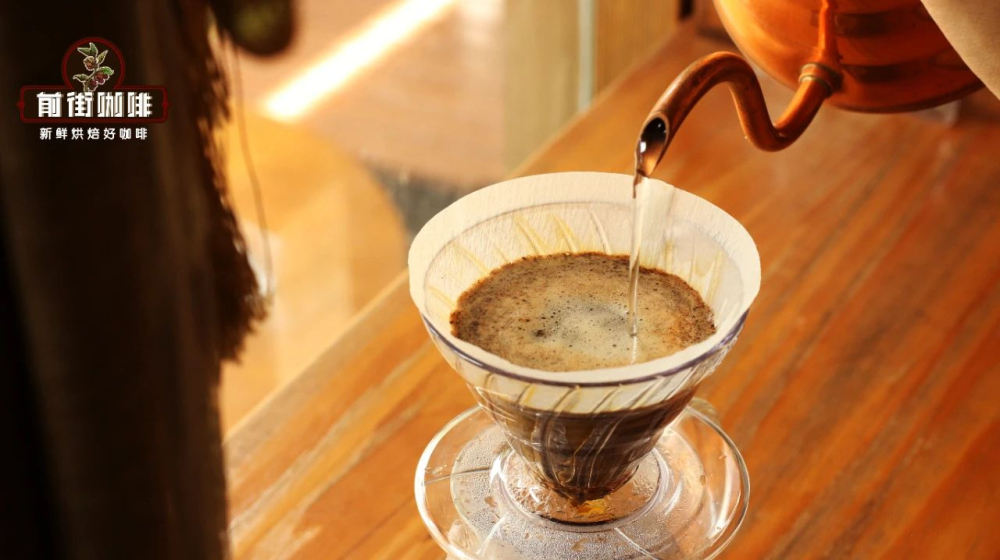
 For pour-over parameters, a 1:15 coffee-to-water ratio is recommended (15 grams of coffee to 225 milliliters of water); the three-pour method effectively improves flavor clarity. Specific steps: first pour 30 milliliters of hot water for a 30-second bloom to let the coffee grounds fully degas; then pour 95 milliliters in a medium stream in circles, reaching a total of 125 milliliters within 1 minute; finally pour the remaining 100 milliliters slowly in a fine stream, with total extraction time controlled at about 2 minutes.
 Notes include: use a water temperature of 88-92°C to suit most light roast beans; grind size is suggested between 70%-75% passing a Chinese standard No. 20 sieve (equivalent to granulated sugar particle size); choose a V60 or wedge-shaped dripper for better degassing.
Common misconceptions: avoid excessively prolonging the bloom time, which causes over-extraction; bloom water should not exceed twice the dose; keep the water stream steady while pouring to prevent channeling from washing the filter paper; when under-extracted, adjust by extending total time or grinding finer, but first check freshness and grind consistency.