Global Guide to Five Specialty Coffee Beans: Flavor and Origin
Introduction: How do you choose specialty beans that suit your taste among hundreds of coffee varieties worldwide? Based on professional roasting experience and consumer feedback from real testing, this article selects five highly praised coffees, covering core origins such as Ethiopia and Indonesia. It details each bean's elevation, processing method, flavor layers and best extraction method, with parameter comparisons and beginner buying advice to help you build a systematic coffee tasting framework.

There was a time when the coffee market was dominated by instant products, but today the global specialty coffee chain spans dozens of micro-origins across five continents. From the African highlands to the South American Andes, different elevations, soils and climates give rise to beans with widely varying flavors. For enthusiasts new to specialty coffee, popular varieties such as Hualui and Mandheling often feel daunting—through in-depth analysis of five representative origins, this article guides you through the complete knowledge chain from origin characteristics to flavor identification.
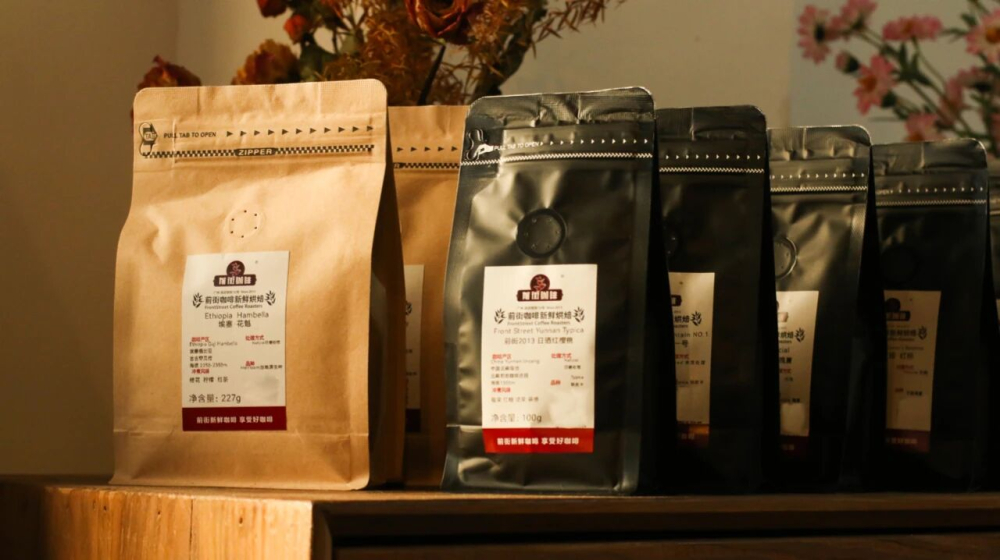
The first recommendation is a high-elevation natural-process bean from the Guji Hambela region of Ethiopia, grown in volcanic soil at 2250-2350 meters. This variety uses the traditional natural process, retaining the full pectin layer for fermentation, creating its signature citrus notes and sugarcane-like finish. For brewing, a V60 dripper is recommended, with water temperature controlled at 90-92°C; a medium-coarse grind highlights the bright acidity and juicy mouthfeel. Notably, this type of bean tastes even more refreshing when chilled, making it suitable for summer cold-drip or cold-brew experiments.

A raisin honey-process bean from the Tarrazú region of Central America presents a unique complex aroma; the Canet estate, at a growing elevation of 1980 meters, uses whole-fruit drying technology, allowing the pectin to dehydrate slowly and produce a fermented, wine-like jammy fragrance. The H1 and Catuai blend brings balanced berry sweetness and acidity; a French press is recommended for extraction to fully release the rich mouthfeel. Beginners should note that honey-process beans have a higher sugar content and should be used as soon as possible after grinding to prevent oxidation; the optimal flavor window is 7-14 days after roasting.

Sumatra Golden Mandheling is a classic representative of low-elevation wet-hulling, with a growing environment of 1100-1600 meters combined with a unique hulling process forming its distinctive herbal base notes. The Typica variety gives it the heavy texture of nuts and dark chocolate; when using a moka pot, a coffee-to-water ratio of 1:12 is recommended, as 9 bar of pressure intensifies the spice aroma. Professional tip: wet-hulled beans often carry a woody, fibrous feel, and adding milk can neutralize the rough finish, making them suitable for traditional lattes.
The Kenyan SL28/SL34 dual-variety combination is known for its bright high acidity, with an elevation of 1700 meters giving the fruit distinct floral and fruity characteristics. Double washing removes impurities while retaining the unique acidity and aroma of smoked plum and cherry tomato; for pour-over, a staged extraction method (first pour 93°C water to one-third volume, let bloom for 30 seconds, then lower to 90°C to complete extraction) balances sharp acidity and body. This variety is sensitive to water quality; filtered water is recommended, and total extraction time should be controlled within 2 minutes 10 seconds ±10 seconds.
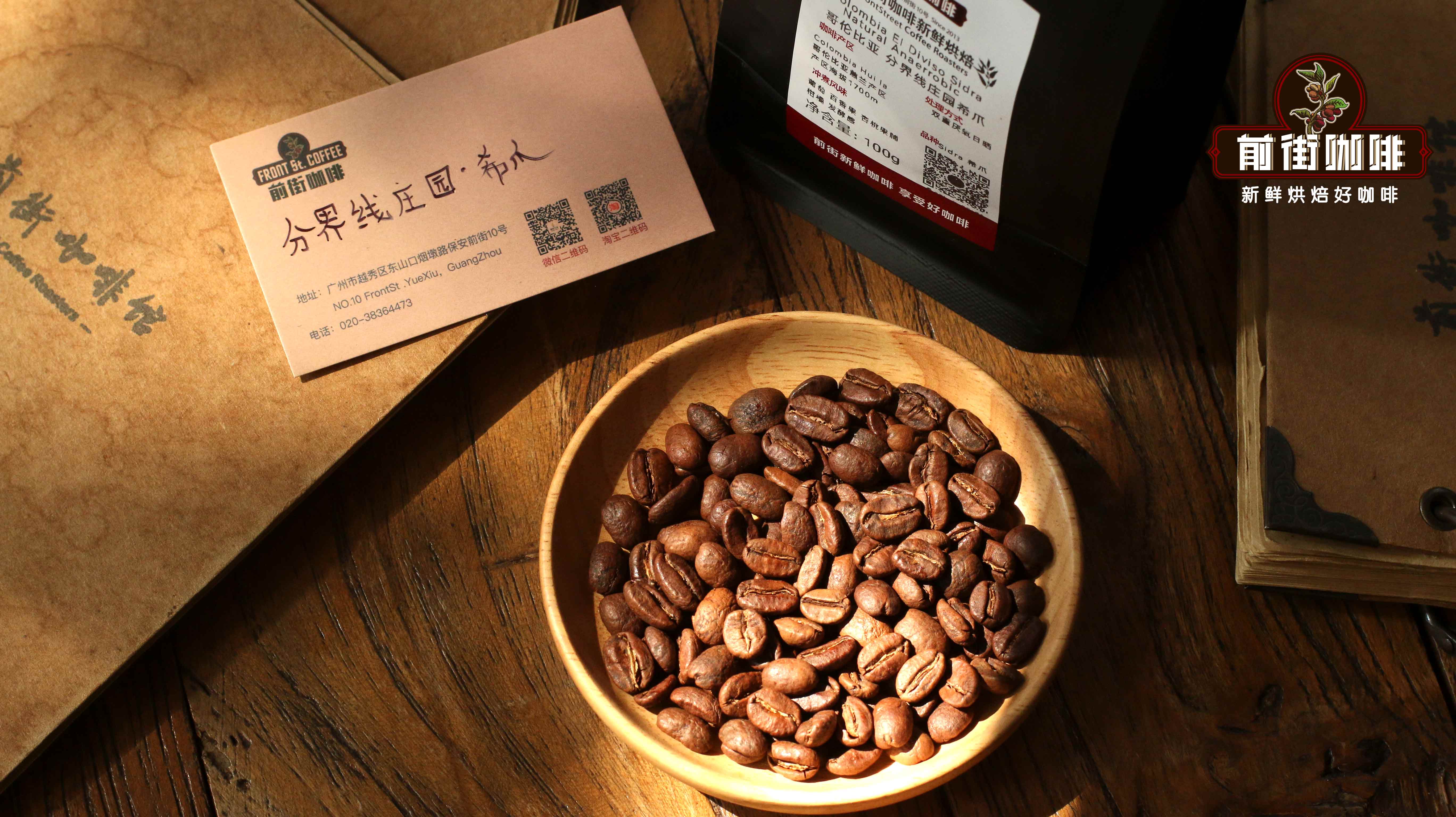
The double anaerobic natural process of Colombia's Sidra variety opens a new dimension in fruity coffee; the Huila region's elevation of 1700 meters combined with sealed fermentation concentrates tropical fruit aromas such as passion fruit and apricot into the bean. This type of bean suits enthusiasts seeking layered complexity; an AeroPress is recommended for inverted pressurized extraction (first add hot water and let stand for 3 minutes, then press down slowly), which effectively amplifies the sweet, mellow notes of raisins and candied fruit. Store away from light and moisture; after opening, pairing with food-grade oxygen absorbers is recommended to extend the flavor's freshness.


