Beginner's Guide to Choosing Coffee Beans: 5 Tips and Light Roast Picks
Introduction: New to buying coffee beans and confused by roast levels and origin flavors? Starting from the core pain points of beginners, this article explains the key steps in choosing coffee beans: how to match roast level to your preference for acidity or bitterness, why light roast beans are better for beginners, and practical tips for judging freshness. At the end, you'll find flavor analyses of 6 highly regarded light roast beans, with accompanying images, to help you pinpoint the ideal choice for your first pour-over coffee.
Many coffee lovers who are just getting into coffee face their first challenge: with so many coffee bean products on the market, how do you choose one that suits your taste? The answer actually lies in two key factors—roast level and flavor preference. Coffee beans undergo complex chemical changes during roasting, and **roast level directly determines the final flavor direction**: light roasts retain more acidity and floral-fruity notes, while dark roasts develop caramel and bitter layers.
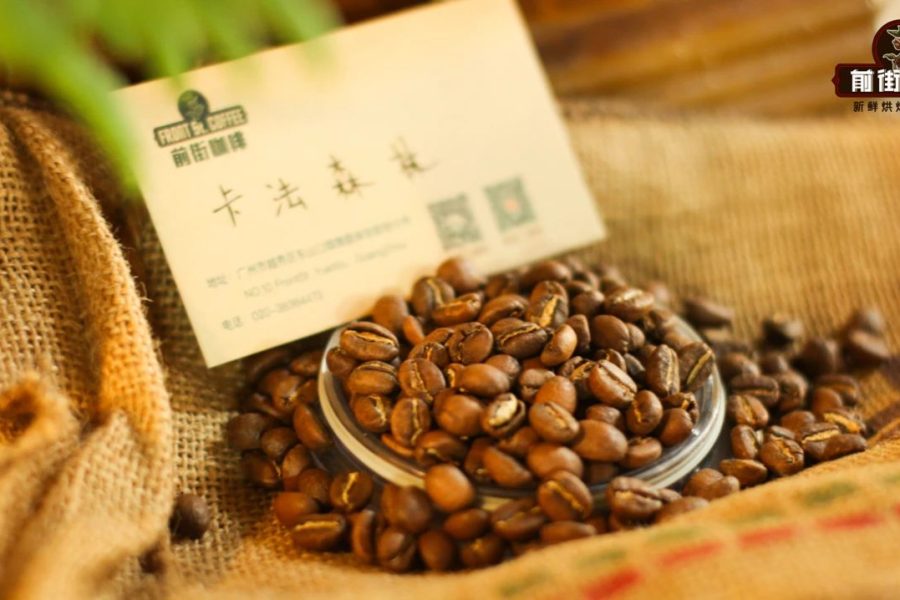
The first step is to clarify your personal taste preference. If you prefer a crisp, bright mouthfeel—coffee with noticeable but not sharp acidity—then **light roast is the ideal starting point**. Because these beans are roasted for a shorter time, they usually show citrus, berry, and other fruit aromas, often with nutty or caramel sweetness in the finish and very low bitterness, making them especially suitable for pour-over coffee that showcases terroir.
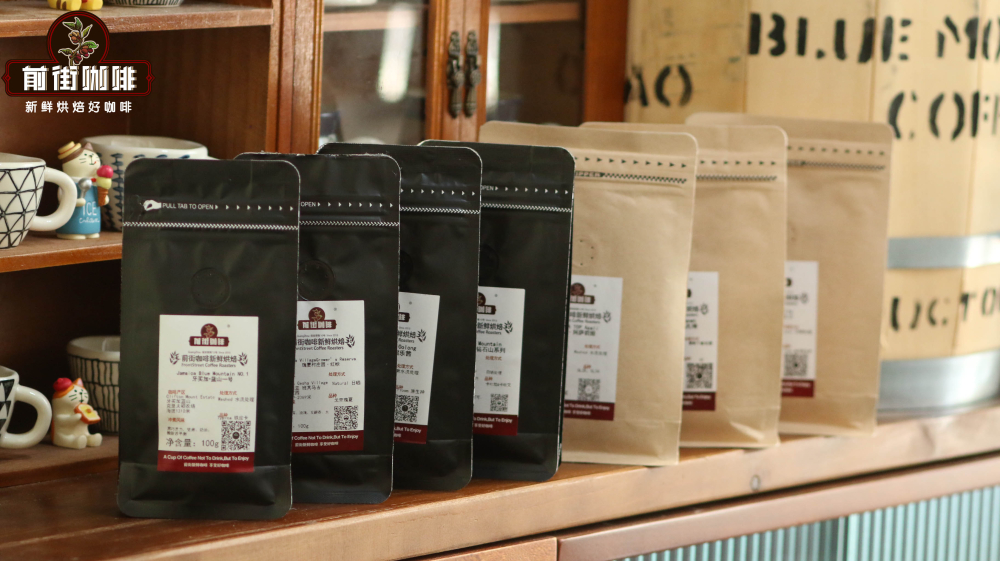
For beginners, we've compiled several reference examples of light roast single-origin beans with excellent market feedback (with flavor characteristics and corresponding images). Be sure to note differences in origin and processing method: for example, some African beans (such as those from Ethiopian regions) often display strawberry, citrus, or even tropical fruit notes due to altitude and natural processing, while Central and South American beans (such as those from Guatemala and Colombia) may lean toward lemon, black tea, or chocolate flavors.

When choosing coffee beans, **freshness matters more than brand**. Professional advice is to prioritize checking the "roast date" on the packaging rather than the production date—coffee beans enter their peak flavor period about 1-2 weeks after roasting, and **if unused for more than 50 days, they will noticeably lose aroma**. A tip for judging freshness: after opening, there should be a fresh plant-like or nutty scent; if you smell a stale, oily odor, the beans have oxidized excessively. In addition, **be sure to choose whole beans rather than pre-ground coffee**; the grinding process instantly releases a large amount of aromatic compounds, and only fresh grinding can guarantee full flavor when brewing.

As for purchasing channels, it's recommended to buy from reputable roasters (physical stores or official online shops) and confirm that the merchant provides a clear roast date. Quality suppliers usually promise short-term fresh roasting (for example, completing roasting and shipping within 5-7 days) and can explain in detail the bean variety's source, altitude, and processing method. **After receiving the coffee beans, store them sealed and away from light in a cool place**; there's no need to put them in the refrigerator (temperature differences can easily cause condensation that damages flavor). The ideal storage period is within 1 month after roasting.

Regarding specific recommendations for light roast beans (with corresponding image examples): some highly popular options are often described as having "bright citrus with a black tea finish," "tropical fruit blended with honeyed sweetness," or "soft berries with a roasted nut base." These descriptions are not marketing talk but objective records by professional cuppers using the flavor wheel. Beginners can gradually build their own flavor preference map by trying beans from different origins—for example, if you like clean acidity, choose high-altitude beans with natural processing; if you prefer a fuller body, try honey-processed varieties from mid-altitude regions.

Finally, three common pitfalls to keep in mind: ① blindly pursuing high-priced beans—in fact, many quality light roast beans offer excellent value; ② ignoring the influence of water quality—hard water amplifies bitterness, so filtered water is recommended for brewing; ③ over-relying on a single parameter (such as roast level)—actual flavor is also affected by variables such as brewing water temperature, coffee-to-water ratio, and grind size. Once you've mastered these basics, you'll be better equipped to explore the rich possibilities of the coffee world.