Yunnan Small-Bean Coffee vs. Colombian Beans: Pour-Over Flavor and Growing History
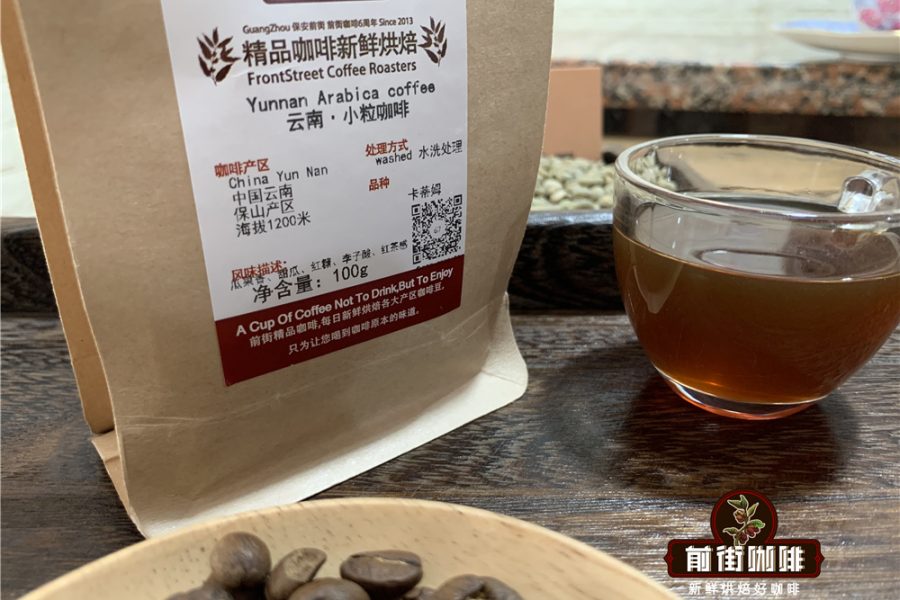
Introduction: Behind the rise of Chinese coffee, Yunnan small-bean coffee has become an important member of the global specialty coffee market. From growing history to flavor characteristics, this article takes a deep look at the core differences between Yunnan Arabica beans and Colombian beans, and walks you through tips for choosing beans suited to pour-over and the features of each producing region, helping you find the flavor you love.
Coffee is now an indispensable drink in many people's daily lives, but many may not know that China also produces high-quality coffee beans, especially Yunnan small-bean coffee, whose quality has joined the ranks of the world's specialty coffees. This article takes you through the development of China's coffee industry and focuses on comparing the flavor characteristics of two well-known producing regions, Yunnan and Colombia, to help coffee lovers better understand the unique appeal of these beans.
China's coffee-growing history dates back to the late 19th century, when a French missionary named Tian Deneng introduced the first coffee trees to Yunnan, hoping to enjoy coffee he grew himself in the morning. After that, coffee growing in Yunnan developed slowly until 1988, when, with the joint efforts of the Chinese government, the World Bank and the United Nations Development Programme, Yunnan's coffee industry truly entered a stage of large-scale development. The following year, Nestlé introduced the rust-resistant Catimor variety, a move that greatly raised coffee yields and disease resistance and gradually made coffee an important cash crop in Yunnan.
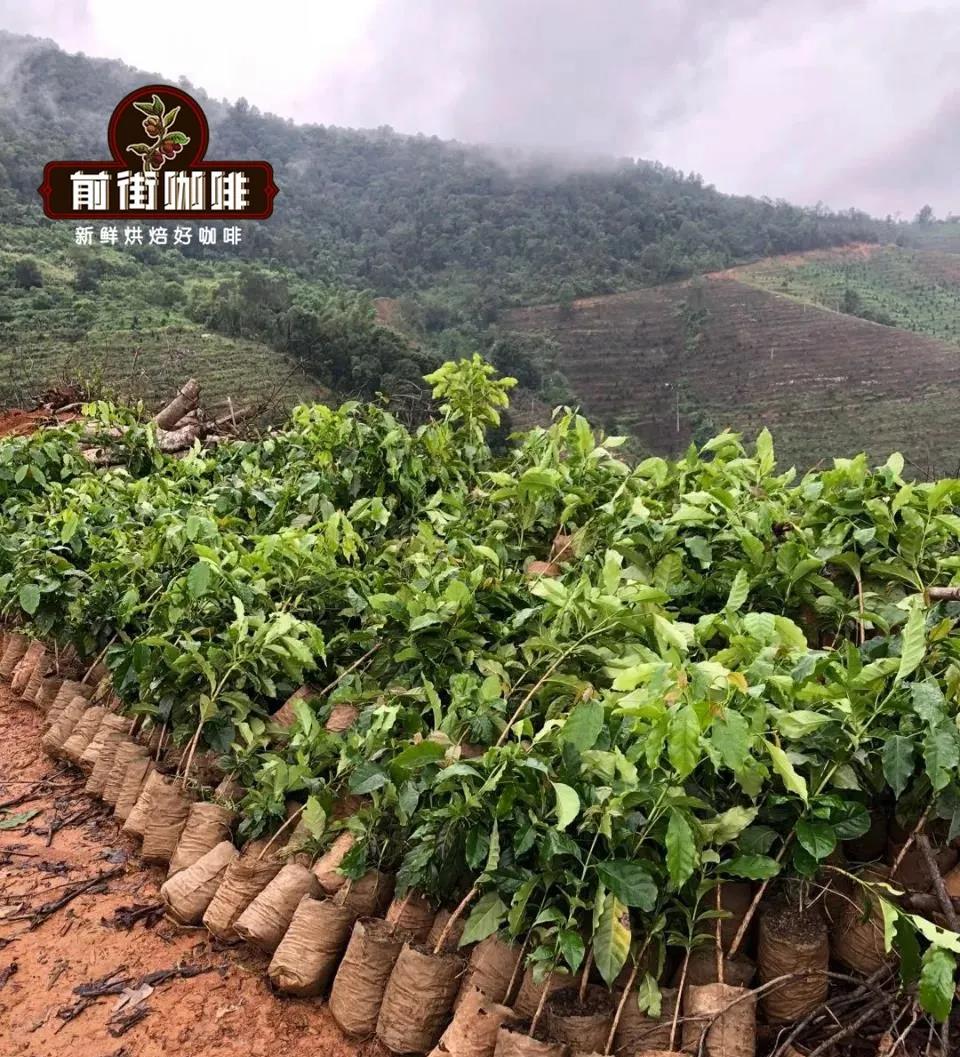
Today, about 95% of the coffee produced in China comes from Yunnan Province, with small amounts from Fujian, Hainan and other regions, mainly Robusta. Yunnan mainly grows Arabica coffee, and these beans are usually carefully washed and have good screen grades. The screening process uses metal plates with different hole sizes to distinguish bean size and shape; generally even screen numbers are used for Arabica beans, while odd numbers are mostly used for other types. However, because processing standards were inconsistent in the past, Yunnan coffee occasionally shows unstable flavor in cupping, which is one reason its reputation was mixed in the early days.
Yunnan coffee's flavor is often described as having prominent sweetness and rich, layered acidity, in which malic acid brings a fresh, bright taste reminiscent of green apple or pear, while a moderate amount of phosphoric acid adds a distinctive bright acidity. This flavor combination has gradually earned Yunnan small-bean coffee recognition in the international specialty coffee market and made it a preferred choice for many pour-over enthusiasts.
So how does Yunnan coffee differ from the equally well-known Colombian coffee? Colombian coffee is also mainly Arabica, grown in high-altitude regions, generally between 1,200 and 2,000 meters, and its flavor often has nutty, chocolate and caramel notes, with relatively mild acidity and an overall balanced, full-bodied taste. By contrast, thanks to differences in climate and soil, Yunnan coffee has more obvious sweetness and livelier acidity, and especially after careful processing and roasting, it can show complex and varied fruit notes.
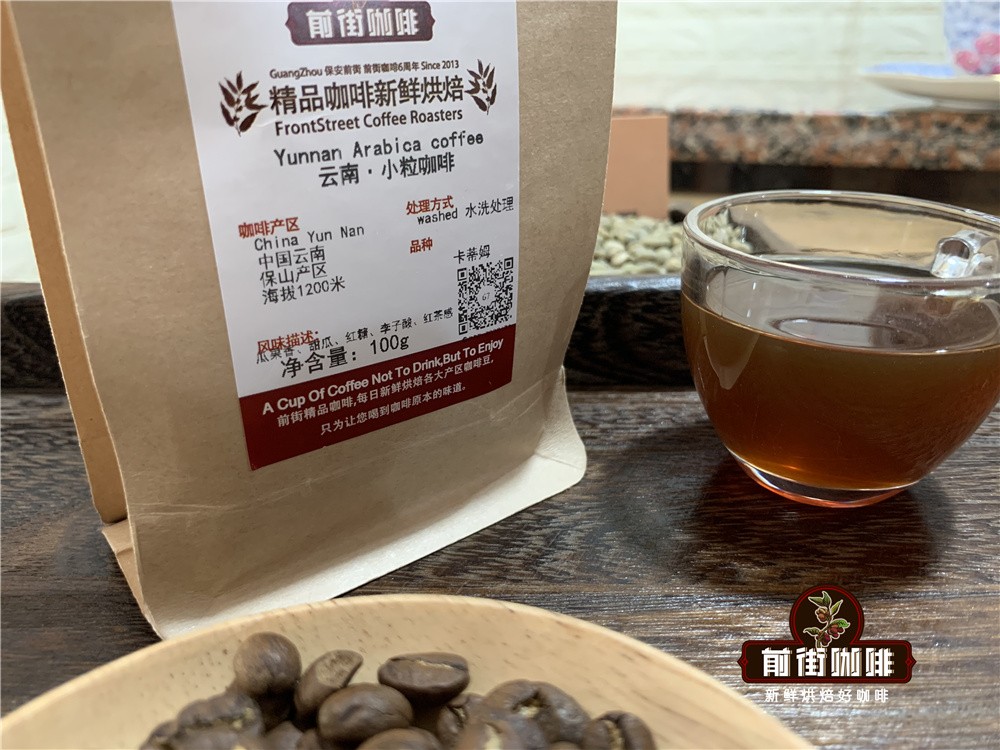
Overall, Yunnan coffee is not only a representative of China's coffee industry but has also secured a place on the global specialty coffee map. Its unique flavor and excellent growing environment, together with continuous progress in processing techniques and quality control in recent years, have made Yunnan small-bean coffee a new favorite among pour-over coffee lovers. Understanding the flavor characteristics of these regions not only helps you make a more suitable choice of coffee beans but also lets you better bring out each bean's unique potential when brewing.


