The Complete Guide to Storing Coffee Beans at Home: 5 Key Factors and Proper Methods
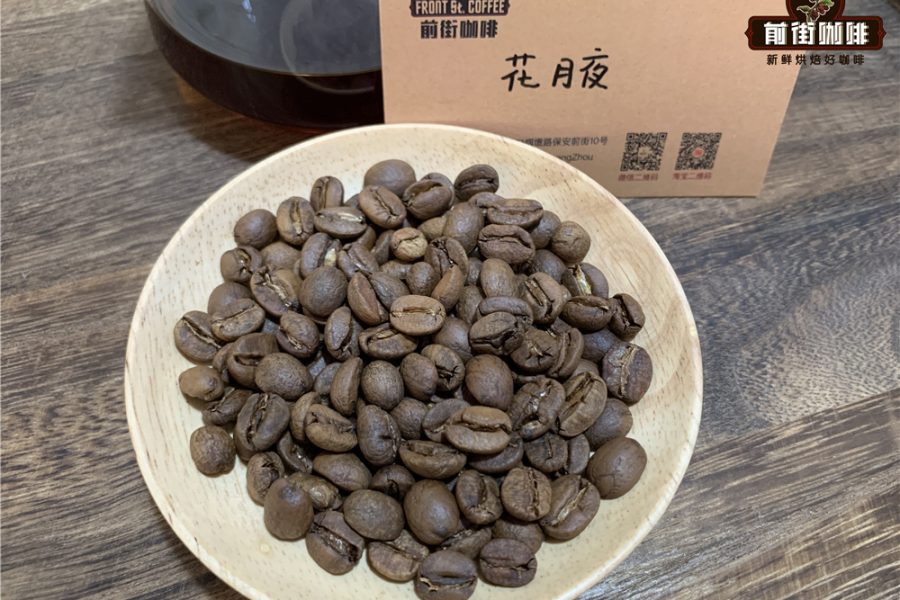
Introduction: Many coffee lovers buy quality coffee beans and bring them home, only to lose flavor through improper storage. This article takes a deep look at how four environmental factors—light, oxygen, humidity and temperature—affect coffee freshness, compares the storage differences between whole beans and ground coffee, and offers proven home storage solutions. Mastering these techniques lets the specialty coffee beans in your hands release their full range of flavor within their peak tasting window.
In home coffee brewing, how beans are stored directly affects the flavor of the final cup. From the moment roasting finishes, coffee beans begin a race against time to defend their freshness. Understanding which environmental factors accelerate flavor loss and mastering scientific storage methods is essential for every coffee lover.
How do the four environmental killers damage coffee flavor?
Direct sunlight is the primary threat (environments like the one shown must be avoided), as ultraviolet light accelerates the oxidative breakdown of oils inside the beans. Store coffee in a cupboard or other dark area; if using a transparent container, be sure to keep it in a dark place.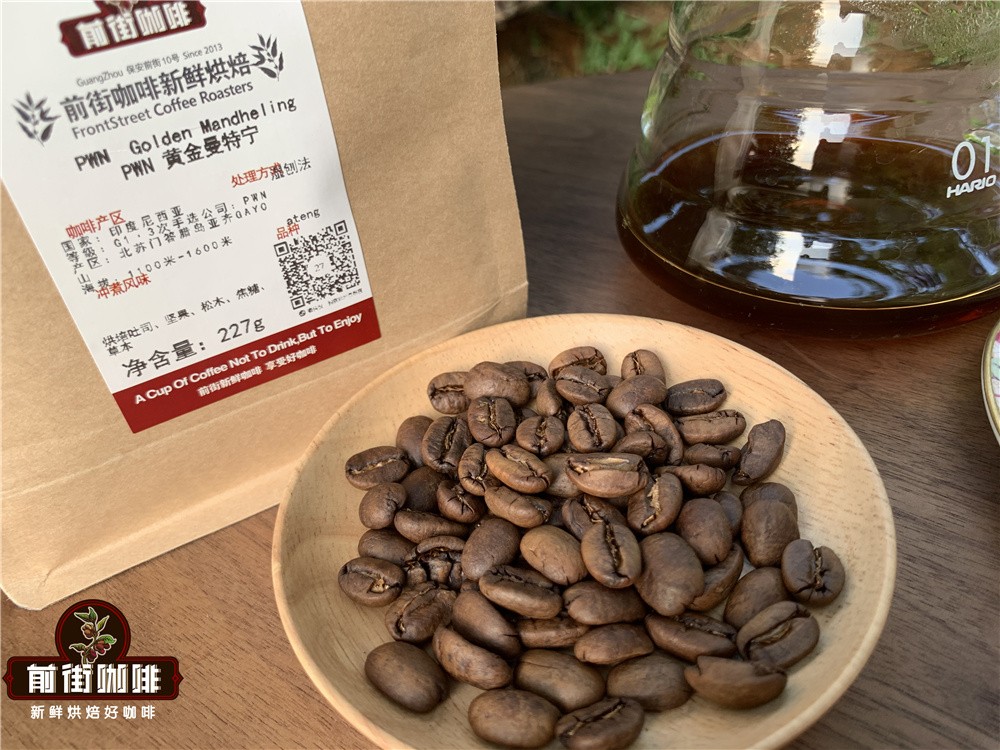 Oxygen is the slow killer that causes flavor decline. The carbon dioxide produced after roasting can temporarily shield against some oxygen, but long-term exposure still causes aromatic compounds to gradually escape. The one-way degassing valve on professional coffee packaging is designed precisely to balance internal and external pressure while blocking oxygen.
The impact of humidity is often underestimated. A damp environment not only causes beans to absorb moisture and mold, but also leads to clumping during grinding that affects extraction uniformity. Because ground coffee has more surface area, it absorbs moisture more than 3 times as fast as whole beans—one reason grinding fresh before use is recommended. Temperature control is equally key: environments above 25°C accelerate chemical reactions, but note that refrigeration causes condensation that damages the bean structure.
The three golden rules of scientific storage
First, choose a container with excellent sealing. Glass or stainless steel with a food-grade silicone gasket is preferred; for screw-top designs, confirm there is no gap once closed. The storage location should meet three criteria: cool (at least 50cm from heat sources), dark (a completely dark environment is best), and dry (relative humidity below 60%). Whole beans keep noticeably longer than ground coffee: unopened in ideal conditions, they maintain their flavor peak for 2-3 weeks, while ground coffee's best drinking window is usually shortened to 5-7 days.
Common misconceptions about refrigerator storage
Although low temperatures can slow some chemical reactions, three problems with household refrigerators make them unsuitable for long-term coffee storage: temperature swings from frequent opening and closing cause water droplets to condense on the bean surface; odor molecules from different foods easily penetrate poorly sealed packaging; and temperature fluctuations during removal affect stability. Measured data shows that refrigerated coffee beans lose aromatic compounds 17%-23% faster than those stored at room temperature.
Freshness timeline reference
After roasting, coffee beans go through an expansion phase (days 1-3), a flavor development phase (days 4-14) and a decline phase (after day 15). Judge by the roast date on the packaging rather than a vague "best before" label. Professional roasters allow 2-3 days of resting time, so consumers usually still have a 10-14 day flavor golden window after receiving the beans. Because ground coffee's exposure to air increases dramatically, its freshness peak lasts only 3-5 days, and grind size affects the rate of oxidation.
Master these storage points, and together with precise grind size and brewing parameters, you can fully experience the regional flavor characteristics of specialty coffee beans at home. The next time you buy freshly roasted coffee beans, remember to choose the product closest to its production date and transfer it immediately to a suitable storage environment.


