Yunnan Arabica Explained: Washed and Natural Processing with Pour-Over Parameters
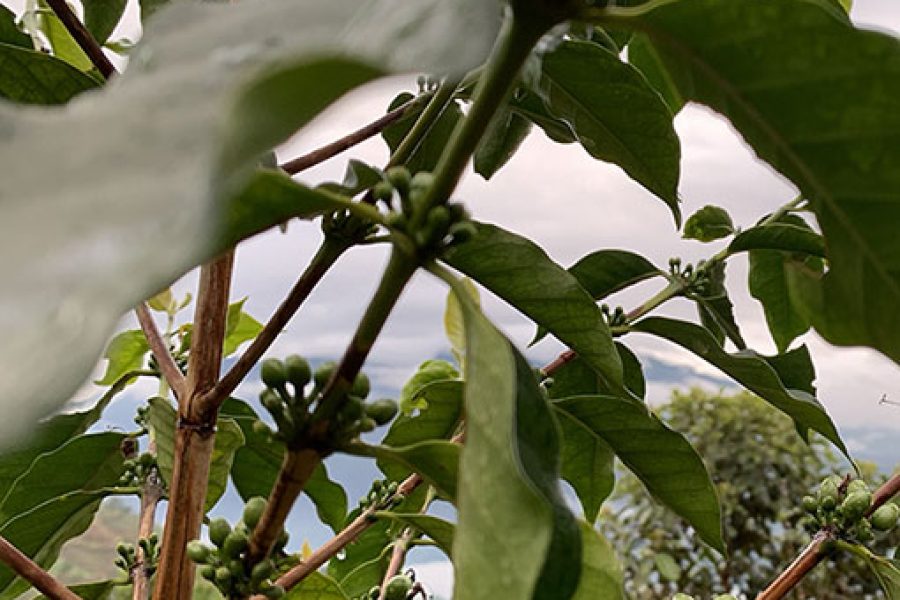
Introduction: A deep dive into the two main processing methods for Yunnan arabica—washed and red cherry natural—covering the core differences and the full chain of key points from growing environment to brewing parameters. Includes professional-level pour-over recipes and a flavor profile comparison to help you precisely match your personal taste preferences and master the essentials of tasting and brewing Yunnan specialty coffee.
China's coffee market is undergoing explosive growth, with annual consumption increasing at 30%, far exceeding the global average of 2%. This land not only holds coffee consumption potential that has drawn worldwide attention, but also, thanks to its unique geography and climate, produces Yunnan arabica with distinctly recognizable flavors. As China's main coffee-producing region, Yunnan's growing environment and processing techniques directly affect the final flavor expression, among which the washed and red cherry natural methods are the most representative.
Yunnan lies on a low-latitude plateau, and its climate shows a clear alternation between dry and rainy seasons. Starting in June each year, a rainy season lasting 3-4 months begins; abundant rainfall provides crucial nourishment for the root development of coffee seedlings, enabling them to make it through the subsequent half-year dry season. Because of the variable climate, local producers generally adopt the more stable washed method, but some producing areas also preserve the sun-dried character of the red cherry method by optimizing the process.
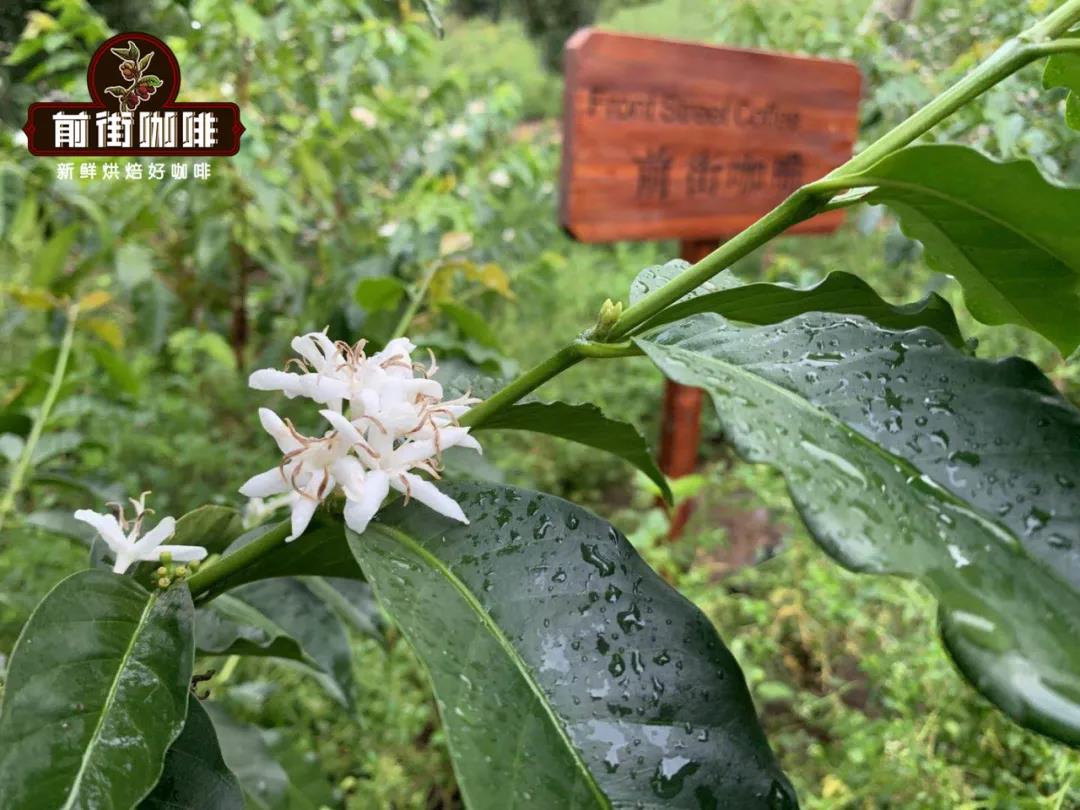
Core steps of the washed method: After picking, the coffee fruit first goes through pulping, separating the berries from the seeds using a pulper or siphon tank. The key step is mucilage removal—Yunnan producing areas mostly use natural fermentation, relying on endogenous enzymes in the berries to break down the gummy layer clinging to the parchment. Fermentation time must be strictly controlled at 6-72 hours, adjusted dynamically according to ambient temperature (typically 20-28°C is optimal) and pectin content. After fermentation, the beans are rinsed with clean water and then enter the drying stage until moisture content drops to 11-12%.
Coffee beans produced by this method have outstanding flavor clarity, commonly with a nutty base accompanied by dark chocolate and caramel sweetness. Professional brewing recommendations: use a V60 dripper, water temperature at 90-92°C, coffee-to-water ratio 1:15 (medium-fine grind, about 57% passing through a No. 20 sieve). For staged extraction, first bloom with 30 g of water for 30 seconds, then pour in circles to 124 g in stages, and when the water level approaches the coffee bed, continue pouring to 227 g; total extraction time about 2 minutes. The flavor layers present as nutty aroma → herbal base → chocolate body → delicate fruit acidity in the finish.

Distinctive craft of the red cherry natural method: Fully ripe red coffee cherries are selected, immature beans removed by flotation, then spread directly on drying beds for 14-28 days of natural drying (turned 3-4 times daily, covered to protect from rain at night). The fruit is kept intact throughout drying, and once moisture content drops to 10-12%, the beans are mechanically hulled. This method preserves the products of sugar conversion in the fruit pulp to the greatest extent, creating a unique full-bodied mouthfeel.
Key operating points for natural processing: choose a period with clear, rain-free weather; initial moisture content must be above 22% before drying can begin. The advantage is low equipment investment (only drying racks and a huller are needed), making it especially suitable for areas short of water. Recommended brewing parameters: V60 dripper with low-temperature water at 82-83°C, coffee-to-water ratio maintained at 1:15 (grind adjusted to 64% passing through a No. 20 sieve). Use a fast-flow pouring method—first stage 30-125 g with a strong stream to quickly saturate, then when continuing to 227 g raise the pour height; total time controlled at 1 minute 58 seconds. The flavor moves from fresh herbs to pronounced fruit acidity, gradually releasing caramel, cocoa and woody notes as it cools.
The difference between the two methods essentially stems from how the process affects flavor compounds: the washed method achieves clear layering through enzymatic breakdown, suiting drinkers who prefer clean acidity; the natural method relies on sugar polymerization to produce rich sweet aromas, meeting the demand for intense mouthfeel. In actual brewing, also note how variables such as water hardness (TDS 50-150 recommended) and grind freshness (use within 2 weeks of roasting) affect the final flavor.


