Yunnan Small-Bean vs Colombian Coffee: Flavor Differences and Buying Guide
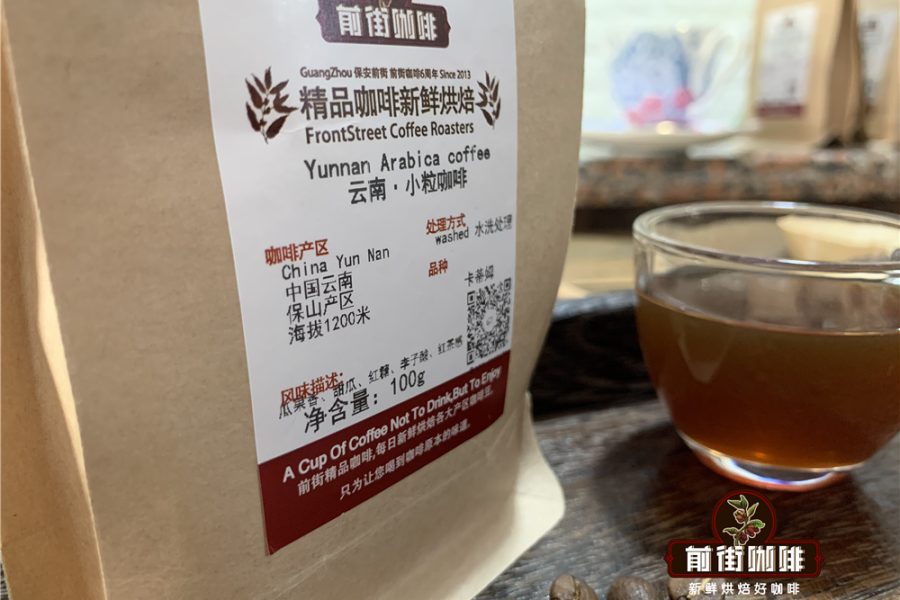
Introduction: Yunnan is China's largest coffee-producing region. Its small-bean coffee and Colombian coffee both belong to the Arabica species, yet their flavor profiles are entirely different. This article analyzes the core differences between the two coffees, from growing environment and variety characteristics to flavor expression, and offers pour-over recommendations and flavor descriptions to help coffee enthusiasts choose based on taste preference.
Mention Pu'er and people first think of Pu'er tea. This small city in southwestern Yunnan, surrounded by verdant hills and tea gardens and bordering Laos, is famous for producing fine tea. Yet few know that its climate is equally suited to growing Arabica coffee. Today Yunnan accounts for 95% of China's coffee output, about half of it from the mist-shrouded mountains around Pu'er.
China's coffee industry has developed by leaps and bounds over the past three decades, rising from nothing to become the world's 13th-largest producer, with annual output of 110,000 tons. The experience of 51-year-old local coffee farmer Huang Dabao is typical: he switched to coffee because of citrus disease, and the crop is not only highly disease-resistant but also yields reliably. As young domestic consumers shift from tea to coffee, Yunnan's coffee-growing industry is ushering in new opportunities.
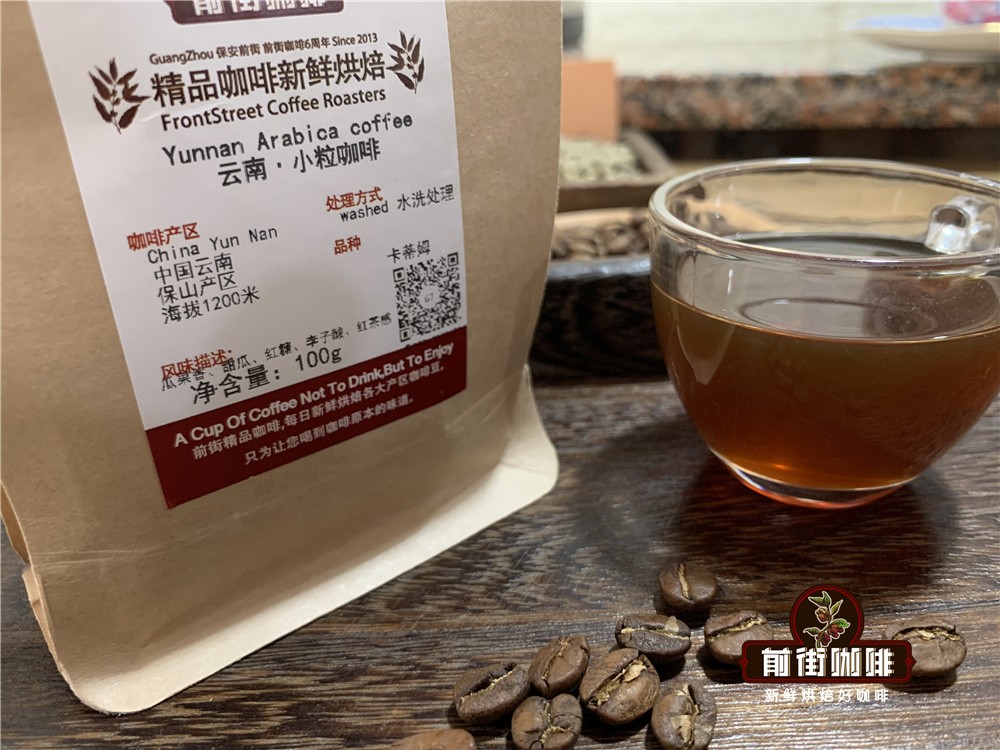
Yunnan's main variety, Catimor (commonly called small-bean coffee), is a hybrid bred by the Portuguese in 1959, combining Caturra from East Timor with the leaf-rust-resistant Timor variety. The trees are highly disease-resistant and yield steadily, perfectly suited to Yunnan's variable climate. The main growing areas are Lincang, Baoshan, Pu'er, Xishuangbanna and Dehong, with Baoshan's areas above 1,200 meters especially ideal: an average annual temperature of 21.5°C and a marked day-night temperature difference create the small-bean coffee's distinctive flavor characteristics.
Authentic Yunnan small-bean coffee shows a clear floral-fruity character, with plump, even beans; once brewed it gives off a soft nutty aroma, is mellow on the palate without strong bitterness, and finishes with a faint red-berry sweetness. Professional roasters recommend a medium-light roast (beans in at 88-90°C) and a pour-over at a 1:15 coffee-to-water ratio to better highlight its bright citrus acidity.
Compared with Yunnan coffee, Colombia's variety mix is more diverse. Besides the mainstream Caturra and Castillo, some regions also grow specialty varieties such as Geisha and Bourbon. Caturra, though a natural mutation originating from Brazilian Bourbon, is mainly grown at high altitudes in Central and South America because it inherited weak disease resistance. Colombia's unique geography—low latitude combined with 1,500-2,000 meters of elevation—provides ideal growing conditions for coffee.
Traditional Colombian coffee is known for being balanced and full-bodied, showing a nutty base and dark-chocolate complexity under classic processing, with moderate caramel sweetness. Special processing methods that have emerged in recent years, such as anaerobic fermentation, give the coffee more fruity notes but may mask its original elegant balance. Professionals recommend a medium roast (90-92°C) and extraction with a 1:16 coffee-to-water ratio plus 93°C water to fully release its creamy layers of texture.
When buying, note: Yunnan small-bean coffee suits consumers who prefer a fresh, fruity acidity, and washed lots are recommended; Colombian coffee offers greater diversity, with traditional washed lots suited to everyday drinking and specially processed beans suited to advanced drinkers seeking novel flavors. The two also differ in grind size—Yunnan beans are best at a medium-fine grind (70% passing a Chinese standard No. 20 sieve), while Colombian beans are better at a medium-coarse grind (60% passing the same standard) to express their complexity.


