Brazil Red Bourbon vs Yellow Bourbon: Flavor Comparison and Cerrado Coffee Guide
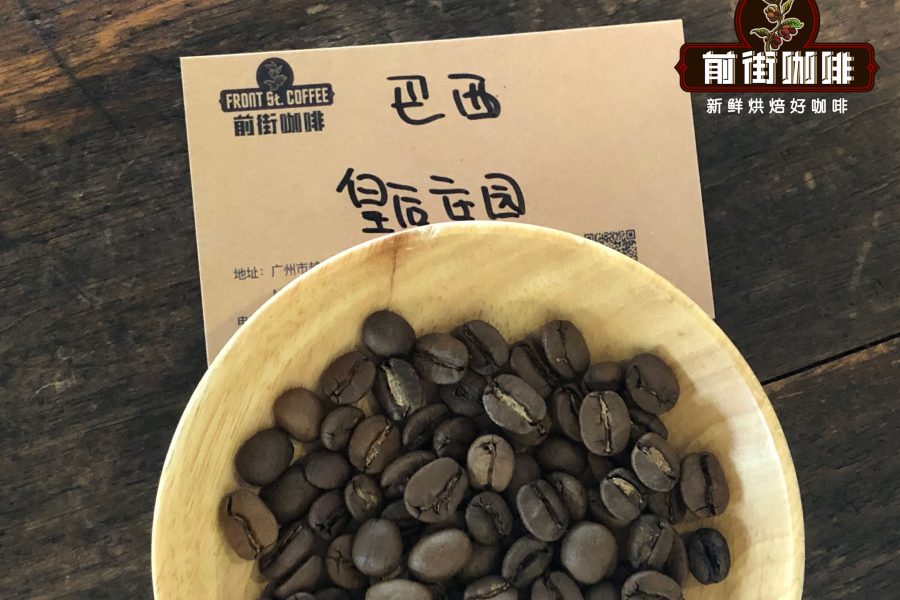
Introduction: As one of the world's largest coffee-producing countries, Brazil's Red Bourbon and Yellow Bourbon varieties are often confused. This article explains the genetic origins, processing differences, and flavor characteristics of the two Bourbon beans, and explores the specialty coffee potential of the Cerrado region. By comparing roasting recommendations and brewing parameters, it helps you choose the right Brazilian beans for pour-over or espresso.
When talking about coffee with a full-bodied mouthfeel, Brazil is inevitably part of the conversation. As the world's second-largest coffee-consuming country and the largest producer of both Arabica and Robusta, Brazil supplies about one-third of the world's coffee beans. During the harvest season from May to September each year, more than 220,000 coffee farms in the country produce a diverse range of bean varieties, among which Arabica varieties such as Red Bourbon and Yellow Bourbon form the backbone of its specialty coffee.
The color code of the Bourbon family
The Bourbon variety, originating from Réunion Island (formerly Île Bourbon), is the oldest Arabica branch besides Typica. Its name comes from the island's name during the French colonial period; the island is now called Réunion, but the coffee variety name has been retained. Through natural mutation, Bourbon has given rise to multiple variants with red, yellow, orange, pink, and even blue fruit skin, among which Red Bourbon and Yellow Bourbon have become star products on Brazilian coffee farms due to their distinctly different flavors.
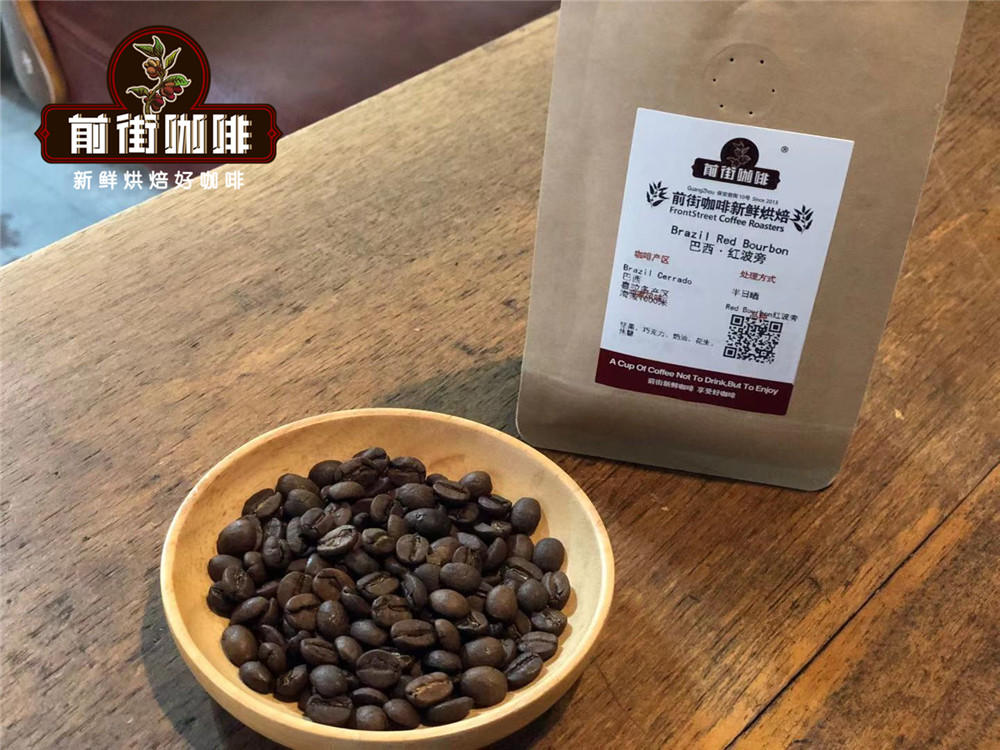
Yellow Bourbon is known for its golden-yellow coffee cherries; after ripening, the mucilage layer accumulates more sugar, and after semi-dry or honey processing it often presents bright citrus acidity and tropical fruit notes. Professional roasters recommend medium roasting (dense first crack to the start of second crack) to balance its high sugar content of 11%–12%, revealing honey-like sweetness and a black tea finish when brewed. Red Bourbon has darker fruit skin and develops a more solid chocolate bitterness and nutty base, making it suitable for dark roasting (dense second crack stage) as the backbone bean of espresso blends.
The quality code of the Cerrado region
The Cerrado region, located in central-western Brazil, generally sits at an altitude of 1,100–1,300 meters (the original 3,500–4,500 meters figure is incorrect; most major Brazilian regions are around 1,000 meters) and has a typical tropical savanna climate. The region uses a strict grading system: Grade G1 coffee beans must pass screening with a defect rate of ≤3%, and washing or semi-washing is used to highlight nutty and caramel flavors. Typical Cerrado coffee scores above 85 for body in cupping, has soft acidity (pH 5.8–6.2), and carries a finish of dark chocolate and roasted almond.
For home brewing, a V60 dripper with 93°C water and a 1:15 coffee-to-water ratio at medium-fine grind (75% passing a Chinese standard No. 20 sieve) is recommended. Use a three-pour center-pour extraction for pour-over to highlight its sweetness threshold, which peaks at an extraction yield of 18%–22%. If roasted for espresso machines, it is recommended to control development time at 12–15 seconds for balanced crema performance.
It is worth noting that although Brazil is the world's largest coffee producer, its annual per capita consumption reaches 6.2 kg, ranking 14th in the world. This production-consumption balance leads Brazilian coffee farmers to focus more on variety improvement, such as leaf-rust-resistant hybrids bred by the Campinas Institute of Agronomy, providing technical support for stable flavor output. Understanding the genetic differences between Red Bourbon and Yellow Bourbon and the processing characteristics of the region will help coffee lovers make more precise judgments when purchasing.


