Brazil Cerrado vs Queen Farm Coffee: Variety Differences and Flavor Guide
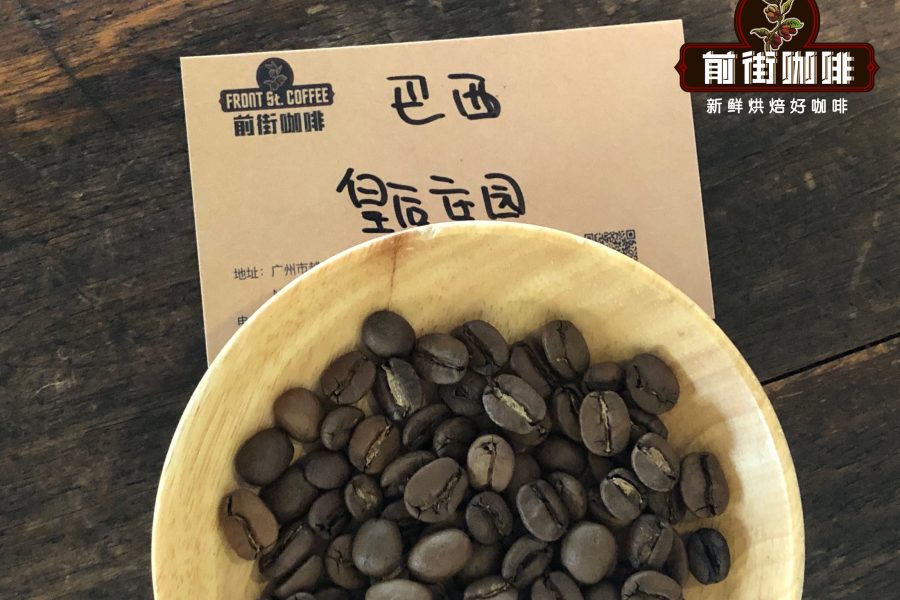
Introduction: Brazil is the world's largest coffee producer, and flavors vary markedly between its regions. This article focuses on Brazil's Cerrado region and the renowned Queen Farm, explaining the core differences between the Red Bourbon and Yellow Bourbon varieties, providing a detailed comparison from growing environment to brewed flavor, and including professional parameter suggestions to help you choose the coffee beans suited for pour-over or espresso.
Brazil is not only the world's fifth-largest country (with a land area of 8.51 million square kilometers) but also a hidden giant of the global coffee industry. This country of 207 million people produces one-third of the world's coffee beans each year, yet ordinary consumers are often puzzled: why do the Brazilian beans commonly found in supermarkets always have a mellow, plain taste? The answer lies in the codes of geography and variety—for example, the Cerrado region and the famous Queen Farm, though both in Brazil, tell completely different coffee stories.
When we discuss Brazilian specialty coffee, altitude and microclimate are the first keywords. The Cerrado region is located on Brazil's central plateau, covering a two-million-square-kilometer savanna area where eight provinces, including Minas Gerais, meet. Coffee that truly meets the "Cerrado" certification standard must grow on tablelands at 1,100–1,300 meters, where volcanic soil is rich in iron and the temperature difference between day and night reaches 8–10°C, creating the sweet base characteristic of the Red Bourbon variety.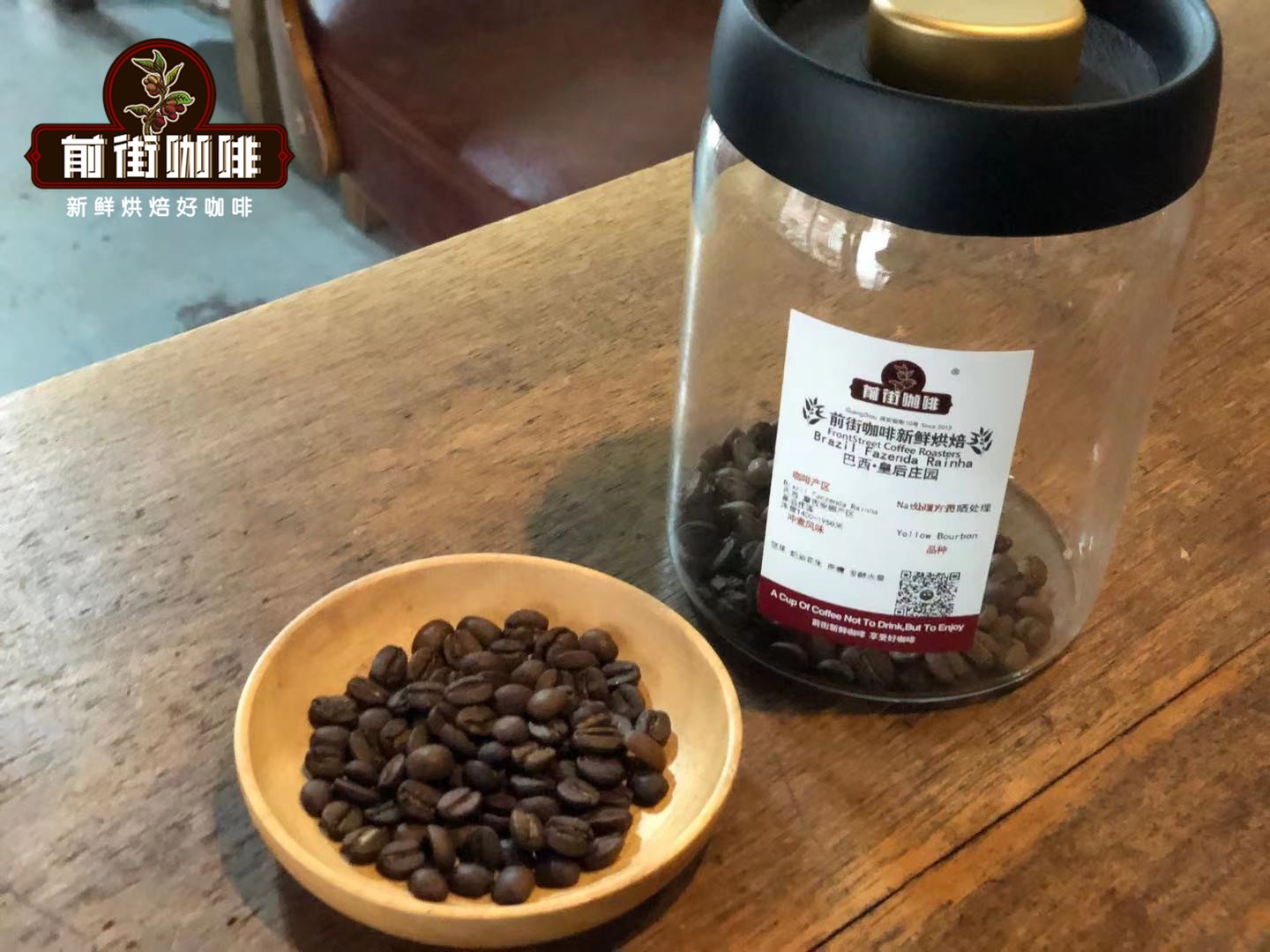 Interestingly, the local unique crop-livestock symbiosis system—coffee fields adjacent to pastures, with livestock manure naturally composted—both maintains ecological balance and provides continuous nutrients for the coffee trees.
The variety gene of Cerrado coffee is locked to Red Bourbon, a variant originating from Réunion Island that has developed a distinct personality in Brazil's special environment. Professional cupping shows: its dry aroma carries notes of roasted almond and caramel, the entry first captures a clear citric acidity, nutty flavors unfold layer by layer in the middle, and the finish steadily releases a bittersweet balance of dark chocolate. Suggested pour-over parameters: 92°C water temperature / 1:15 coffee-to-water ratio / medium-fine grind (75% passing a Chinese standard No. 20 sieve); staged extraction better highlights the layers.
Turning to Queen Farm (Fazenda Rainha), this legendary plot belonging to the Carvalho Dias family is a representative of Yellow Bourbon. Since the first Brazil COE competition in 1999, the family has won more than 12 awards in total, with Queen Farm alone taking second place in 2000 and third place in 2001, among other honors. Unlike Red Bourbon, Yellow Bourbon is named for the golden-yellow color of its ripe fruit, and its sugar accumulation is slower, creating higher acidity brightness.
Tasting Queen Farm's pulped natural beans reveals a unique flavor spectrum: citrus acidity as lively as grapefruit, accompanied by sucrose sweetness and a black tea finish, with a body between medium and full. Professional roasters recommend a medium roast (Agtron value 65–70), and during extraction note that the water flow should be steady—because of its higher density, it is recommended to extend the bloom time to 45 seconds, and the coffee-to-water ratio can be adjusted to 1:16 to highlight sweetness. For espresso blends, it is often used as a role bean to enhance acidity brightness.
Summary of selection strategy: for a mellow, balanced everyday staple bean, the stable performance of Cerrado Red Bourbon is trustworthy; if you prefer bright fruit acidity and floral-fruity notes, Queen Farm's Yellow Bourbon will bring more surprises. Together they confirm the diverse possibilities of Brazilian coffee—from plains to plateaus, from traditional processing to specialty smallholders, this land is always redefining the world's perception of Brazilian coffee.


