Specialty Coffee Price Differences: Blue Mountain vs. Geisha and Buying Guide
Introduction: Why do some specialty coffees sell for far more than ordinary commercial beans? From historical evolution to regional differences, this article provides an in-depth analysis of specialty coffee pricing logic. By comparing real price data for Jamaican Blue Mountain coffee and Geisha coffee, it reveals the five core factors that influence coffee value and offers professional buying advice to help you understand the quality behind high-priced coffee.
Looking back at the history of coffee, its forms of consumption have undergone three major transformations. Coffee from the early era of industrial production was like "black tar," seeking only a stimulating effect while completely ignoring flavor quality. This extensive model persisted into the mid-20th century, when mainstream products used dark roasting to mask defects in the raw material and used "rich taste" as marketing language.
The second wave of coffee brought an awakening of consumer awareness. The chain coffee systems that emerged in the early 20th century began to convey to consumers basic knowledge about the relationship between roast level and flavor. By describing sensory characteristics such as citrus notes and nutty finish, merchants gradually cultivated the market's ability to distinguish coffee flavors.
The real quality revolution began with the third wave specialty coffee movement.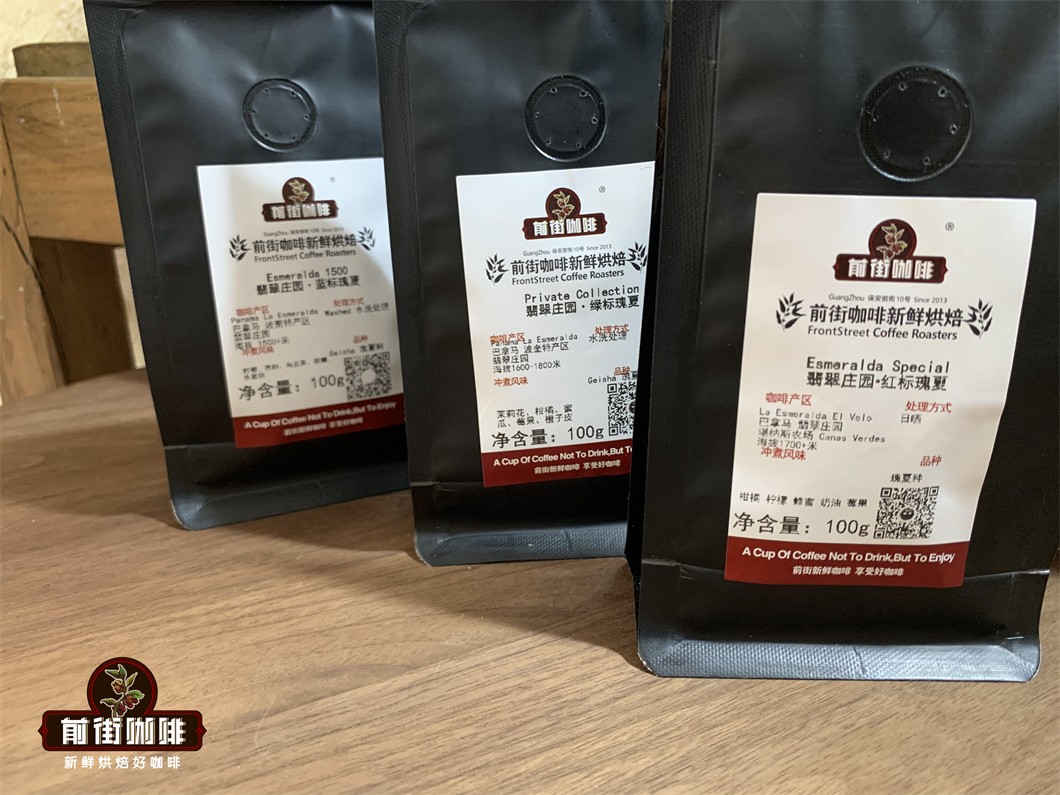 The micro-roasting workshops that emerged in the 1980s pioneered a full-process quality control system. Professional roasters track every stage of the coffee cherry, from growing altitude and harvest maturity to green bean processing methods, and through precise control of roasting curves and brewing parameters ultimately present the regional flavor characteristics of the coffee beans. This refined operation directly raised production costs and created the premium space for specialty coffee.
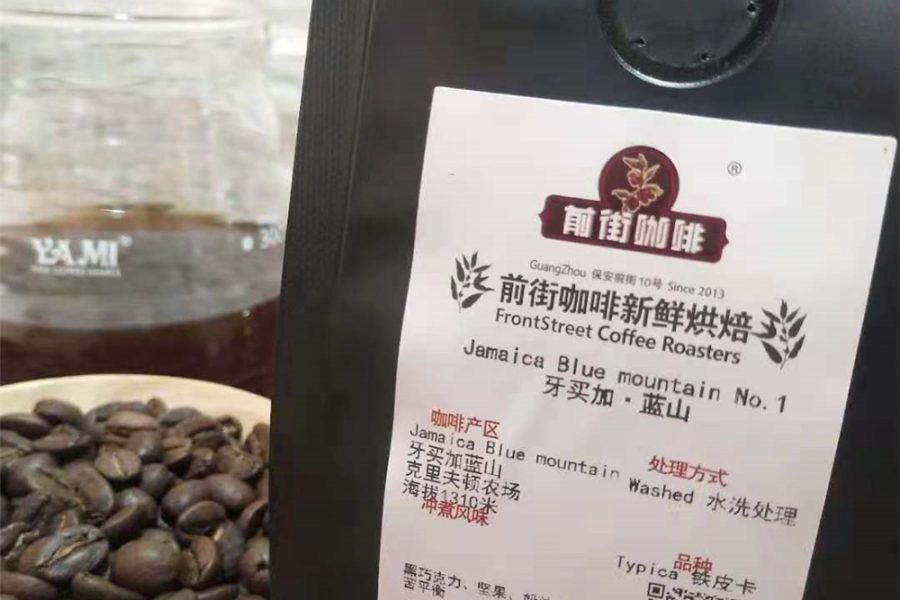
Among the many categories of specialty coffee, Jamaican Blue Mountain coffee can be regarded as a price benchmark. According to International Coffee Organization data, its production area is strictly limited to the three regions of Saint Andrew, Portland, and Saint Thomas at altitudes of 1,200–1,700 meters in the Blue Mountain Range. This coffee, which enjoys international trademark protection, has an average annual output of less than 0.1% of total global Arabica production, and its green bean export price remains in the range of US$22–35 per kilogram. International retail prices generally reach US$80–100 per pound (about US$1,280–1,600 per kilogram), roughly 20 times the price of ordinary commercial beans.
The pricing of its competitor Geisha coffee is equally striking. Top Geisha represented by Panama's Hacienda La Esmeralda once set an auction record of US$130 per pound (about US$2,080 per kilogram) in a global coffee competition. Between 2004 and 2007, the estate set a new top bid price in the competition for three consecutive years, with a single lot in 2006 selling for US$50.25 per pound. It is worth noting that in 2008 the bid price for a champion estate in Guatemala also reached US$80.20 per pound, showing the market competitiveness of top specialty coffee.
The five major factors that determine the final selling price of coffee include: 1. Regional microclimate (such as the unique volcanic soil and misty environment of the Blue Mountain) 2. Processing method (how natural/washed/honey processing shapes flavor) 3. Altitude (regions above 1,500 meters usually have brighter flavors) 4. Certification systems (such as geographical indication protection and organic cultivation certification) 5. Market supply and demand (the scarcity of champion beans). When buying, consumers should focus on the roast date (fresh beans within 2–4 weeks after roasting are recommended), grind size suitability (medium-fine grinding for pour-over, around size 18–20 on the sieve scale), and brewing water temperature control (usually in the 90–96°C range).


