Coffee Roast Guide: Light, Medium and Dark Roast Flavor Differences and the Truth About Bitterness
Introduction: Coffee flavor is closely tied to roast level. From light to dark, the color, acidity, sweetness and bitterness of coffee beans change notably. Understanding how different roast levels affect flavor can help you choose beans that suit your personal taste. This article breaks down the characteristics of light, medium and dark roasts, clears up the common misconception that 'dark roast is always more bitter', and recommends several classic beans at different roast levels for reference.
Coffee flavor depends largely on roast level. Generally, coffee bean roasting can be divided into three main categories: light, medium and dark, and each roast level brings distinctly different flavor characteristics. Grasping these differences can help you more quickly find coffee that matches your taste preferences.
Light roast coffee beans are usually released earlier and have a lighter color, presenting bright fruit acidity, with some varieties also carrying floral notes. This roast style preserves the bean's original flavor characteristics, with more prominent acidity, suiting those who enjoy a fresh taste.
Medium roast coffee beans are released between light and dark, with more obvious sweetness and a moderate lingering sweetness. This roast retains slight acidity while developing aromas such as nuts, chocolate and maltose through caramelization reactions, giving an overall balanced flavor that suits drinkers seeking harmony in taste.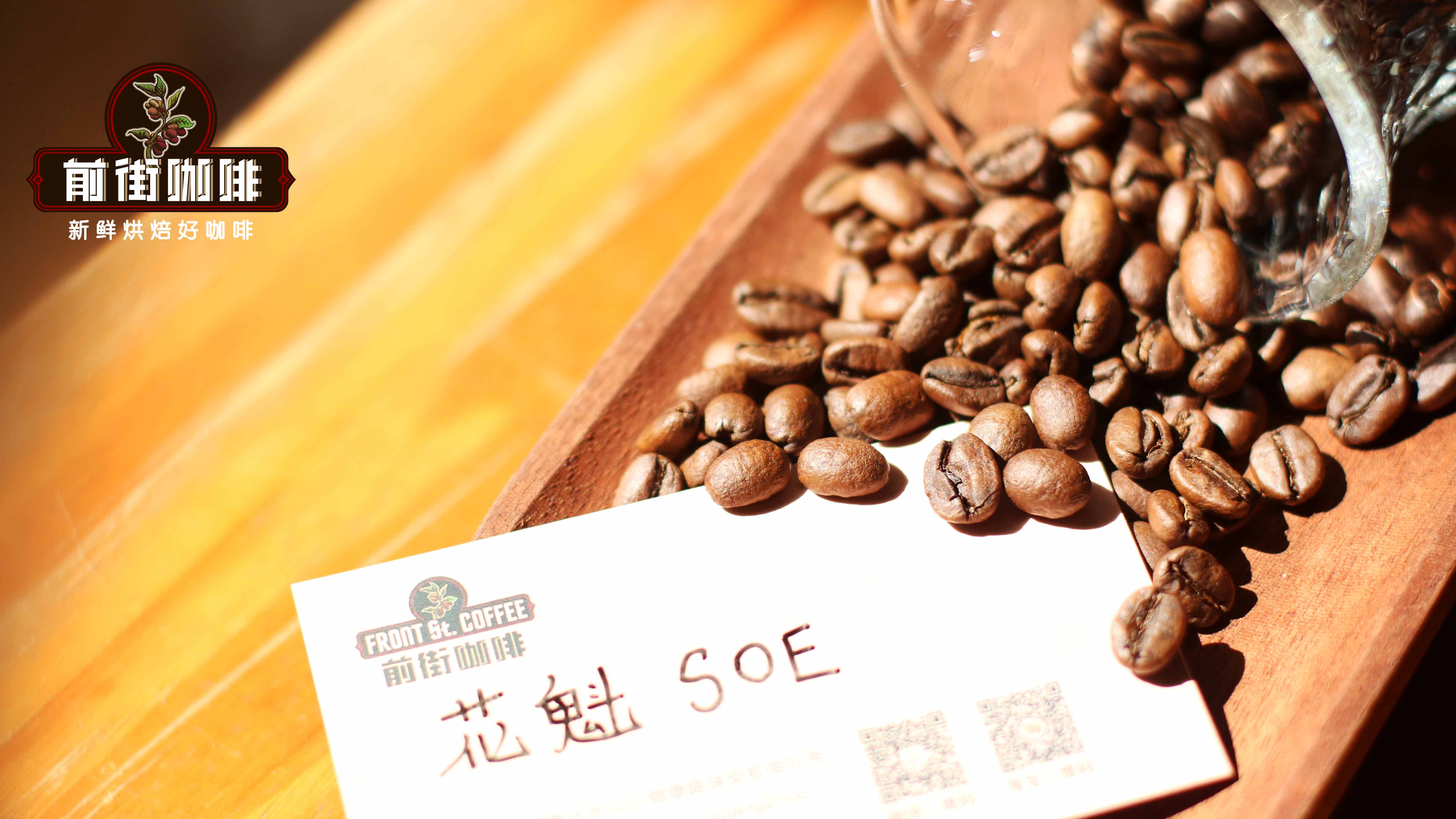
Dark roast coffee beans are released latest, with a deep color, a full and rich mouthfeel, and often smoky notes. This roast is led by bitter tones while showing complex flavors such as caramel, spice, baked bread and dark chocolate, with lasting sweetness, suiting consumers who dislike acidity or prefer intense flavors.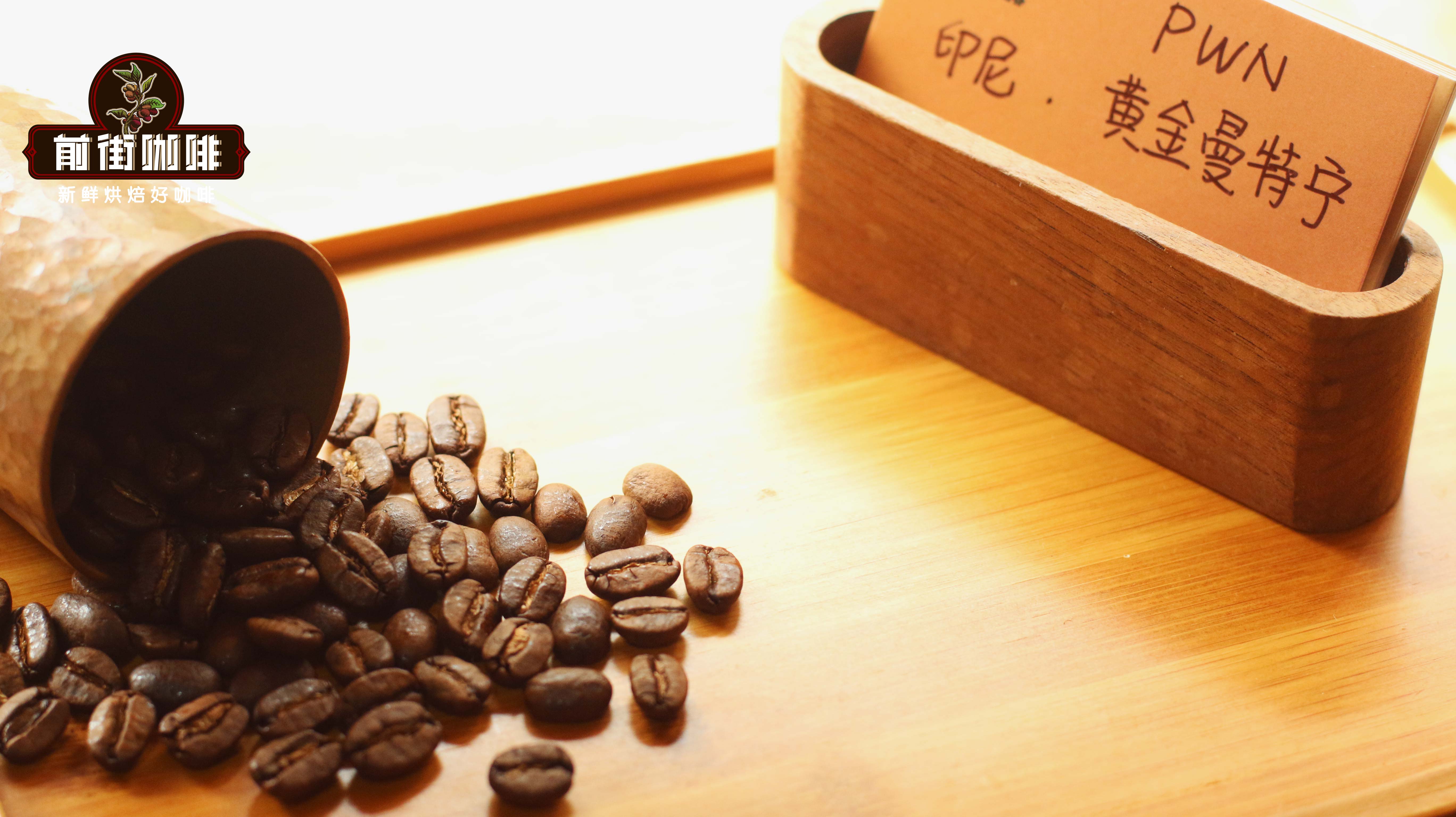
As for whether dark roast coffee is necessarily more bitter, the answer is not absolute. Although dark roast usually has more obvious bitterness, its flavor layers are also richer, including sweetness, spice and body. Bitterness is only one characteristic of dark roast, not the whole story.
Here are several examples of classic beans at different roast levels: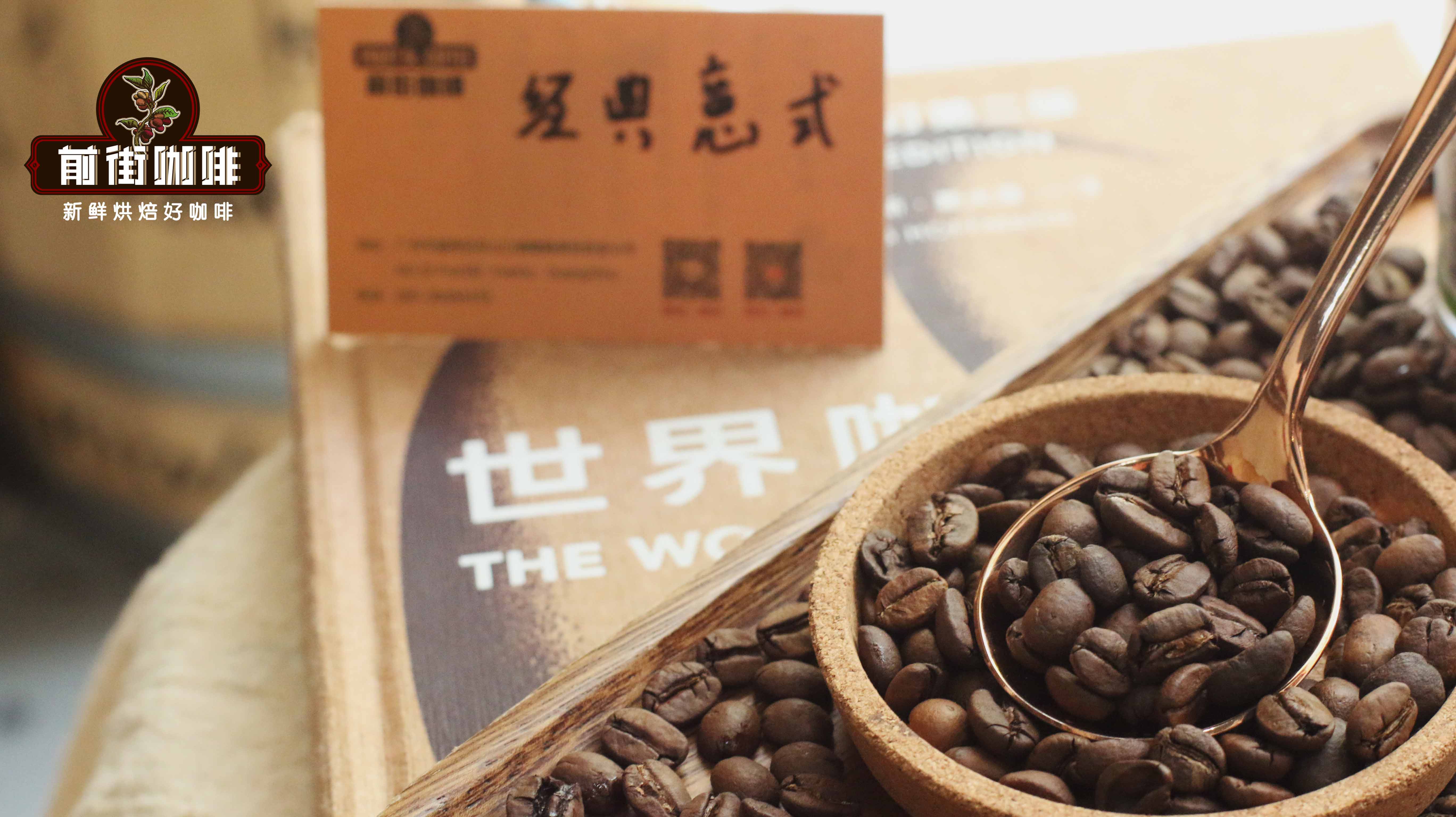
The dark-roasted Indonesian Mandheling is a typical example; its spice and herbal flavors are more prominent under dark roast, effectively showing the bean's unique character. If such beans were light-roasted, their original characteristics would instead be weakened.
Some espresso blends add robusta to traditional recipes, enhancing cocoa biscuit and chocolate aromas while boosting crema, making them suitable for latte art.
Yellow Bourbon coffee from high-altitude regions often carries creamy chocolate and dark cocoa aromas, retaining some sweetness even under dark roast.
Americas-origin coffee that is washed, such as Colombian beans, can present clean creamy chocolate and caramel flavors through medium-dark roasting, with moderate and clean acidity.
Blending coffee beans from different origins, for example combining Brazilian nuttiness with Colombian chocolate notes, can create richly layered composite flavors suitable for espresso extraction.