Must Espresso Beans Be Dark Roasted? Bean Color and Roast Level
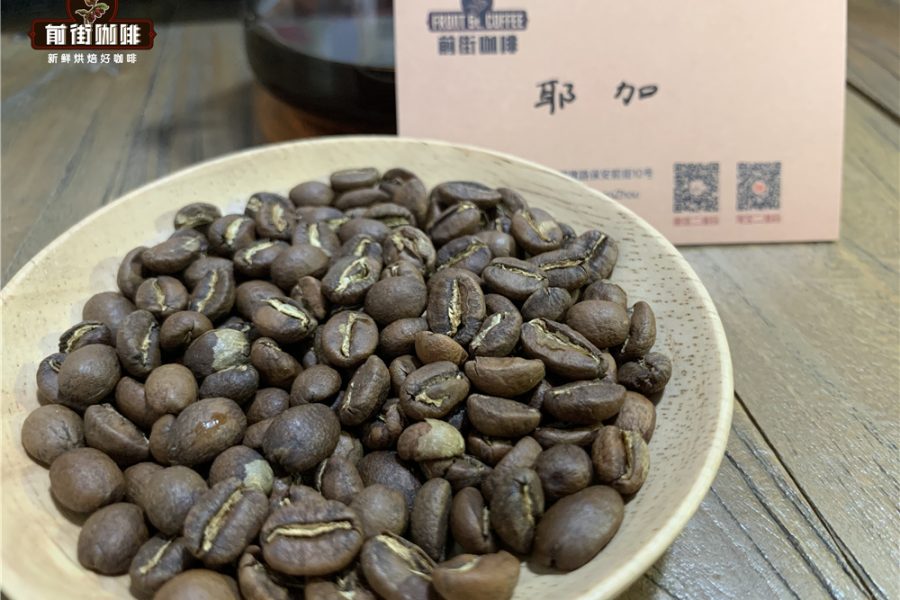
Introduction: Many people believe espresso beans are all dark roasted and that roast level can be judged by color, but this is not the case. This article explores the historical reasons behind traditional dark roasting, analyzes the impact of dark roasting on espresso extraction, reveals the potential harm oily coffee beans cause to equipment, and helps coffee enthusiasts and professionals build a scientific understanding of roasting to improve coffee making and tasting.
For a long period in the past, coffee roasting tended toward dark treatment, and there were many practical factors behind this. As coffee gradually became a popular beverage, market demand kept climbing. To meet growing demand, coffee roasters began choosing cheaper green coffee. To mask the undesirable flavors inherent in these low-priced beans, roasters extended roasting time, giving the beans a dark color. This approach improved the taste of cheap beans to some extent while increasing roasting efficiency to handle large volumes of orders.
Looking at the extraction characteristics of espresso, dark roasting seems to offer certain advantages. Espresso is brewed with high pressure and high water temperature, and this method naturally extracts the rich, full-bodied, oily flavors contained in dark-roasted beans, making the coffee's flavor more concentrated and intense. Therefore, in traditional thinking, dark roast is considered the ideal choice for espresso.
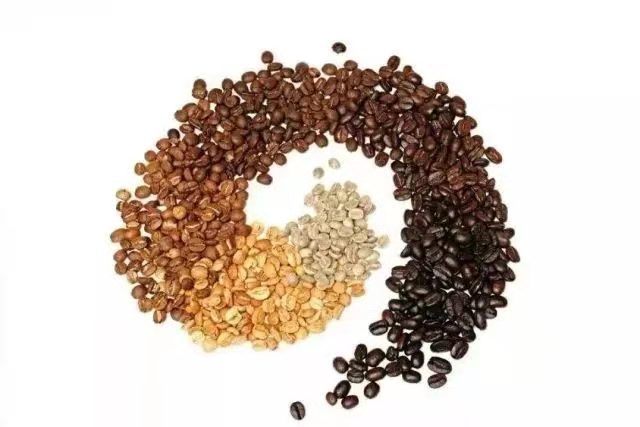
Roasters are keen to sell dark-roasted beans because dark roasting makes mediocre, cheap coffee more acceptable to the general public. When tasting, ordinary consumers tend to notice obvious characteristics such as the smoky flavors produced during roasting, while overlooking the beans' own unique flavors. In fact, beans from different origins have their own distinctive flavor profiles—for example, Brazilian and Colombian coffees from South America naturally have rich fruity and nutty notes. For these high-quality beans, specialty coffee shops sometimes choose a medium-dark roast to moderately bring out their character, but usually avoid darker roasts for fear of destroying their original flavor layers.
However, for espresso, using dark, oily-surfaced beans poses some problems. In some large coffee chains, such as Starbucks, dark, oily beans are fairly common. This is because these chains have enormous coffee demand, and to control costs they purchase cheaper beans and roast them dark. The large amount of oil produced by dark roasting damages coffee equipment, especially espresso machines and grinders.
For super-automatic espresso machines, the oil produced by dark-roasted beans is a major problem. This oil deposits heavily in the machine's internal tubing and in the grinder's burrs and crevices. Over time, oil buildup clogs the machine, affecting normal extraction and reducing equipment efficiency. In addition, oil clings to the grinder burrs, damaging the grinder's precision structure and causing it to stop working properly. If these problems are not resolved in time, expensive repairs and replacement parts may be needed.
For large coffee chains, scale advantages and professional equipment maintenance teams may allow them to absorb machine repair and maintenance costs to some extent. Moreover, the industrial-grade coffee machines they use typically have better performance and oil resistance, so they can handle the oil from dark-roasted beans relatively well. But for home users, the situation is different. Home coffee machines and home espresso machines have relatively weaker structures and performance and are more vulnerable to oil damage. Therefore, home users need to be more careful when choosing coffee beans and roast levels.
In short, although espresso traditionally often uses dark roast, this does not mean espresso beans must be dark roasted, nor can roast level be judged simply by bean color. Understanding how different roast levels affect coffee flavor and equipment helps us choose suitable beans and roasting methods based on our own needs and equipment conditions, so we can achieve a better coffee experience.


