Decaf Coffee Still Has Trace Caffeine? Swiss Water Process and Buying Guide
Introduction: Did you think drinking decaffeinated coffee would let you avoid caffeine entirely? In fact, compliant decaf coffee may still contain a small amount of stimulant. This article reveals the FDA's caffeine content standards for decaf coffee, explains the principles of mainstream decaffeination processes such as the Swiss Water Process, and includes a comparison of actual caffeine values in 8-ounce drinks to help coffee lovers make more informed choices based on their own needs.
When it comes to caffeine, most people immediately think of its stimulating, alerting effect. This central nervous system stimulant, naturally present in coffee beans, does add a boost to everyday drinks. But one often overlooked fact is that products labeled "caffeine-free" on the market are actually very difficult to make 100 percent caffeine-free.
Experts from the U.S. Food and Drug Administration (FDA) point out that current technology makes it nearly impossible to completely remove caffeine from coffee beans. Common decaffeination processes work mainly through chemical reactions, among which solvent extraction is the most widely used. In practice, harvested green beans are soaked in a specific solvent before roasting—usually methylene chloride or ethyl acetate—and these substances bind to caffeine molecules and carry them out of the bean.
Consumers who have doubts about the safety of chemical solvents need not worry excessively. FDA research shows that after a complete roasting process, solvent residues in the final product are extremely low. Take the more controversial methylene chloride as an example: regulations explicitly limit its content to no more than 10 parts per million, a concentration considered not harmful to human health. Ethyl acetate, meanwhile, is classified as a substance "generally recognized as safe."
Besides the solvent method, two other mainstream decaffeination technologies exist on the market: the Swiss Water Process and supercritical carbon dioxide extraction. The former extracts caffeine through controlled water soaking, while the latter uses carbon dioxide under high pressure as the medium. Different processes not only affect the final residue level but also subtly change the flavor characteristics of the coffee.
So how much caffeine does decaf coffee actually contain? Data shows that a standard cup (about 240 ml) of regular coffee contains 95–200 mg of caffeine, while the decaf version usually stays between 2 and 15 mg. This difference is affected by multiple factors: the caffeine baseline of the original bean variety, the altitude of the growing region, the precision of the decaffeination process, and even the final brewing method can change actual intake.
The FDA's standard for defining a "decaffeinated" label is that more than 97% of the original caffeine content must be removed. By calculation, if green beans initially contain 150 mg of caffeine (roughly equal to the caffeine in a standard espresso), the residue after processing should not exceed 4.5 mg. It is worth noting that no major market regulator worldwide currently sets a mandatory requirement for absolute zero caffeine.
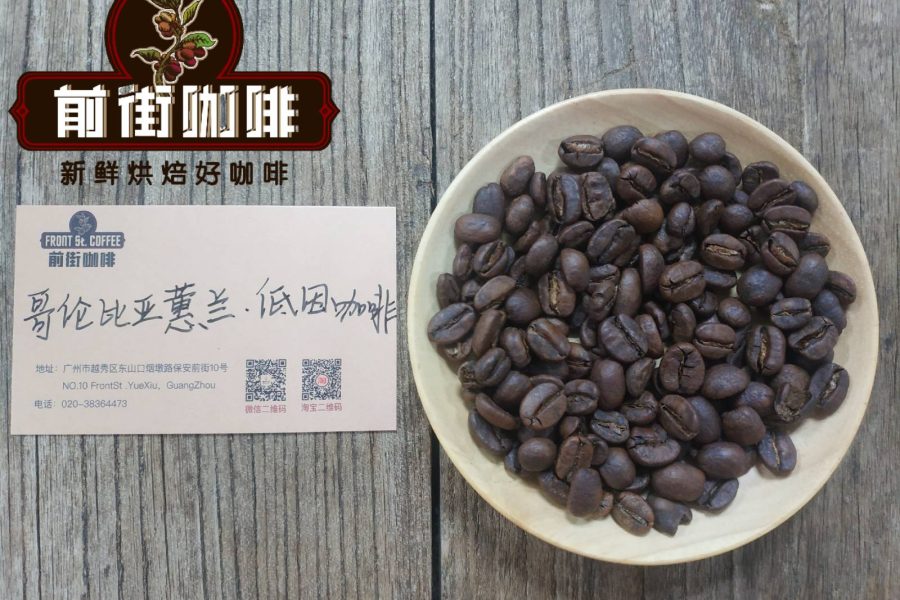
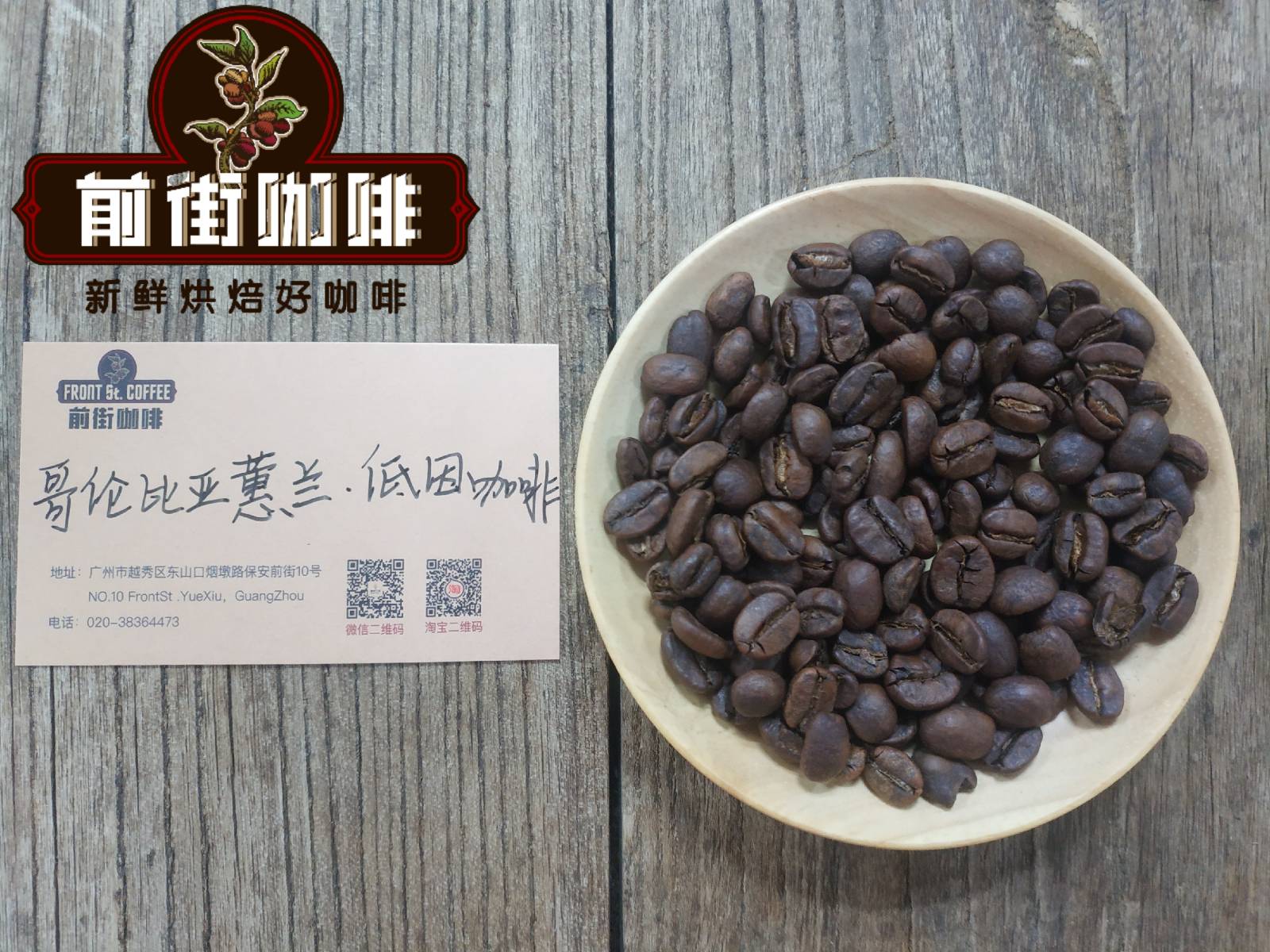
Take Colombia's Huila region as an example: Typica, Caturra and other varieties grown there at 1,750 meters, processed by the Swiss Water Process into Supremo-grade decaf beans, are often described as having a complex flavor of dark chocolate, caramel and nuts. Such products retain the clean mouthfeel of traditional washed processing while keeping caffeine within the legally permitted range through a special process, making them suitable for consumers who are sensitive to caffeine but unwilling to give up coffee flavor.
When buying decaf coffee, it is advisable to focus on three dimensions: first, confirm the type of processing (the Swiss Water Process usually preserves flavor more completely); second, check the specific caffeine test report; finally, adjust brewing strength according to personal tolerance. Remember, even products advertised as "caffeine-free" may still produce a mild stimulating effect if consumed in large quantities in the morning.


