Budget Coffee Bean Buying Guide: Robusta vs Arabica Flavor Differences
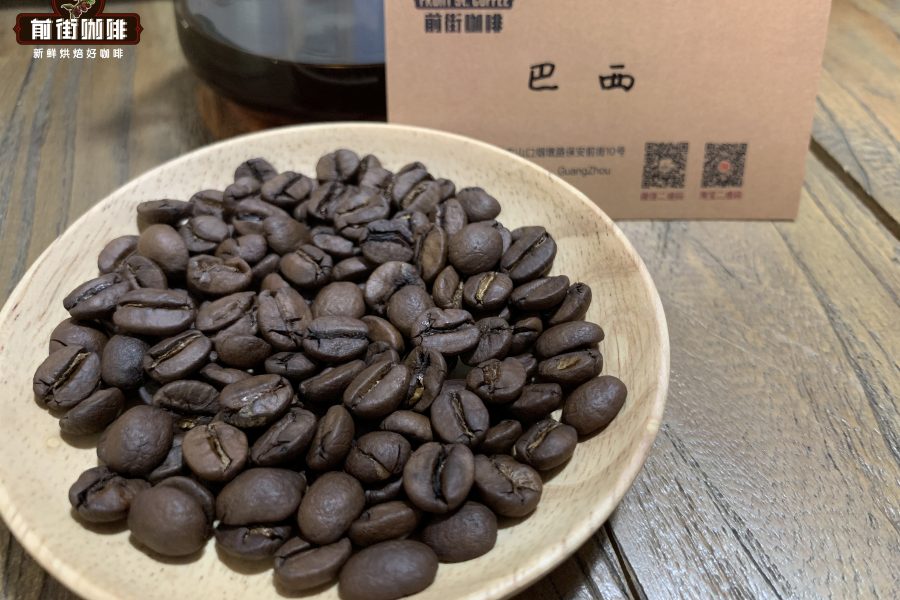
Introduction: From affordable everyday coffee to specialty coffee experiences, understanding the differences between coffee bean varieties can save you considerable expense. This article provides an in-depth comparison of the core characteristics of the two major coffee species, Robusta and Arabica, reveals the flavor logic behind the price differences, and offers practical buying advice to help you find a coffee solution that balances value and quality.
Coffee has become an indispensable daily companion in modern life, but frequent consumption of specialty coffee is indeed a considerable expense. Take the world-famous Blue Mountain coffee as an example: its scarcity keeps market prices high, making it difficult for ordinary consumers to enjoy it daily. In fact, by choosing coffee bean varieties sensibly, you can fully reduce consumption costs while ensuring quality, achieving a balance between everyday drinking and occasional specialty experiences.
The most common mistake when buying coffee is blindly pursuing low prices. Those ultra-low-priced pre-packaged coffees may have tempting unit prices, but often because of overly long storage or poor quality, the brewed cup is weak and may even carry unpleasant off-flavors, turning morning refreshment into a bad experience. The smart approach is to establish a tiered consumption system: choose reliable economy bean varieties for daily drinking, and enjoy high-end specialty preparations on special occasions.
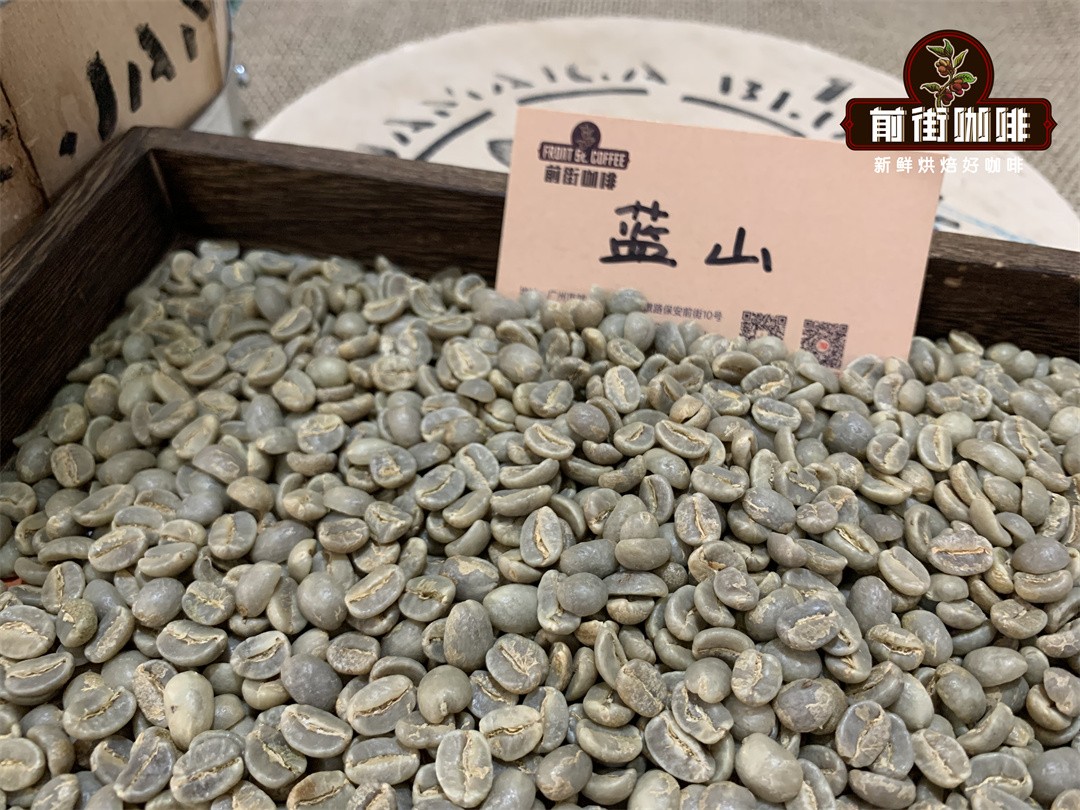
Global commercial coffee is mainly divided into two native species, Arabica and Robusta, and each major category contains dozens of cultivated varieties. The two species differ significantly in botanical characteristics, growing conditions, and flavor performance. Understanding these essential differences is the key foundation for choosing coffee beans that suit your needs.
Arabica coffee beans can be called the "aristocrat" of the coffee world: their flavor is rich and delicate, with bright acidity and often complex notes such as floral and fruity aromas. This species is extremely demanding about its growing environment, requiring a high-altitude climate above 1,000 meters, mild average daily temperatures (15-24°C), and abundant rainfall, so its global output accounts for only about 60%. Its lower caffeine content (about 1.2-1.5%) creates a relatively mild mouthfeel.
By contrast, Robusta coffee shows completely different characteristics. This species has a caffeine content as high as 2.7-3.5%, more than twice that of Arabica, and this enrichment of alkaloids directly brings a stronger bitter impact. Its flavor profile is dominated by pronounced nutty notes, a chocolate base, and higher body, with acidity almost negligible. Robusta is highly adaptable and can still grow vigorously in low-altitude (200-800 meters), hot and humid environments, with outstanding resistance to pests and diseases, which makes its cultivation cost significantly lower than that of Arabica.
The market has long held the stereotype that "Robusta equals inferior quality," but this view needs to be considered dialectically. When making espresso, professional baristas often add 10-30% high-quality Robusta to enhance crema stability and body. For daily brewing on a limited budget, choosing single-origin, freshly roasted 100% Robusta (such as high-quality lots from Vietnam and Indonesia) can also provide a good drinking experience. However, be careful to avoid cheap blended beans, as these products often contain defective beans that affect overall quality.
Practical buying advice: for daily drinking, prioritize medium-roast Robusta (about 1/3-1/2 the price of Arabica); brewing with a French press or moka pot better showcases its full-bodied character. If you seek rich flavor complexity, Arabica is recommended as the main choice, and value-oriented beans from regions such as Brazil and Colombia are good entry options. Whichever variety you choose, make sure to buy freshly roasted whole beans (within 10 days of the roast date) and use them within two weeks for the best flavor.


