Coffee latte art explained: how to pour a balanced latte with beautiful crema from pour-over
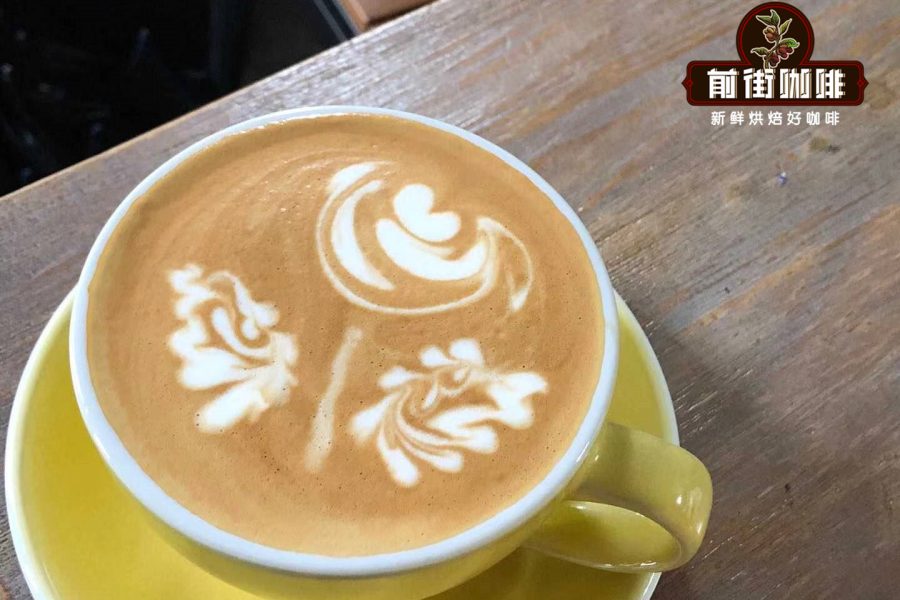
Introduction: Have you ever wondered why some pour-over or espresso coffees can show beautiful patterns and a layer of crema on the surface? Behind this is actually a craft that combines extraction science and technique—coffee latte art and blooming. This article will take you deeper into the principles of coffee latte art, from the effect of carbon dioxide on flavor, to how to achieve a perfect "bloom" during pour-over, and then to a flavor comparison between latte art lattes and coffees without latte art, helping you improve your coffee tasting and brewing skills.
When you taste a cup of pour-over coffee, latte, or cappuccino, you can often see a layer of golden crema floating on the surface, with beautiful patterns—this is what is called "coffee blooming" or the "crema layer," and further extended, it is the foundation of latte art. But how are these beautiful patterns formed? In fact, this is inseparable from the coffee extraction process, especially the interaction between carbon dioxide in the coffee beans and hot water.
So how can you achieve a beautiful "bloom" effect when brewing coffee? The key is to understand the carbon dioxide (CO₂) naturally present in coffee beans. Coffee beans produce a large amount of carbon dioxide during roasting, and these gases are gradually released inside the bean body—a process called "degassing." Generally speaking, the darker the roast, the higher the carbon dioxide content and the longer the release time. Therefore, freshly roasted coffee beans often have a higher carbon dioxide concentration and more easily form a pronounced bloom effect.
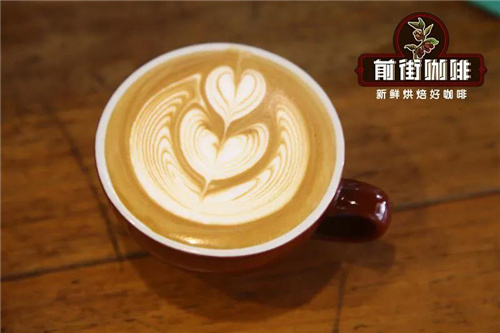
Carbon dioxide plays a dual role in coffee extraction. On the one hand, it can maintain coffee freshness in the short term and prevent oxidation; but on the other hand, if carbon dioxide is not fully released, it will hinder effective contact between water and coffee grounds, thereby affecting the extraction of flavor compounds—especially inhibiting the release of sweetness and body, and even bringing a sharp acidity. Therefore, allowing some carbon dioxide to escape before formal extraction—that is, "blooming"—is an important step to improve coffee extraction efficiency and flavor performance.
To achieve an ideal bloom effect, you first need to master the right grind size. When using a conical dripper for pour-over, the coffee grounds should not be too fine or too coarse. If the grounds are too fine, water flow resistance will be too high, carbon dioxide will be released quickly and in a concentrated way, and flavor compounds will not have time to be fully extracted; if the grounds are too coarse, water will pass through too quickly, the coffee grounds will not expand enough, and aroma and sweetness will be difficult to release. Therefore, a medium-fine grind size (similar to fine sugar in texture) is usually a safer choice.
In addition, water temperature is also a key parameter affecting blooming and overall flavor. The ideal water temperature should be controlled between 90-96°C (195-206°F). This temperature range can balance the extraction ratio of acidity, sweetness, and bitterness, helping to fully bring out coffee flavor. If the water temperature is too low, carbon dioxide will be released slowly and flavors will not dissolve easily; if the water temperature is too high, it may cause over-extraction and a bitter taste.

Next is the step of pre-wetting the filter paper. This step is often overlooked, yet it has a significant impact on the final flavor. Use hot water (about 90°C) to wet the filter paper first; this can remove the papery taste of the filter paper itself and also preheat the dripper and server, keeping the temperature stable during coffee extraction. To do this, place the filter paper in the dripper, then slowly pour hot water in a spiral from the inside out, making sure the filter paper fits completely against the inner wall of the dripper, and then discard the pre-wetting water.
During the formal brewing, it is recommended to first pour a small amount of hot water (about 1.5-2 times the weight of the coffee grounds) for "blooming," which is what we often call the "bloom phase." For example, if using 20 grams of coffee grounds, you can first pour about 30-40 grams of hot water. At this point, after the hot water contacts the coffee grounds, carbon dioxide is rapidly released, and the coffee ground particles expand and float up, forming a beautiful "bloom" phenomenon, usually lasting about 20-30 seconds. Observing this process is not only enjoyable, but also a good way to judge coffee freshness—if the coffee barely expands or the bloom is weak, it may mean the coffee beans are no longer fresh.
After blooming ends, continue pouring the remaining hot water to complete extraction. At this stage, you can adjust the pouring technique and total water amount according to personal preference; generally, a total coffee-to-water ratio between 1:15 and 1:18 is more common. Throughout the process, keeping the water flow steady, pouring in the center, and gently circling at the right time helps ensure even coffee extraction.
Some people may ask: does latte art affect the taste of coffee? In fact, latte art itself is more of a visual art. Its core is, based on the already extracted milk foam and espresso being combined, to form patterns such as hearts and leaves through pouring and shaking techniques. For milk coffees such as lattes and cappuccinos, as long as the milk is steamed finely, at a moderate temperature (generally 60-65°C), and properly combined with the coffee, whether or not there is latte art has limited impact on flavor. But from a sensory experience perspective, a cup of coffee with beautiful latte art undoubtedly lifts the drinking mood even more.
In summary, coffee latte art and blooming are not only a visual pleasure, but also part of coffee science. From controlling grind size, water temperature, and blooming time, to understanding the relationship between carbon dioxide release and flavor, every step determines the final taste and quality of the coffee. The next time you brew coffee, take a moment to notice the "blooming" moment on the coffee surface—perhaps you will understand the cup in your hand a little better.


