Is Colombian Coffee Arabica? Huila Region Gesha Blend Flavor Analysis
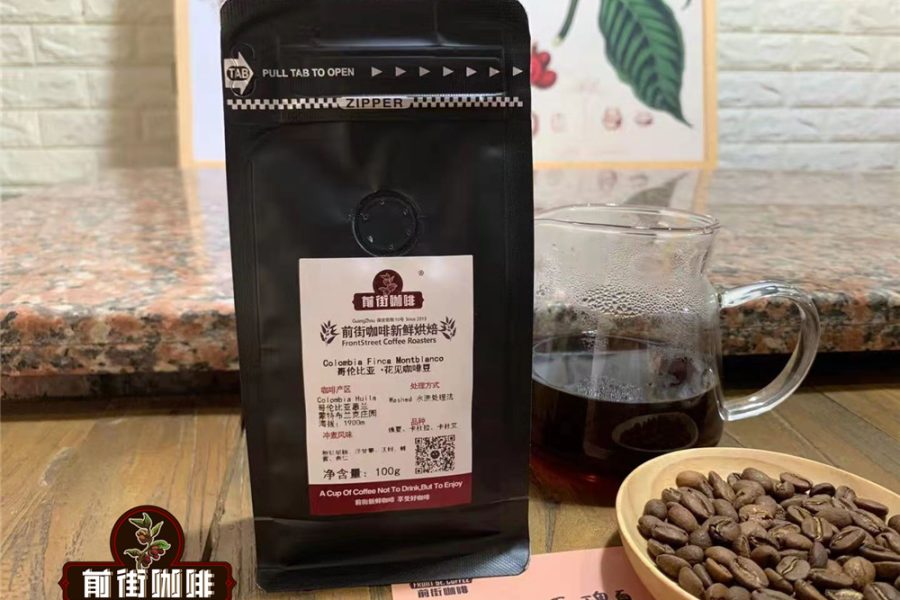
Introduction: Colombia, as the world's third-largest coffee exporting country, is known for its delicate flavors. This article analyzes the relationship between Colombian coffee and the Arabica variety, focusing on a Gesha blend from the Huila region at an altitude of 1,900 meters—a blend of Caturra and Catuai varieties that, through washed processing, presents a unique balance of floral-fruity aromas and nutty notes. From growing altitude to the flavor wheel, this guide helps you understand the key parameters of specialty coffee.
The global coffee market is mainly divided into two camps, Arabica and Robusta, with Arabica accounting for over 60% and becoming the mainstream of specialty coffee due to its mild acidity and complex aromas. Within the Arabica system, coffee beans from Colombia have long ranked among the top quality origins thanks to their consistent quality and unique regional flavors. This article focuses on the high-altitude growing region of Huila Province, Colombia, analyzing the cultivation characteristics and flavor performance of local specialty coffee.
Huila Province in Colombia is located in the middle section of the Andes Mountains, with its core growing belt centered around the city of Pitalito, where smallholder farmers use refined cultivation methods and hand-picking to ensure consistent fruit ripeness. Over the past decade, through improved washed processing techniques and strict grading and screening, the area has gradually established a specialty coffee belt at altitudes of 1,500–2,000 meters, with the micro-region at 1,900 meters particularly outstanding.

Producers represented by Finca Monteblanco select three varieties—Gesha, Caturra, and Catuai—for blending. This combination retains the signature floral and citrus notes of the Gesha variety while balancing them with the bright acidity of Caturra and the full body of Catuai. It should be noted that the definition of single-origin coffee is based on the region rather than a single variety, so this blend still meets the specialty coffee standard for geographical terroir characteristics.
The washed process plays a key role here: after picking, the coffee cherries go through steps such as removing the pulp, fermenting to remove the mucilage, and drying, with fermentation time controlled at 18–36 hours, which preserves the fruity aroma while avoiding off-flavors from over-fermentation. The final product presents a spicy base note of pink pepper, a mid-palate of fresh herbal chamomile, and a finish that transitions to the sweetness of mandarin and the nutty aroma of almond, with a honey-like sweetness running through the entire flavor curve.
For coffee enthusiasts, this blend from the high altitudes of Huila has multiple tasting values: for optimal extraction, a water temperature of 90–93°C is recommended, and a coffee-to-water ratio of 1:15 to 1:16 better highlights the floral-fruity notes. When brewing pour-over, use a three-pour method: the first pour blooms for 30 seconds to wake up the coffee grounds; the middle pour uses a thin stream in a circular motion until 125 ml, then pause; after the water level drops by one-third, continue pouring to 225 ml to complete extraction, maximizing the balance of sweet, sour, and bitter layers.
From growing environment to processing technique, specialty coffee from Colombia's Huila region demonstrates the diverse possibilities of the Arabica variety. Whether for light-roast lovers seeking floral-fruity aromas or consumers who prefer the balanced taste of nutty notes, this Gesha blend offers a drinking experience that combines regional character with craft value.


