Colombian Coffee Varieties and Sakura Coffee Tasting Guide

Introduction: This article provides an in-depth analysis of the core producing region advantages and main variety characteristics of Colombian coffee, with a focus on the double anaerobic processing method of the Castillo variety from Hacienda El Paraiso. From natural conditions such as altitude and soil to the processing differences between washed and natural methods, it comprehensively explains why Colombian coffee maintains consistently high quality, and through details such as the fermented aroma and spiced tea notes of sakura coffee, it helps you master professional-level flavor tasting points.
As a globally renowned Arabica coffee region, Colombia has become an important origin for specialty coffee thanks to its exceptional natural conditions. The country's coffee-growing areas receive stable annual rainfall of more than 200 cm, and the hilly terraced terrain combined with high-altitude environments of 1,500–2,000 meters, plus mineral-rich volcanic soil, provides an ideal breeding ground for coffee trees. Particularly noteworthy is that local harvesting standards strictly require hand-sorting bean by bean, which, together with the widely adopted washed processing method, jointly creates the signature balanced flavor of Colombian coffee.
In terms of coffee processing methods, the washed method removes the pulp and mucilage layer, effectively highlighting the pure flavor of the coffee beans themselves. In practice, after fermentation is complete, producers can choose either washing and cleaning or natural drying—the latter requires no additional equipment but has strict requirements for weather conditions, and the drying process must closely monitor humidity changes to avoid cracking the beans. By comparison, washed processing more consistently presents bright acidity and clear layers, which is also a key factor in why Colombian coffee generally has good body and flavor balance.
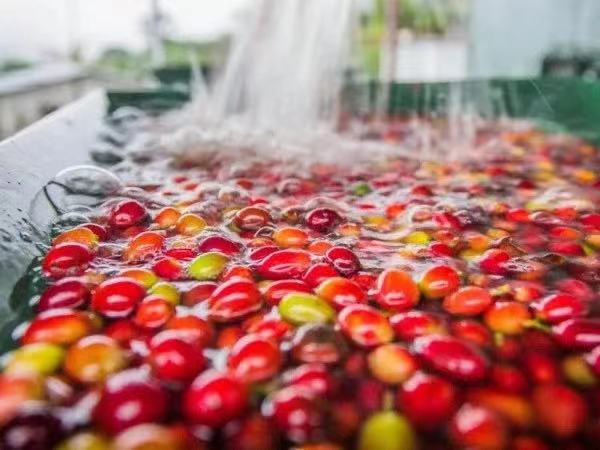
The flavor profile of Colombian coffee typically shows medium body, with acidity, sweetness, and bitterness in harmonious unity. In the classic flavor spectrum, one can often detect the vivid sweet-tartness of berries, the gentle sweetness of caramel, the warm undertones of candied spices, and the subtle spice of cardamom-like notes. Its aroma is especially prominent, blending the freshness of citrus fruits, the richness of tropical fruits, and the complex breath of various spices—this multi-layered olfactory experience is a typical characteristic of high-quality Arabica beans.
Focusing on a specific micro-lot product, the Castillo variety coffee from Hacienda El Paraiso in Cauca Department is highly representative. The estate uses a double anaerobic fermentation method, precisely controlling oxygen levels and fermentation time in sealed containers to stimulate the coffee beans' deep aromatic substances. This special process gives the coffee a rich fermented aroma base, accompanied by pronounced spiced tea notes and the distinctive breath of mugwort-like plants; on the palate, soft fruit acidity leaps like berries, and the finish carries a lasting sweet echo.
For coffee lovers, understanding these producing region characteristics and processing differences not only improves the precision of bean selection for daily brewing, but also deepens tasting ability by observing the process of flavor development. Whether pursuing bright acidity with filter brewing or preferring a full-bodied espresso extraction, Colombian coffee can provide a stable and richly layered space for expression.


