Why caffeine has no effect on you, and is decaf really worse than regular coffee?
Introduction: Do you still feel drowsy after drinking coffee, or find decaf bland and tasteless? Caffeine not working may stem from factors such as sleep, dosage or genes, and the taste of decaf can also be optimized through choices. This article analyzes the five major reasons caffeine fails, offers practical advice for drinking it scientifically, and explores the flavor truth of decaf to help you find a coffee plan that suits you.
Why do some people still feel drowsy after drinking coffee, while others become alert and energetic? Multiple reasons may lie behind this phenomenon, even related to long-term habits. Understanding these factors can not only help you drink coffee more scientifically but also avoid the health risks brought by dependence.
Sleep deprivation weakens caffeine's effect
After occasionally staying up late, coffee may still perk you up, but if you are chronically sleep-deprived (for example, less than 6 hours for three consecutive days), the body produces excessive adenosine—the very chemical that causes drowsiness. Caffeine originally works by blocking adenosine receptors, but when adenosine concentration is too high, caffeine's antagonistic effect is offset. At this point the caffeine dose must be doubled (such as a double espresso) to possibly take effect, but this will aggravate the risk of subsequent insomnia.
Excessive intake leads to increased tolerance
Daily caffeine intake exceeding 400 mg (roughly equivalent to 4 cups of Americano) may cause side effects such as palpitations and anxiety while reducing sensitivity to caffeine. The body gradually adapts to this stimulation and needs more dosage to achieve the same effect. It is recommended to control the total amount by recording daily caffeine sources (including tea, chocolate, etc.), and if necessary arrange "caffeine-free days" to reset tolerance.
The key role of dosage and individual differences
Caffeine metabolism efficiency is significantly affected by body weight, age and basal metabolic rate. Heavier people may need to increase single intake (for example, from 200 mg to 300 mg), while older people metabolize more slowly and should appropriately reduce it. It is worth noting that instant coffee usually contains only 50-100 mg of caffeine per serving, far lower than the 150-200 mg of freshly ground coffee, so the number of servings may need adjustment.
Genetic factors that cannot be ignored
Genes determine the speed at which the liver breaks down caffeine and the sensitivity of adenosine receptors. People with CYP1A2 gene variants may metabolize caffeine 40% more slowly than ordinary people, extending the duration of effects; while the ADORA2A gene affects the brain's neural response to caffeine. These genetic traits cannot currently be changed acquiredly, but genetic testing can reveal your own metabolic type.
Tolerance formation mechanism and coping strategies
Continuous daily caffeine intake causes the brain to reduce the number of natural adenosine receptors, forcing the body to adapt to higher concentrations of stimulation. Research shows that after two consecutive weeks of drinking the same dose of coffee, its refreshing effect drops by about 30%. It is recommended to maintain sensitivity through a "cyclic drinking method" (such as completely abstaining from caffeine 2-3 days per week), while observing your own reaction differences to coffee of different roast levels.
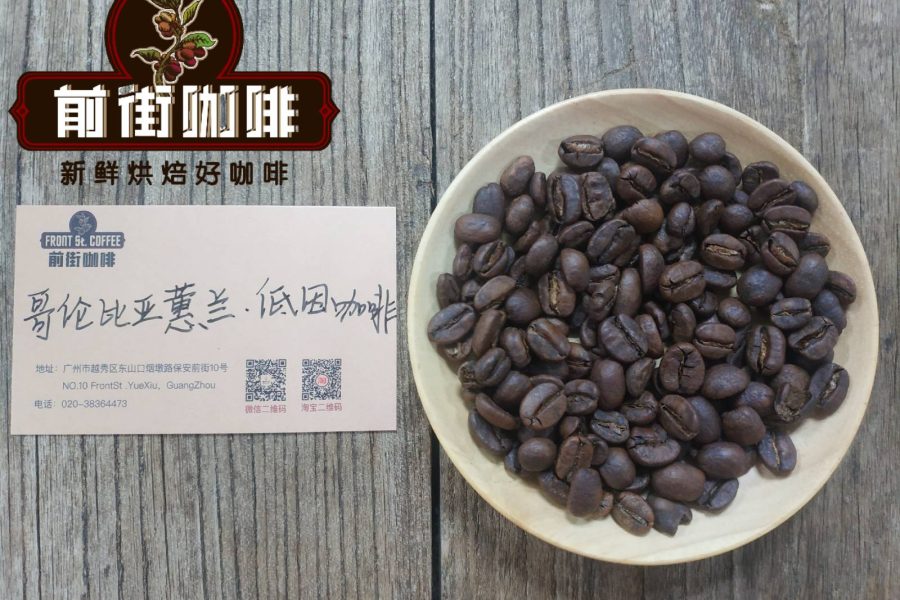
Regarding the flavor controversy over decaf, actually high-quality decaf (caffeine content ≤0.1%) can also present rich fruity acidity and nutty tones. Coffee beans processed with professional decaffeination techniques retain aromatic substances through low-temperature slow roasting while removing caffeine, and their acidity is brighter than regular coffee. First-time tasters can choose medium-roast Latin American bean varieties, whose mild caramel flavor is easier to accept.
After mastering these scientific principles, you can adjust your coffee drinking strategy according to your own situation—whether to improve refreshing efficiency or to enjoy the pure flavor of decaf, you can make more precise choices.


