A Guide to Mexico's Premium Coffee Regions: Oaxaca and Veracruz Flavors
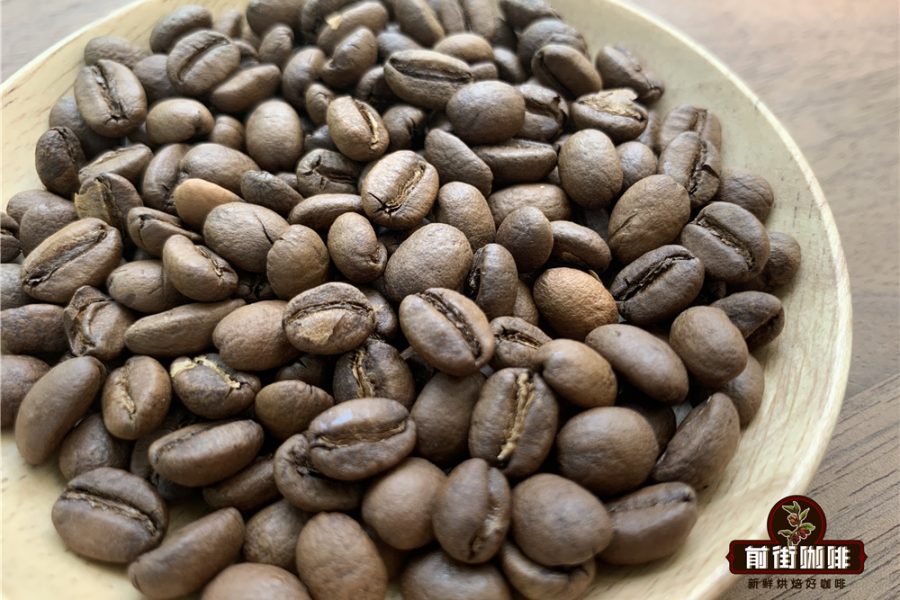
Introduction: Mexican coffee, though of excellent quality, is often overlooked; its organic farming and washed processing create a uniquely fresh flavor. This article focuses on the two core regions of Oaxaca and Veracruz, explains how altitude and climate influence flavor, and compares the growing characteristics of Chiapas, Puebla and other areas, helping you grasp the key factors for choosing Mexican specialty coffee.
Among the many coffee regions of Latin America, the unique appeal of Mexican coffee is often underestimated. Most coffee produced here is organically grown and washed processed, ultimately presenting a soft, refreshing cup profile. Particularly noteworthy is that many top Mexican coffees circulate only locally, with limited volume on the international market, which makes this a region worth exploring in depth for specialty coffee enthusiasts.
The Mexican coffee industry is gradually shifting toward sustainable growing models; the promotion of organic agriculture and fair trade practices is giving new life to this long-established region. Its flavor characteristics share an affinity with the renowned Yirgacheffe region—bright acidity and complex layers coexist.
Chiapas: A model of sweetness nurtured by high altitude
As Mexico's largest coffee region, Chiapas accounts for 40% of the country's coffee production. The region's unique ecosystem provides an ideal growing environment for Arabica coffee, with high-altitude areas at 1,300–1,700 meters widely distributed. The day-night temperature difference at high altitude lengthens the ripening cycle of the coffee cherries, prompting the fruit to accumulate more sugar and ultimately forming a distinct sweetness. 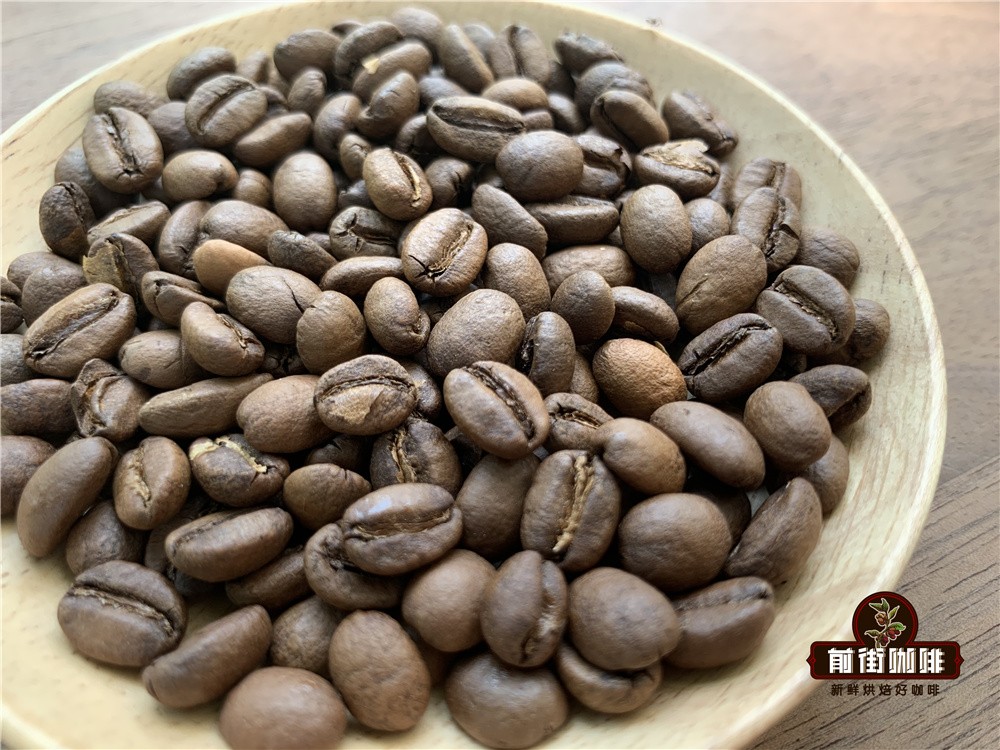 The tropical climate here, combined with abundant rainfall, is especially suitable for cultivating organic whole-bean coffee.
Veracruz: A tradition-driven region powered by technique
As Mexico's first coffee-growing area, Veracruz has a cultivation history of more than a century. The initial coffee seeds, originating from other Latin American countries, were adapted to the local environment through localized improvement. Its location adjacent to the Gulf of Mexico brings maritime climate regulation, and coffee-growing areas in the mountains at 1,100–1,600 meters benefit from the moisture of cool sea breezes. The state leads in growing techniques, widely cultivating disease-resistant varieties and adopting precision cultivation management systems.
Oaxaca: A flavor treasure of biodiversity
This state, famed for cacao, also nurtures excellent coffee. Oaxaca lies between Veracruz and Chiapas and inherits key growing elements from both—900–1,650 meters of altitude and abundant rainfall, which together with the tropical climate form a unique micro-environment. Local coffee farmers mostly adhere to traditional farming methods, insist on hand-picking, and use natural pesticides; this craftsmanship in cultivation gives the coffee a distinct regional character.
Puebla: A low-key region with real strength
Although less well known than other main regions, Puebla contributes 11% of the country's coffee production. The main growing areas are concentrated in the eastern mountains, where volcanic soils near the Sierra Madre provide abundant minerals. Especially around the Malinche volcano, fertile volcanic ash soil produces coffee with a unique flavor—prominent sweetness and rich layers of mouthfeel. Professional evaluations show that coffee from this region is best enjoyed black to experience its delicate acidity changes and aromatic layers.


