Hawaii Kona vs. Ethiopia Yirgacheffe: Flavor and Harvest Guide
Introduction: A deep dive into the core differences between Hawaii Kona coffee and Ethiopia Yirgacheffe, from the February-March coffee bloom to the key stages of year-round selective picking, with detailed explanations of the flavor profiles and processing methods of these two top-tier coffees. Master the skills for identifying Kona's signature caramel and nutty notes and Yirgacheffe's lively floral aromas, helping you precisely match your personal taste preferences when buying.
The core growing region of Hawaii Kona coffee lies on the northwest slopes of Hualalai and Mauna Loa volcanoes on the Big Island. This narrow coastal strip, only about 20 miles long, is home to more than 650 coffee farms of varying sizes. As a globally recognized representative of specialty coffee, Kona's unique appeal stems not only from its volcanic soil but also from its rigorous harvesting standards.
When the coffee trees enter their bloom period each February and March, the white blossoms covering the hillsides create the spectacular "Kona snow" scene—dense clusters of flowers blanket the branches like the first snowfall, a clear signal that the trees are entering the pre-fruiting stage. After about two months of growth and development, from April the coffee cherries begin to show a vivid green color. These berries, shaped like mini cherries, need 4-6 months of sugar accumulation before their skins turn bright red and they are ready for harvest.

Professional growers emphasize that because ripeness varies significantly, as many as 8-12 careful hand-selections must be carried out throughout the season (August to January of the following year). Each qualifying coffee cherry must show a uniform, consistent deep red, and pickers usually carry color cards for comparison. This rigorous sorting process directly determines the quality consistency of the final coffee beans.
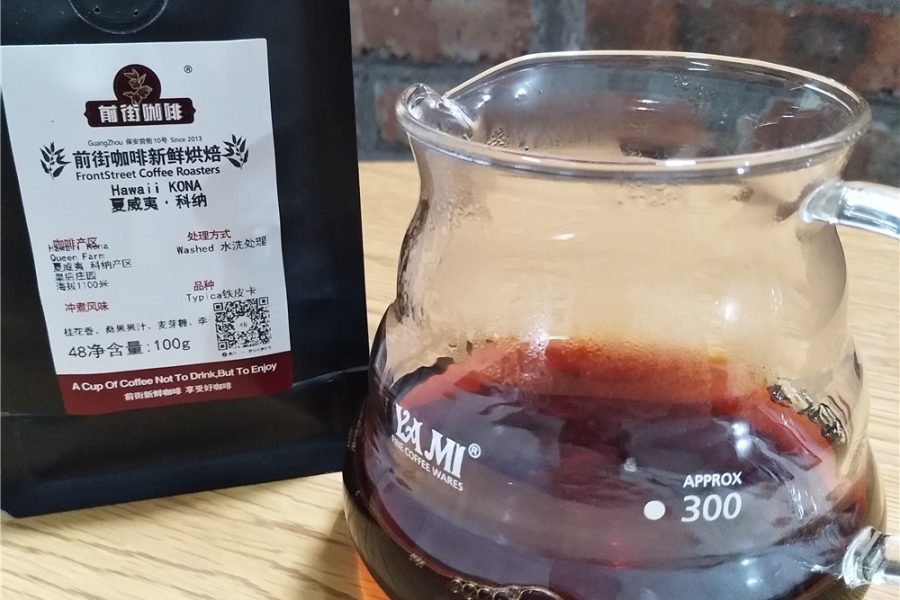
The flavor profile of high-quality Kona coffee is highly recognizable: under medium-light roast conditions it highlights brown sugar sweetness and a honeyed luster, accompanied by soft citrus acidity and a roasted almond finish. Recommended brewing parameters: water at 90-93°C with a 1:15 coffee-to-water ratio; when using pour-over, a three-stage pour is recommended to fully reveal the layers. Its aroma is particularly striking—the moment the bag is opened, a complex scent of caramel, butter and tropical fruit can be detected.
In sharp contrast is Ethiopia's Yirgacheffe, a region known as the "coffee gene bank," where the highland environment at 1,700-2,100 meters produces specialty beans of a completely different style. Washed Yirgacheffe shows bright lemon acidity and jasmine florals, with a clarity like light tea on the palate; the natural version develops a blueberry-jam-like sweetness and a winey body, with rounder acidity.
The process differences between these two mainstream methods directly influence flavor direction: the washed method requires placing screened parchment coffee in a tank to remove floaters, followed by 24-36 hours of lactic fermentation, mechanical removal of the mucilage, and finally drying on raised beds to a moisture content of 12%; the natural method sun-dries whole coffee cherries directly for 10-14 days, with daily turning to ensure even dehydration. It is worth noting that Yirgacheffe is usually at its best 2-4 weeks after roasting, and a conical dripper is recommended to highlight its lively regional character.


