Colombian Decaf Coffee: Health Benefits and Huila Region Flavor Guide

Introduction: Decaf coffee is often misunderstood as a bland healthy substitute, but in fact, premium Arabica varieties decaffeinated via the Swiss Water Process retain coffee's essence while reducing stimulation. This article combines the characteristics of classic bean varieties such as Typica and Caturra from Colombia's Huila region, reveals 8 research-verified health advantages, and includes brewing flavor notes to help you scientifically choose the decaf coffee that suits you.
Regarding the health value of decaf coffee, the academic consensus is becoming increasingly clear: its core advantages stem from the antioxidant compound system naturally present in coffee beans. The latest research shows that coffee beverages processed through professional decaffeination retain the core active components while significantly reducing caffeine intake, bringing multiple synergistic health effects.
1. Micronutrient Matrix
Each cup of decaf coffee provides minerals such as magnesium, potassium, and manganese, with vitamin B3 (niacin) particularly prominent, effectively promoting the elimination of stress metabolites. The complex formed by vitamin B2 (riboflavin) and B5 (pantothenic acid) not only participates in carbohydrate breakdown but also enhances immune response efficiency through synergistic action.
2. Metabolic Regulation Mechanism
Resveratrol in coffee, as a natural polyphenol (accounting for about 12%–15% of bitter components), has been experimentally confirmed to regulate HMG-CoA reductase activity; inhibiting this key enzyme involved in cholesterol synthesis helps improve lipid metabolism efficiency. It is recommended to drink it with morning exercise to enhance fat-burning effects.
3. Cardiovascular Protection
Clinical observations have found that long-term drinkers generally show lower serum liver enzyme indicators, which is directly related to ferulic acid's function of neutralizing free radicals. This phenolic acid substance can cross the blood-brain barrier, and while preventing the formation of atherosclerotic plaques, it also shows a trend of improving the risk of complications from type 2 diabetes.
4. Neurocognitive Maintenance
The combination of phosphorus and chlorogenic acid has a special synergistic effect: the former promotes acetylcholine synthesis, while the latter, through a blood-brain barrier protection mechanism, reduces the rate of cognitive decline by about 19% (based on epidemiological tracking data). It is especially suitable for daily supplementation by mental workers.
5. Suitability for Special Populations
For groups at high risk of gout, intake of more than 4 cups of decaf coffee per day can reduce the risk of uric acid crystallization by 31% (data from male samples). After caffeine-sensitive individuals switch to the decaf version, the incidence of gastrointestinal discomfort drops to 1/5 that of regular coffee.
6. Circadian Rhythm Management
Decaffeination retains coffee's aromatic hydrocarbon compounds; these volatile substances can activate the olfactory pathway to produce an invigorating effect while avoiding caffeine's blocking effect on adenosine receptors, achieving a balance between wakefulness and sleep quality.
7. Safe Drinking Boundaries
The upper limit of daily caffeine intake for pregnant women is 200mg, while a standard Americano (240ml) usually contains 95–200mg. Choosing the decaf version can completely avoid the risk while maintaining flavor satisfaction. People taking medication should note that certain antibiotics may produce a disulfiram-like reaction with caffeine.
8. Potential Anti-Cancer Components
Melanoidin polymers produced during roasting can increase gut microbiota diversity, while cafestol/kahweol diterpenes enhance cellular antioxidant defense capacity by activating the Nrf2 pathway. The colorectal cancer prevention effect is best at a daily intake range of 3–5 cups.
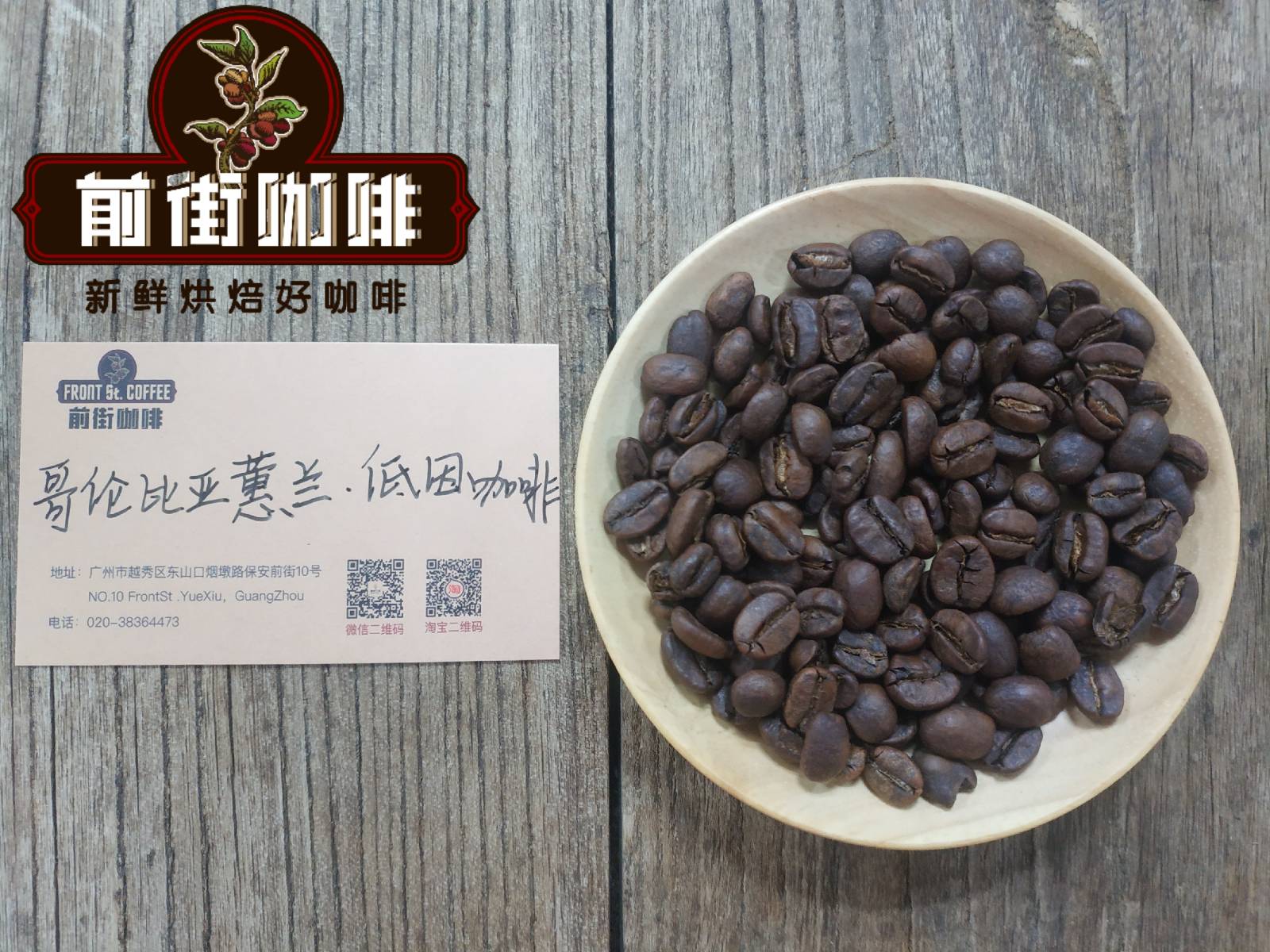
The Huila region decaf beans evaluated in this review use the Swiss Water Process, fully retaining Typica's citrus notes, Caturra's bright acidity, and Castillo's nutty base. After optimizing the blending ratio of the three varieties, it presents layers of dark chocolate (main note), caramel (mid-palate), and roasted almond (finish), with a body reaching 7.5/10 (SCAA standard).
Professional advice: For pour-over, use 92°C water temperature + 1:15 coffee-to-water ratio; medium-speed pouring in a V60 dripper (2–3 drops per second) better showcases the nutty flavor band. French press users are advised to extend extraction time to 4 minutes 30 seconds to strengthen the chocolate finish."


