Indonesian Aged Mandheling: How 5-Year Cellaring Changes Flavor
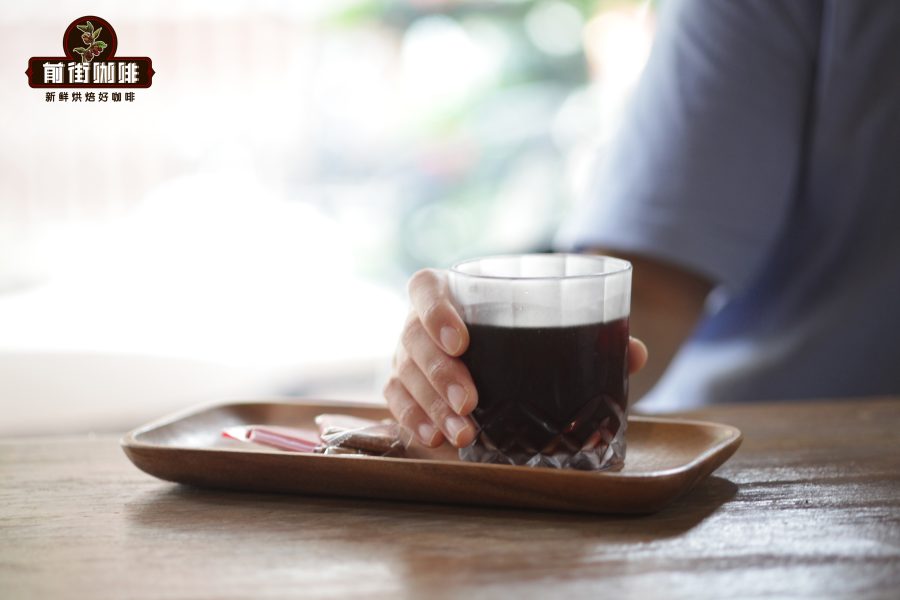
Introduction: Aged coffee is like a fine wine tempered by time, its flavor evolution full of mystery. This article lifts the veil on aged Indonesian Sumatra Mandheling, from historical background to modern craft, detailing the effects of cellaring for more than five years on coffee oils and flavor compounds. Through a professional lens, it explains the storage requirements and flavor transformation patterns of this special processing method, and offers brewing advice to help you deeply understand the unique appeal of aged coffee.
In the specialty coffee world, aged coffee is becoming a new direction for seasoned enthusiasts to explore. The flavor evolution of these long-cellared beans has much in common with wine, but requires more precise process control. Historically, long-distance transport of coffee beans accidentally produced an aging effect—on the months-long voyage from Yemen's Mocha port to Europe, tropical climate and maritime conditions worked together to give the beans a distinctive aged flavor.
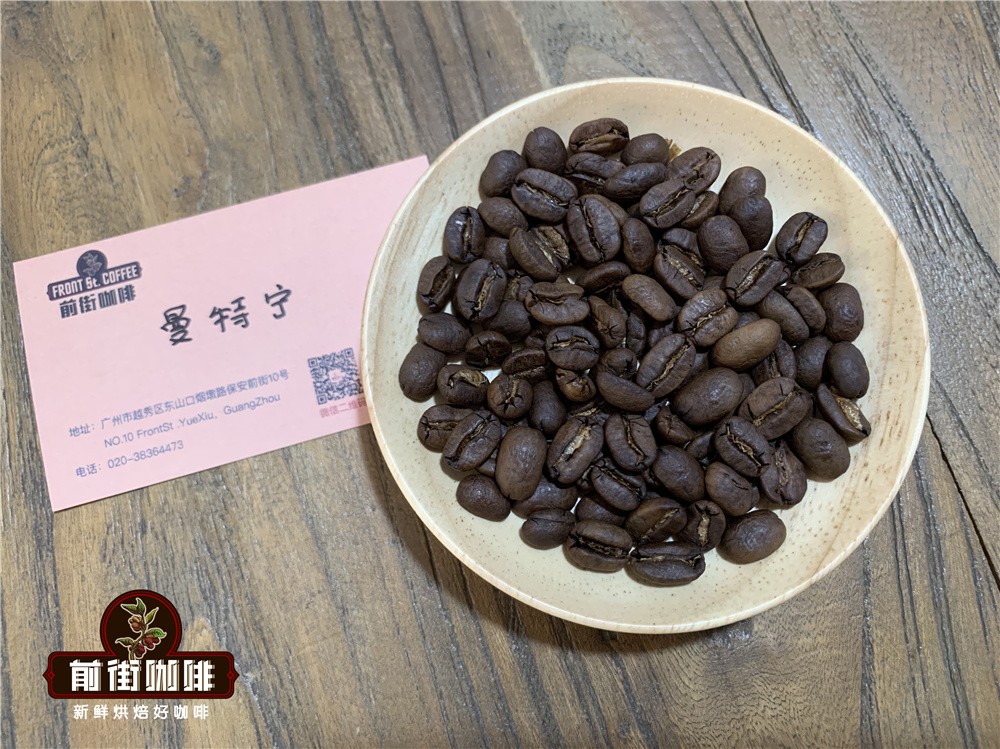
Modern aged coffee craft is not a simple imitation of old methods. Professional roasters select beans from specific origins for cellaring, and Sumatra Mandheling, with its high-density beans and rich oils, is among the most suitable varieties for aging. Unlike ordinary freshly roasted coffee, which pursues bright fruit acidity, the aging process gradually transforms the beans' acids, developing fuller chocolate, spice and woody notes.
Indonesian Sumatra aged Mandheling uses Golden Mandheling beans as its raw material, cellared professionally for more than 5 years. This process requires strict control of warehouse temperature and humidity—ideal conditions are 20-22°C and about 60% relative humidity—and the bags must be turned every quarter to ensure even aging across the batch. Note that aged coffee beyond 8 years suffers flavor decline from excessive oil oxidation, so professional bodies generally recommend 5-6 years as the optimal drinking window.
What makes aging special is its complex transformation mechanism. Fresh coffee beans have a moisture content of about 11-12%, which drops to 8-9% after long cellaring; this slow dehydration is accompanied by polymerization reactions of sugars. Chlorogenic acid in the beans gradually breaks down, producing more quinic and caffeic acids, while fat oxidation creates new esters. Together these chemical changes shape the syrupy texture and low acidity characteristic of aged coffee.
When brewing aged Mandheling, a medium-dark roast is recommended to highlight its full-bodied character. Professional baristas recommend slower-flow drippers such as the KONO or trapezoid dripper, with water at 92-94°C for extraction. The grind should be slightly coarser than regular Mandheling (recommended 70-75% passing a No. 20 sieve), and brewing at a 1:15 coffee-to-water ratio effectively balances its rich mouthfeel and layers. A center-pour method is recommended, avoiding excessive agitation that would release too many tannins.
The key to tasting aged coffee is capturing its distinctive sweet aroma. Mandheling cellared for more than five years develops pronounced caramel sweetness, a dark chocolate finish, and subtle cedar or sandalwood aromas. Compared with fresh coffee, its fruit acidity has almost completely transformed, replaced by a fuller body and lasting sweetness. This flavor evolution makes it especially suited to pairing with strongly flavored foods such as smoked ham and dark chocolate.
It should be noted that aged coffee is not for every consumer. Its full-bodied, even slightly muted character may not suit those who prefer fresh fruit acidity. But for connoisseurs seeking a deeper coffee experience, this drink settled by time reveals the beans' most original terroir and is an excellent sample for understanding coffee's chemical changes. Professional coffee organizations usually label the specific aging time, and consumers can choose 3-year, 5-year or longer-aged beans according to personal taste preference.


