How to Brew Hawaiian Kona Coffee: Light, Medium, and Dark Roast Flavor Differences and a Brewing Guide
Introduction: Hawaiian coffee is known for its clean, bright fruit notes and balanced sweetness and acidity, but many enthusiasts struggle with choosing a brewing method and roast level. This article explains the key steps for common home brewers such as drip and French press, compares how light, medium, and dark roasts affect flavor, and offers parameter suggestions that even beginners can follow, helping you fully bring out the distinctive flavor layers of Kona coffee.
Coffee from Hawaii's Kona or Maui growing regions is often described as having the richness of brown sugar, the smoothness of milk chocolate, and the freshness of citrus and berries. High-quality island coffee often strikes a delicate balance among acidity, sweetness, and bitterness, with a mild, non-irritating mouthfeel.
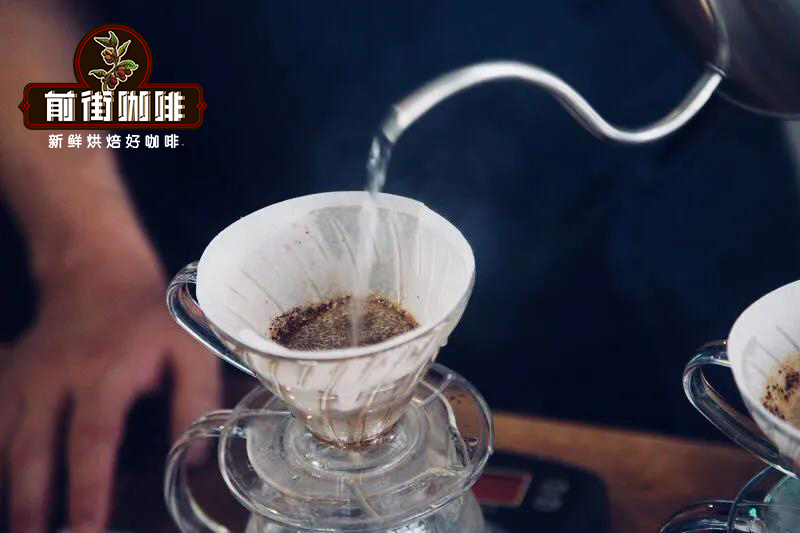
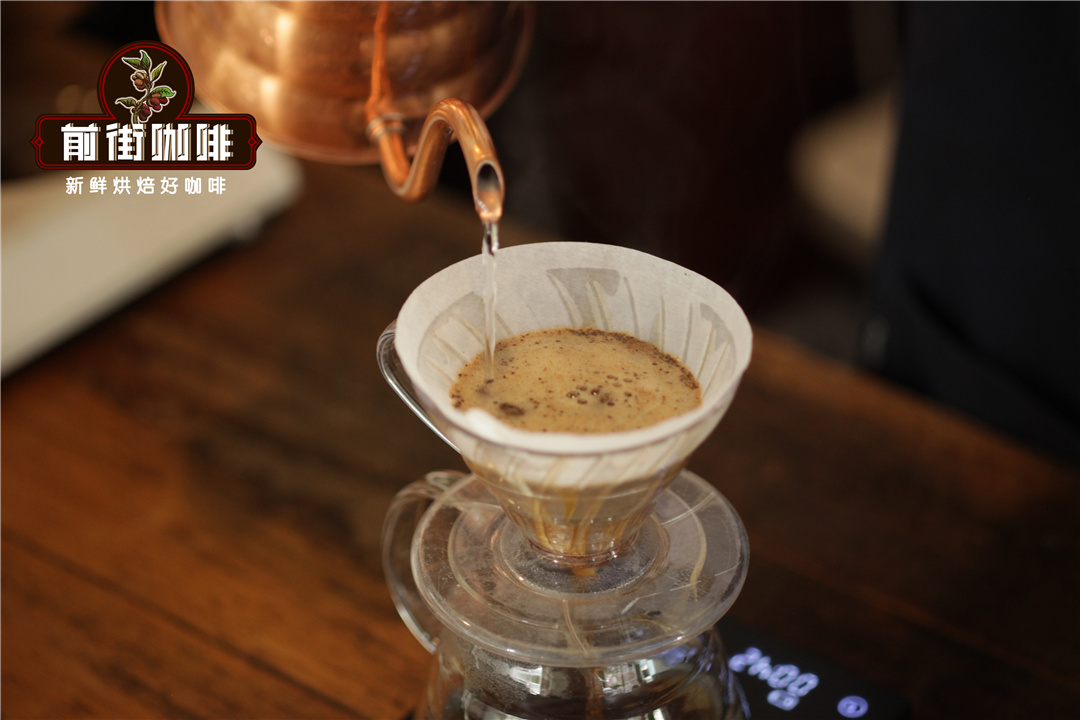
For this type of delicately flavored coffee bean, drip brewing (including pour-over or automatic drip machines) is the method that best highlights its characteristics. Slow extraction through a paper filter preserves the bean's original balance of acidity and sweetness while allowing floral and fruity notes to emerge more clearly. Especially with light-roasted Hawaiian coffee, the paper filter can remove some impurities that might mask flavors, letting the coffee's brightness "glow"—which is also why many specialty coffee enthusiasts prefer this brewing method.
If you are more accustomed to using a French press, Hawaiian coffee works just as well, but pay attention to roast level selection. Medium-dark roasted beans (around the start of second crack) are better suited to the French press: its longer extraction time (usually 4 minutes) and coarse grind can still fully release oils and body, avoiding the "flat or even sour" problems that light-roasted beans may have in this device. The brown-sugar sweetness and chocolate finish of medium-dark roast, combined with the French press's steeping effect, will produce a full, rounded cup of coffee.
In terms of overall roast compatibility, medium roast (from the dense stage to the end of first crack) is the "golden balance point" for Hawaiian coffee. This type of roast preserves the bean's full medium body while maintaining moderate acidity, without being too sharp from being too light or too dull from being too dark. If you want to experience the unique flavors that Hawaiian volcanic soil gives coffee (such as distinctive citrus acidity or faint floral notes), light-medium roast (from the start to the dense stage of first crack) is the better choice—at this point the bean's natural flavor compounds are more completely preserved, restoring the characteristics of the region's terroir.
Tips: Regardless of brewing method, it is recommended to use freshly roasted coffee beans (within 7-21 days after roasting), adjust grind size according to the device (medium-fine grind for pour-over, coarse grind for French press), and keep water temperature at 90-94°C (slightly higher for light roast, slightly lower for dark roast). When pouring, make sure to evenly cover the coffee bed to avoid over-extraction or under-extraction in certain areas.


